23 Things To Know Before You Visit Albania
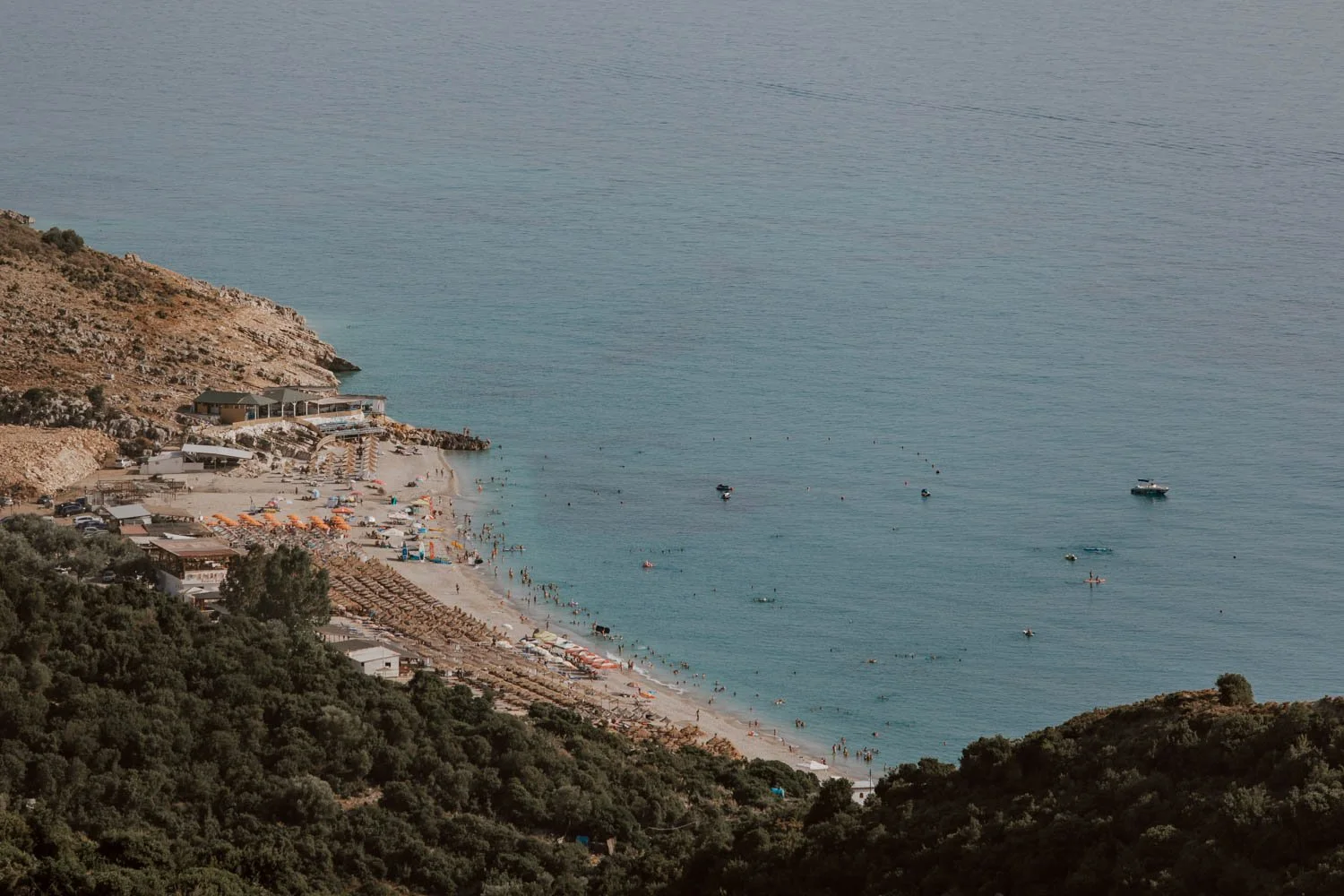
The chance to step into somewhere relatively unknown is definitely part of Albania’s appeal.
Under hardline communist rule, the country was almost entirely sealed off to foreign visitors for several decades. As Albania became one of the most isolated states on earth, tourists were strictly limited, border crossings heavily controlled, and any visitor closely monitored.
A holiday destination it was not.
In the last five or so years though, this little Balkan country across the water from Italy has become a word-of-mouth sensation. A country with dramatic mountains in the north, a clustered constellation of dazzling beaches and bays along two seas, and a complex history and intriguing culture beyond the communist past, it delivers for travellers in a variety of ways.
And, with more flights, better roads, and a steadily growing tourist scene, Albania is now firmly on the radar.
Yet, due to its history and ongoing transition from hermit kingdom to aspiring member of the European Union, there are quite a few things worth knowing before you finalise your plans or touch down in Tirana.
From its complicated past to practical tips on money, accommodation, visas, itineraries, and how best to get around the country, our guide will help avoid some common mistakes and plan the perfect trip.
From whether to do road trip or travel by furgon, why you need sunbed budget, the reason you have to bring euros, the one book to pack, and an explanation for there being nearly 175,000 concrete bunkers, this is 23 Things To Know Before You Visit Albania.
Fly To Tirana or Corfu
The primary entry points for Albania are Tirana - the capital city - and the Greek island of Corfu.
Yes, flying to Greece is still one of the most convenient and affordable ways to arrive in Albania!
Flying into Tirana is going to be best for those who want to visit the mountains in the north or do a road trip, whilst Corfu offers the the quickest route into the south of the country and the stunning beaches of the Albanian Riviera.
For the latter, you can just catch the regular ferries from Corfu to Sarandë (30-45 minutes, €20-23 one-way).
Basically, if you’re only coming to Albania for a beach holiday, Corfu is going to be better than the 4-6 hour drive down from Tirana - check prices and routes on Skyscanner.
Another option we toyed with several times was taking a ferry across the Adriatic from Puglia in Italy. These run between Bari & Durrës (7-10 hours) and Brindisi & Vlorë (6-8 hours), cost around €55 one-way, and can be done as an overnight crossing too.
Know | A new airport was scheduled to open in Vlore for summer 2025 to meet the recent surge in tourism and encourage further growth, but the project is currently behind schedule. Once completed, Vlora Airport will quickly become the primary access point for tourists flying in for the south and beaches of the Albanian Riviera.
So, if you’re planning for a future trip, keep an eye on airline routes and announcements.
Travel Tip // If you’re road tripping or backpacking the Balkans, arriving by road from Montenegro is a good alternative - this would make the city of Shkodër your first stop. Be aware that the Green Card is legally required for foreign-registered vehicles in Albania, and most rental companies in the Balkans don’t automatically include Albania in their insurance. If you’re hiring a car in Greece, Croatia, or EU Balkans and want to cross into Albania (or other non-EU Balkan states), make sure you clarify this point before paying, and confirm if purchasing the Green Card will ensure you meet all cross-border requirements.
It’s Not A Member of the European Union
Albania has been an EU candidate since 2014 and in membership talks since 2020, but remains firmly outside both the EU and the Schengen Area.
This affects passport, visa, and border arrangements, but also simplifies things for many travellers:
· British passport holders get visa-free entry for up to 90 days within any 180‑day period
· EU/Schengen-zone citizens also have visa-free entry for up to 90 days in any 180‑day period
· Australians enjoy the same as British and EU passport holders
· US citizens can also enter Albania as a tourist without a visa, and can stay up to one year in Albania without applying for a residency permit
For all travellers in the above groups, no prior application or permission is required, and you can simply get the necessary stamp in your passport on arrival. However, it’s important that you doublecheck passport validity and any other requirements.
Travel Tip // This status also means most ‘roaming abroad’ mobile data plans won’t include Albania automatically. The best option is to buy a local SIM card with Vodafone or One for your unlocked phone (these are easily available in Tirana airport and cities), or opt for an e-sim.
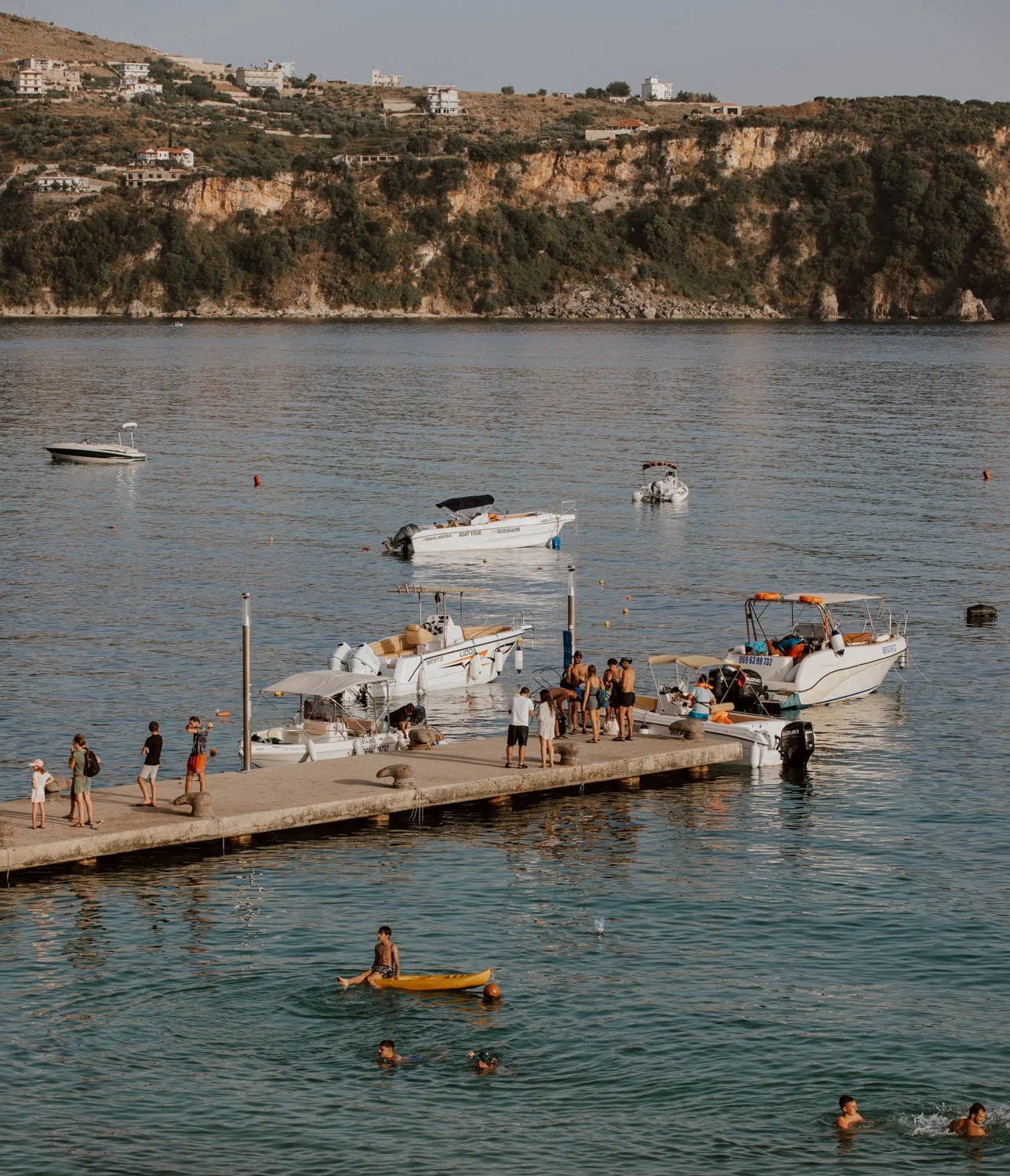
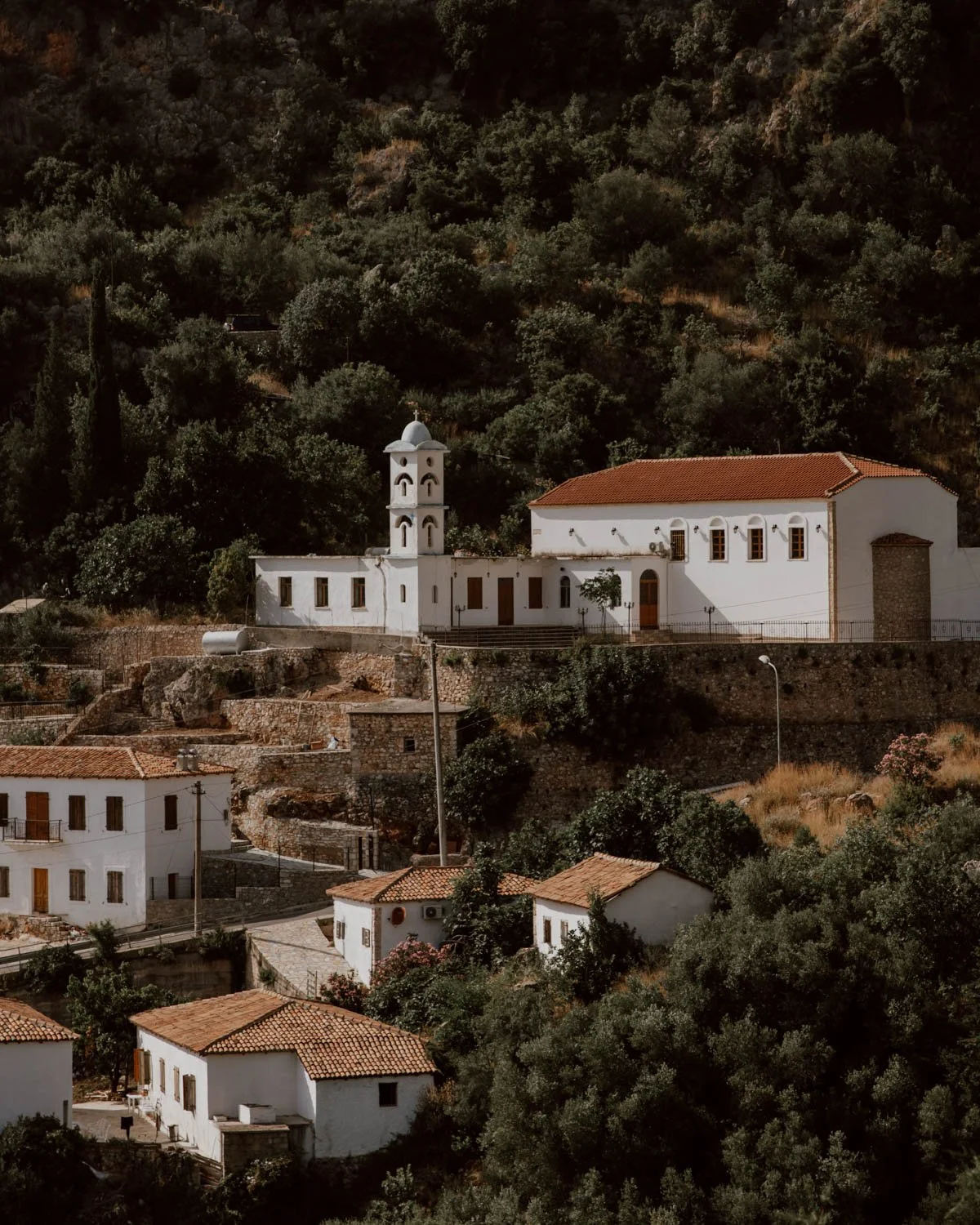
The Coastline Really Is Amazing...
There’s a good chance that you first had your curiosity piqued about travelling in Albania because you saw photo or video of its beaches and sparkling electric-blue waters?
We can happily confirm that both live up to the type.
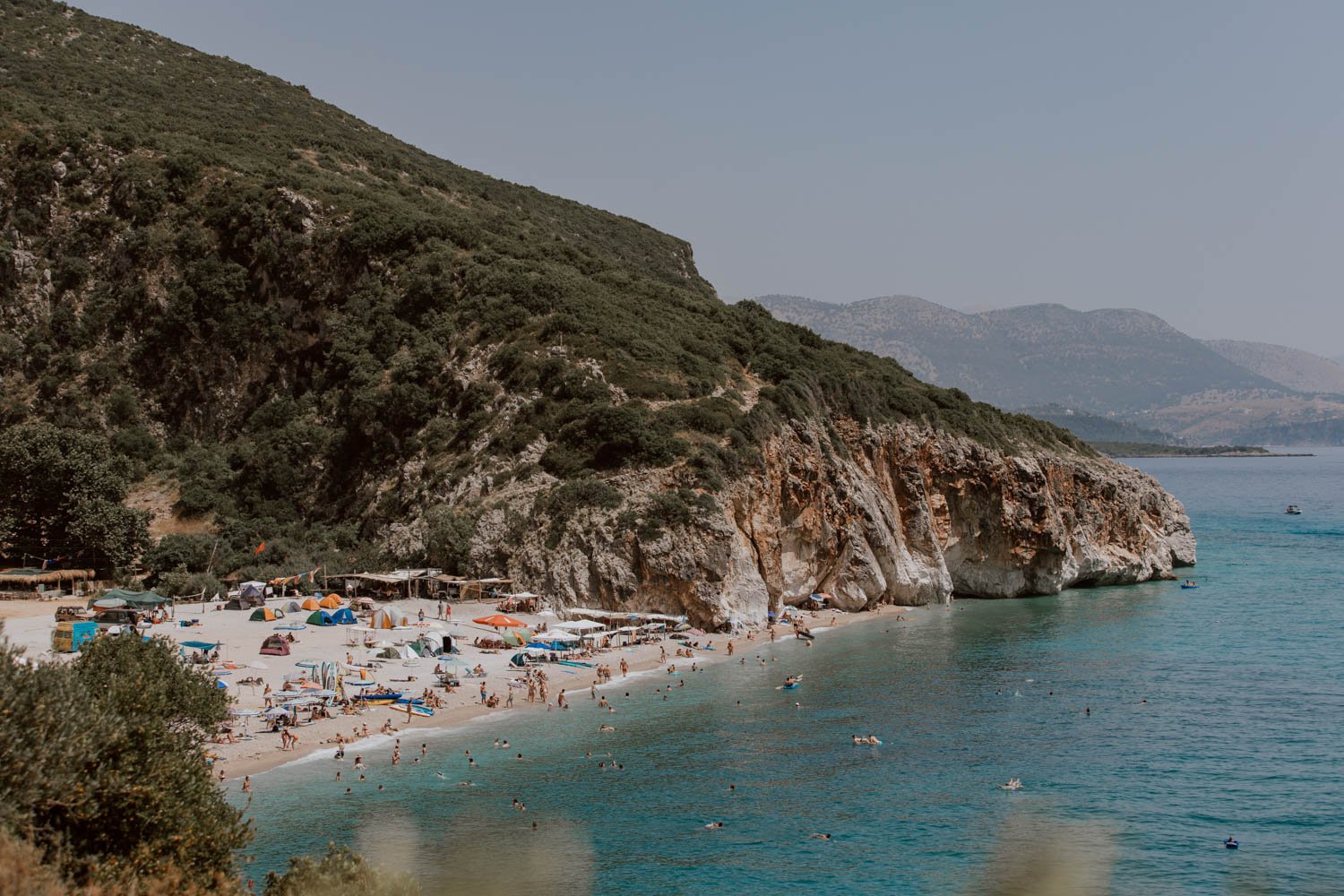
Known as the Albanian Riviera, it’s a rugged, wild, and sun-kissed stretch of coastline where the Adriatic gives way to the Ionian Sea and the mountains tumble straight into tempting turquoise water. Running from Vlorë down to Sarandë & Ksamil in the south, along the way you’ll find unmarked coves, steep winding roads, and villages where time moves at a leisurely pace.
Some beaches are very family-friendly with beach clubs and modern tourist accommodation, some are catering to high-end wealthy locals, whilst others are little more than a pebbly cove a boat ride away or a wild stretch found at the end of a dusty road.
In short, there’s something for everyone and every travel style.
Plan // Find all our personal favourites in The Best Beaches in Albania
…But The Mountains Stole Our Hearts
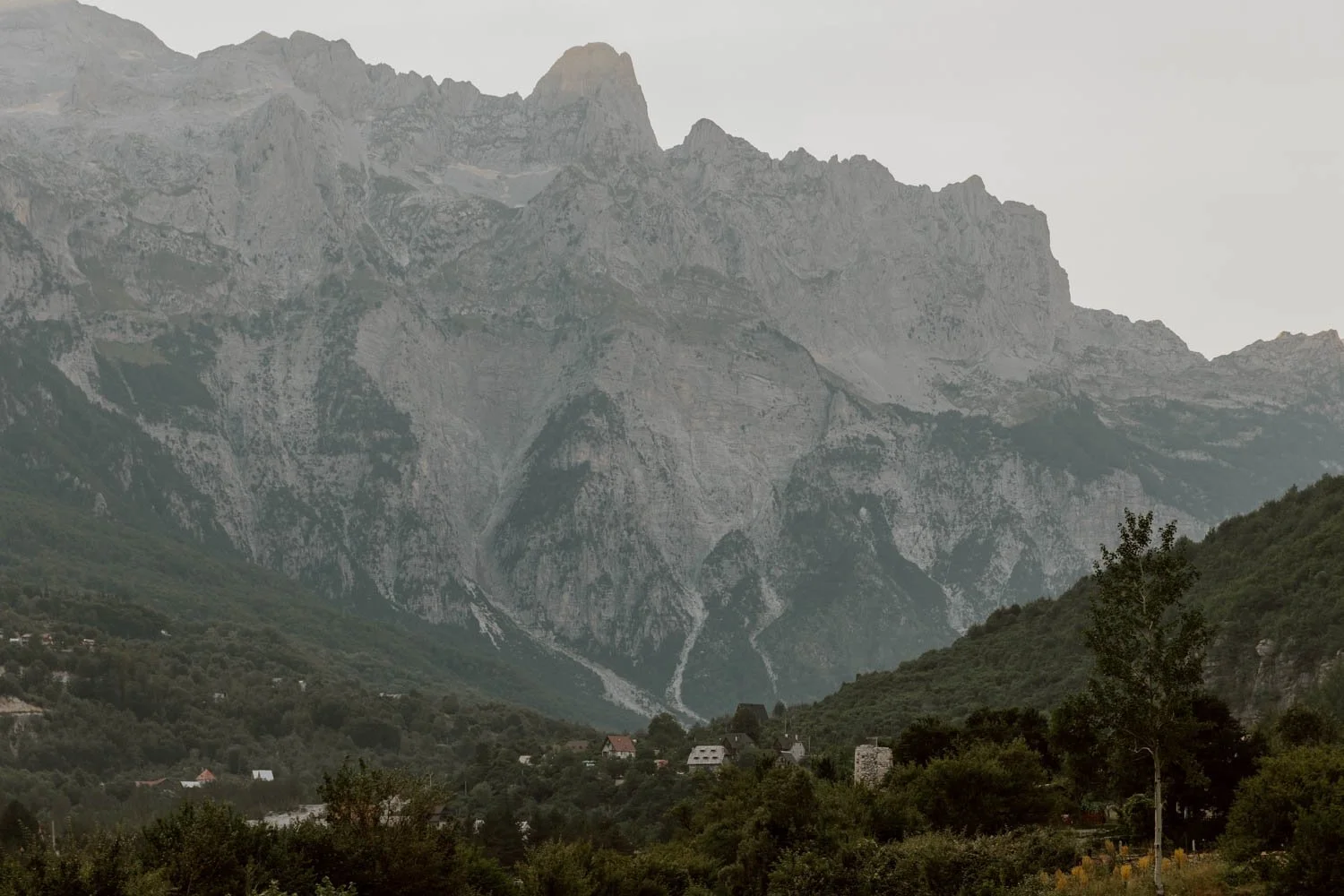
We may have gone to Albania for its golden beaches, but we left our hearts in its silver mountains.
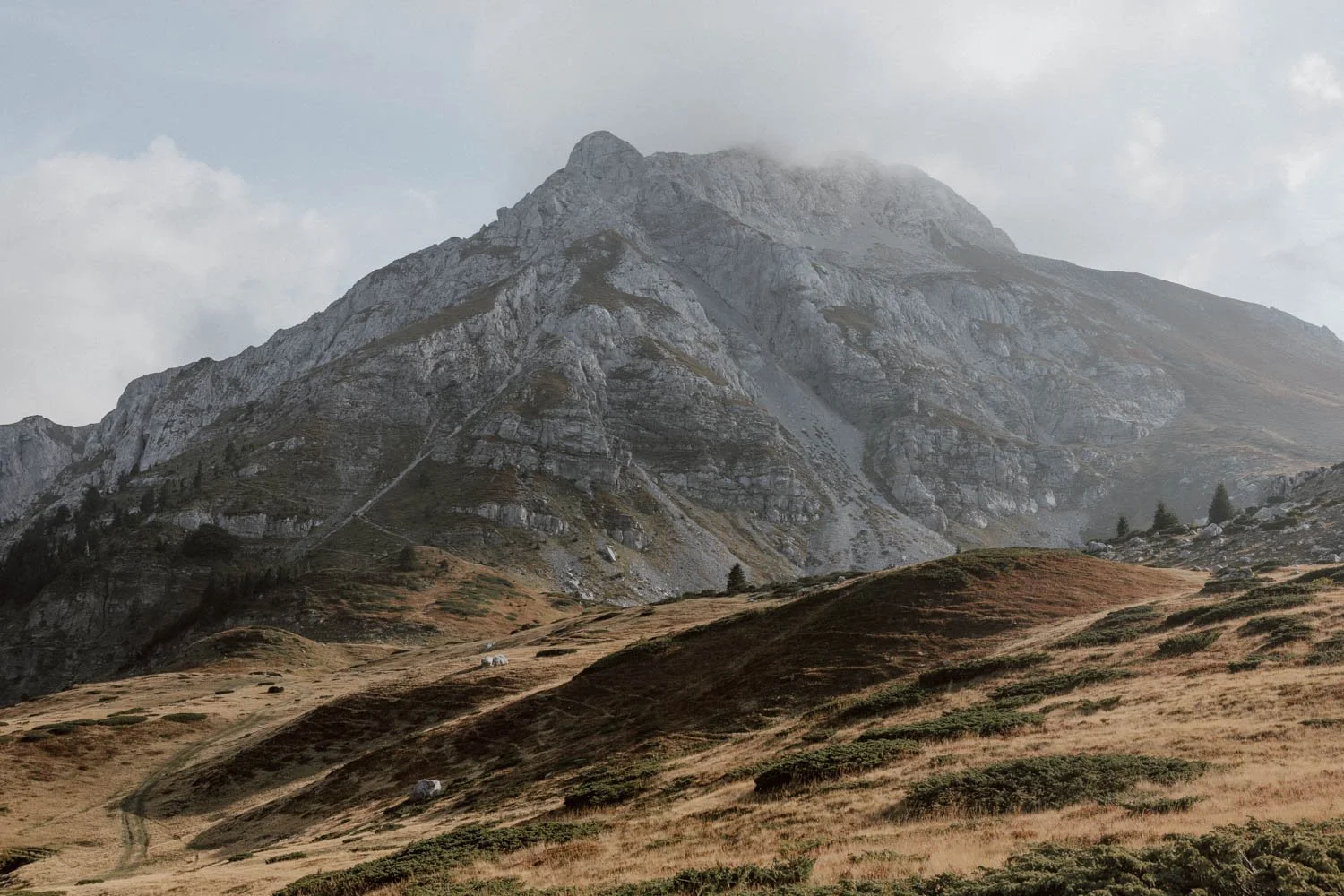
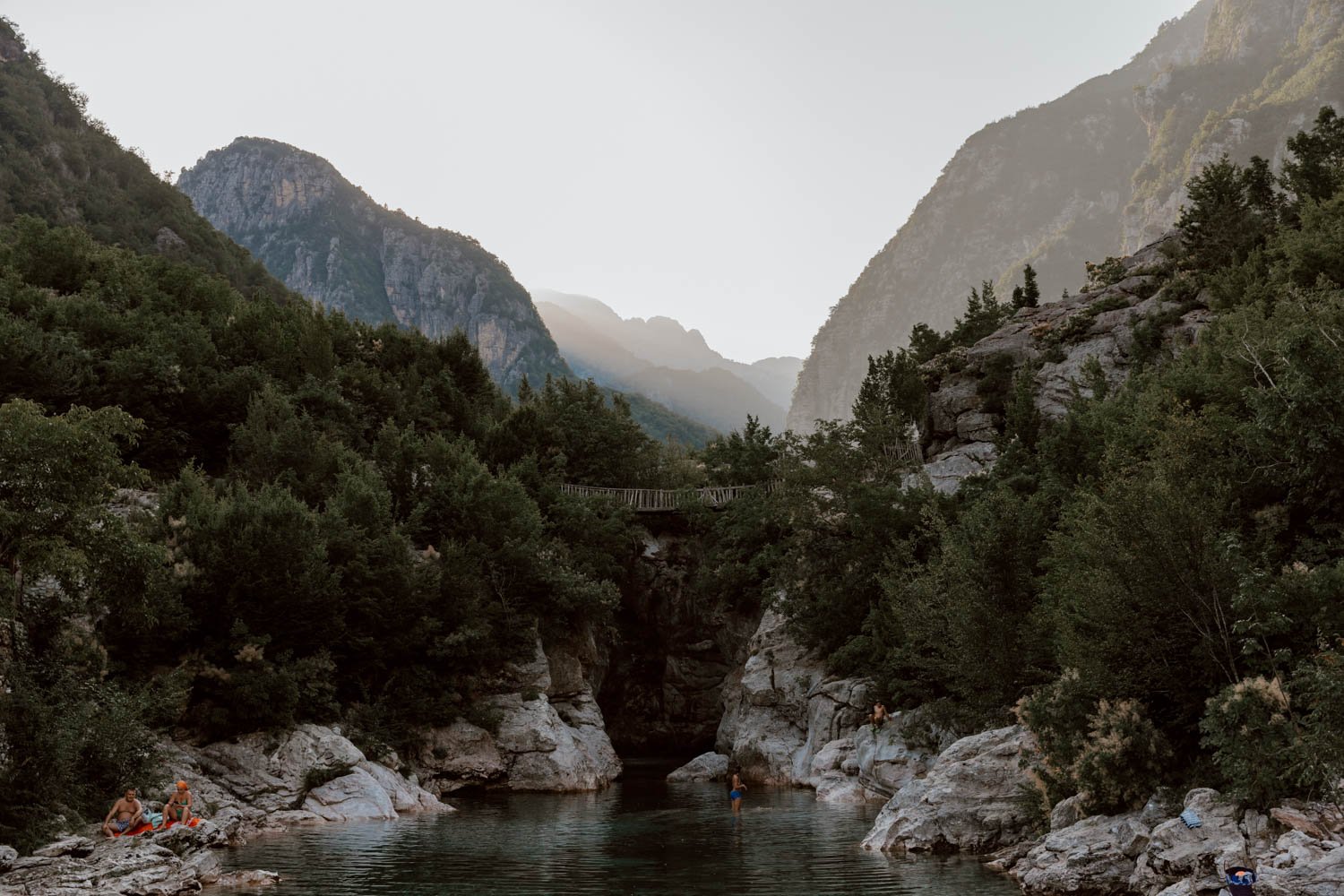
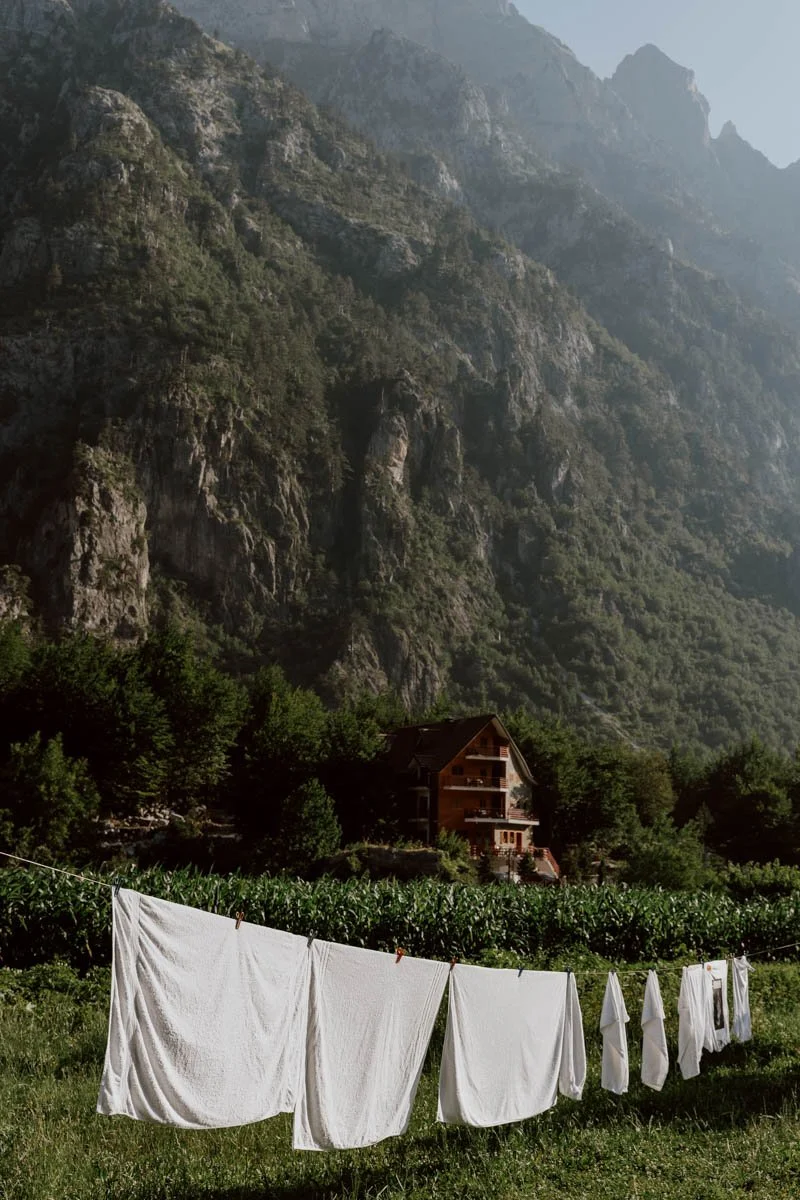
The rugged, remote corner of northern Albania is one of Europe’s last true mountain wildernesses, where jagged limestone peaks rise above deep valleys, glacial lakes shimmer, and isolated stone villages remind you of a different age.
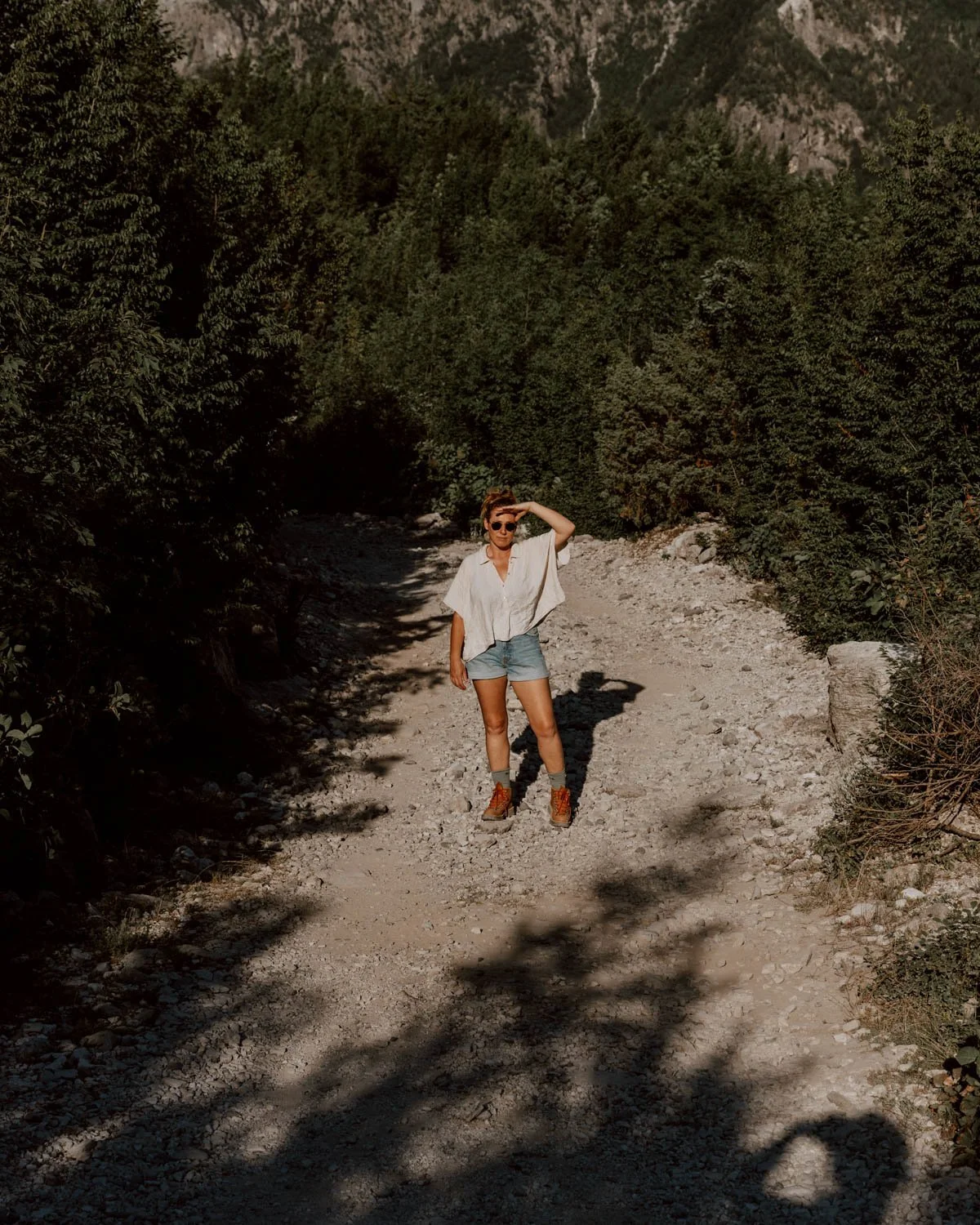
Not every traveller will be able to make the time to make the trek the Accursed Mountains in the highlands of Albania, but we really would encourage those with a couple of weeks with try to include them in their plans. It not only added so much depth to our travel experience, but the Theth-Valbone trail ranks amongst the most beautiful trails we've ever done (and we actually ended up doing it twice!)
Whether or not you should go to the mountains depends on how much hiking you fancy, the time of year, and whether you’ve hired a car or depending on buses and boats. Whilst the logistics and accessibility have improved dramatically following the completion of a new road, it can still stack up to a day of travel in & out. Also, many of the trails in the Albanian highlands aren’t safe to walk until June, when the snows have cleared.
If you’re keen we recommend tackling the mountains at the start of your trip.
It's Getting More And More Popular
Here at Along Dusty Roads, our guides are all about helping you travel more, travel better.
If you’re a first-time reader, that means we’re not interested in just giving another glowing PR version of a destination, but rather giving you the important insights to get plan perfectly and have the best experience possible.
Going to Albania is definitely still an outlier choice of the curious, especially in comparison to better known Euro summer destinations like Spain, Italy, France, and Portugal. This is due to a combination of its historical hermit kingdom pariah status (more on that later) and its modern day reputation amongst many for crime, drug, and trafficking links (more on that later too).
So, say you’re off to Albania for a holiday or adventure, and lots of people will often be surprised or intrigued.
However, more and more people are making a similar decision each year, with social media and viral videos significantly ramping up interest and awareness in the last five or so years.
Whilst many articles and influencers continue to talk about it as though it only opened its borders last year, the reality is that Albania is growing more popular each year and isn’t really that off-the-beaten-path anymore.
Locals we spoke to told us that the last few summers had seen a noticeable surge in foreign visitors and, in the last five years, inbound tourist numbers have almost doubled.
In 2024, Albania was the second-fastest-growing destination worldwide and the upcoming opening of Vlora International Airport is likely to create another inflection point..
This isn’t to make you question your choice at all, but just to convey a clearer, more accurate impression than you’ll often find when talking about travel in Albania - and to save you a surprise when you arrive at certain beaches or attractions.
So, Know The Best Time To Go
Alongside the increasing numbers of foreign visitors, many Albanians holiday domestically and the diaspora often return home for summer vacations and family reunions, which adds another layer of demand to popular beaches and towns.
In short: you’ll be sharing those ‘hidden beaches’ with a fair few others if you travel in high season.
This means working out the best time to visit is now as important for Albania as it is for any other European destination on the Mediterranean - especially if you’re focussed on affordability.
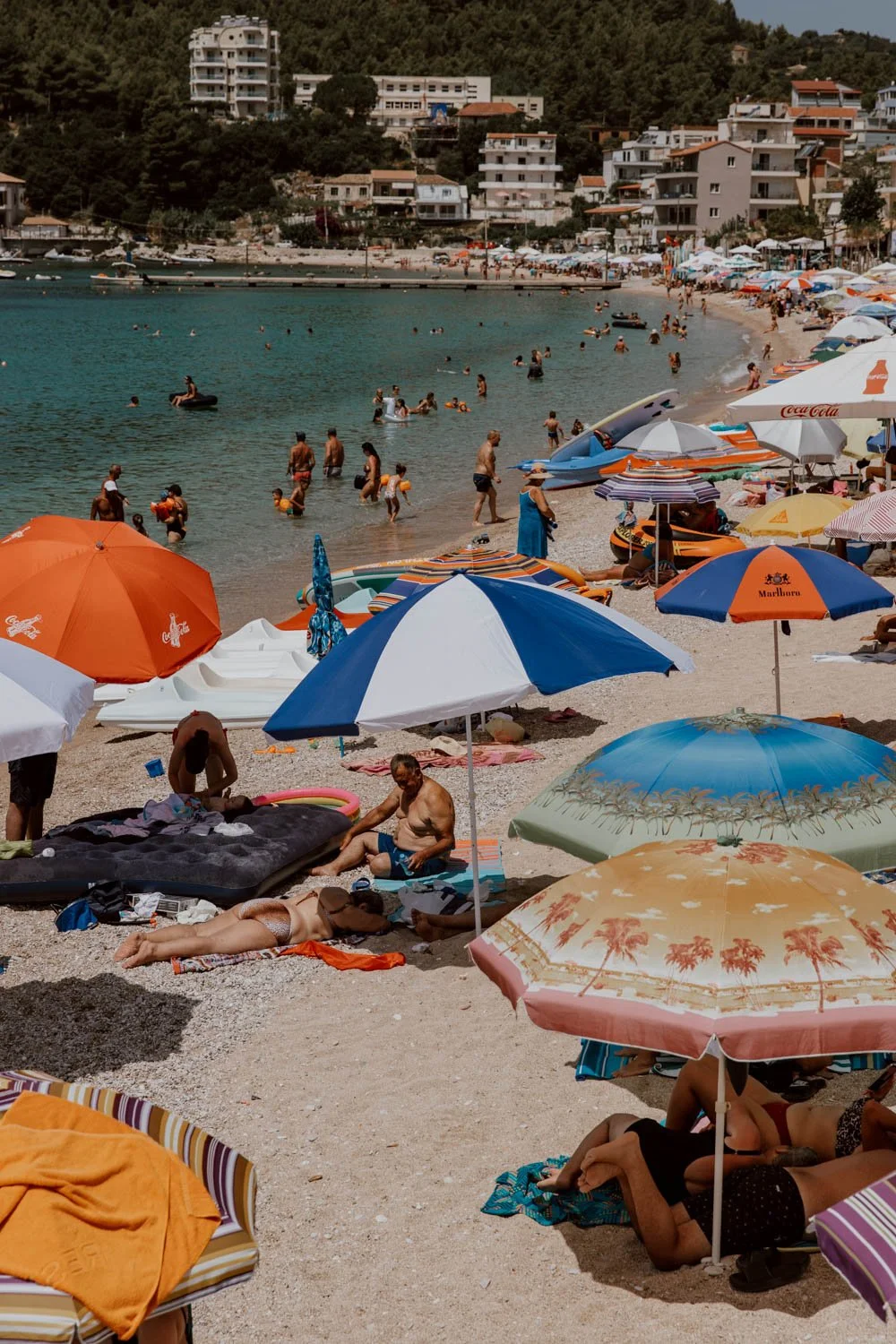
We normally plan our European summer trips for June or September, but ended up in Albania in mid-July. The Blue Eye, several beaches along the Riviera, and even the Valbonë Pass hike were busier than expected. While it wasn’t unmanageable or unenjoyable, it’s worth adjusting your expectations if you’re picturing remote, deserted coves and quiet mountain trails to be the norm.
If your focus is on the beaches, lower prices, and avoiding crowds, aim for late May to early July or from the second week of September onwards. The sea is warm well into autumn, and many (but not all) seasonal places stay open through to early October, especially in Sarandë and Himarë.
Important // As mentioned, if you’re visiting Albania with plans to hike, you really need to wait until June. Several travellers have risked those Accursed Mountain trails in April and May before the official opening, and haven’t lived to tell the tale. Take it seriously.
The Local Currency Is Closed
How money works in Albania is probably the most important thing to get your head around before you arrive.
The local currency is the lek (ALL), but you can’t get it outside of Albania.
This is because Lek is a ‘closed currency’, largely as a hangover from its isolationist communist era and a financial firewall in a country that, for decades, barely let its own citizens leave, let alone its money.
So, don’t expect to be able to get some at home from the Post Office or money exchange bureaus: the only place you can (legally) source lek is in Albania.
That’s easily done from bank-owned ATMs (more on those later), and there are at least four you can use on arrival in Tirana Airport.
So Bring Euros Instead
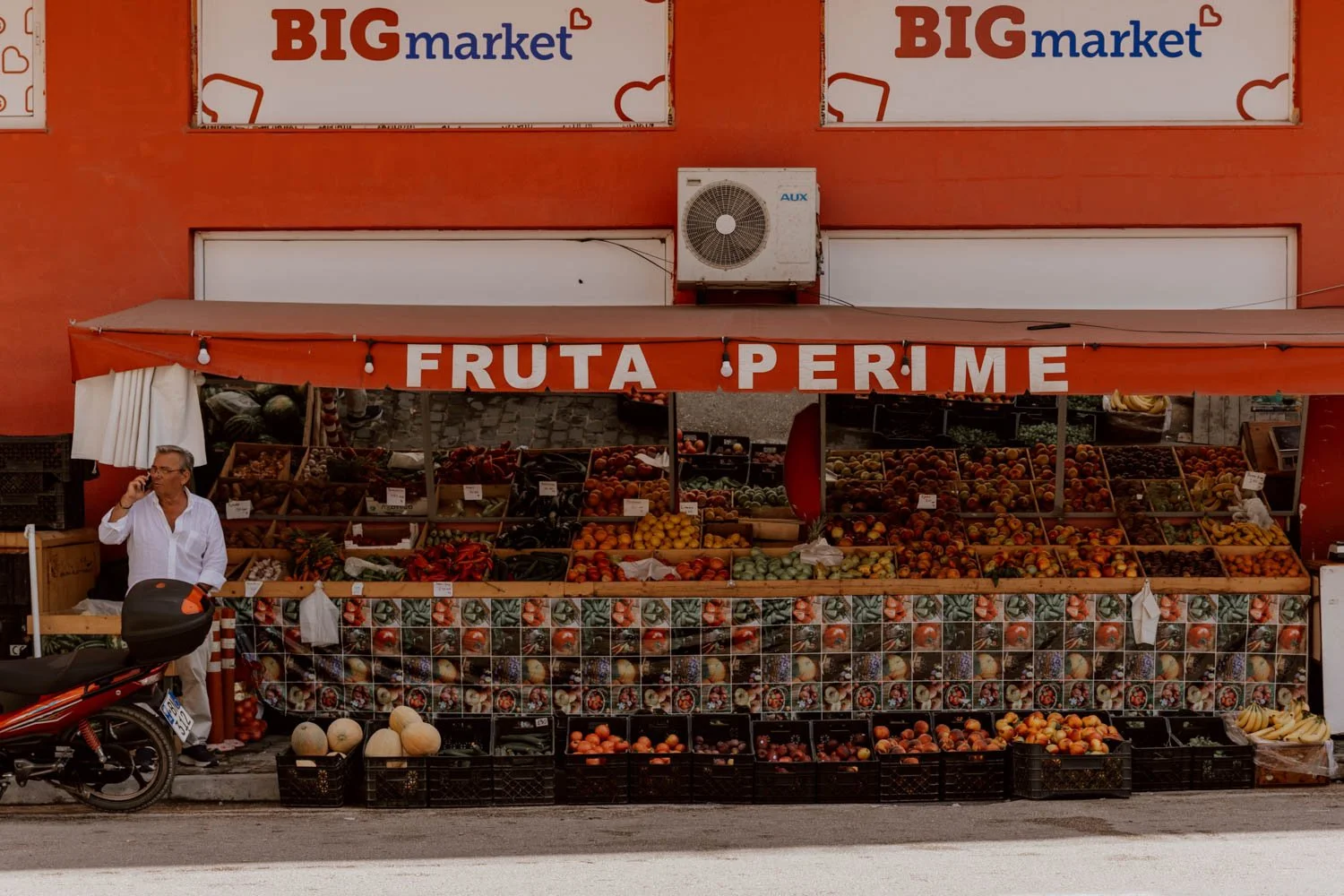
Despite not being in the European Union, Albania welcomes - and often encourages - visitors to use and spend euro (EUR).
Whilst small businesses charge lek, many - especially tourist facing - accept euro notes and coins at a flat rate of 100 ALL = €1. Prices are increasingly quoted in both currencies in menus, whilst lots of hotels have euro as their primary currency listing.
It’s now such common practice that the lek tends to shadow the euro fairly closely because Albania’s economy is so euro-dependent (thanks to remittances, tourism, and trade with the EU).
Whilst the exchange rate isn’t pegged, it has hovered around that 1 to 100 for a few years (which at least makes the mental arithmetic easier). That said, fluctuations can and do occur, which can impact prices.
This two-currency system definitely has some benefits for travellers, and everyone should bring over a healthy amount of euro for their trip.
Note that ATMs in Albania do not dispense euros.
Travel Tip // If you’re British and would prefer to avoid having change or withdraw money at the airport, then have a dig around to see what you’ve got from previous holidays, and you can definitely consider exchanging pounds to euro at home (never at the airport). If you get a decent rate that’s within 1 - 2% of the wholesale bank rate, you’re doing well and it will be cheaper to access money than in Albania.
Don't bother bringing pounds, unless you'd like to exchange a little bit on arrival at Tirana airport just to get you through the first day (not a bad idea due to how much the ATMs charge).

The Currency Conversion Confusion
The flip side of two currencies operating in tandem is that it opens up opportunities for some businesses to take advantage of tourist confusion.
Whilst the rule of thumb is 1-100, and small businesses always accept that if you want to spend euro instead of lek, we found that hotels, guesthouses, and more tourist-centric restaurants charged a daily exchange rate which was always in their favour, sometimes by as much as 5%.
Some hotels also prefer you to pay in euro, with some insisting on it if your online booking was priced in that currency. This can lead to the bizarre situation of wanting to pay in local currency, but having them insist you pay in euro or they’ll have to charge you that crap exchange rate, thereby increasing the total cost of your accommodation!
We still don’t knw whether this was a genuine concern about them losing out in exchange rates, or that they simply wanted a more stable and widely accepted currency. Either way, it was pretty annoying.
Cash Is Still King & The ATM Withdrawal Fees
The obvious solution to some of the currency confusion would be to simply pay by card as often as possible.
Unfortunately, cards and card payments are still not common in many places.
When it is offered, it usually attracts a 3% - 5% levy. However, when in those payment discussions with hotels, our calculations showed it was usually cheaper overall to pay by card and absorb the transaction fee, rather than pay in lek with their crap exchange rate.
Cash is still king for most small businesses though, including taxis and buses, so you do always need to have some on you. Notes are in the following denominations - 200 lek, 500 lek, 1,000 lek, 2,000 lek, 5,000 lek - and you do need to double check your hundred and thousands notes before handing over a wedge!
The only problem? All ATMs in Albania now charge a withdrawal fee.
We tried all of them during our two-week road trip, and the cheapest ‘access’ fee was 600 lek (€6) and the most expensive 800 lek (€8). This was using our Starling Bank Mastercards, which are the best on the market for UK travellers and never charge us fees overseas, and the charge is levied by the Albanian banks.
With those cards, we found Credins (600lek), OTP (500 lek), and BKT (650 lek) to be the most reliable and affordable. You should avoid Raiffeisen (800) and any Euronet-branded ATMs. Do note though that Visa is much more commonly accepted at ATMs than Mastercard, and not all ATMs will work for your specific foreign bank card.
All of this means you do need to be strategic on your withdrawals, and take out as much as possible each time at the beginning and middle of your trip. Also, do try to source a bank card that won’t charge you for foreign withdrawals and is generous with daily limits.
Bottom Line // As the above has hopefully made clear, however you’re paying or accessing money in Albania, you’re likely to be charged a bit extra in some way, shape, or form. The best way to avoid this is bringing a stockpile of euro, but you do then of course have to be more diligent with how you carry & store this.
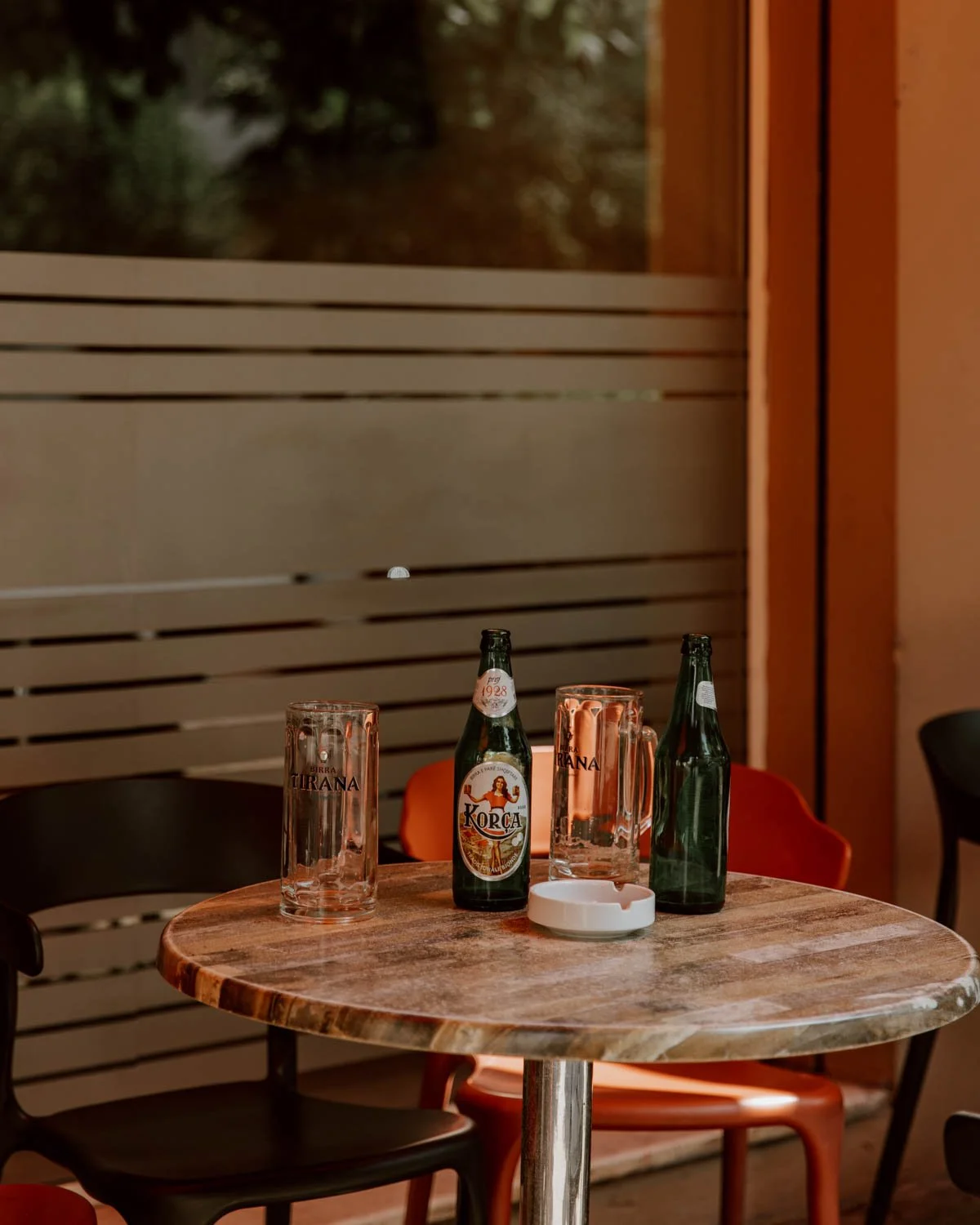
It's No Longer That 'Cheap' Destination You Heard About
Here at Along Dusty Roads, we’ve travelled Latin America for two years on a budget of £15 each per day, so we know a thing or two about making our money stretch.
However, we hate to use the word 'cheap' when talking about a place - we even got interviewed about it. It’s a relative and subjective term, both amongst travellers and between locals versus visitors, and we try to focus on affordability or value instead.
Albania has ceaselessly been promoted and talked about in the last five or so years as a ‘cheap’ holiday destination, or the budget alternative to the Greek islands. Whenever we mention our trip there, it’s usually the first question or statement.
We have zero issues with choosing somewhere that suits budget or allows you to do more for less, but the issue with this framing is it:
reduces the appeal of Albania down to costs
sets unrealistic expectations about what travellers are going to find when they get there
Albania isn’t a budget version of Corfu or Crete - it’s a country with its own character, appeal, culture and complexities, and it is still adjust to the demands and realibities of mass-market tourism. The ‘cheap’ narrative also tends to ignore the ways prices have been steadily climbing in the most popular areas.
For example, we spent £2,500 between us for two weeks (not including flights). Whilst on the face of it, this may seem pretty reasonable for a fortnight in peak Euro summer, we mainly ate in affordable restaurants, stayed in guesthouses and hostels, only paid for one beach club and didn’t drink that much.
Car rental was the most expensive element, coming in a around £1000 for the two weeks.
If we’d chosen to eat in more high-end restaurants, stay in newer, fancier hotels and made every beach day a beach club day, our costs would have increased significantly.
So, although your money and travel budget will absolutely go further than certain destinations in Greece, Croatia, and Italy, some costs are comparable and sometimes even more. Value can still absolutely be found for many things, but we just want to set your expectations to the situation in the 2020s, not 2010s.
The rule of supply and demand will also see prices only go one way in the short term until capacity catches up.
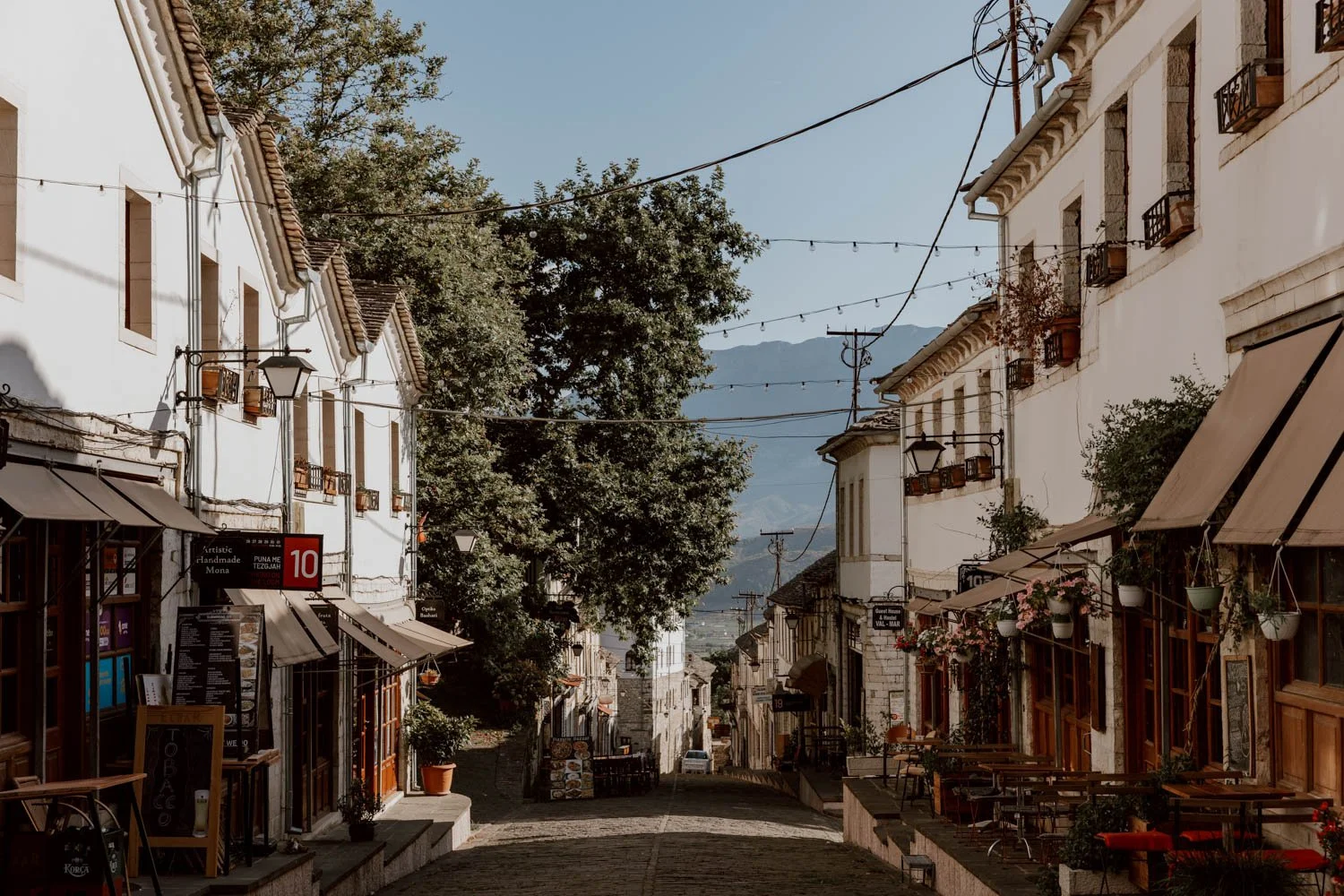
The Rise & Fall of the Hermit Kingdom
Albania’s 20th century history is one of occupation, dramatic isolation, and ideological paranoia.
After centuries under Ottoman-imposed rule, the country declared independence in 1912. In the 1930s, it was first occupied by Fascist Italy, then Nazi Germany during World War Two. By 1944, a Communist resistance movement led by one-time teacher Enver Hoxha had seized power, establishing a hardline Marxist-Leninist regime that would soon become one of the most secretive states in the world.
In the Cold War decades that followed, an independent Albania managed to fall out with virtually all of its ideological allies. It severed ties with neighbouring Yugoslavia in 1948, broke with the Soviet Union in the early 1960s over Khrushchev’s reforms and critique of Stalin, and eventually abandoned its alliance with Maoist China.
By the late 1970s, Albania had become a pariah amongst the pariahs and a true European outlier. The sole remaining hardline Stalinist state, religion was outlawed, churches and mosques pulled down, private car ownership banned, dissent ruthlessly crushed, and the country bristled with over a hundred thousand concrete bunkers built to defend against invasions that never came.
Under the Hoxha’s dogmatic orthodoxy and separation branded as self-sufficiency, most Albanians lived their entire lives without leaving the country or meeting a foreigner.
It really is remarkable to think that all of this occurred just across the Adriatic from Italy and on a land border with Greece.
Following Hoxha’s death in 1985 and the disintegration of the Soviet Union, the regime clung on longer than most. After the first multi-party elections in decades, the rebranded Communist Party actually held onto power in 1991, but widespread unrest, strikes, an exodus of 300,000 to 400,000 citizens to elsewhere in Europe, and the country’s near-total economic collapse soon forced change. By 1992, the opposition Democratic Party had taken control, marking the end of decades of what was - effectively - North Korea on the Mediterranean.
If you’ve ever seen a certain glory-era episode of The Simpson’s, the character of Idil hopefully makes more sense now.
This unique 20th century story of occupation, ruthless isolation, ideological purity, and mass exodus did more than impoverish Albania and scatter its people; it laid the groundwork for the shadow economies and stereotypes more readily associates with the country today. Albanian criminal organisations are notorious and have emerged as a significant player in Europe’s organised crime landscape, now effectively running the drug and trafficking trades.
As a sign of how much things can change, it’s this reputation - rather than the Hoxha’s hermit kingdom - which shapes many an outsider’s perceptions of the country.
Travel Tip // To learn more about the realities of Albania’s tumultuous past, we highly recommend grabbing a copy of Free by Lea Ypi. One of us read it on our road trip, and it was a much lighter, artful, and enjoyable book than expected. The other book we recommend is Mud & Honey.
For this looking to better understand this period when you’re in Albania, we highly recommend visiting the House of Leaves in Tirana and The Site of Witness + Memory in Shkodër.
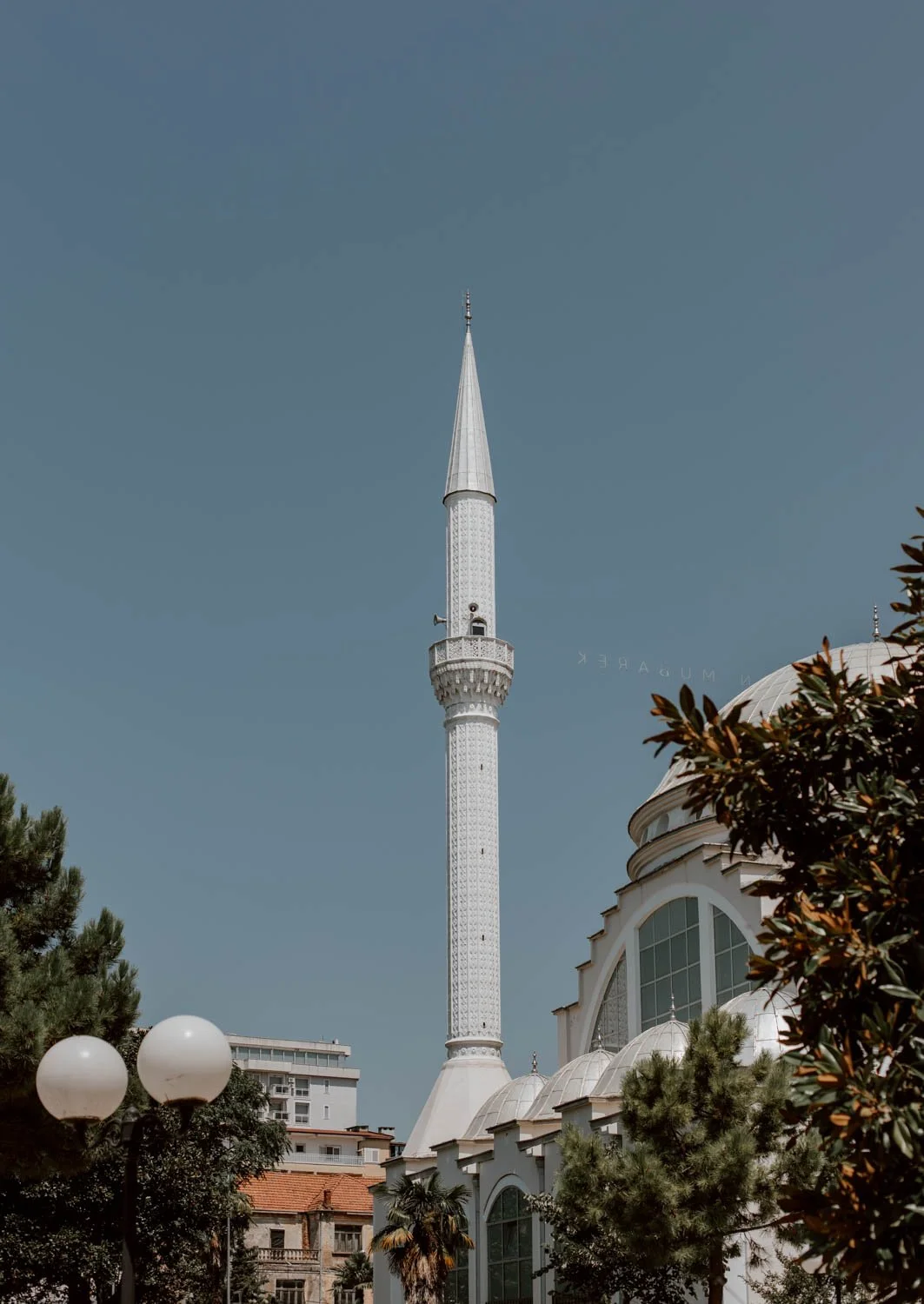
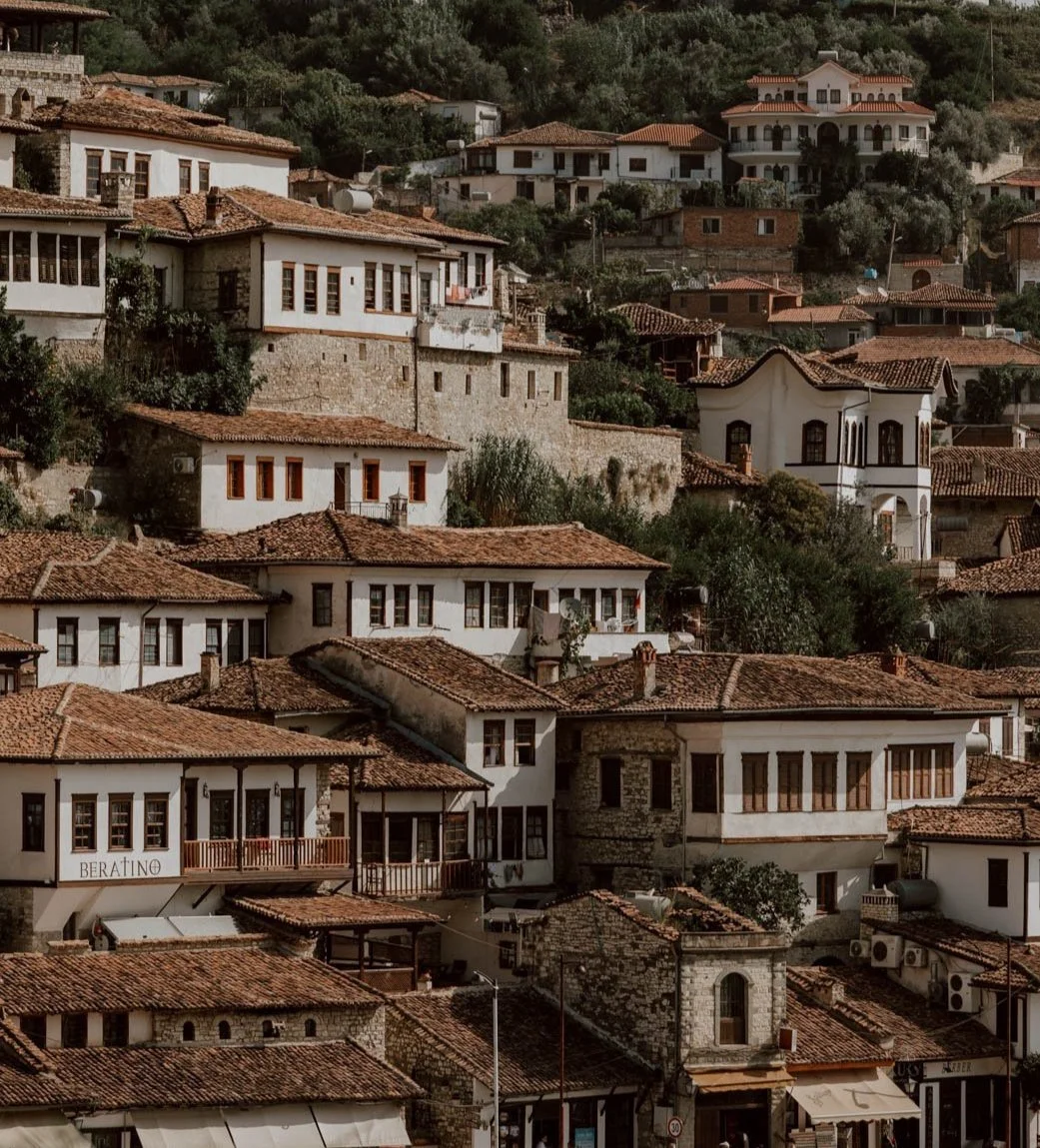
Getting Around With Buses & Furgons
Backpackers and slow travellers can absolutely get around Albania by public transport, with a little patience and flexibility.
There’s no passenger train system in Albania, so most journeys are going to be by road with long-distance buses, taxis, rental scooters, and the country’s scrappy network of minibuses known as furgons.
A furgon is essentially a shared minibus - usually a battered Mercedes Sprinter or Ford Transit - that runs between towns and villages, filling up with passengers as it goes. They’re a fun and affordable way to get around, and have regular daily departures for key routes. However, planning can be a little challenging due to there not being a national furgon timetable, no guarantees on seat availability, and pickups/stops often informal and unclear. Locals and guesthouse owners can absolutely help point you in the right direction though, or keep an eye out for A4 schedules taped to walls and lampposts.
Basically, it’s like Latin America.
Alongside furgons, Albania has a network of modern intercity buses that link up the main tourist routes. Tirana is the main hub, with frequent departures to Shkodër (2 hours), Berat (3 hours), Gjirokastër (4 hours), and to the coast, but you don’t always have to connect via Tirana to go between destinations.
On the coast, there are regular services running between Sarandë, Himarë, Dhermi, and Vlorë, but departures are usually limited to once or twice a day in each direction, typically in the morning. No single coastal bus runs the whole length of the Albanian Riviera.
Where relying on public transport becomes more of a challenge is if you’re based in or hoping to visit the more remote beaches like Gjipe, Jale, or Borsh on day trips. There are no direct buses to the beaches - only to the nearest village on the main coastal road, from where you’ll need to walk, hitchhike, or arrange a lift. In some cases, you’ll also have to connect via Sarandë or Vlorë to reach other Riviera towns, adding several hours and making spontaneous detours awkward.
All of this absolutely feasible, but the main drawback is that reliable online schedules, route information, and reservations are still a bit rough around the edges for Albania’s buses, so advance planning an itinerary shaped around public transport can require more time than you’d like.
HOWEVER, last year the government launched a potential game-changer for independent travellers. Their website eTransport.al is offers a way to plan and book all major long-distance buses and some furgons across Albania. While it’s far from perfect - it’s slow, quite buggy, and and not all routes and companies are on it - it does offer a more reliable first stop when trying to get around by public transport.
Travel Tip // Uber is illegal in Albania, but there are now a few similar local alternatives: Patoko and Clust.
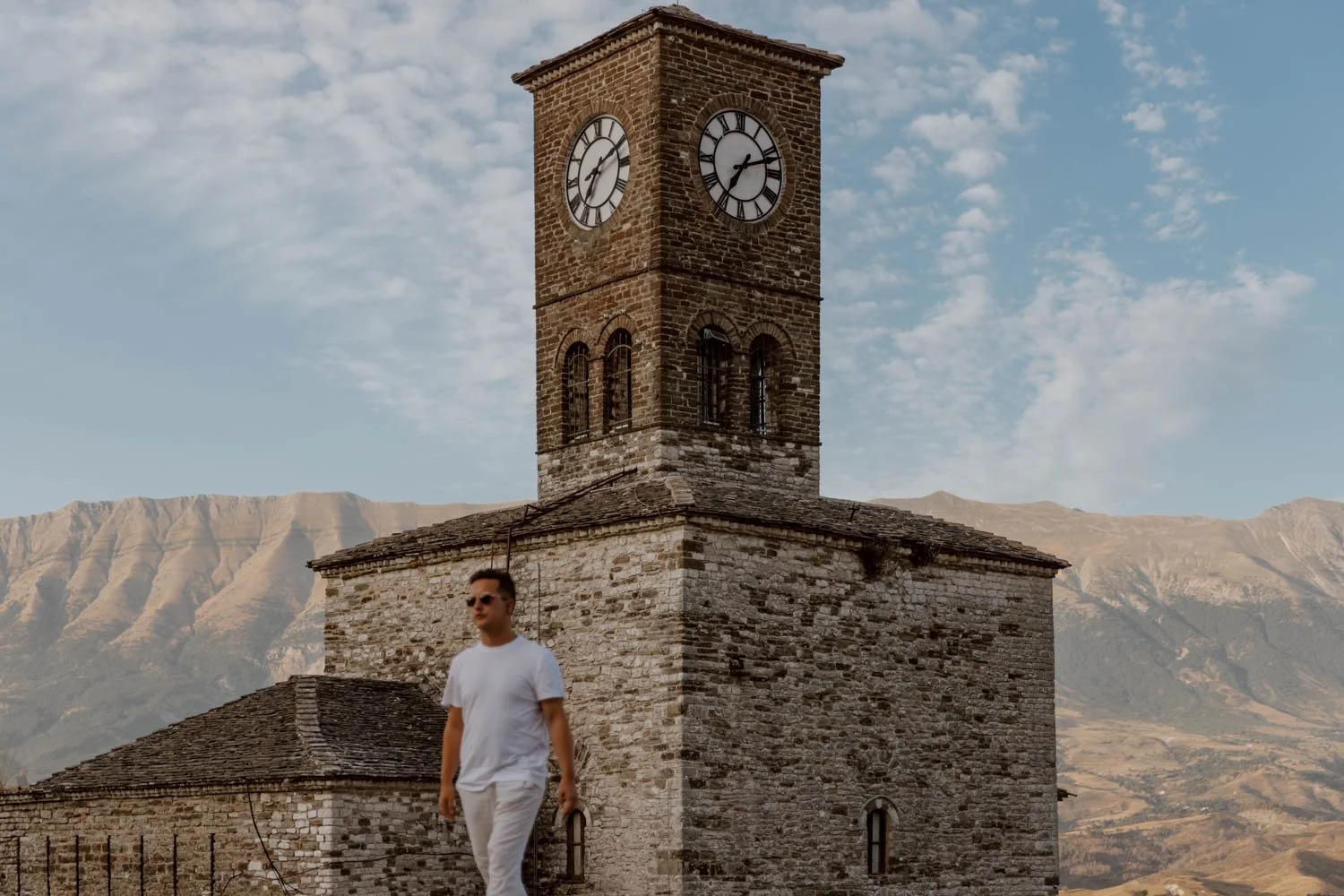
It’s Made For A Road Trip
All our research into the buses and furgons made us think a road trip was the only way we’d be able to do everything we wanted to do in the time we had.
We also really love a road trip.
From a practical perspective, it opened up several hard-to-reach areas of the coast, whilst the independence to go to our own schedule meant the final two-week itinerary could be slow, meaningful, and flexible.
If you want to see the north and the south - or go deeper into the coast and cultural towns - then renting your own wheels is the ideal way to stitch it all together and escape any peak season crowds.
However, we know that driving in Albania may be something you’re concerned about doing.
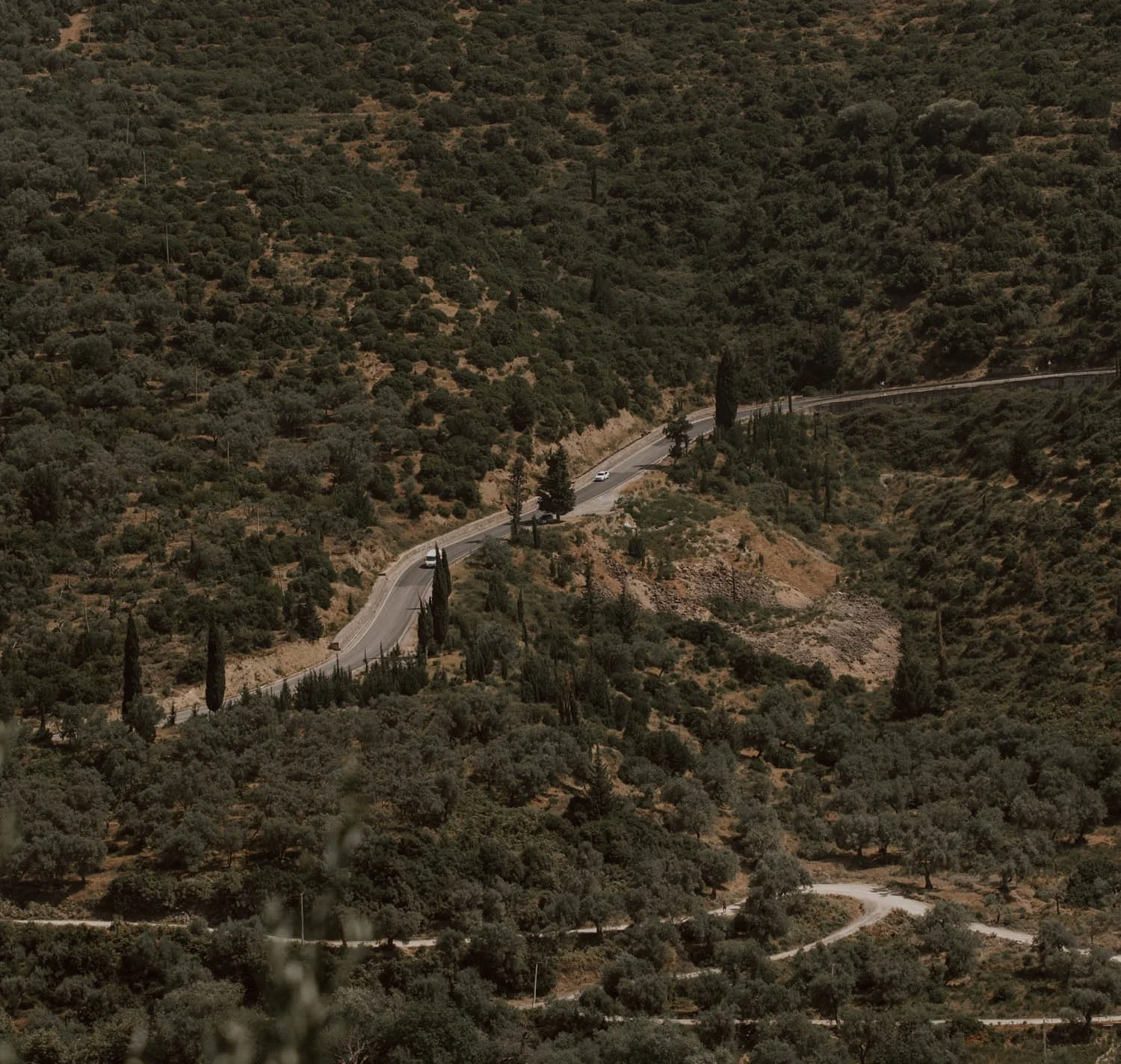
Across our two weeks, we negotiated hairpin switchbacks and mountain passes, narrow one-way roads with no passing places, dusty beach downhills, congestion, log-jams, young guys speeding in Porsches, hazard lights, potential police stops, and a daily parade of goats, sheep, and the odd obstinate cow staring us down in the middle of the road.
It’s definitely not without its challenges and idiosyncrasies - and we’d actually caution against nervous or inexperienced drivers tackling it for their first ever road trip abroad.
Know | Popular with locals and visitors, camper vans are also great way to travel across Albania, with a growing number of informal spots and official campsites along the Riviera and in the mountains, and even one in Gjirokaster.
Wild camping is technically legal in Albania, and you’ll often find tents pitched on remote beaches. It’s generally tolerated, provided you’re respectful, avoid private land without permission, and leave not trace.
Plan | We’ve written a whole article on the first-time experience of driving in Albania. Covering costs, logistics, mistakes, and cultural quirks, we hope it will enable you to make the right decision on whether renting a car in Albania is the right choice for your trip! And, if you ever find out why they’re selling those CDs on the roadside, please let us know in the comments.
Travel Tip // We picked up and dropped off at Tirana Airport, and recommend looking + booking your car hire in Albania via two aggregators that we use for all our road trips: Rentalcars.com and AutoEurope. They’re usually cheaper than going direct, and it’s a good idea to check prices and availability on both to make sure you’re getting the best deal possible.
For more money-saving and stress-reducing hacks, check out 9 Essential Car Rental Tips for Travellers.
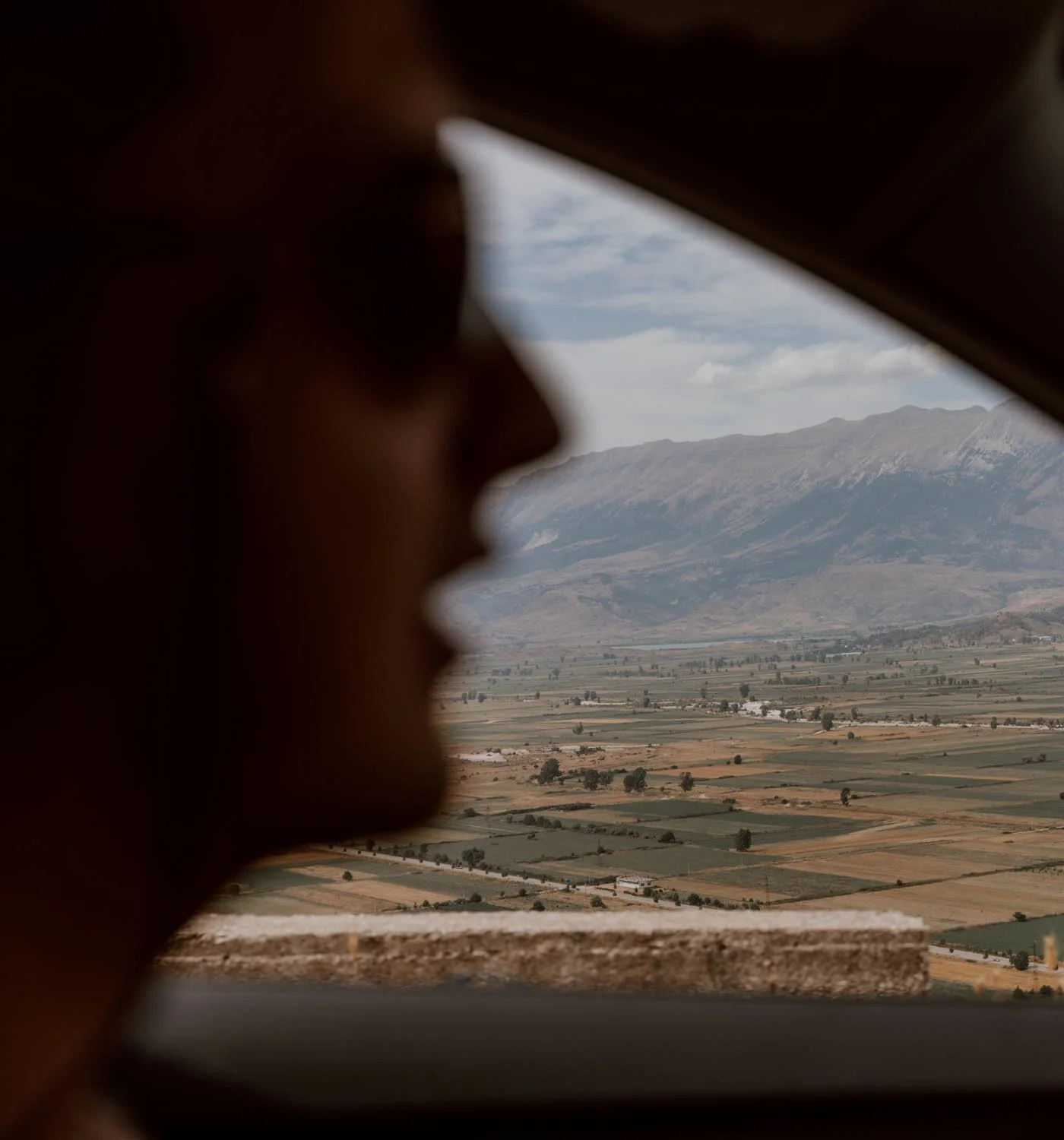
How Long Do You Need for Albania?
We had two weeks for our road trip, which let us cover a lot of ground at a reasonable pace.
If you’re purely after a beach break on the Riviera, you could happily fill a week but we think you’d need at least 10 days to meaningfully cover a good mix of Albania’s coast, capital, and cultural towns without having to rush.
Tempted by the glorious hiking opportunities in the north? You’'ll almost certainly need two or three days in addition.
Slow travellers could comfortably spend two to three weeks here at a relaxed pace, giving them more scope for hiking and the interior.
The big questions you’ll need to settle before planning your route are:
Are you spending time in Tirana, or using it purely as a transit hub?
Are you heading north to the mountains? The Albanian Alps are stunning, but the travel days, logistics, and hiking itineraries will easily add 2–3 extra days to your plan - especially if you’re doing the Valbonë to Theth hike.
Are you road-tripping or relying on public transport? The latter works for the main towns and Riviera stops, but adds hours and limits spontaneity. Road trippers have far more freedom to reach remote beaches, mountain routes, and travel a little quicker overall.
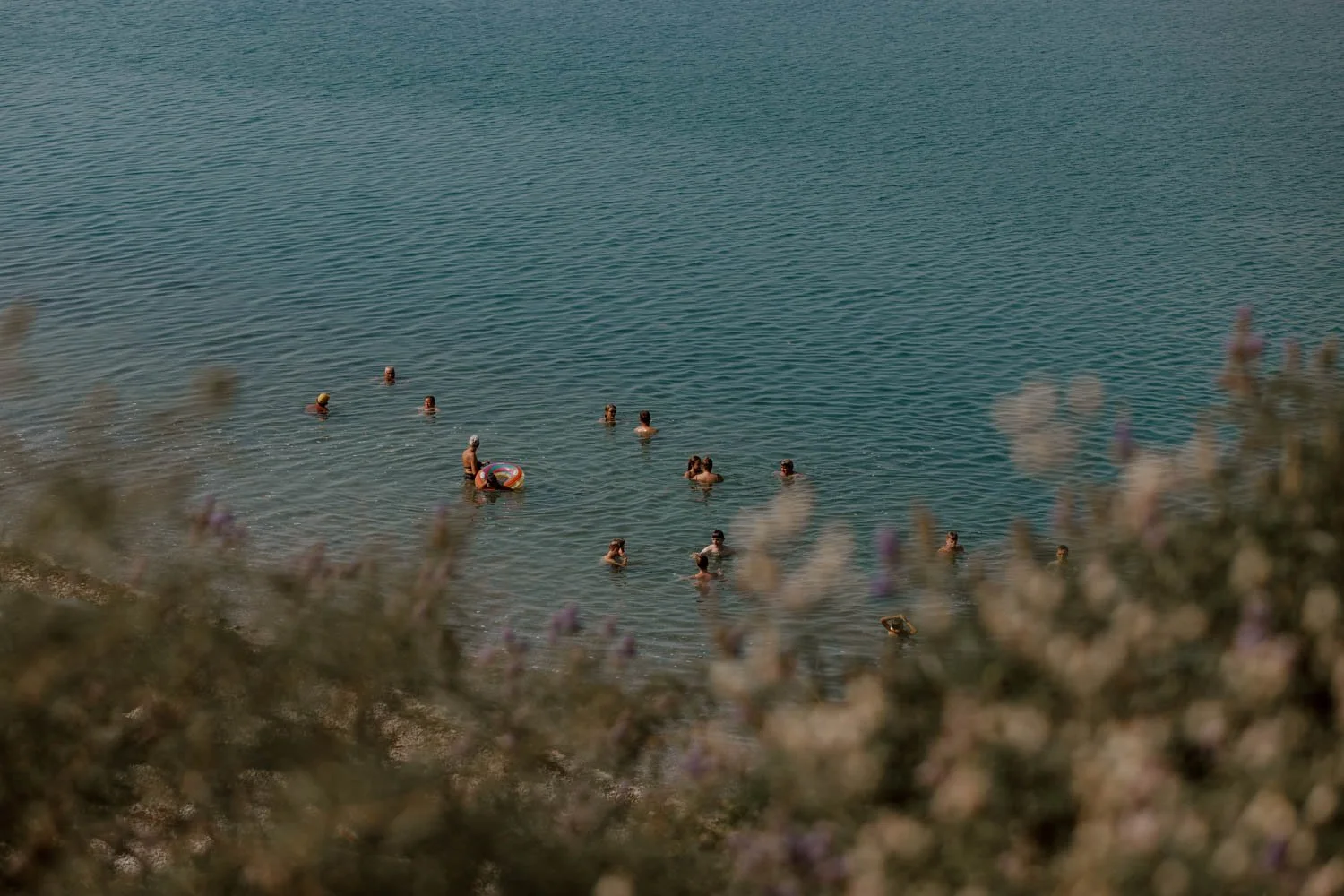
Understand How Beach Clubs & Sunbeds Work
If you’re a veteran of a few Italian summers, then you’ll be very familiar with the most divisive and important feature of the Albanian coastline.
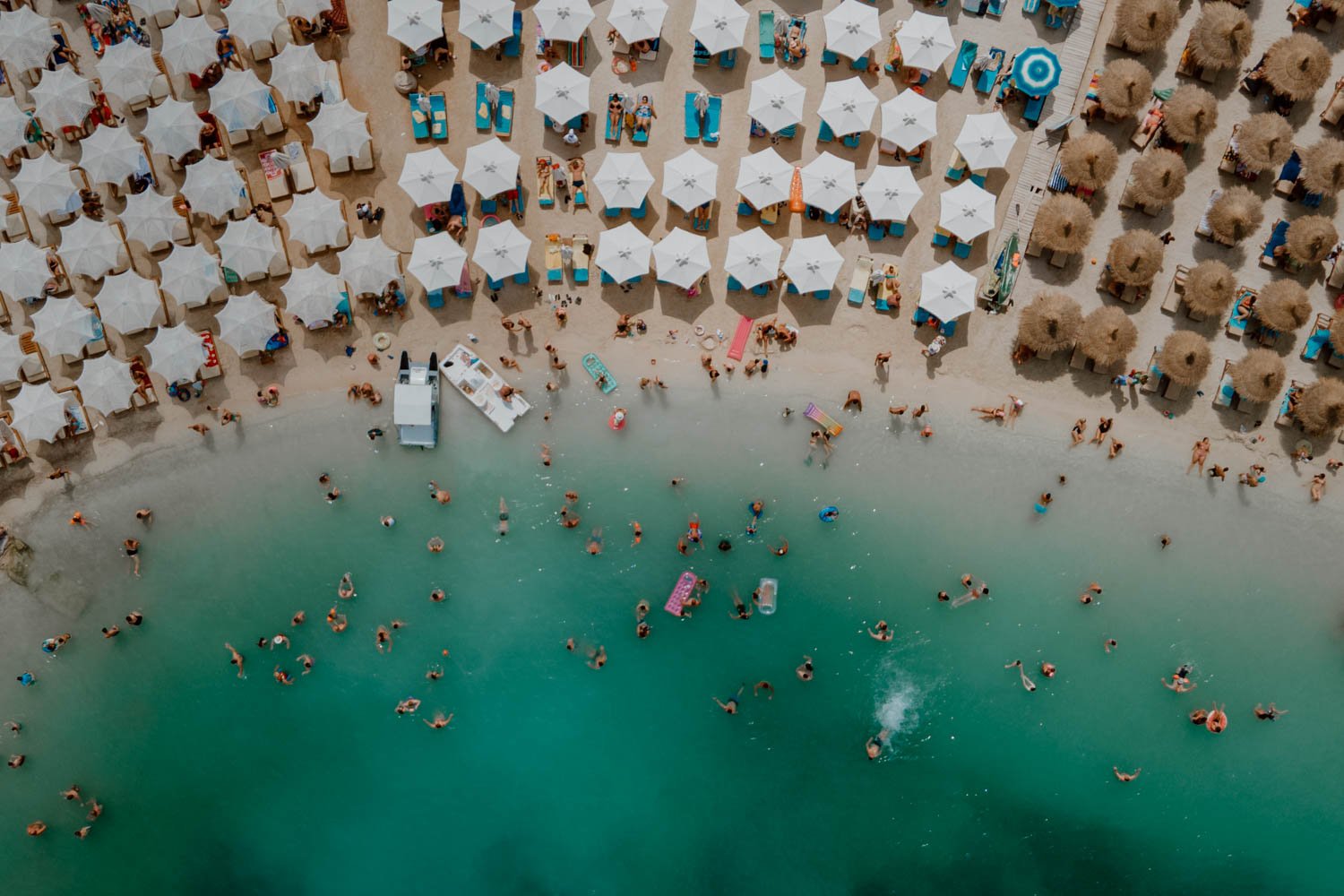
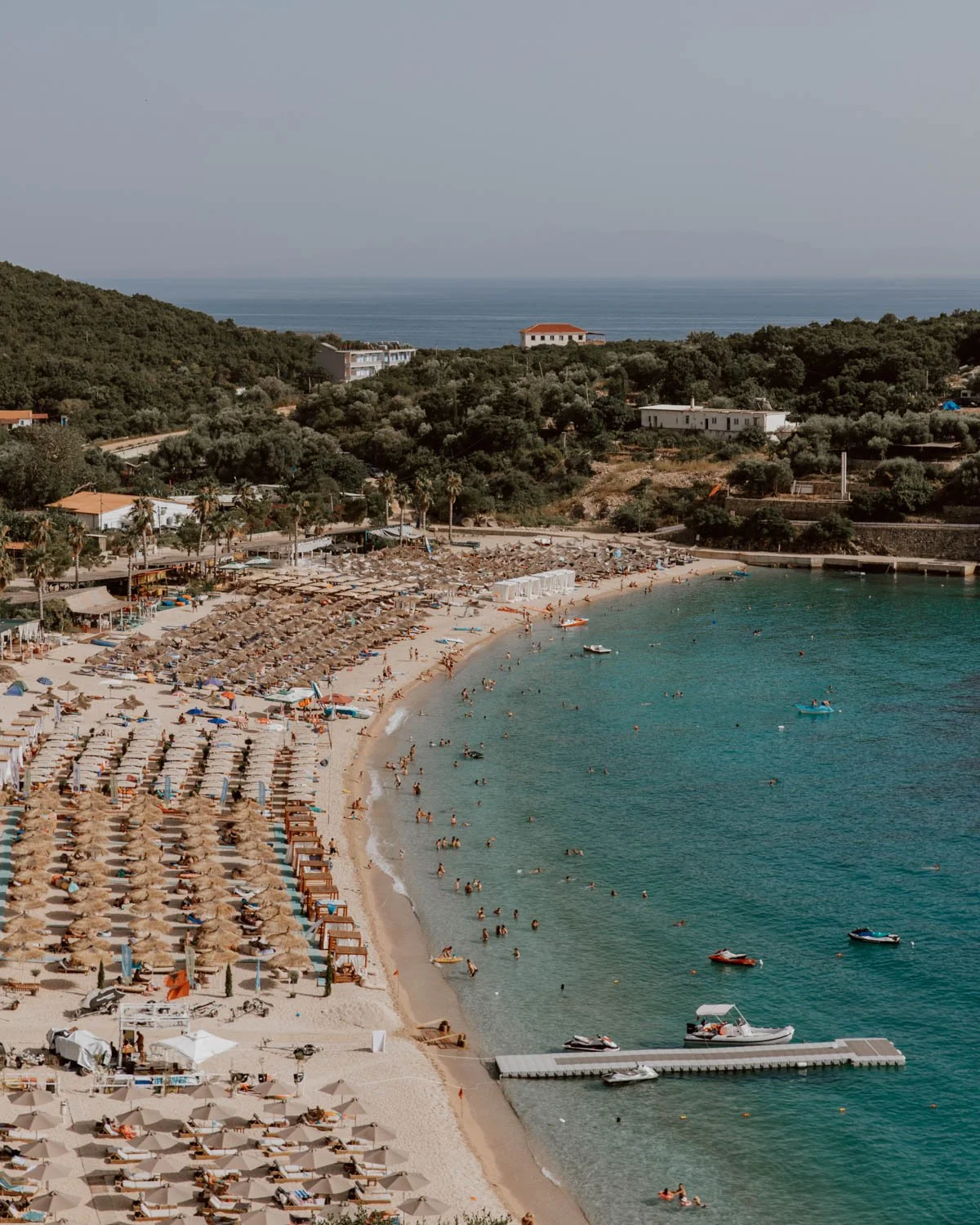
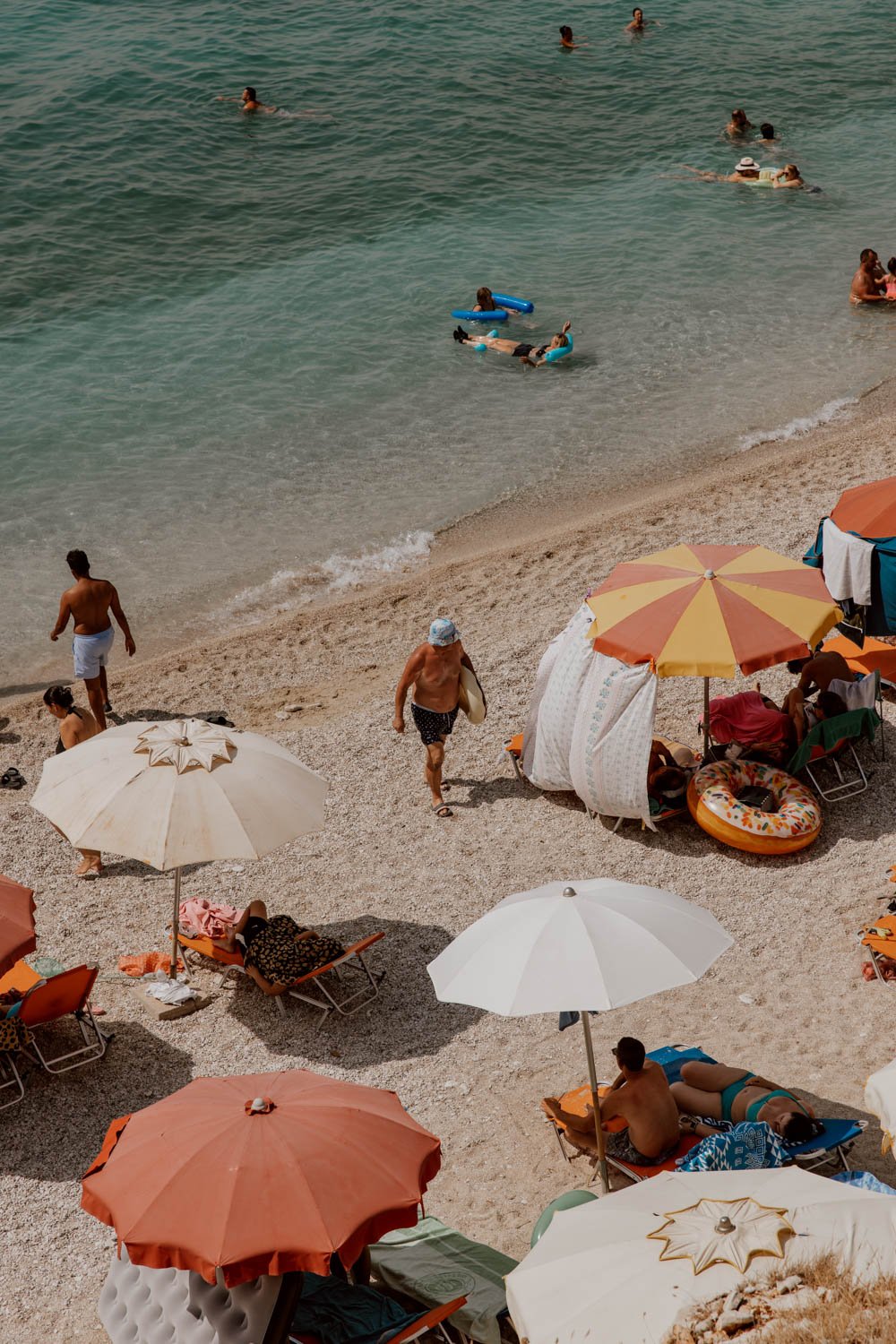
Rows of tightly packed sun-loungers paired with bright, colourful umbrellas, all laid out with hypnotically perfect precision and repetition - that's a beach club, and they are very common in Albania.
They’re a much-valued and intrinsic part of beach culture on both sides of the Adriatic, but take some getting used to for those who prefer to lay their towel down for free on the sand.
Private businesses, you have pay for the umbrella and sun beds in order to enter that area of beach and enjoy their facilities. There's often a restaurant or bar attached, service, and you’re usually not permitted to bring in your own food + drink.
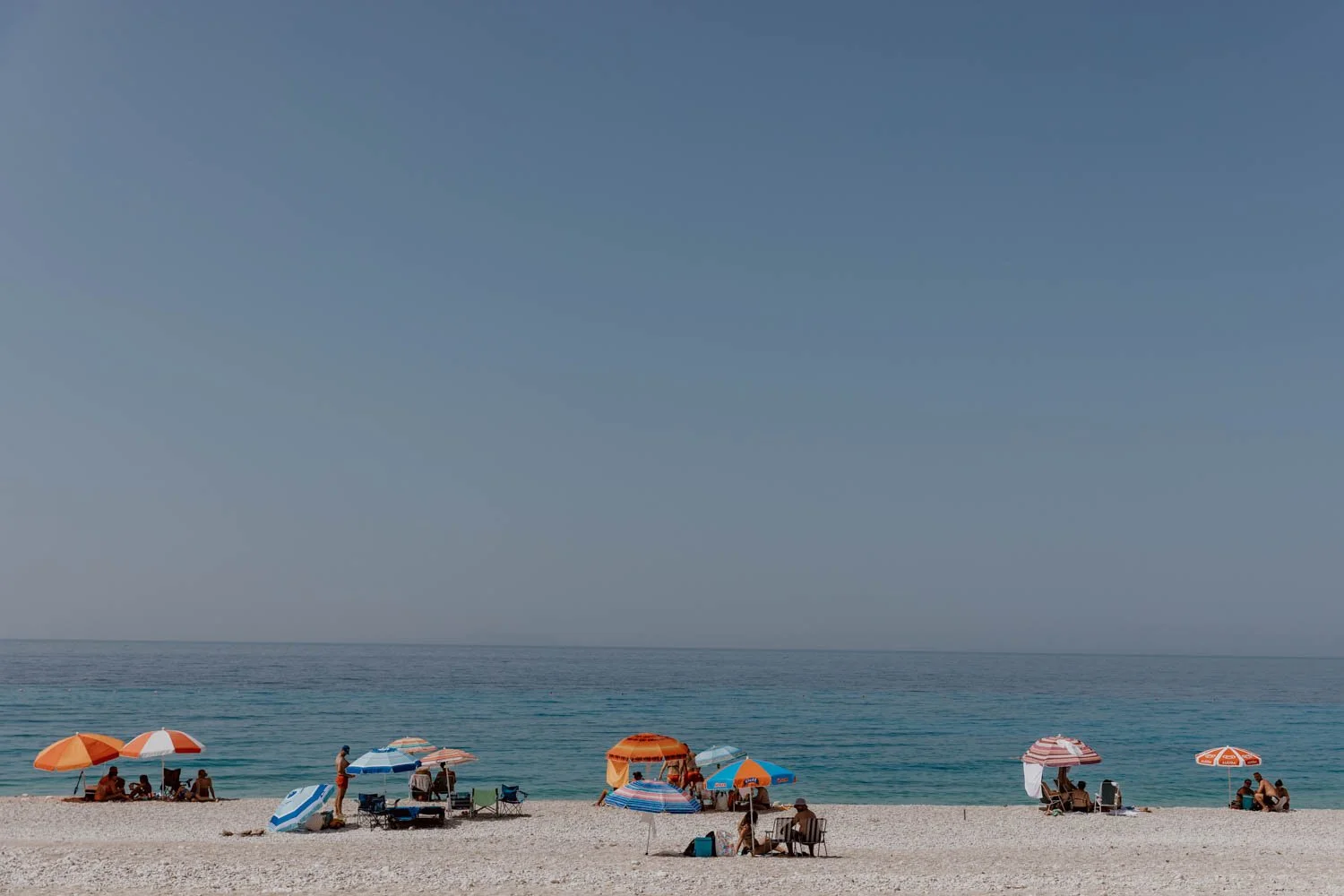
They are sometimes very basic, affordable, and only cover a small section of a beach, but in some of Albania's best beaches they dominate the space available and cost more than you'd expect; in our July trip, you could find a few for €10 - €15 but €20 - 35 was more common. At some of the fancier beach clubs in Ksamil, you’re talking €50 for two beds in the best spot and up to €120 for their VIP option!
(that’s not a typo - and any drinks and food consumed are charged in addition)
As we've written in the 'The Art of The Italian Lido', it took us a few years to get used to beach clubs and understand the benefits they have; when you're looking for comfortable full day out at the beach with facilities and service, they're actually great.
However, in Albania, their coverage on some popular beaches is far too dense and widespread, to the extent that little to no free, public sections remain for those preferring to just lay their towel down somewhere - and it can be a real challenge to find where that is.
Thankfully, there are plenty beaches where this isn’t an issue at all but, to be on the safe side, you should expect to use and pay for a beach club at least one or two times.
Plan // The Best Beaches in Albania
You Can’t Drink The Tap Water in Albania
While tap water in Albania is fine for showering and brushing your teeth, it’s not safe to drink and even locals tend to stick to bottled water.
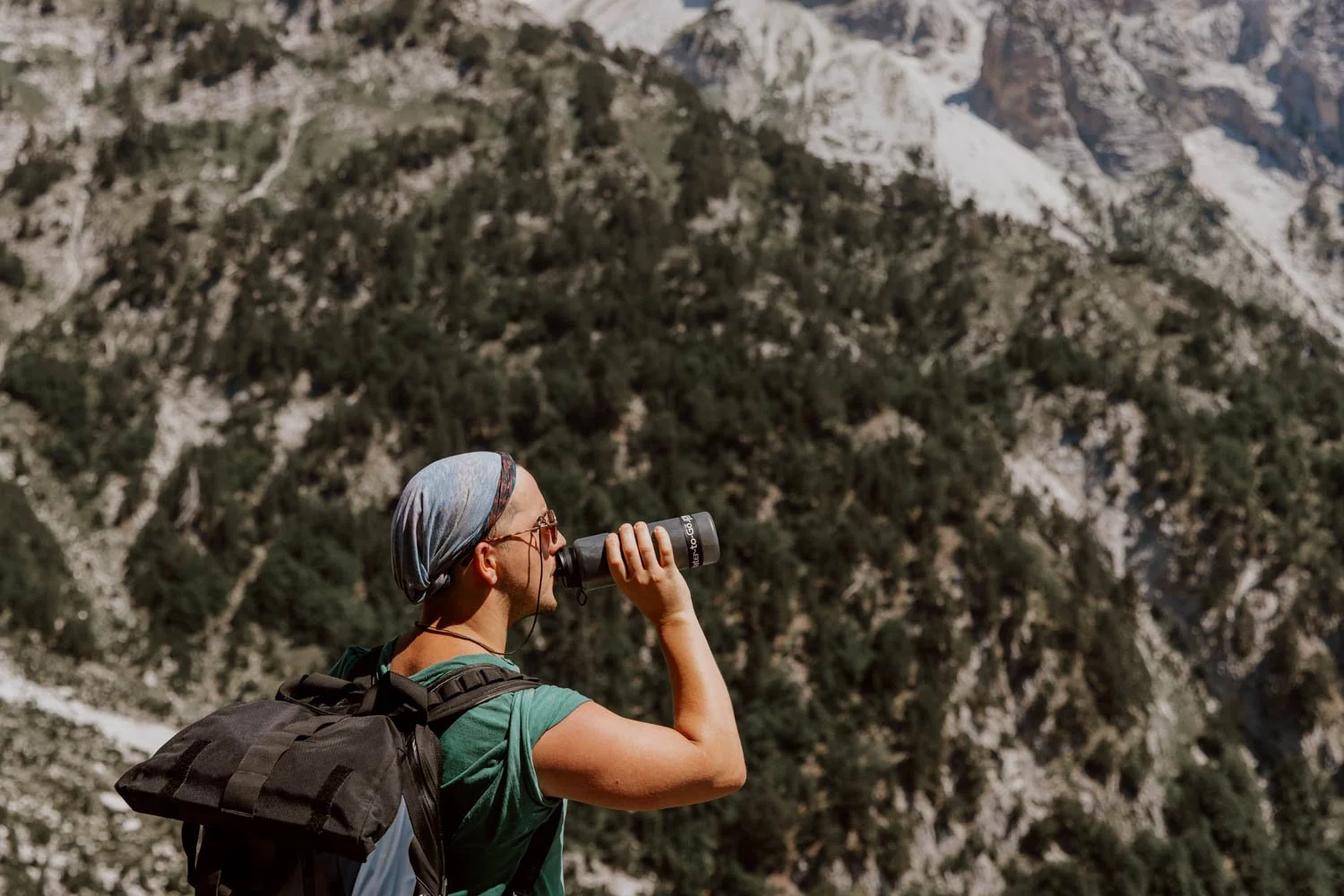
Instead of contributing to the endless parade of tourists relying single-use plastic bottles - most of which won’t be recycled - we brought our trusty Water-to-Go filter bottles.
They’ve been an essential piece of our travel kit for the last seven years, especially whe off the grid or somewhere we can’t trust the tap water. It’s got a magic built-in filter that removes 99.9999% of contaminants - bacteria, viruses, even microplastics - and it works instantly.
No boiling, no tablets, no waiting around. Just fill it up and drink. Simple.
Beyond the hydration and convenience, these have honestly saved us a fortune on bottled water while travelling, cut down massively on plastic waste.
We use and recommend the 750ml Active bottle: head to the Water-to-Go website and use the code ‘ADR15’ at checkout for 15% off, or buy one here on Amazon
Travel Tip // Due to the prices we saw, it’s a good idea to bring your preferred suncream from home to save money - just wrap it up in something in your suitcase!
Shqipëri vs. Albania
The official language is Albanian (or ‘Shqip’ locally), which uses the Roman alphabet and has a few loan words from Italian and others.
English is widely spoken by younger Albanians, often to an excellent standard, but it’s far less common with older generations. Thanks to decades of migration and cultural influence, Italian remains a useful back-up language if you get stuck - Emily was surprised to use hers so often!
A word we saw all over the place was Shqipëri (pronounced shchip-uh-REE), and it took us a ridiculous amount of time to realise it means Albania in, well erm, Albanian!
A few phrases worth knowing:
Përshëndetje (pehr-shen-det-yay) = Hello
Faleminderit (fa-le-min-DAIR-it) = Thank you
Shitet = For sale (it’s everywhere, try not to laugh)
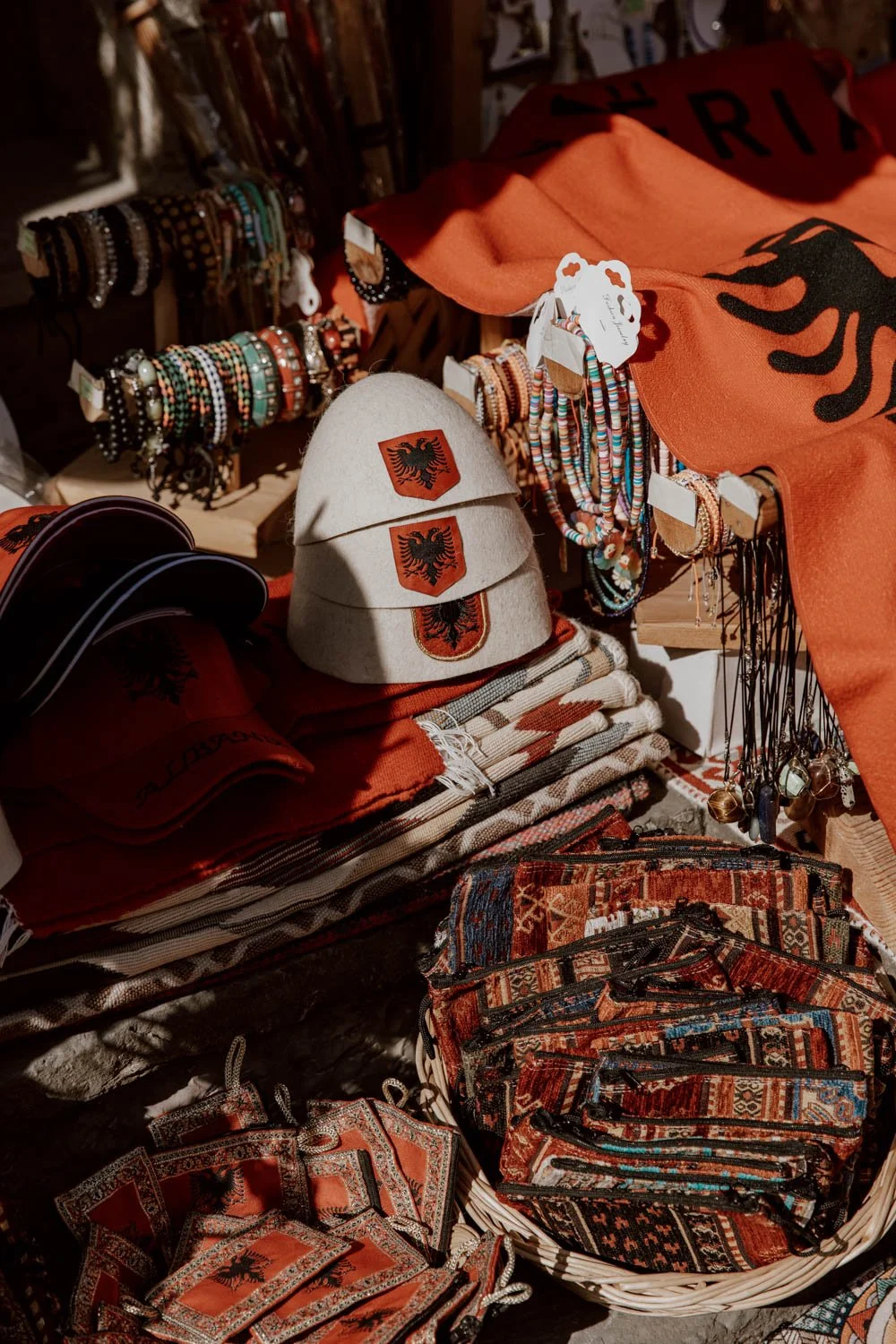
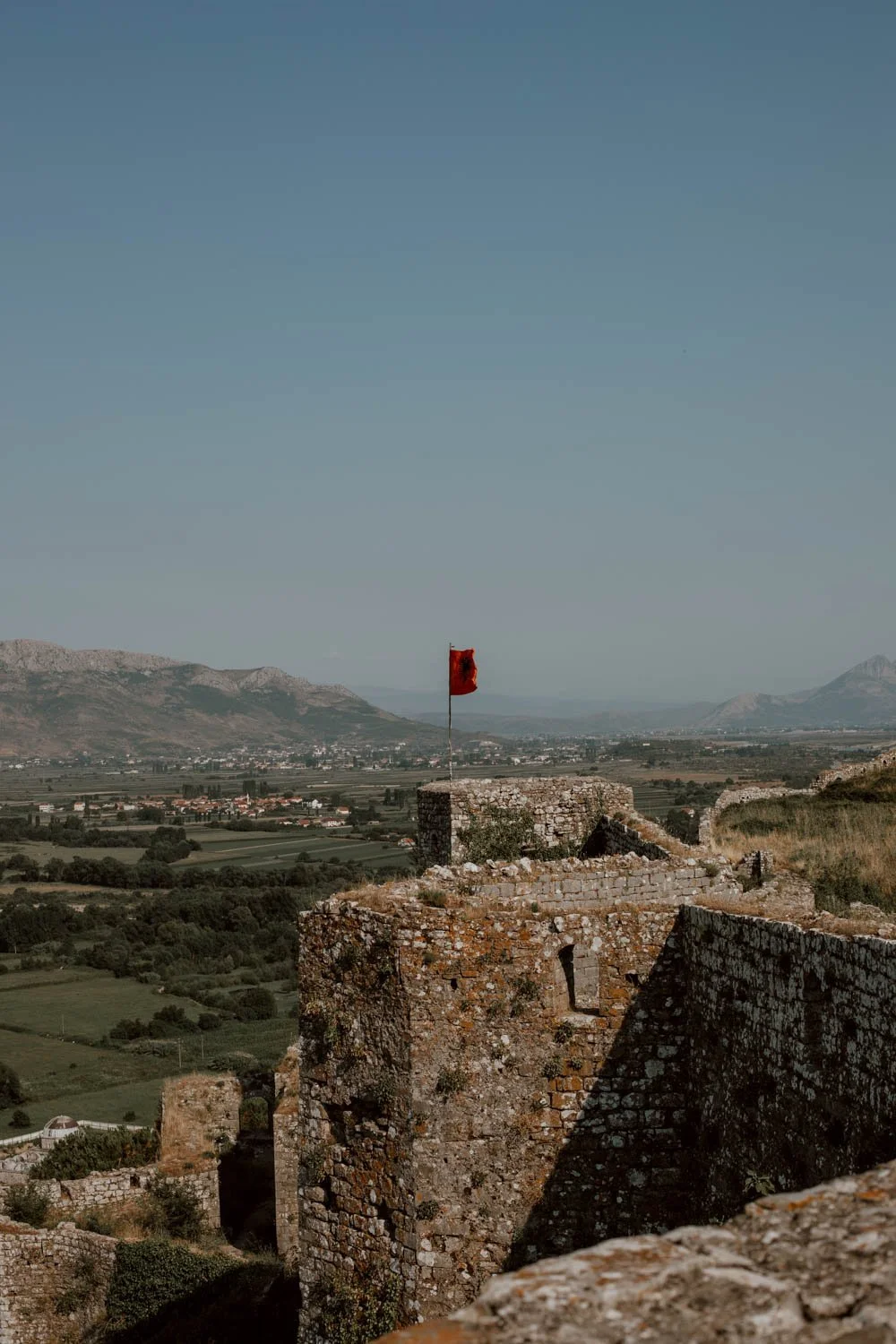
Intensely patriotic, you’ll see the red flag with its dramatic black double-headed eagle clutching everywhere, with the name Albania takes for itself often translated as ‘Land of the Eagles’. This comes from the founding folklore where a hunter saved a young eagle from a snake and, in return, the mother eagle granted him the strength and sharp eyesight of her kind, renaming him Shqiptar, or ‘son of the eagle’.
As any football fan will be aware, and you’ll see often when people are posing for photos, a double-eagle hand gesture is a symbol of identity and pride for ethnic Albanians (but isn’t without controversy).
The Guesthouses Can Be Wonderful
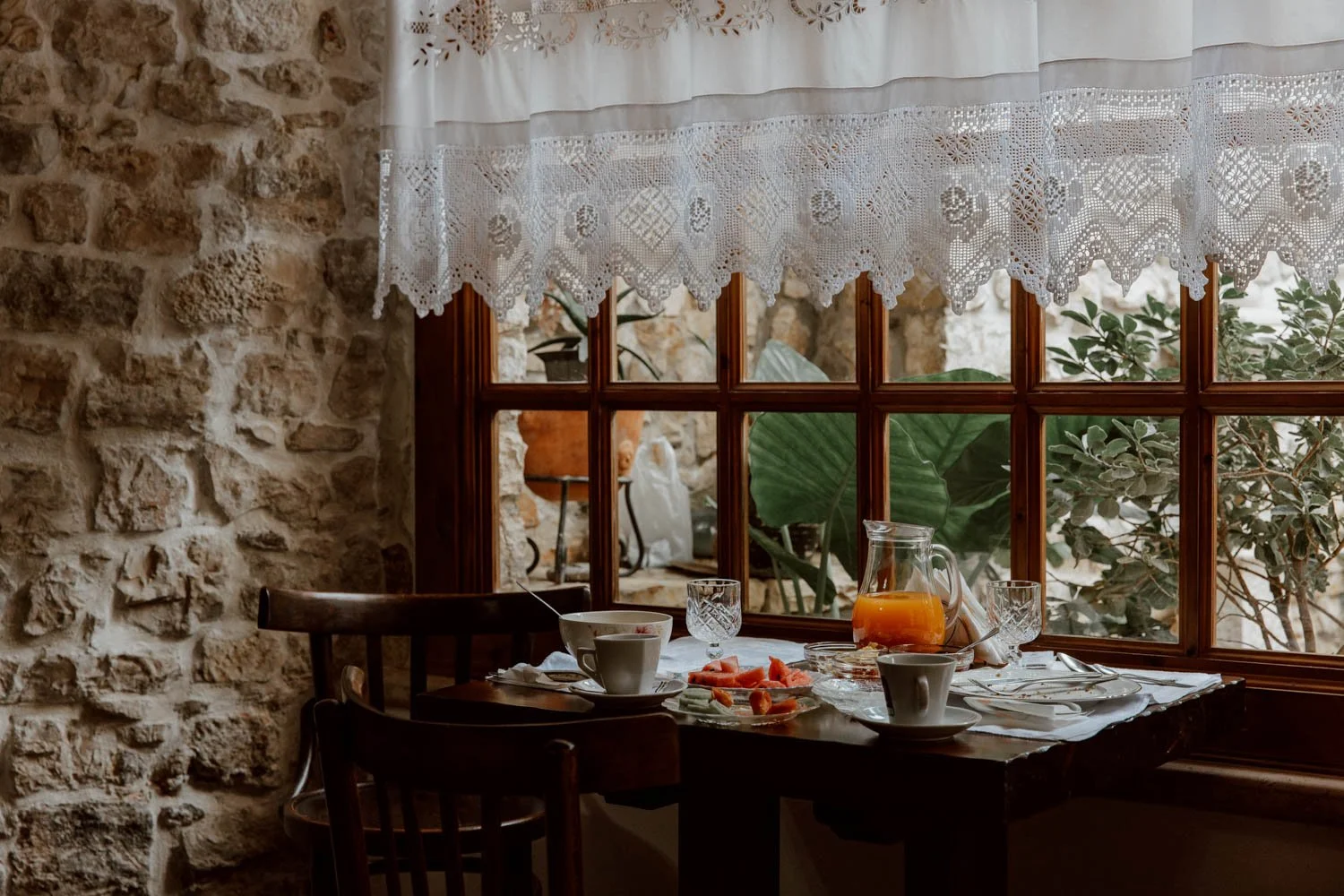
Albania’s accommodation scene is still very much rooted in family-run guesthouses, especially outside the main cities and along mountain trails.
From our own experience, we can wholly endorse prioritising staying in these over the generic, modern hotels. The hospitality - something that Albanians take to another level - was refreshingly warm, generous, and (as far as we could tell) genuine.
We still fondly recall the each typical breakfast of local cheese and honey, petulla (Albanian-style doughnuts), fresh tomatoes, and cucumbers.
Two guesthouses we loved were this one in Valbone and this one in Berat.
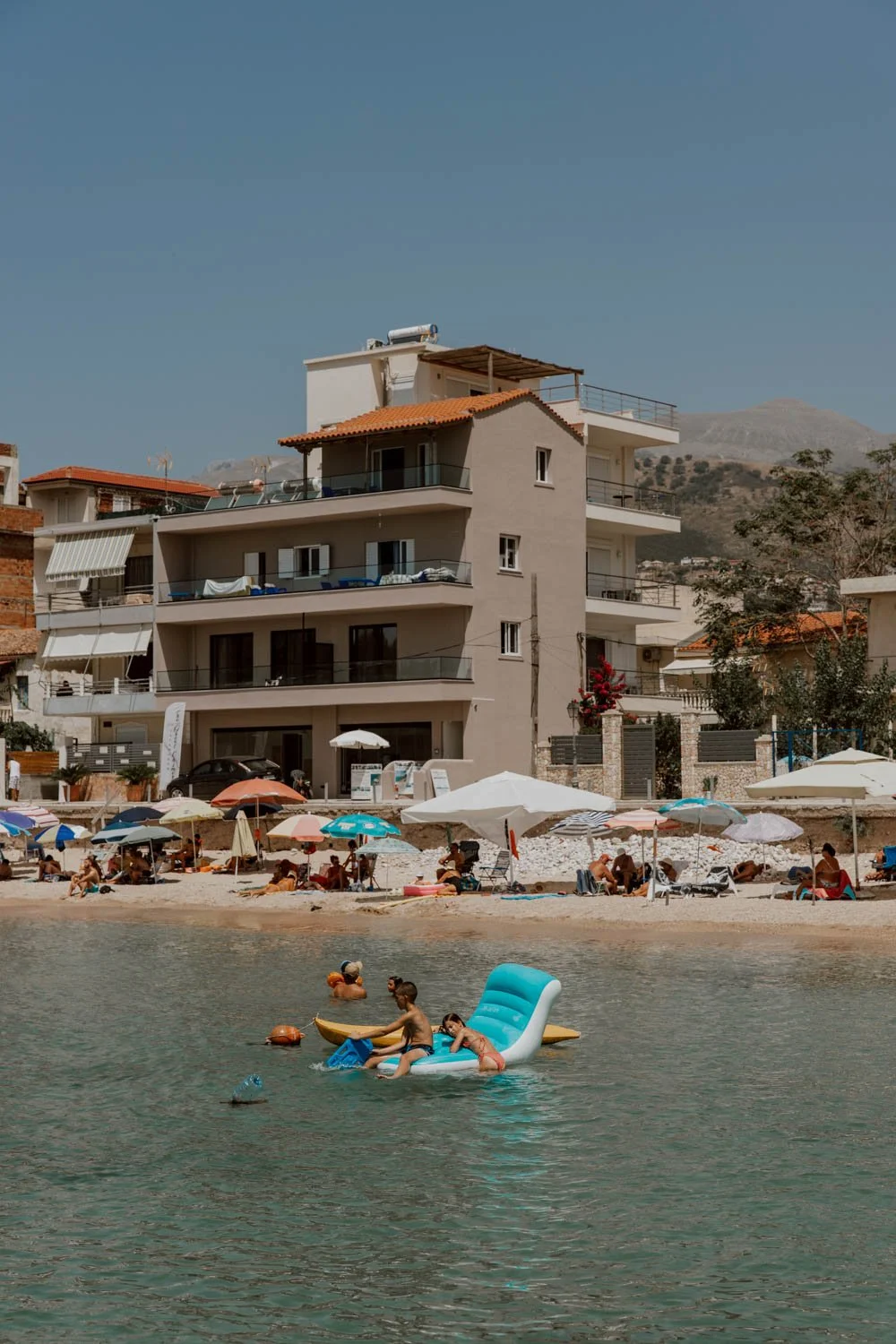
Generally speaking, some travel styles will have to adapt expectations to what accommodation’s on offer. Much is still traditional, the boutique or designer-style hotels aren’t quite here yet, international names are gradually setting up, Airbnb stock is hit-and-miss, and the flashpacker hostel scene is just emerging. Along the coast, especially near the beaches, you’ll find a growing number of modern apartment and hotel complexes of varying quality and appeal, with more under construction every year.
Overall, there’s a decent range for all budgets, meaning you’ll be able to find something to suit your style without breaking the bank, and it’s a good idea to stay in at least a couple of guesthouses alongside whatever else you opt for.
Tip // Always remove your shoes at the door: it’s a common custom in Albanian homes and guesthouses for which visitors should be prepared. Also, this is another country where you have to put your toilet paper in the bin.
Go Beyond The Beaches, Bunkers & Bad Guys
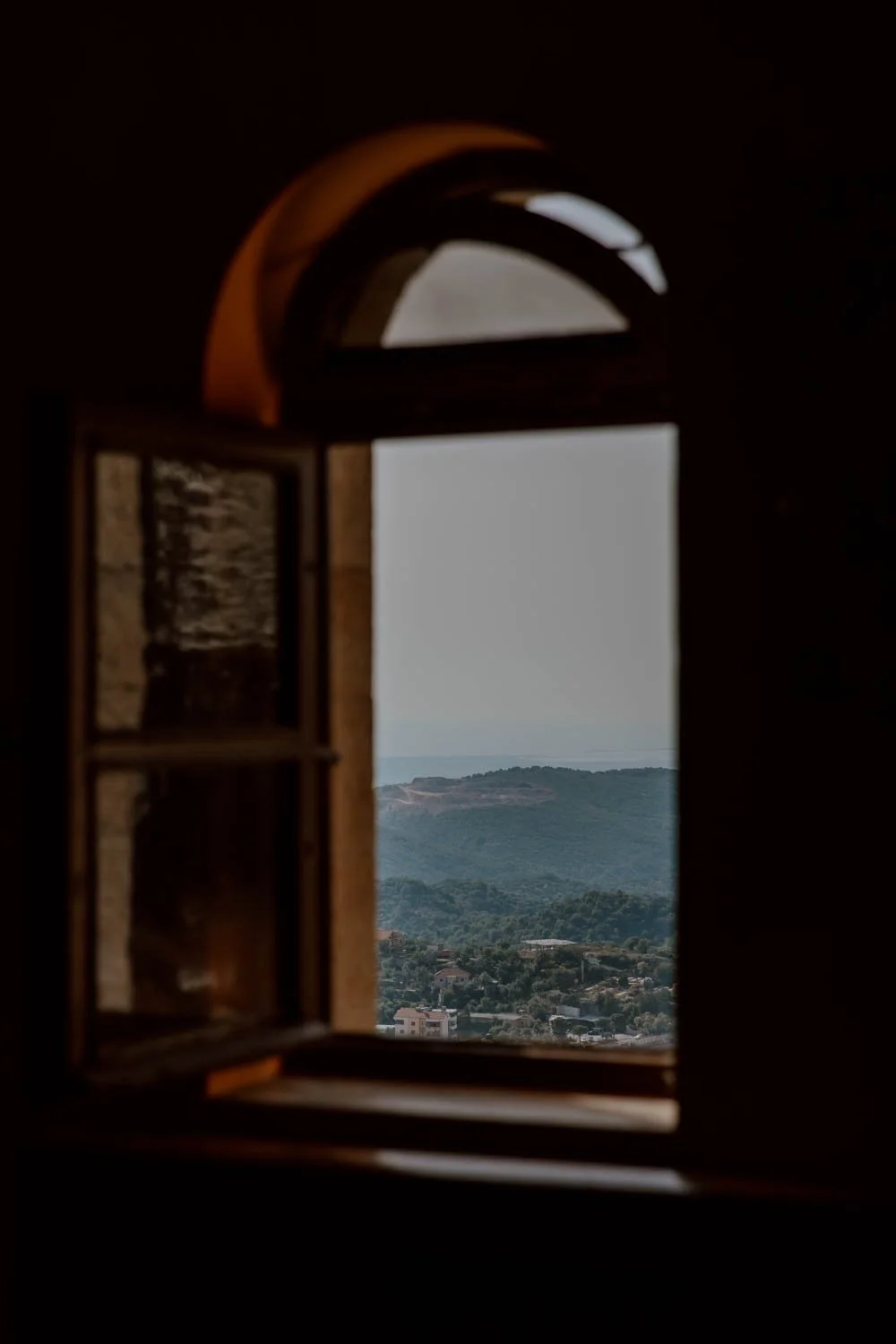
Yes, Albania has remarkable beaches. And yes, its Cold War past is a fascinating period to learn more about. But to stop there would be to miss the far richer story this country tells through its historic towns, architecture, and overlapping layers of history.
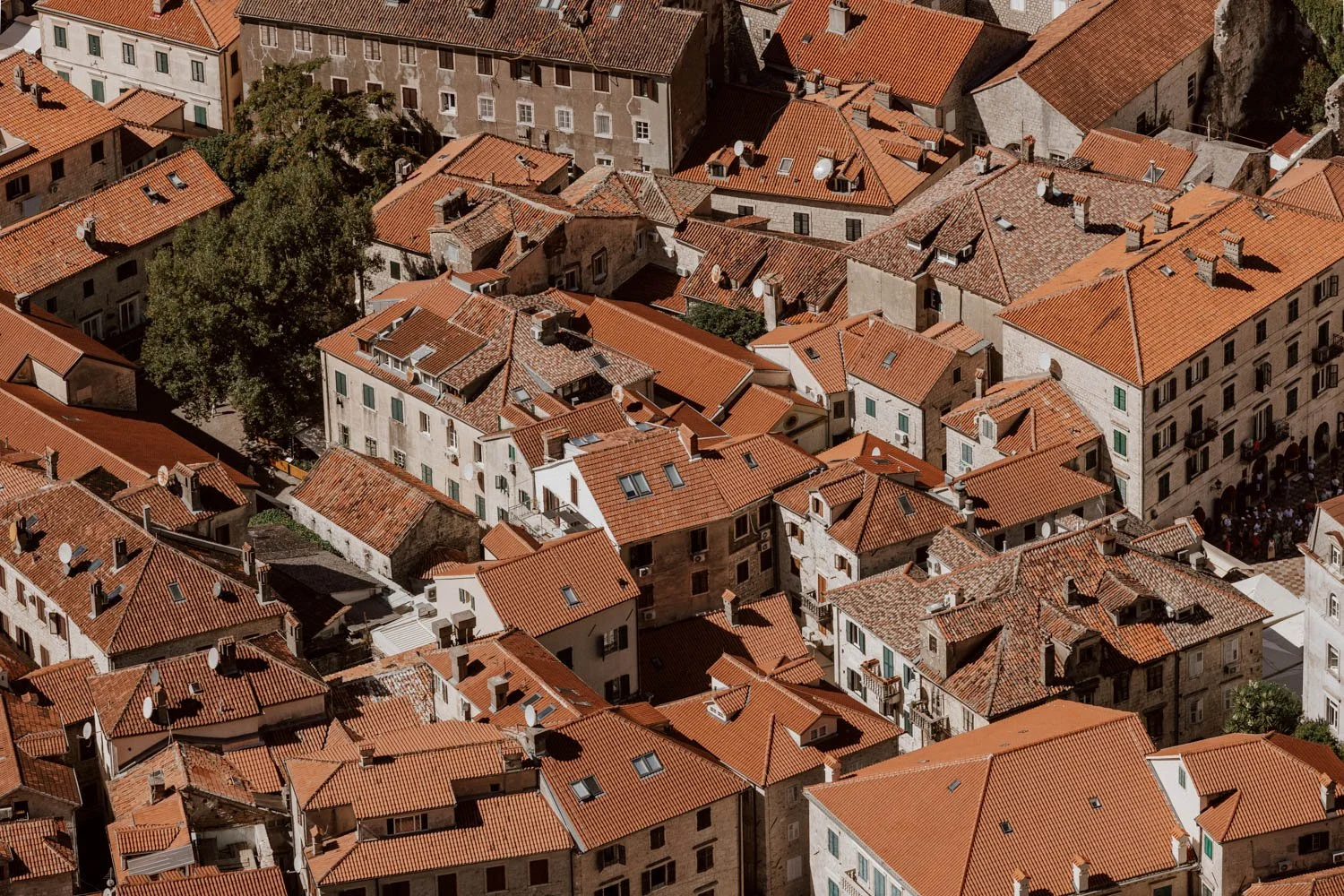
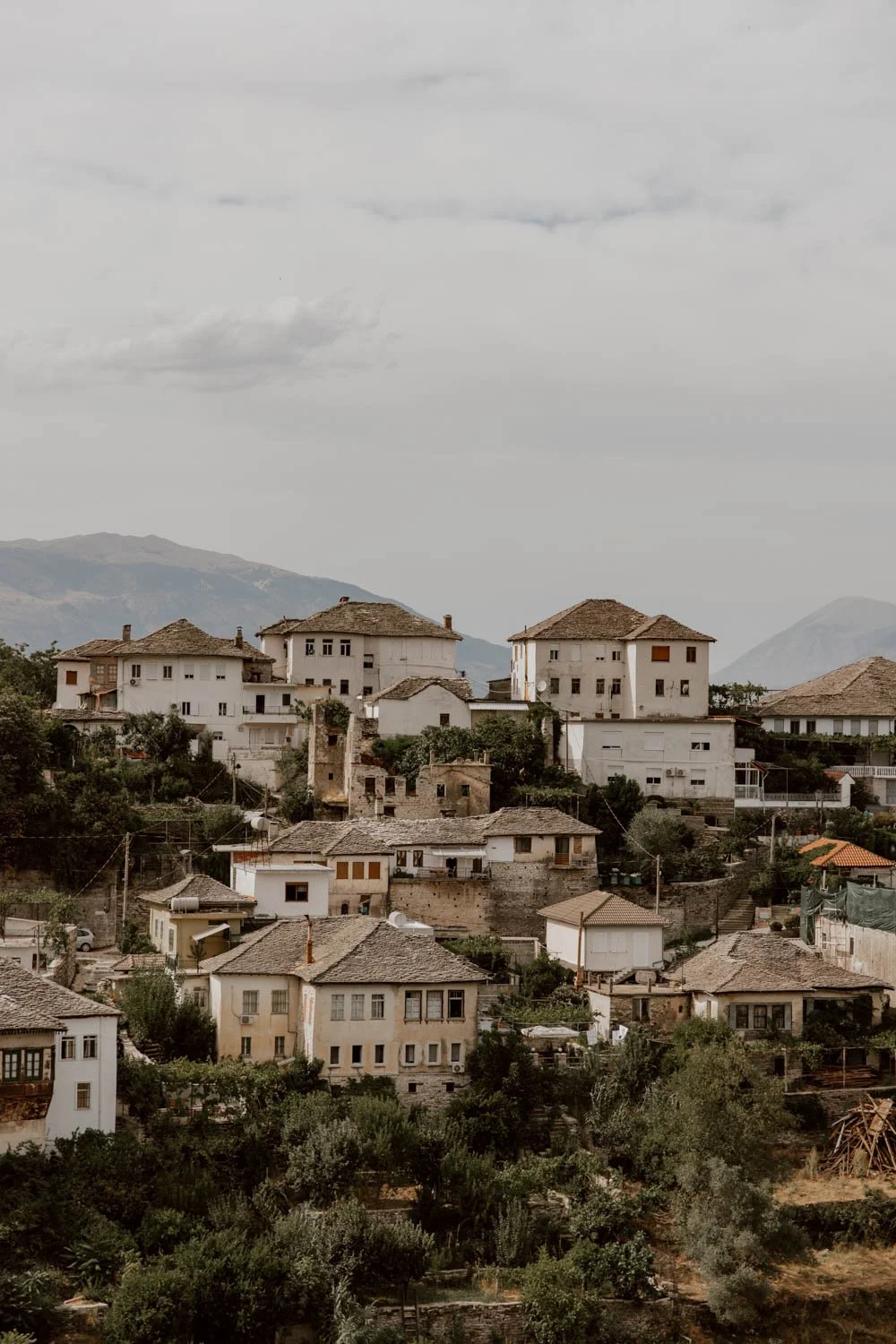
Places like Gjirokastër and Berat aren’t just beautiful UNESCO-listed old towns, but living testaments to centuries of occupation, empire, rebellion, and resilience. Ottoman-era stone houses, medieval castles, Roman ruins, Byzantine churches - it’s all here, often within the same few winding streets.
There’s also usually a cat or two.
The hilltop stronghold of Krujë is closely associated with Albania’s national hero Skanderbeg, who fought off the Ottomans in the 15th century and whose presence is still felt everywhere, from castle walls to petrol station logos. Throw in polyphonic folk songs, plush handwoven rugs that hang from old stone balconies, and traditional dress that still makes an appearance at weddings and festivals.
The beaches might be the draw, and the bunkers the curiosity, but it’s in these towns and traditions that you’ll begin to understand what Albania actually is.
Make room for one or two in your itinerary. You’ll thank yourself later.
Plan // Our Two-Week Albania Itinerary
Some Context on Religion & Demographics
Albania’s relationship with religion is unlike anywhere else in the world.
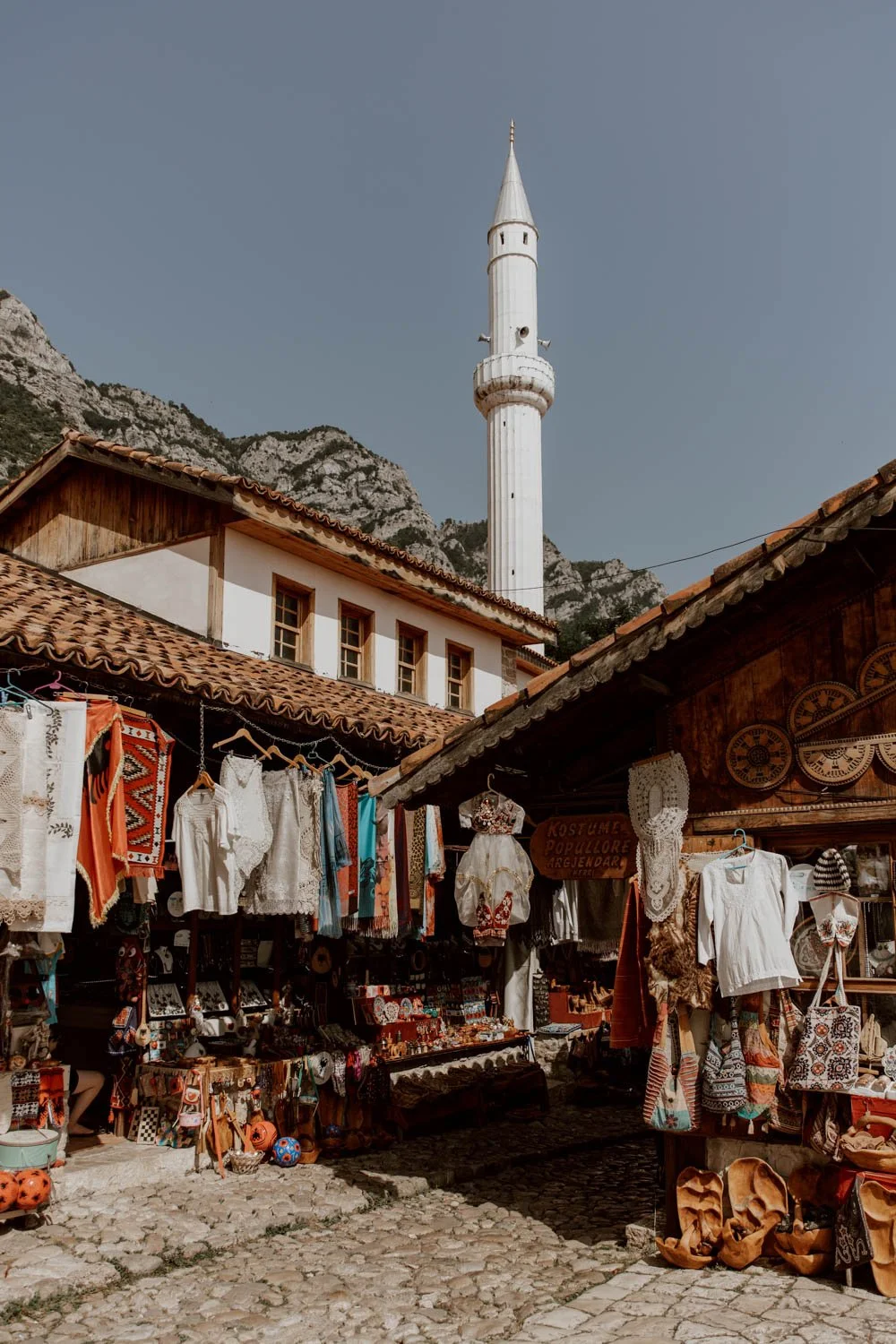
Islam was introduced during four centuries of Ottoman rule, and recent census figures record that 54% of Albanians identify as Muslim, 8% as Catholic, and 7% as Orthodox Christian. However, religion holds a notably subdued place in public and political life, and travelling in Albania doesn't remote resemble travelling in other Muslim-majority countries.
This is partly due to the country becoming the world’s first officially atheist state. In 1967, under Enver Hoxha’s doctrinaire communist dictatorship, all religious practices were banned, clergy imprisoned, and mosques, churches, and monasteries either demolished or converted into sports halls, warehouses, and cultural centres.
For over two decades, faith was driven underground - and it's remarkable that places like the wonderful Onufri Iconography Museum (housed in a surviving cathedral in Berat) endured at all.
While religious freedom was reinstated in the 1990s, the country remains a formally secular state with no official religion.
Ethnic identity, however, is another matter entirely here in the Balkans - and a topic that is both complex and sensitive.
Albania is one of Europe’s most ethnically homogeneous countries, with ethnic Albanians making up around 98% of the population, but deep historical, linguistic and cultural ties bind it to ethnic Albanians in Kosovo, Montenegro, and North Macedonia.
The Kosovo War of the late 1990s - triggered by Serbia’s violent crackdown on ethnic Albanians in Kosovo which prompted NATO’s first military intervention in Europe - put these ties into sharp focus and still casts a long shadow in the region’s politics and relations.
Serbia still refuses to recognise Kosovo’s 2008 declaration of independence, whilst Albania is a vocal supporter. Meanwhile, a majority of Kosovan Albanians even support the idea of unification with Albania.
While diplomatic relations between Tirana and Belgrade exist, the issue of Kosovo’s status remains a fault line and stokes occasional nationalist rhetoric on both sides - which always comes to the fore in football matches between the nations.
As a traveller it probably won't be too important, but we learned a lot about this during our trip, and feel the context is essential.
Did You Know? // Two of the best-known Albanian women in the world - Mother Teresa and Dua Lipa - couldn't be more different, but neatly illustrate the distinction between being Albanian by ethnicity and being from Albania itself. Neither was born in the country, yet Mother Teresa is claimed as a national icon, with Tirana’s international airport bearing her name, whilst the British-born pop star of Kosovan-Albanian descent is embraced as a modern ambassador for Albanian identity and was granted citizenship in 2022.
The Food Section
The country’s cuisine is simple, unfussy, and driven by local produce and seasonality. You’ll find plenty of traditional vegetable-based dishes (stuffed peppers, slow-cooked beans, Qifqi rice balls, and baked aubergine with tomato sauce), but meat, especially grilled lamb and beef, dominates a lot of menus.
By the coast, there's always a simple fish grill restaurant to seek out.
Honey is a staple, and you’ll find it drizzled over yoghurt, stirred into teas, or sold in huge jars at roadside stalls. Another constant is byrek (or burek), a flaky pastry typically stuffed with cheese, spinach, or minced meat. It’s Albania’s go-to snack and best eaten hot from a bakery window.
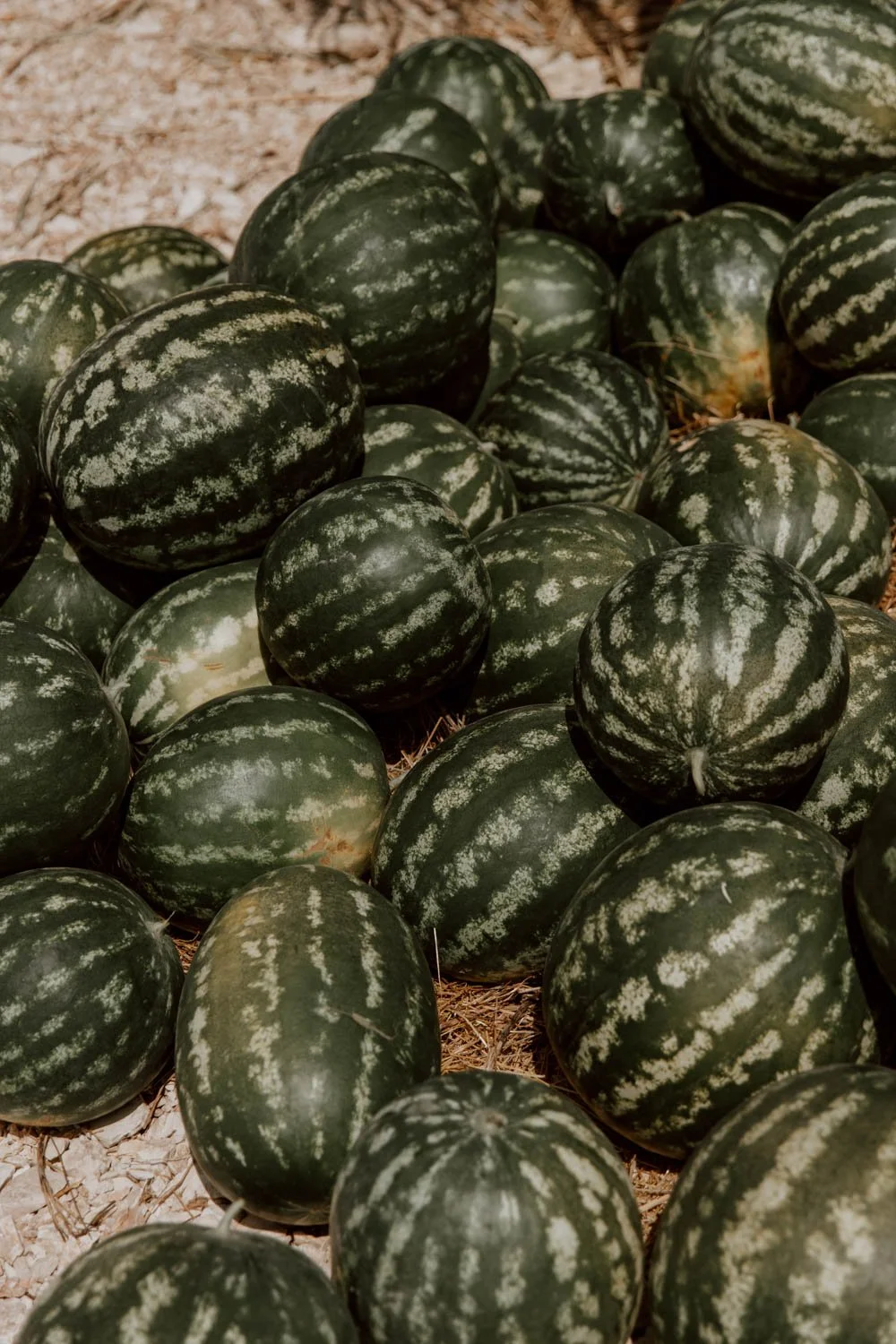
On road trips, you absolutely must stop whenever you see people selling grilled corn-on-the-cob or fresh watermelons.
Italian influences are common too with pizza, pasta, and risottos featuring on nearly every restaurant menu and your most reliable fallback (especially for veggies); however, the quality and flavours never really met our expectations.
In the beach towns, you'll now find an increasing number of international menus and higher-end, specialist restaurants.
Desserts tend to be syrupy, Ottoman-style pastries or simple seasonal fruit.
Albania is also developing as a wine producer, so you should make a point of having a few bottles of that when available, as well as some shots of raki whenever offered.
Plan // Read our Berat guide to find out more about the best vineyards to visit and the rustic restaurant for traditional food that is a highlight or many people’s trip