8 Delightful Day Trips from Porto
Keep reading to discover the best day trips form Porto, including the most popular tours alongside advice on how to get there and back independently.
Updated October 2025

Porto is a fantastic city break destination, with picturesque small streets to roam, delicious food to devour, a vast and varied arts scene, and more port houses than you can shake a stick at.
However, if you’re visiting for a second time, or planning on spending longer than a weekend, you’ll almost certainly want to get out and explore all the wonderful things that this region of Portugal has to offer.
And that’s where this guide comes in! Whether you want to DIY your adventure or prefer to take a tour, we’ve got you covered.
This is our pick of the best day trips from Porto.
(pssst, if you don’t fancy leaving the city, we’ve also included a number of excellent day in Porto.)

Day Trips From Porto
The Duoro Valley / Take a tour
The holiday town of Matosinhos / Join a surfing class
Parque Nacional da Peneda-Gerês / Take a tour
Aveiro, the Venice of Portugal / Take a tour
The old city of Braga / Take a tour
The medieval city of Guimarães / Take a tour
The Spanish city of Santiago de Compostela / Take a tour
Porto Day Trips | How to Get Around Independently
Whilst a number of destinations within this post are easily accessible by public transport, if you don’t want to take a tour, the only real option is to hire a car.
Whilst parking in Porto can be a bit of nightmare (be sure to speak with your accommodation before committing to a hire car), there is no doubt that having your own vehicle can make things a little easier and will allow you to explore beyond the main sights and at your own pace.
It also makes visiting more than one attraction in a single day much easier without having to rely on tours.
We rarely go direct when hiring our road trip vehicles, instead preferring to use two popular rental aggregators to compare costs and find the best deal. The two companies we use are AutoEurope and RentalCars - both of which we have had excellent experiences with.
If you’re planning on renting a car during your time in Portugal, we highly recommend reading our post ‘Nine Essential Car Rental Tips for Travellers’, for general tips on how to save money on your car hire and avoid some common vehicle rental mistakes.

Escape To The Douro Valley
You can’t visit Porto without sampling a few glasses of port, and if you like port, you can’t visit Porto without discovering where it all begins - amongst the terraced vineyards and rolling green hills that line the Douro River.
Extending for hundreds of kilometres and following the path of the river for which it is named, much of the spectacularly beautiful Douro Valley is a UNESCO World Heritage Site, recognised not only as the oldest demarcated wine-growing region in the world but also as a place where centuries of work have carved an incredibly distinctive landscape into the hillsides.
And while port is the headline act, it’s far from the whole story.
Indeed, the Douro is also home to an increasingly respected range of still wines - robust reds made from traditional port grapes like Touriga Nacional and Tinta Roriz, surprisingly fresh whites from higher-altitude vineyards, and newer blends that producers have been quietly refining for decades and which - only over the past few years - are increasingly reaching international notice.
Spending a day here gives you a sense of this broader winemaking culture, where fortified wines share the spotlight with some genuinely impressive table wines.
And although the Douro Valley can easily justify a multi-day trip - long lunches on winery terraces, scenic drives along the N222, mornings spent lingering in Pinhão or Régua - its proximity and accessibility by boat also makes it the most popular day trip from Porto.
Visit the Duoro Valley Independently
By far the best way to explore the Douro Valley independently is with a hire car, especially if you’d like to visit vineyards. Many of the most interesting quintas sit high on the slopes above the river, reached only by narrow, winding lanes that aren’t served by public transport. A car lets you move at your own pace, stop for viewpoints whenever something catches your eye, and link together a couple of vineyards without having to rely on scattered timetables or expensive taxis.
If driving really isn’t on the cards (and a tour doesn’t fit your budget), you can piece together a perfectly enjoyable day using a combination of trains or buses from Porto to towns such as Régua, Pinhão, Pocinho or even Barca d’Alva. The Douro line itself is one of the most scenic rail journeys in Portugal, with long stretches running right beside the water, so the travel becomes part of the experience. Once you arrive, you’ll have enough time to wander a riverside town, take a short boat trip, or visit one of the vineyards close to the station.
In several places - particularly Régua and Pinhão - taxis are common enough to make it easy to reach a slightly more out-of-the-way winery if you want to squeeze in another tasting before catching the train back to Porto.
Take a Tour to the Duoro Valley
If nobody in your visiting group wants to go thirsty at the vineyards or wine tastings, then a tour of the Douro Valley is a fantastic one-day activity. This nine hour long, beast of a day tour has exceptionally good reviews (nearly 20,000 of them!), includes multiple tastings at different vineyards, lunch, a one hour boat trip, plus a guided transport tour of the valley with view points.
Alternatively, this tour is at the same price point, is also super popular and high rated but follows a different itinerary within the Duoro Valley.

Head To The Holiday Town of Matosinhos
Should you be visiting Porto during the summer months and feel the need to escape the city heat, we highly recommend hopping on a bus and heading down to the neighbouring city of Matosinhos.
With a wide stretch of golden sand, a thriving surf culture and distinctly non-touristy vibe (certainly as compared to central Porto), it’s a lovely little holiday destination. Be sure to spend time at the local fish market, perhaps enjoy a freshly cooked fillet in a street side restaurant, follow the wide oceanfront promenade and wander the pretty azulejo-lined streets.
There’s also a growing contemporary arts and architecture scene here, with striking new galleries and public sculptures sitting alongside the traditional tiled townhouses.
Visit Matosinhos Independently
Getting to Matosinhos from Porto by public transport is a piece of cake: just hop on the number 500 bus and you’ll be there in around 40 minutes. The metro (Line A to Matosinhos Sul) is another straightforward option and drops you even closer to the main beach.
If you’re visiting on a beautiful early-summer morning, walking or cycling is also a lovely way to arrive, thanks to the pedestrian and cycle path that links Porto to the Atlantic coast before curving north towards Matosinhos.
Take a Tour in Matosinhos
Given the close proximity to Porto, you don’t need a tour to visit per se. However, there are a couple of great activities to do in the area, or that include Matosinhos as part of the itinerary. There’s this small group 1.5 hour surfing lesson (if you don’t mind the chilly water, Portugal is a great place to learn to surf!) or this cycling tour which takes in many of the highlights of the area by bike - including a cycle along the Duoro river, passing the sandy beaches of Matosinhos.
Top Tip // Esposende, located about 45 kilometres north of Porto, is another fantastic beach option with white sand and beautiful dunes. It’s easily accessed by hire car or bus.

Enjoy The Canals of Aveiro
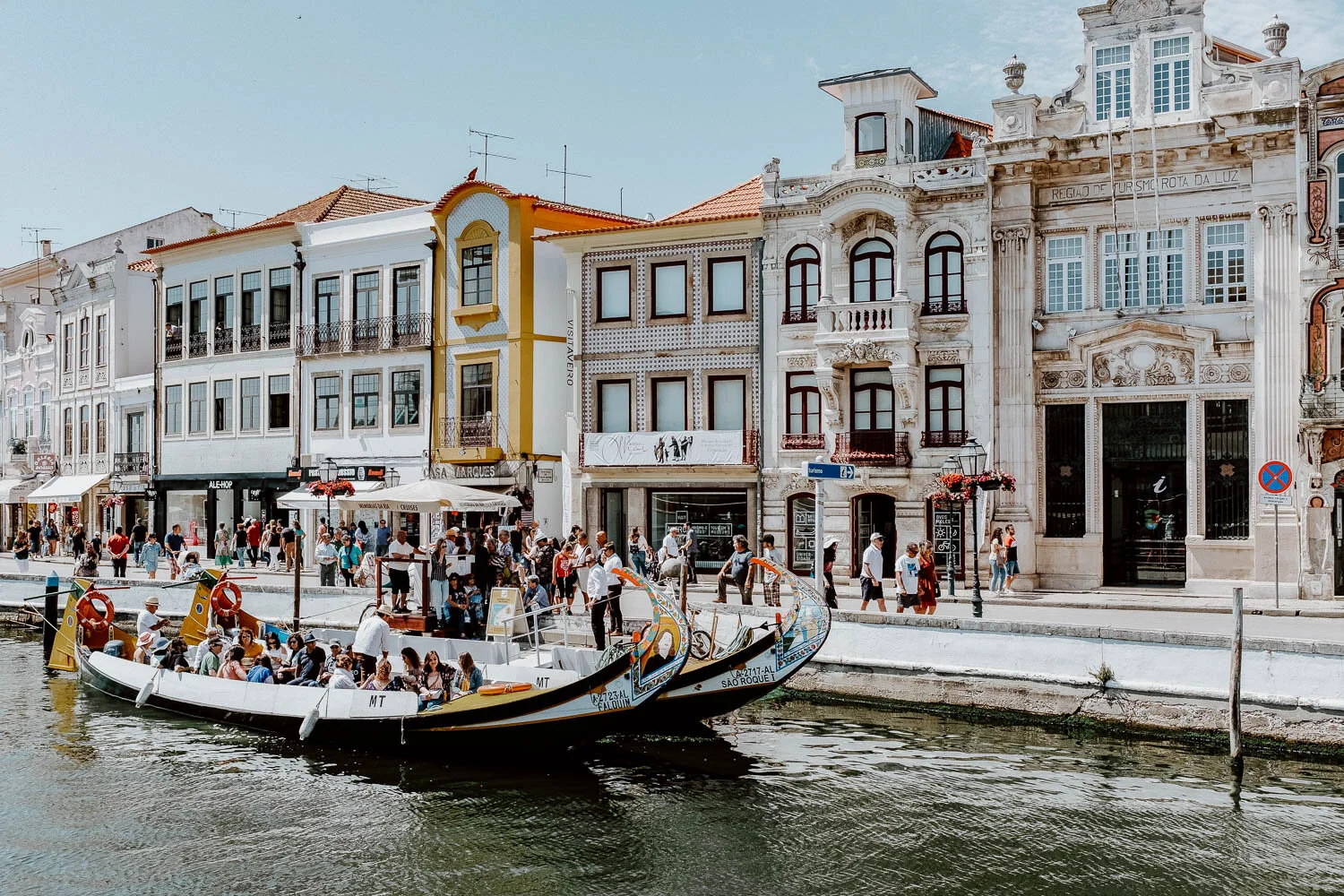
Often dubbed the ‘Venice of Portugal’ due to its small network of picturesque canals (you absolutely must take a short ride on one of the moliceiros, the brightly painted gondola-like boats that ferry tourists along the water), colourful Aveiro has has steadily grown in profile, due in no small part to its bright and vibrant buildings and backdrops that make excellent instagram fodder!
Popular things to do in Aveiro include:
· Hop aboard a moliceiro for a ride down the canals / The route passes the Central Canal, Canal do Côjo, Canal das Pirâmides and Canal de São Roque, giving you views of salt-pans, tiled houses and the city from the water.
· Explore the city’s Art Nouveau scene / Start at the Museu de Arte Nova (housed in the ornate early-20th-century Casa Major Pessoa) and follow the walking tour of about 20-odd buildings that feature the same style.
· Take photos in the pretty neighbourhoods of Barra and Costa Nova / Costa Nova in particular is famous for its photogenic striped beach houses
How to Visit Aveiro Independently
There is a frequent train service that operates between Aveiro and Porto, with departures almost hourly - we use Omio for looking and booking public transport tickets across Europe.
The service begins at São Bento Train Station but also passes through Porto’s Campanhã Train Station, which may be easier dependent upon where you are staying. A one-way adult single fare is around €3.90.
Hop on a train in the early morning, and you’ll have sufficient time for a canal cruise and a stroll through the city, without the stress of a full-day tour.
Take a Tour to Aveiro
This well-rated half-day tour (with pick up form Gaia or Porto), includes a one hour ride on a moliceiro and a tour of Costa Nova, a colourful neighbourhood that borders the sea.
Alternatively, consider this equally popular full-day tour which in addition to Aveiro, also takes in the Cross the world's second longest suspension footbridge at the Arouca 516 and the Paiva Walkways (a 7 km trail considered one of the most beautiful in the world) plus lunch in a typical Portuguese restaurant.
Or this one that also visits the striking Capela do Senhor da Pedra.
Top Tip // If you plan on visiting both Porto and Lisbon, consider breaking up your trip with Aveiro which lies halfway between the two cities.
Follow The Trail To Peneda-Gerês National Park
We love a city break as much as the next person, but you simply can’t beat a day out in nature - and in Porto, it doesn’t get much better than Parque Nacional da Peneda-Gerês.
Portugal’s only official national park (known simply as Gerês to locals) spans more than 270 square miles across several mountain ranges - Peneda, Soajo, Amarela and Gerês - covering oak and pine forests, granite ridges, rivers, natural lagoons and waterfalls, as well as a handful of medieval villages that remain inhabited to this day.
Things to Do in The National Park:
· Hit the trails / Popular trails include Miradouro Velho da Pedra Bela, the Trilho da Preguiça Route, Poço Azul and Miradouro da Pedra e Cascada de Rajada, with all offering very different terrain, from shaded woodland to rocky viewpoints and natural swimming spots.
· Follow the pilgrimage route to the Senhora da Peneda Sanctuary / An 18th-century hilltop complex with a monumental staircase and huge views across the surrounding mountains.
· Visit a few of the Park’s remote villages / Rio Caldo, Lindoso and Soajo each still have traditional stone granaries (espigueiros) and a pace of life that feels far removed from Porto.
· Spot wildlife / There are wild boar, otters, Garrano ponies, and, although rarely seen, wolves in the more remote parts of the park.
Whether you choose one of the park’s many hiking trails and head out for a few hours adventure amongst the spectacular scenery, simply drive along the winding roads that criss-cross its limits, or spend the day exploring lost-in-time villages, Peneda-Gerês National Park is a fantastic day trip from Porto!
How to Visit Parque Peneda-Gerês Independently
There a rumours of public transport connections, but as with many outdoor destinations, the very best way to make your own way to Peneda-Gerês is with a hire car. The drive of just over 100 kilometres takes around 1 hour and 15 minutes.
There are rumours of public transport connections, but they’re limited, slow and not particularly practical for a day trip. As with many outdoor destinations, the easiest and most flexible way to reach Gerês is by hire car. The drive of just over 100 kilometres takes around 1 hour 15 minutes, depending on the final trailhead or village you choose to visit, and having a car gives you the freedom to explore different areas of the park rather than being tied to a single location.
Take a Tour to Parque Peneda-Gerês
This incredibly popular tour to Parque Nacional da Peneda-Gerês is one for the adventurous! It includes pick up in Porto and transport in a 4x4, hiking to waterfalls (with time to swim), a fresh lunch with local wine and time to discover a traditional village. It also has the advantage of being a small group tour.
This is another popular day trip tour to Parque Nacional da Peneda-Gerês
Recommended Tours in Porto
You can plan your stay in Porto with our guide for travellers - ‘13 Wonderful Things To Do in Porto’ - filled with advice and inspiration.
If you’re short on time or looking for a little adventure closer without venturing far beyond the city, there are an abundance of great tour options within (or super close to) the city.
These come highly recommended:
Historic City Center Walking Tour | Ideal for getting your bearings, this three-hour walking tour visits São Bento Train Station, the historic centre, and Aliados Avenue.
Guided Historical Center Tuk Tuk Tour | Want to see Porto’s most important historical sites but don’t fancy walking? This super popular tour is the one for you.
Guided Walking Tour and Lello Bookshop | No trip to Porto is complete without visiting Lello Bookshop - this small group walking tour includes as skip-the-line entrance. Alternatively, you can buy skip-the-line Livraria Lello tickets here.
Six Bridges Duoro River Cruise | On a sunny day there are few better places to be than messing about on the river! This hour-long cruise follows the Duoro River beneath some of its most famous structures and offers a different vantage point on the city.
Alternatively, if you’d like to cover a lot of ground in the city for one fixed price (and also go on that river cruise), consider buying this excellent value 48-hour hop-on, hop-off bus ticket. Also inlcudes entry to a port cellar.
Wine Tasting Tour | Sample six different wines, local food specialities and visit a port cellar on this highly-rated 3.5 hour walking tour.
If you’d prefer a private foodie tour, this one has excellent reviews.
Street Art Tour | There’s street art all over Porto, and if you’d like to learn more about the artists & discover some works you may not find by yourself, this 3-hour tour is the one to join.
Walk The Streets of Braga
At over 2000 years old, Braga is the oldest city in Portugal.
It’s not, however, the sprawling metropolis you might imagine from its status as the country’s third largest city. Instead, it’s a remarkably walkable place; a delightful blend of architectural styles layered across centuries, threaded together by leafy plazas, quaint little streets, and an almost improbable number of baroque churches.
Often nicknamed the ‘Rome of Portugal’ on account of its long-standing religious importance and the sheer concentration of ecclesiastical buildings dotted through the old centre, Braga still carries that atmosphere in its architecture and rituals (although the sizeable student population brings a more youthful feel that softens the city’s more formal edges).
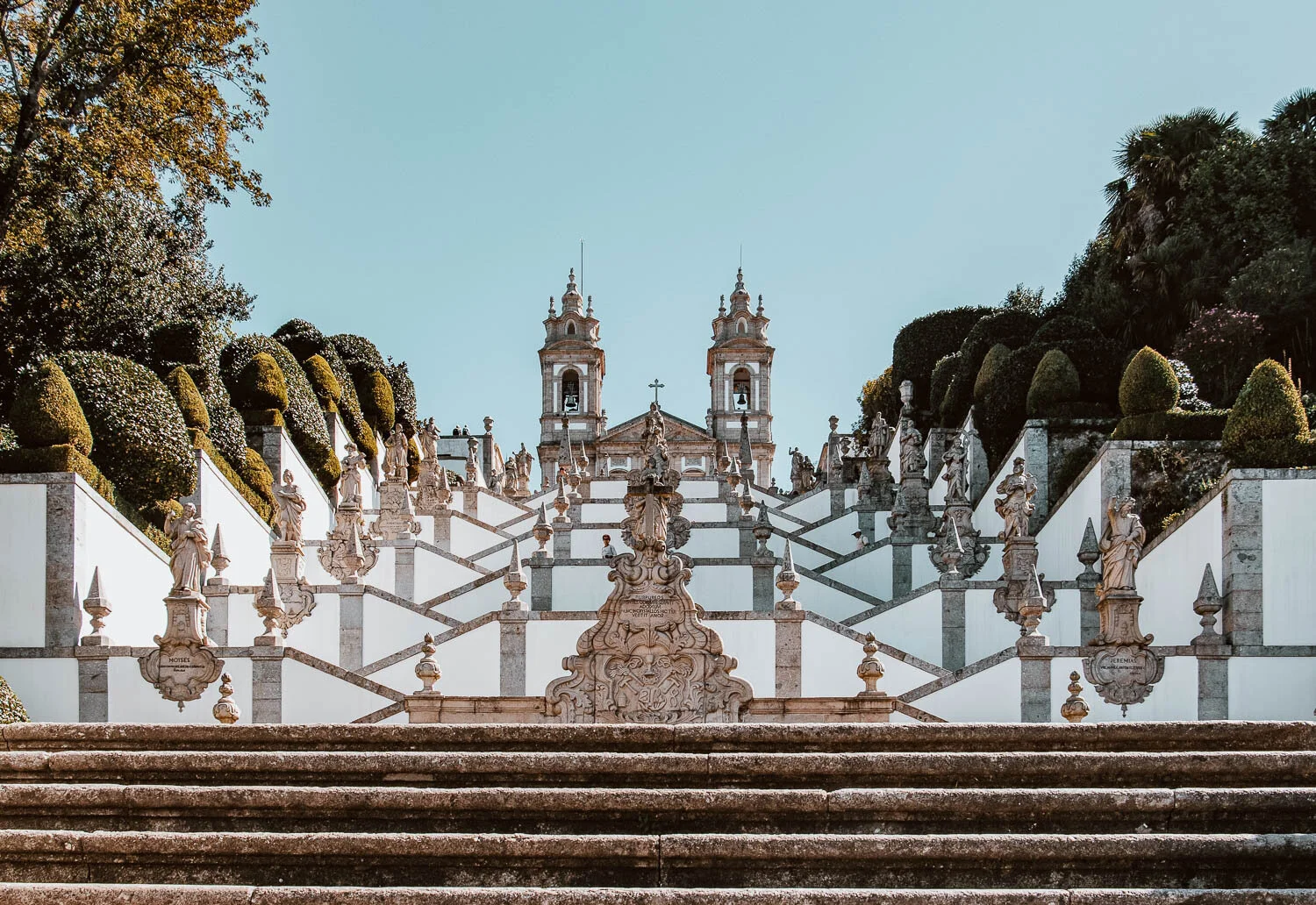
Its pièce de résistance is the spectacular Bom Jesus do Monte, an 18th-century sanctuary perched on a wooded hillside just outside the centre. Famous for its sweeping baroque staircase, ornate chapels, and wide views across the city, it’s one of Portugal’s most visited pilgrimage sites - and as of 2019, a UNESCO Heritage site.
How to Visit Braga Independently
Braga is easily reached from Porto by train, with regular departures from both São Bento and Campanhã stations. The journey takes around an hour, and a one-way adult ticket costs roughly €7.
Trains arrive within walking distance of the historic centre, making it simple to explore the city on foot as soon as you step off the platform.
Take a Tour to Braga
Given their close proximity, the vast majority of guided tours to Braga split the time between there and Guimarães.
This one is particularly highly rated and includes entrance and guided tour of all the major attractions that you will visit including Braga Cathedral, Guimarães Castle, Ducal Palace and Bom Jesus do Monte. It also includes lunch.
Discover The Past In Guimarães
If you’re talking about Portuguese history, it doesn’t get much more important than Guimarães: the proud birthplace of Afonso Henriques (the first independent king of Portugal) and the city from which he set in motion the beginnings of the Portuguese kingdom way back in the 12th century. Often referred to as the cradle of Portugal, Guimarães wears this past on its sleeves, from its hilltop castle to the medieval lanes that still shape the old centre.
Declared a UNESCO World Heritage Site in 2001, the city’s warren of narrow streets, granite façades and the handsome 15th-century Paço dos Duques provide ample opportunity to delve into its past. Yet it’s the creative scene - helped along, like Braga, by a sizeable student population - that draws a newer crowd. Former industrial buildings, particularly in the old Couros quarter, have been reimagined as galleries, workshops and cultural spaces, bringing a more contemporary rhythm into the historic centre.
After being named the European Capital of Culture in 2012, Guimarães became known for the way it blends eras and it’s easy to spend a morning tracing the origins of the nation, an afternoon exploring modern art, and an evening in one of the old town’s cafés or bars.
How to Visit Guimarães Independently
Getting to Guimarães by public transport is straightforward: frequent trains run from São Bento and Campanhã stations in Porto. The journey takes around 1 hour 15 minutes, and trains arrive within easy walking distance of the historic centre - perfect for a self-guided day of exploring. Find tickets and times Omio.
Take a Tour to Guimarães
Given their close proximity, the vast majority of guided tours to Guimarães split the time between there and Braga.
This one is particularly highly rated and includes entrance and guided tour of all the major attractions that you will visit including Braga Cathedral, Guimarães Castle, Ducal Palace and Bom Jesus do Monte. It also includes lunch.

Cross The Border To Santiago de Compostela
Now, we know what you must be thinking - why on earth would you take a holiday to Portugal and then a day trip to Spain?
Well, with a driving time of less than 2.5 hours, if you’ve got your own hire car or take a tour, it’s honestly not the craziest idea, especially if you’re visiting Porto for more than just a weekend break. The road north is straightforward, and crossing into Galicia feels like slipping into a different rhythm for the day without committing to a longer trip.
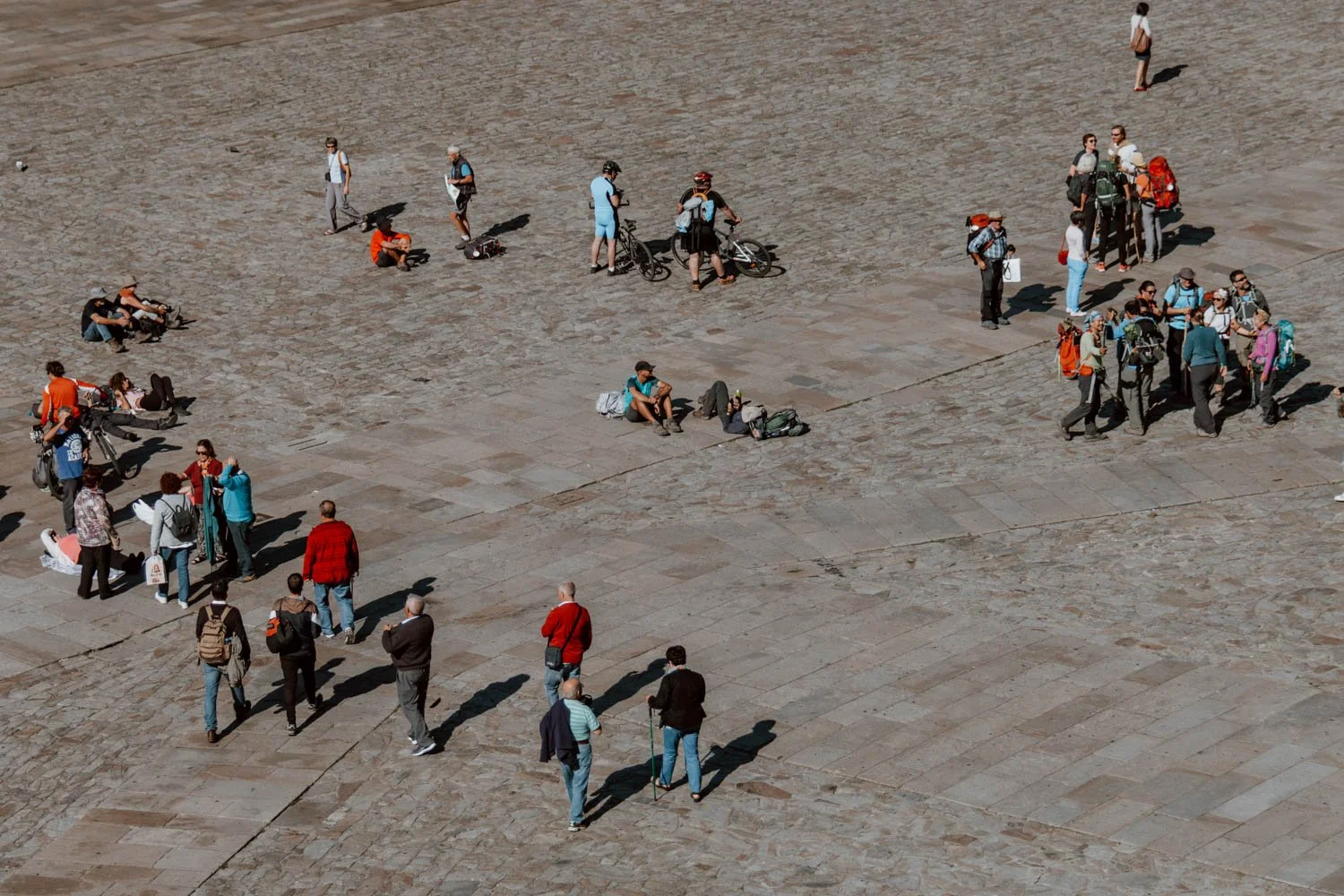
The final resting place of the apostle St James, for more than 1000 years the Cathedral of Santiago de Compostela has marked the end of the Camino de Santiago, a 500 mile trek that threads its way across northern Spain. Even if you’ve never set foot on the Camino, the sense of arrival in the main square - pilgrims shuffling in with backpacks and walking poles, bells ringing, the façade towering above - is a pretty special moment.
Thankfully however, you don't have to be a hiker, or indeed a pilgrim, to visit Galicia's capital. This beautiful medieval city has plenty to keep even the most sedentary tourist entertained, with a spectacular cathedral, quaint labyrinthine streets and an excellent food scene built around local wine, seafood and traditional Galician dishes..
Other popular things to do in Santiago de Compostela:
· Visit the Cathedral and its museum
· Wander or relax in Alameda Park, with its views over the old town
· Step inside the 10th-century San Martín Pinario Monastery or the San Pelayo Church and Monastery
· Explore the art works at the Eugenio Granell Foundation
· Get pleasantly lost in the city’s historical centre
How to Visit Santiago de Compostela Independently
Whilst it is feasible to visit Santiago with public transport, the 4.5 hours that it would take means that if you’re relying on bus or train, it’s just not possible for a day trip. If you’re committed to visiting independently, hiring a car is by far the simplest option — you have the freedom to leave early, stop en route, and even loop through the Minho region before heading back to Porto.
Take a Tour to Santiago de Compostela
This full day tour includes pick up from São Bento Train Station, transport to Santiago and back via Valença do Minho. Also included is a guide, monument entrance fees and a - reportedly - excellent lunch.
Top Tip // Another Spanish city within day trip distance is Vigo. Beautiful beaches, a bustling old town and and a mecca for seafood lovers.
Indulge in Amarante
Three words: penis-shaped cakes.
Yep, thought that would get your attention!
Whilst the picturesque village of Amarante is a delightful spot in its own right, it is its fame as the hometown of São Gonçalo (Portugal’s St Valentine) that has drawn many over the years - hence the phallic shaped cakes that you will find being sold across the village by traditionally conservative Portuguese grannies!
Should you already be in love however, there’s still plenty of reason to visit Amarante, not least because of its burgeoning reputation as somewhat of a foodie mecca. with excellent bakeries, traditional tascas and a handful of modern restaurants making the most of the region’s produce.
Add to that the handsome stone bridge, a charming riverside setting and a compact historic centre, and you’ve got a very easy half-day escape from Porto.
How to Visit Amarante Independently
There are regular buses from Porto Bus Station (operated by Rodonorte) direct to Amarante, with departures roughly every two hours. Tickets cost around £8-9 and the journey takes about 50 minutes.
You can book online in advance.
Take a Tour to Amarante
The excellent full day tour to Amarante & Vila Real that we used to recommend has unfortunately been discontinued, but if you’ve got your heart set on those interesting cakes, and can’t make it there by public transport, we recommend joining this super popular full day tour which visits Amarante alongside two wine estates in the Duoro Valley and a river cruise.

Travel More in Portugal


Like it? Pin it!