Our Fishermen’s Trail Packing List
Whether you’re hiking for four days or thirteen, our Fishermen’s Trail packing list will let you know exactly what to bring and what to leave behind.
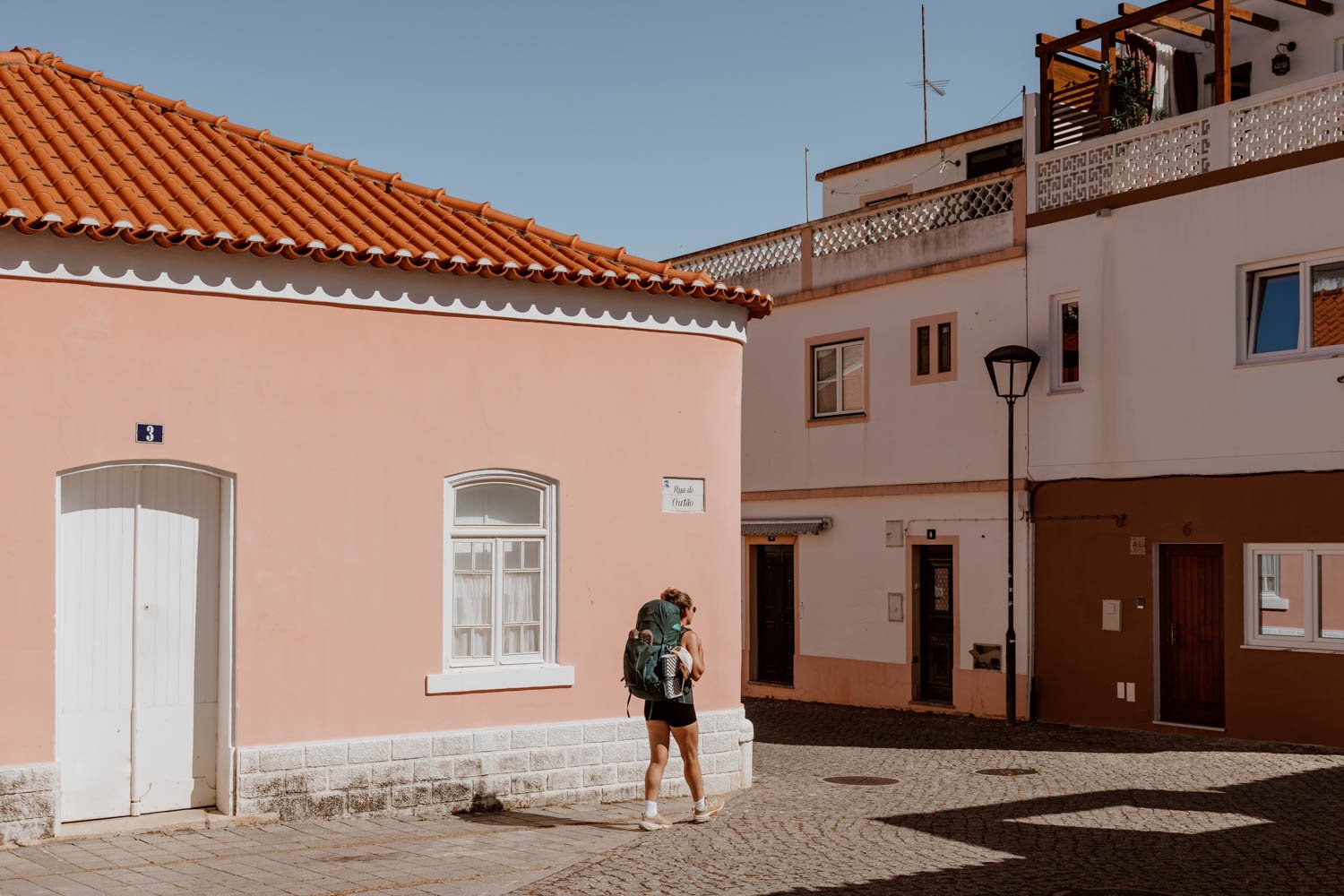
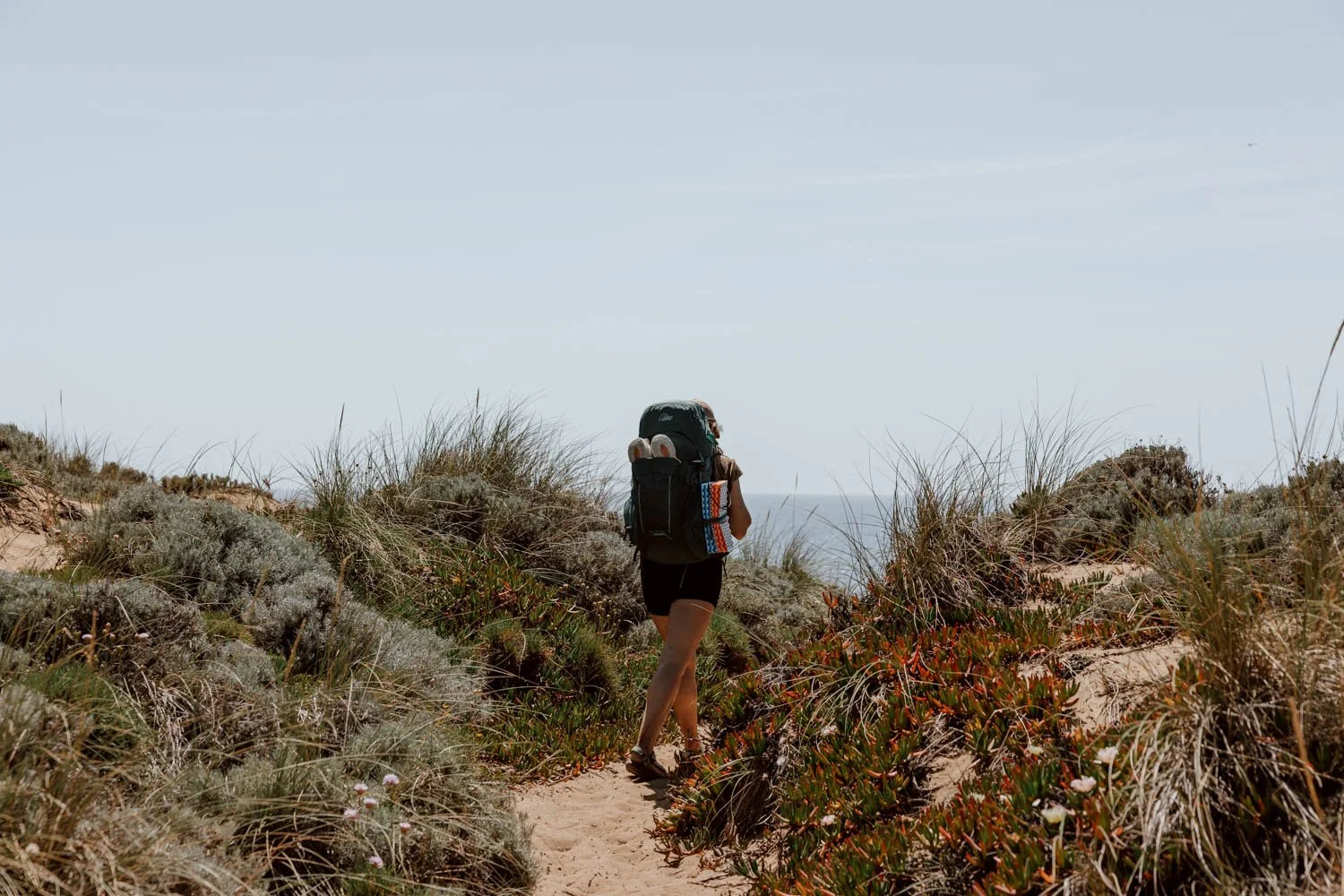
Most hikers carry everything on their back along the Fishermen’s Trail, the beautiful long-distance route running from Alentejo to the Algarve in southwest Portugal.
The good news is that with reliable accommodation, cafés, restaurants, and a few shops at each overnight stop, you don’t need to lug cooking gear or prepare for every possible scenario.
The bad news? There are days when those extra kilos make the trail just that bit more challenging.
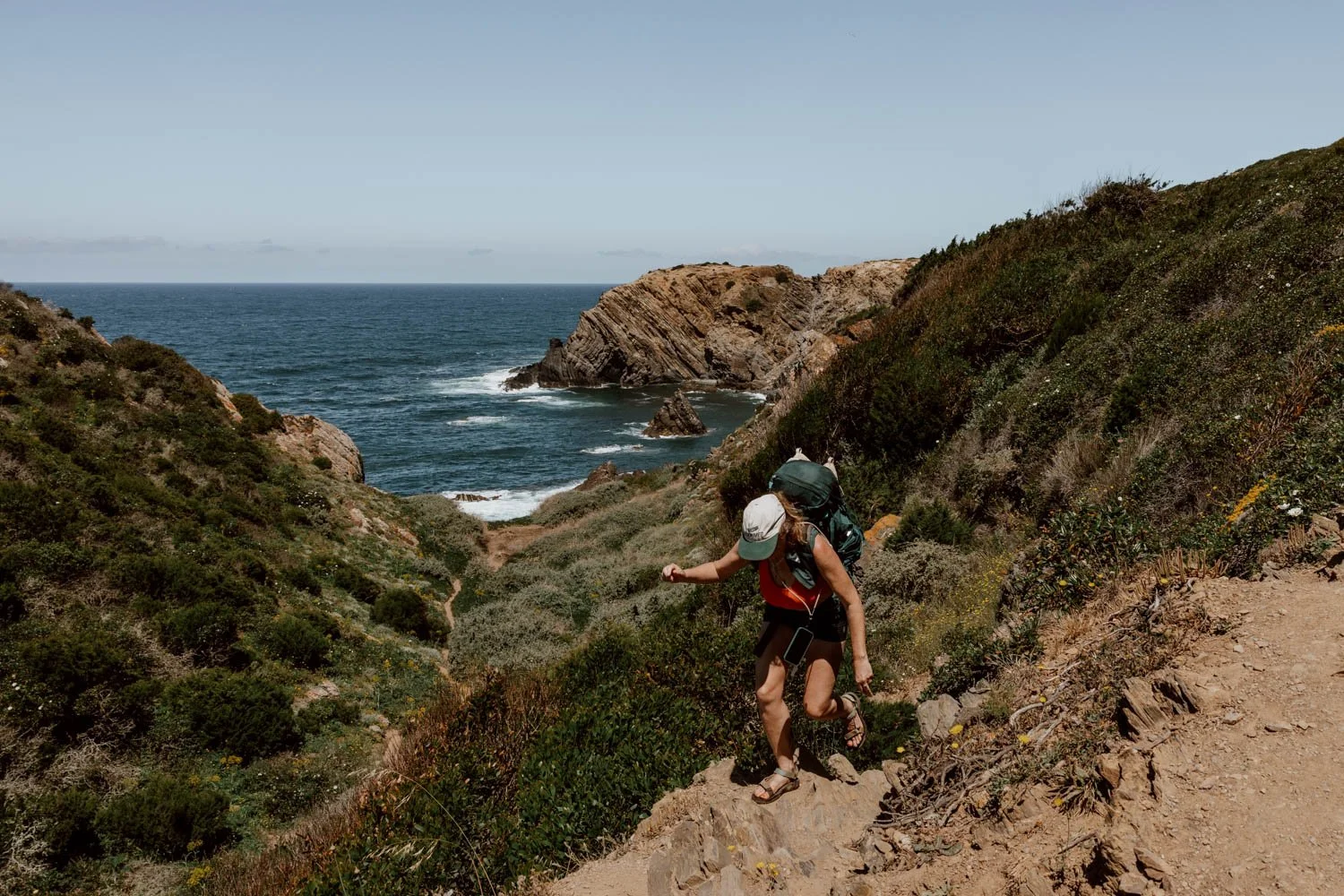
If you’re planning to hike the Fishermen’s Trail - whether the classic 4 - 5 day route or the full 226km - a crucial consideration is whether you’re fit and comfortable carrying an 8 to 12kg backpack for day’s walking at a steady pace.
Next comes the art of deciding what you actually need to bring and how to cut down on weight: the lighter you pack, the more your back, shoulders, and feet will thank you.
To help you plan perfectly, we’ve shared a full kit list from our thirteen-day hike, highlighting the essentials we think you really shouldn’t walk without, the best footwear choices, mistakes to avoid, and a few things we wish we’d brought (or should have left behind).
There’s also useful tips on laundry, accommodation, and other amenities along the trail - and a solution for those who really can’t carry their own backpack.
The Context
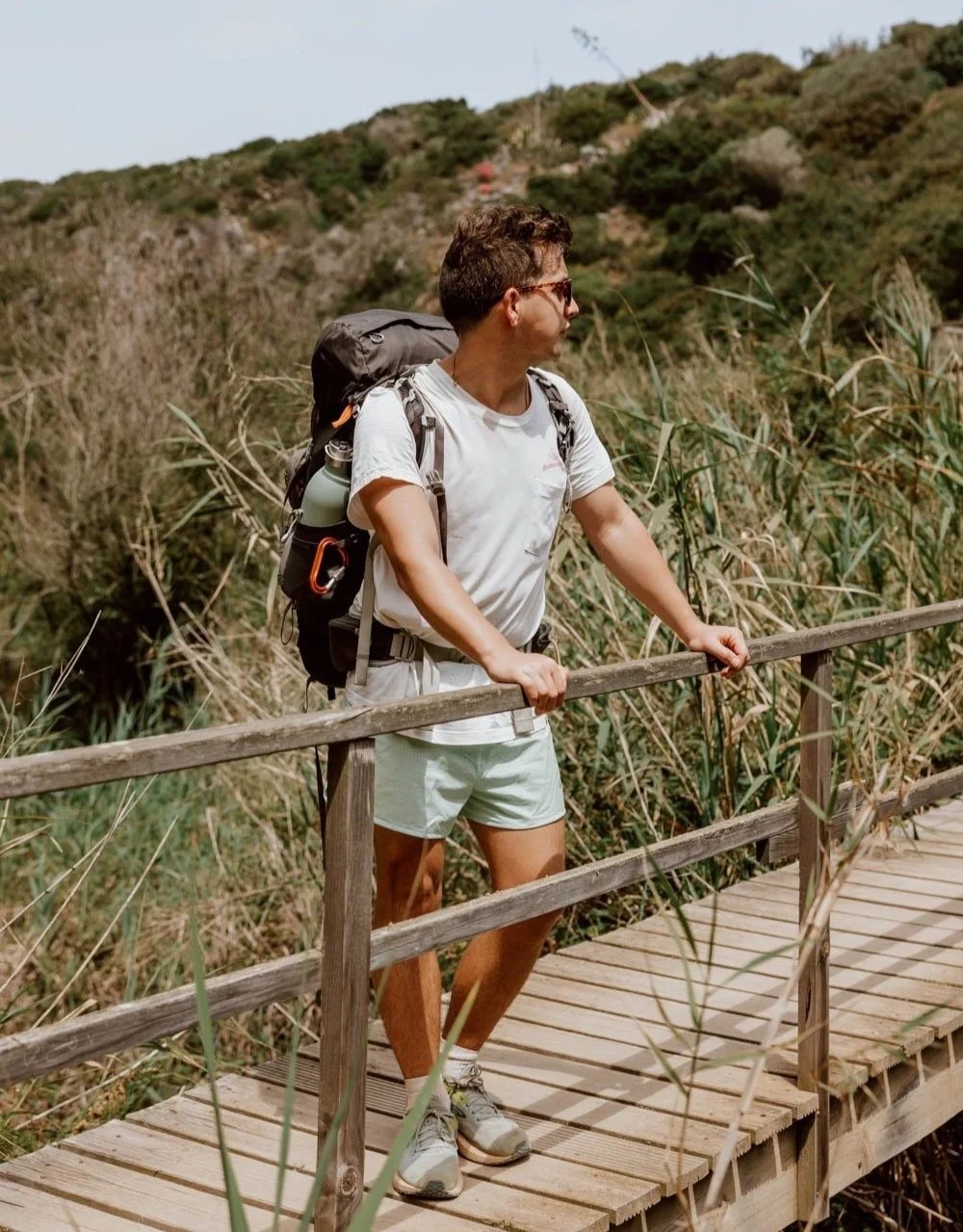
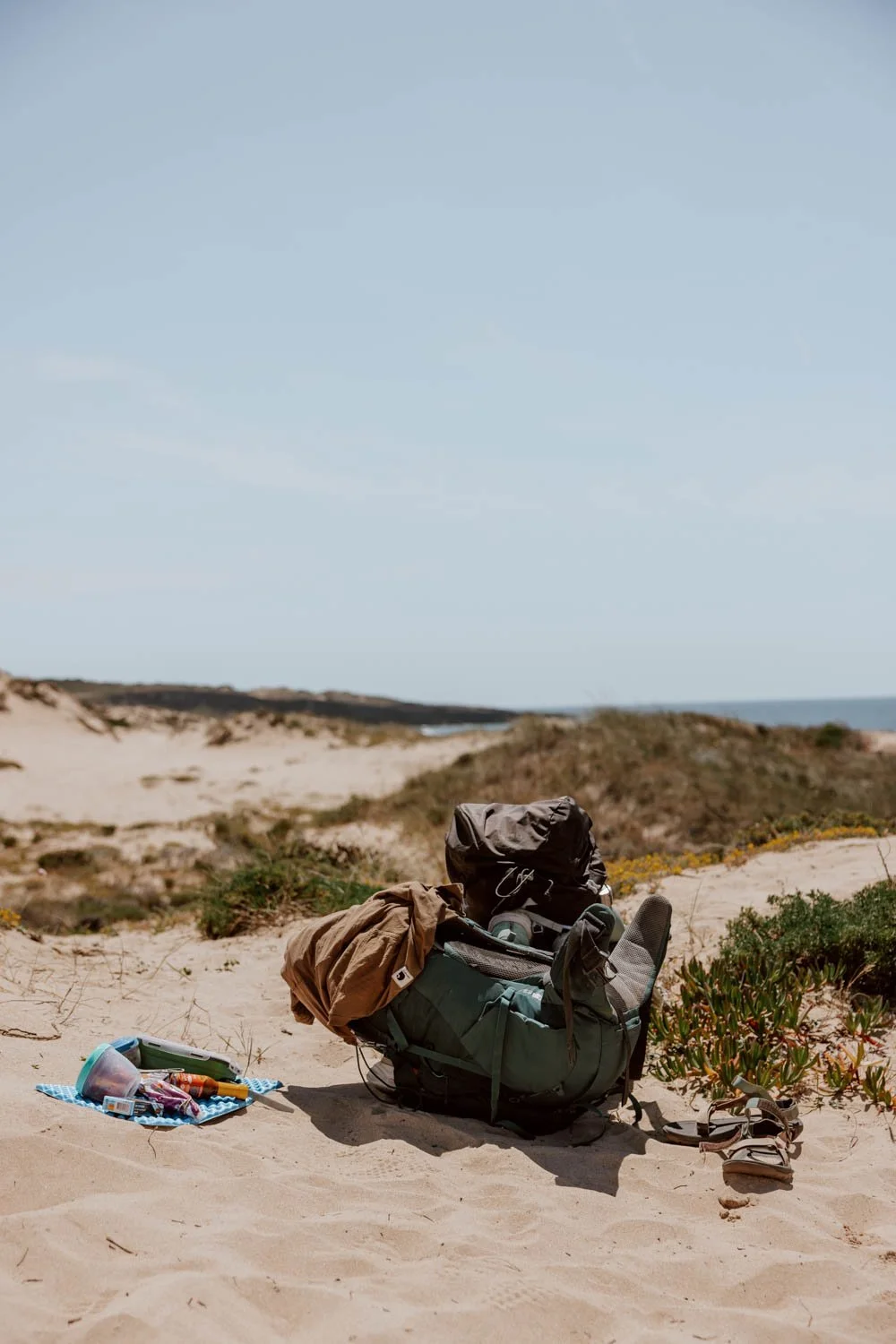
We hiked in May with mostly blue skies and average temperatures around 18 - 23°C, so didn’t bring a lot of cold weather clothing. Everything was carried in two backpacks for our 12 days of walking from Porto Covo to Lagos, with an additional rest day in Sagres.
The backpacks weighed in at 12kg and13kg respectively - but with full water bottles and packed lunches, the combined weight crept up to around 28kg. Andrew carried a bit more of this than Emily.
Before you panic, it’s worth noting that 7kg of that was cameras, lenses, and assorted tech gear that most hikers won’t need to bring.
Based on our experience, you should plan to carry around 8-12kg per person each day on the Fishermen’s Trail - and there won’t be a significant amount of difference in what you pack and how much you’ll carry whether you do the shorter or longer version of the walk.
Backpacks
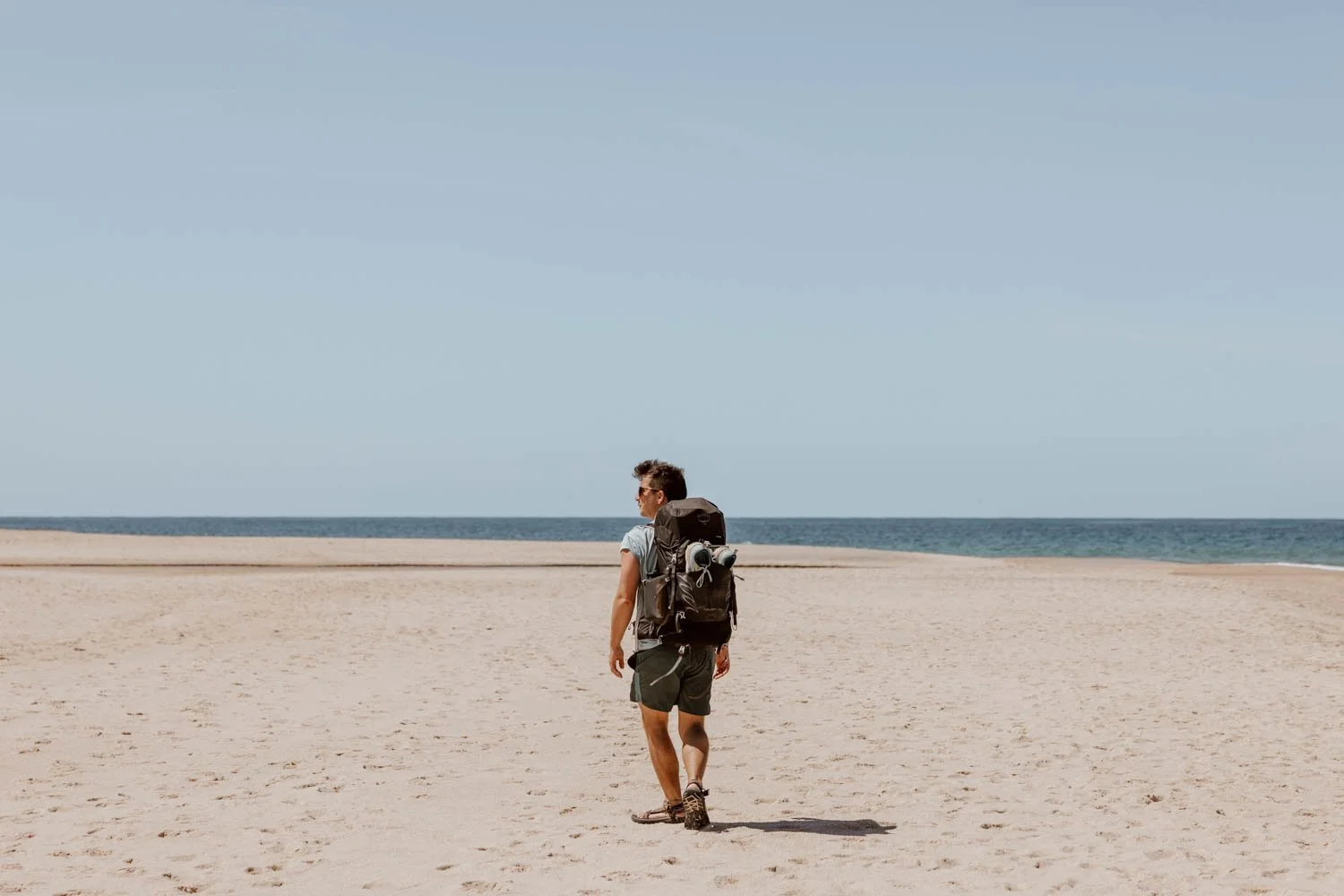
Everything was carried in two backpacks we already had at home:
· Osprey Talon | We bought this lightweight, versatile 44-litre bag specifically for multi-day hikes a few years ago and it was ideal for the Fishermen’s. However, some may prefer a bag that offer more hip/waist support.
· Lowe Alpine Altus | This is our smaller backpacking bag, but we thought the fit and support would be best for Emily’s dodgy back. It’s a bulky but roomy 40/45-litres.
Despite Emily’s tears literally moments before we took our first step on the trail, it really wasn’t as bad as anticipated. Indeed, once our backpacks were put on in the mornings, it was a signal to our reluctant limbs that it really was ‘go time’.
Support and fit are the most important aspects to consider, as a poorly-fitting backpack will cause issues several days into any long-distance trail like this. Prioritise a pack which distributes weight evenly via the waist strap, which makes all the difference on your back, shoulders, and overall happiness on the trail.
If you’re buying new, then 35-45 litres should be grand and try to get a backpack that’s under 1.5kg unpacked.
Nice-to-haves are big pockets on each side for water bottles, and an easy access compartment or section for snacks, layers, and other daily items.
Travel Tip // In our Fishermen’s Trail day-by-day itinerary planner, we’ve shared our view on how easy/challenging each daily section is, but if you’re seriously concerned about your ability to carry this weight, then there is a plan B that will allow you to walk the Fishermen’s Trail.
We spoke to a few hikers who used Rota Vicentina Transfers luggage service - two groups for the whole route, and one Danish lady who had to after an injury meant she couldn't manage her backpack any more - and they all had positive experiences. The company will pick up your bags from your accommodation in the morning, and drop them off for you in the evening, so all you have to carry is a light, small daypack with the essentials.
Do let us know in the comments if you have positive/negative experience.
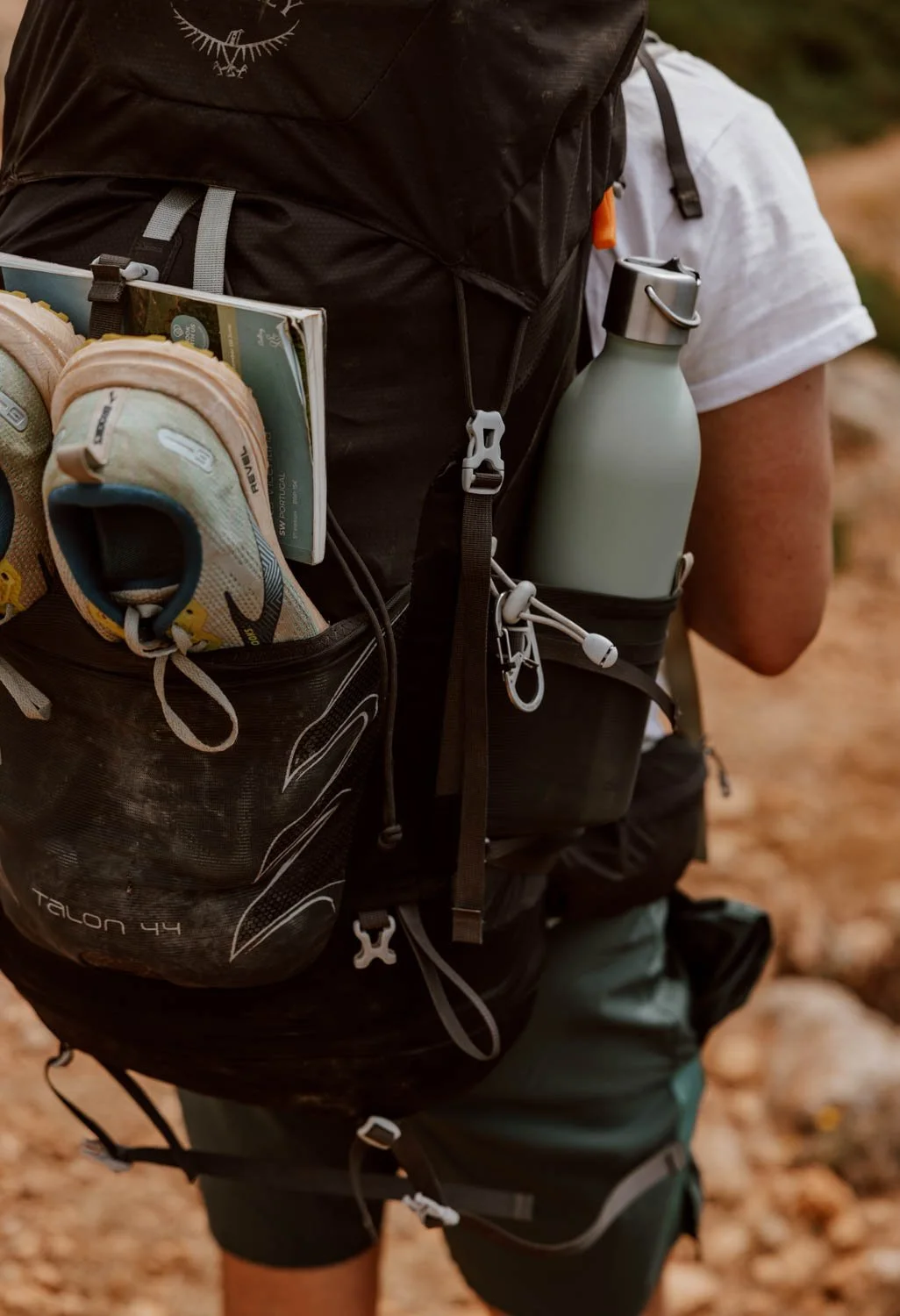
Footwear & Socks
As we’ve mentioned in more detail in our main Fishermen’s Trail guide, there’s no perfect shoe for this particular long-distance trail.
This is primarily due to the soft sand and dunes that are a feature of the first three or four days, and the fact that you’ll be doing a variety of ascents / descents and quite long stints on dusty roads.
We decided to leave our trusty hiking boots at home, as big heavy boots and hiking socks in May’s warm weather and crisp spring sunshine didn’t appeal.
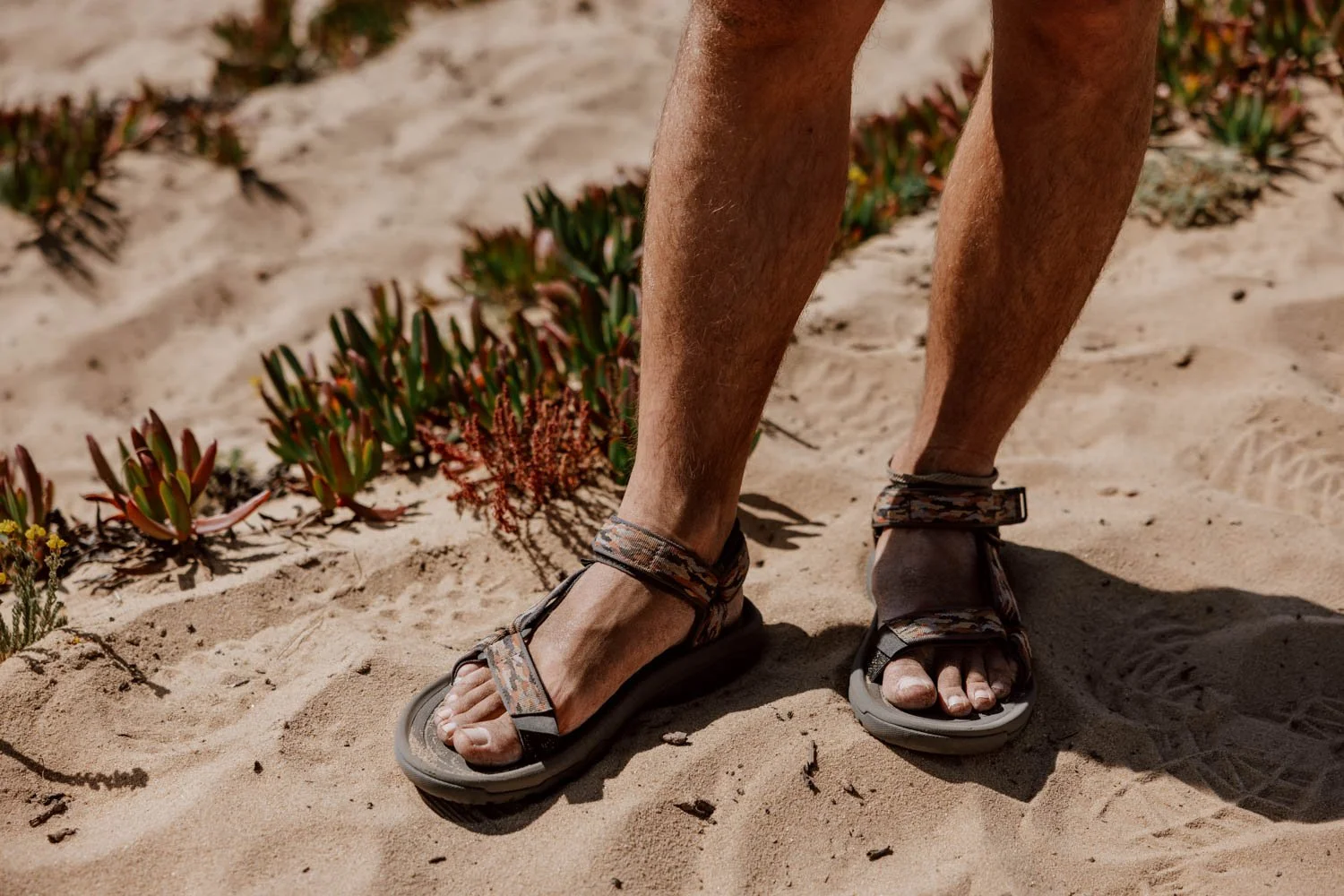
Instead, we hoped a combination of new TEVA hiking sandals and a pair of proper, worn-in running shoes would work well together. Theoretically, the sandals were for the sandy sections and post-hike comfort, while the trainers for days when it was more about mileage and making up time on the flat, compact trails.
Switching between the two worked really well - especially when the terrain unexpectedly shifted to sand - but there were definitely sections and days when a boot would have been better than both.
Emily’s ankle would also almost certainly have had fewer issues toward the end of the fortnight if she’d had a bit more support!
On the other hand, the hikers we saw and spoke to who only brought a pair of hiking boots or trainers were cursing the amount of sand they had to empty out of them every few kilometres on certain days, and often looked at our open-toed sandals with envy.
One group even told us they regretted not bringing their sandals instead of their boots!
So, the truth is that there will be pros and cons to any type of Fishermen’s Trail footwear. As terrain underfoot varies from dusty road, roadside, beach, dune, forest track, rocks, grass, and pavement (sometimes on a single day), hiking boots will be best in certain scenarios, hiking sandals will excel in others, and sometimes good trainers are a much more pleasant, comfortable alternative to both.
So, what type of footwear should you pack for the Fishermen’s Trail?
We discussed this at length during and after the hike, and think the secret to success is to bring two types of footwear that complement each other. That way, you're covered for all terrains and scenarios, as well as evenings and rest days.
From our experience, the best shoes in warmer months will be a pair of lightweight, broken-in hiking boots and a reliable pair of good hiking sandals (we highly recommend our TEVA Hurricane XLT2 sandals).
Our running trainers were okay, but the lack of ankle support and sand they allowed in meant we docked points.
In the cooler winter months, hiking boots should be your go-to footwear, with the sandals being swapped out for a pair of trainers. Of course, you could also throw in a pair of sliders or flip-flops so you’ve got something really comfortable in the evenings.
In terms of socks, we bunged four or five pairs of good running socks and a comfier pair for the evenings - but you can never have too many clean, dry socks available on a long-distance walk. If you’re mainly wearing hiking boots, then three or four pairs of hiking socks should do the trick, and just bear in mind their thickness relative to the season you’re hiking.
Travel Tip // If you’re bringing hiking boots, then you should 100% buy a pair of gaiters to make them better-suited to the dunes.
While they may not win any style awards - and we personally have never used them - we saw a lot of people sporting these. We were told they did a great job of keeping out the sand, meaning they didn’t have to stop every few kilometres to unlace, empty out, and start again.
Hiking Poles
Long-time readers of Along Dusty Roads will know that we often dismissed hiking poles as something that only older walkers and Austrians used.
However, the Colca Canyon in Peru changed our minds on their efficacy: poles add balance and support, as well as pace and power. When you’re doing a multiday walk with a heavy backpack, they’re definitely help spread the load and we invested in a pair of lightweight, foldable poles six or seven years ago.
Given the route profile of the Fishermen’s though, we didn’t think they’d be necessary for many days, so decided to leave them behind. Save for one day walking from Sagres to Salema, we have zero regrets about that, but that won’t be the right decision for every hiker - especially if you’re concerned at the dunes and requirement to carry your backpack each day.
If in doubt, you should bring them to Portugal.
Clothes
Rule number one: don’t be the stinky hiker who thinks they can wear the same sweaty vest or t-shirt for two days straight (and also wears it out in the evenings).
Whether or not you let it dry out on the hostel washing line or not, unless you properly wash the top, that smell ain’t going to stop.
When it comes to clothes, people will likely fall into two camps:
A / packs minimal amounts of clothing and does laundry wherever and whenever most nights
B / packs and carries more so that can start each day with something (properly) fresh, clean, and dry - and plans strategic laundry days.
We fall firmly into camp B, and are also the sorts who like to have something to change into in the evening that isn’t simply another hiking vest. In the eyes of some hikers, this may make us firmly of the softer variety, but it definitely works for us.
That being said, we still did our best to cut down our clothing to a small, light, and versatile collection. The main piece of advice is to pack at least one fleece/jumper and pair of trousers that you can wear in the cooler mornings and evenings, as well as out to dinner/drinks in the evenings. As we flew to Portugal specifically to hike, we basically lived in those outfits when not on the trail.
Also, a couple of hats or baseball caps are mandatory given the sun exposure and lack of shade, but if you’re a very very sweaty man like Andrew, it’s a good idea throw in a multi-functional Buff.
To hike in May, we packed the following, and wouldn’t really remove any items:
Her
5 x t-shirts (for hiking and chilling)
3 x sports vests
4 x sports shorts
1 x fleece
1 x sweatshirt
6 x sports bras (also worn as tops)
1 x baseball cap
1 x bikini
1 x TEVA hiking sandals
1 x Nike running trainers
4 x running socks
1 x comfy socks
1 x stylish & versatile trousers
6 x pairs of underwear
1 x normal bra
1 x lightweight pyjamas
Him
6 x t-shirts to hike in and wear out
2 x vests for hiking
3 x sports shorts
1 x fleece
1 x versatile trousers
1 x TEVA hiking sandals
1 x Brooks running shoes
6 x underwear
5 x running socks
1 x comfy socks
1 x baseball cap
1 x swimming trunks
1 x Buff
1 x pyjama trousers
On the vests and t-shirts, we generally would chuck the one we’d worn to hike in the laundry bag, shower, put on a fresh-clean one for that evening, and then either wear that fresh-clean one on the next day’s hike, or rewear it the next evening.
Whilst packing cubes are sometimes more annoying than helpful in backpacks, keeping our clean clothes separated from our dirty, sweaty clothes was utterly essential on this trip so we did use a couple each.
For anyone considering hiking from October to February, note that the further away from spring and summer you are, the more necessary it becomes to pack layers and suitable clothing for hiking in the cooler temperatures and wetter conditions i.e. a puffa jacket, beanie, rainwear, long-sleeve tops.
If you do the Fishermen’s in winter, then do let us know your experience and packing recommendations in the comments!
What We Left Behind // After carrying two never-used waterproof jackets around Guatemala a few weeks earlier, we made the potentially risky decision not to take them with us for this trip. Emily had been obsessively studying the weather forecast, and with nothing but blue skies predicted we just couldn’t condone the extra space they’d take up. Additionally, the backpacks had builit in rain protectors so we knew that our stuff would at least stay dry.
Thankfully we only had one day where it drizzled a tad but appreciate that not everyone may want to take such a risk - espaecially if you’re hiking later or earlier in the year when you’re more likely to have blustery conditions and increased chance of rainfall.
The Laundry Situation
Everyone should pack one or two black bin bags (or a packing cube) to separate out and store their sweaty, dirty clothes.
Those doing the Classic 4-5 day route from Porto Covo to Odeceixe can probably get away without doing laundry if they pack well or don’t mind their bag becoming a little stinky by the final day. You can also keep on top of things by doing some handwashing, but it’s not always guaranteed items will be dry by the following morning, and we absolutely wouldn’t judge if you made sure you had a washing machine along the way.
If you’re doing the full Fishermen’s Trail over 11-13 days, then you absolutely should factor in one or two strategic laundry sessions.
As many accommodations along the route don’t offer access to private or shared washing/drying facilities - and specifically ask hikers not to do handwashing - this means it’s a really good idea to book in a night at a hostel or Airbnb with a washing machine for guests.
Across our 13 days, we did laundry four times (once by hand, three times with a washing machine). This may seem a lot, but we figured that if we were staying somewhere that had laundry facilities, it made sense to do a load rather than drag stinky clothes around with us.
Toiletries & Medical
The biggest space and weight saving can be made on your toiletries, but you shouldn’t skimp on several essentials.
Blisters should be expected if you’re doing the Classic, and a near certainty on the full Fishermen’s Trail. These can seriously affect your spirits and enjoyment, and turn the final few kilometres on certain sections into a never-ending slog.
You need to prepare as though you’ll get more blisters than you expect.
Whilst they do sell blister care items at shops and pharmacies along the trail, price, quality and availability varies - and you can guarantee that when you really need stuff it won’t be there. Importantly, the best time to apply blister plasters is before the hotspot turns into a full blister which can occur when you’re in the middle of nowhere on a dusty road.
We therefore highly recommend buying a few packs of Compeed (we’ve tried so many different brands, but only rate these ones) before you fly out to Portugal, as well as antiseptic wipes, plasters, and maybe even some dressings.
Beyond that, this is what we packed and shared between us:
· Pack of paracetamol, ibuprofen and a stronger painkiller
· 1 x 50SPF face suncream
· 2 x bottles of 50SPF suncream
· 1 x facewash
· A variety of Emily’s facial lotions & potions decanted into small bottles
· Toothbrushes & toothpaste
· Our regular shampoo & conditioner but in reusable 100ml bottles
· 1 x small soap
· 2 x deodarants
· Hairbrush
· Antibacterial hand gel
· Emergency supply of women’s hygeine products
This was all stored in the reusable plastic pouches that we use for all our trips.
Travel Tip // If you’re flying into Portugal specifically to hike the Fishermen’s Trail, then it makes sense to try and get everything down to the right size and weight for carry-on hand luggage - a handy hack for this is to buy any toiletries once you’ve arrived in Portugal.
However, if you're a couple or a group, consider booking in one person's backpack as check-in luggage. This means you can bung as many of your shared toiletries and bulky or heavy stuff in there without having to worry about dimensions or weight allowance.
The golden rule for everyone is to wear your hiking boots and any/all layers on the plane!
Food & Water
Food is fuel, and on the longer 20km+ days you will definitely need snacks for energy in addition to your lunch stops.
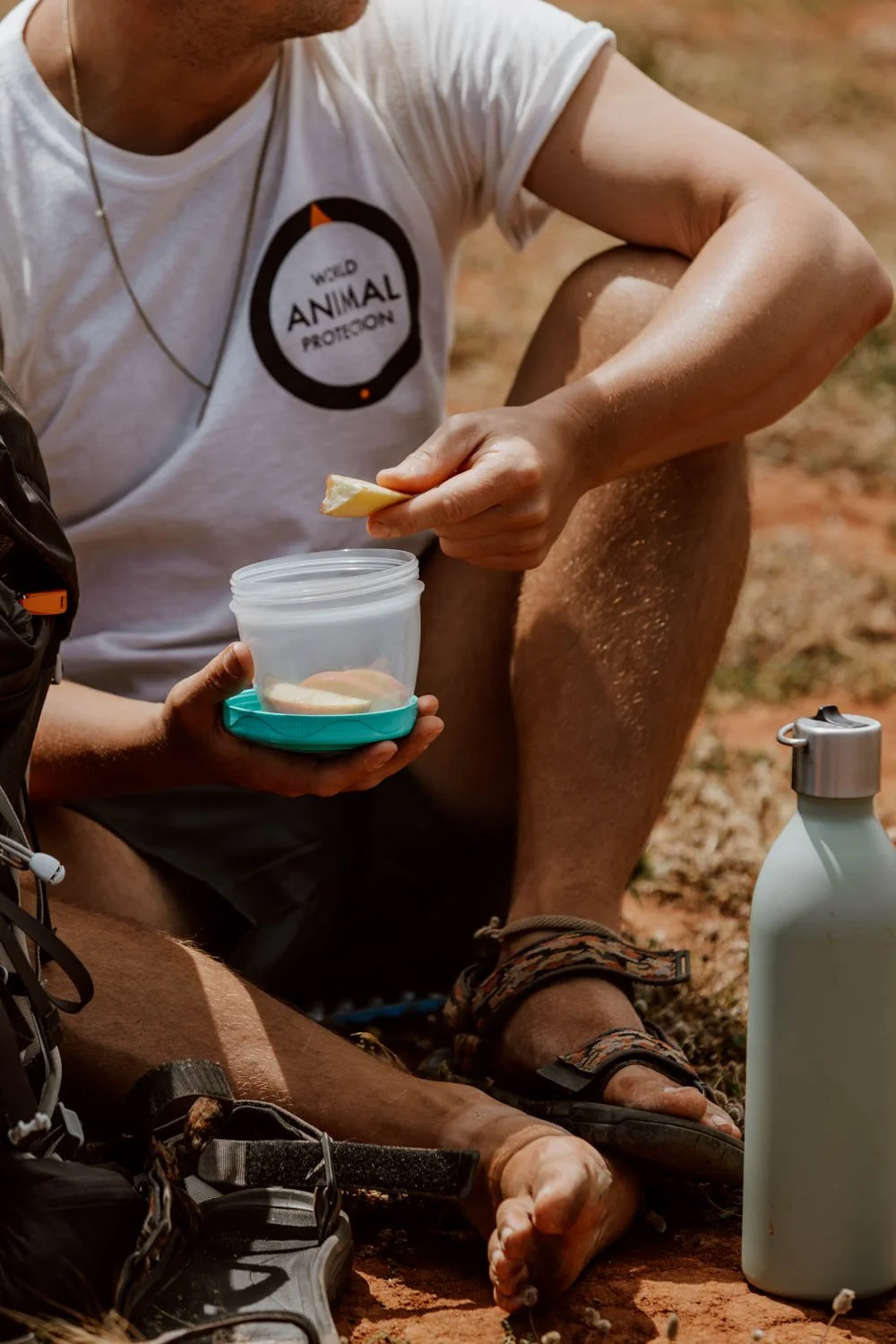
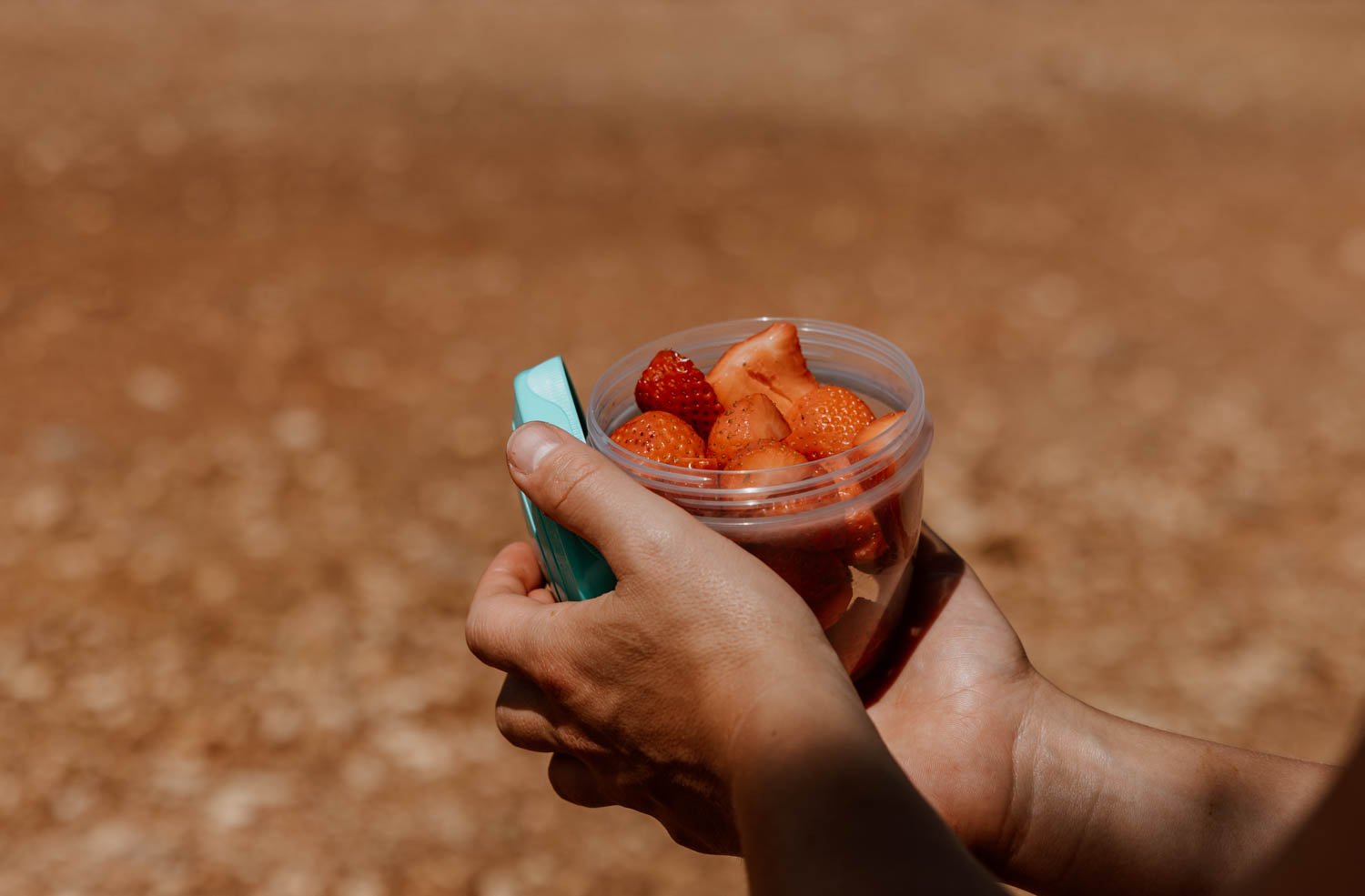
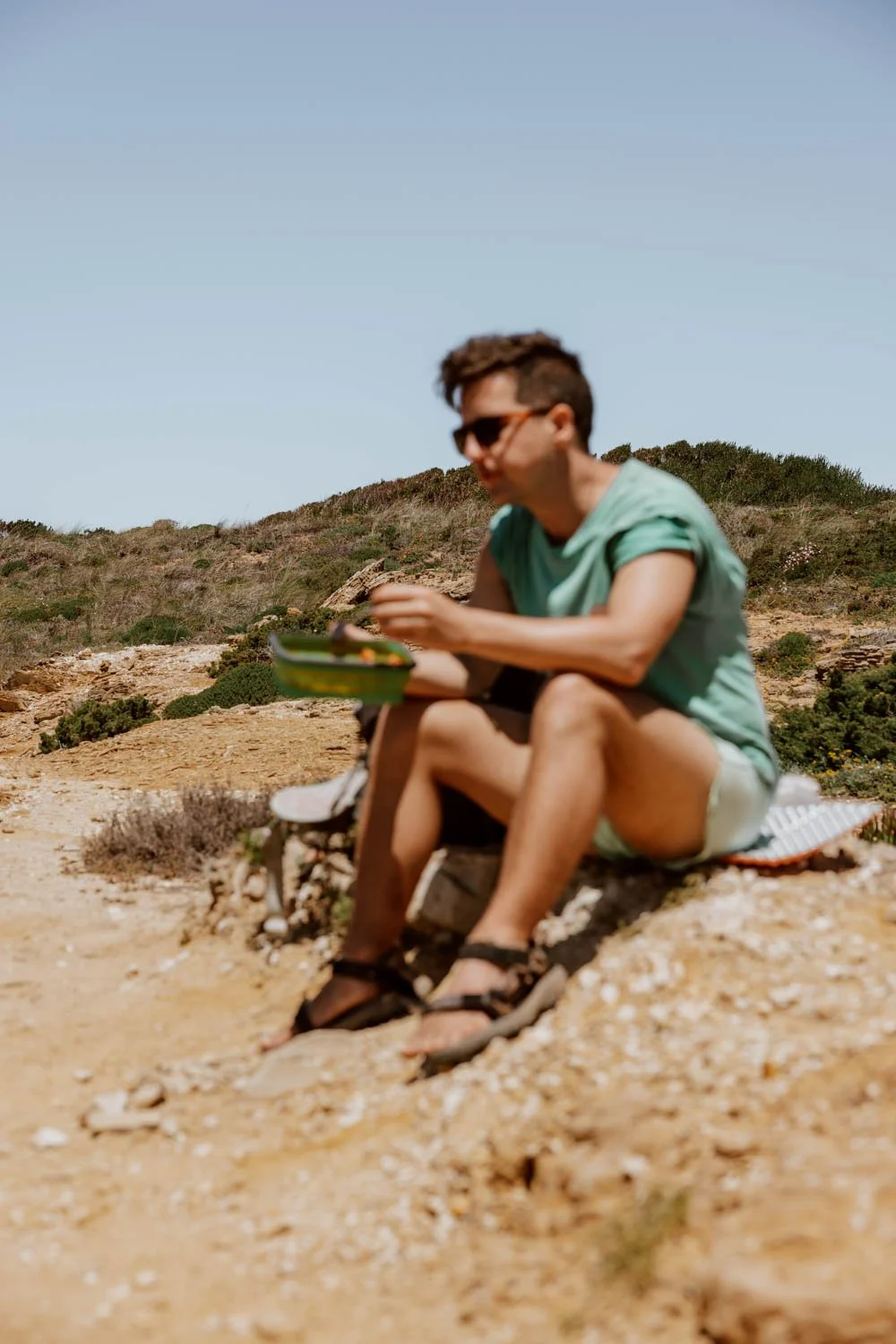
Whilst there are various sections where you’ll find great cafes and restaurants along the way - some of them unmissable - there are other days when a packed lunch is necessary. We’d usually make these at our accommodation the night before, then carry them in our space-saving collapsible tupperware.
A store of snacks is also essential - especially when you’re hitting a mental or physical wall. As we don’t like fake, sugary snack bars, and rightly assumed that we wouldn’t always be able to find good ones out there, we actually bought two boxes of Clif bars and some Nakd ones on Amazon to bring with us from home; this proved to be a really good decision, particularly on days where we didn't have time / facilities to make a packed lunch or energy levels were low and we really needed that quick boost.
Hydration is also critical and you’ll need to bring a least one (preferably two) refillable bottles / containers, topping up where possible along the way as well as stopping to buy a drink at cafes you’ll pass along the trail.
Our set-up was three one-litre refillable bottles (two insulated Qwetch ones and a Nalgene one), and we suggest every hiker needs to carry at least two litres of water each day.
Remember that one litre equates to a kilo, and that extra water weight has to be factored into what you’re carrying at the start of each day!
Another travel hack we had was carrying a decent stash of High5 hydration tablets. They weigh next to nothing, take up little space, top up electrolytes, and are a tasty game-changer after sweaty, sun-baked days on a trail.
We packed:
· 2 x Qwetch water bottles
· 1 x Nalgene refillable
· Set of collapsible containers
· 2 x titanium sporks
· Nesting pots for chopped fruit
· Huntsman Swiss Army Knife
· Chocolate chip and crunchy peanut butter Clif bars
· 3 x High5 hydration tubes
Travel Tip // Each town on the Fishermen’s Trail has at least one small shop or supermarket, which always tended to have a surprisingly plentiful and diverse selection of items most of the time. On the various evenings we cooked at our accommodation - which usually provided oil, salt, etc - we always found plenty ingredients to rustle up something vegetarian and carb-heavy, as well as source 100% necessary sweets and chocolate. Same goes for packed lunch prep, or fresh fruit to snack on. If you’re doing the full Fishermen’s Trail, there are several towns with big supermarkets where you can also top up on treats, food, or toiletries to rejuvenate and refresh your energy levels.
Tech
As travel bloggers, we often have to carry a ridiculous amount of tech - sometimes as much as 15 kilos - but we cut it down drastically for the Rota Vicentina.
Bringing a single camera body made sense for this trip, and we went with our Canon R5 with a 24-70mm lens attached, swapping to a 70-200mm lens when needed, with a charger and a few spare batteries.
Beyond this, one of the joys of walking the Fishermen’s Trail is to detach yourself from day-to-day dependence on tech and screens: this should be fully embraced.
The one big allowance we’ll make? Those walking the full Fishermen’s Trail will absolutely have moments where they need motivation to power through, and if we didn’t have our little bluetooth headphones on a couple of days there would have been many more arguments and tears.
We packed:
· Canon R5
· 24-70mm lens
· 70-200mm lens
· Various chargers
· 2 x iPhones (which we filmed all our Instagram Stories on)
· 1 x power bank
· 2 x headphones
· 2 x Petzl headtorches
FYI // For any hiker photographers out there, definitely consider investing in a Peak Design camera clip. A follower insisted we get one after seeing us on so many hikes with a camera in our hands or on our shoulder, and we bought one before the Fishermen’s Trail. Total game-changer.
If you’re as paranoid as us when you first use it, then we suggest using a carabiner clip to attach the strap to your daypack for extra resassurance.
The Useful Little Things
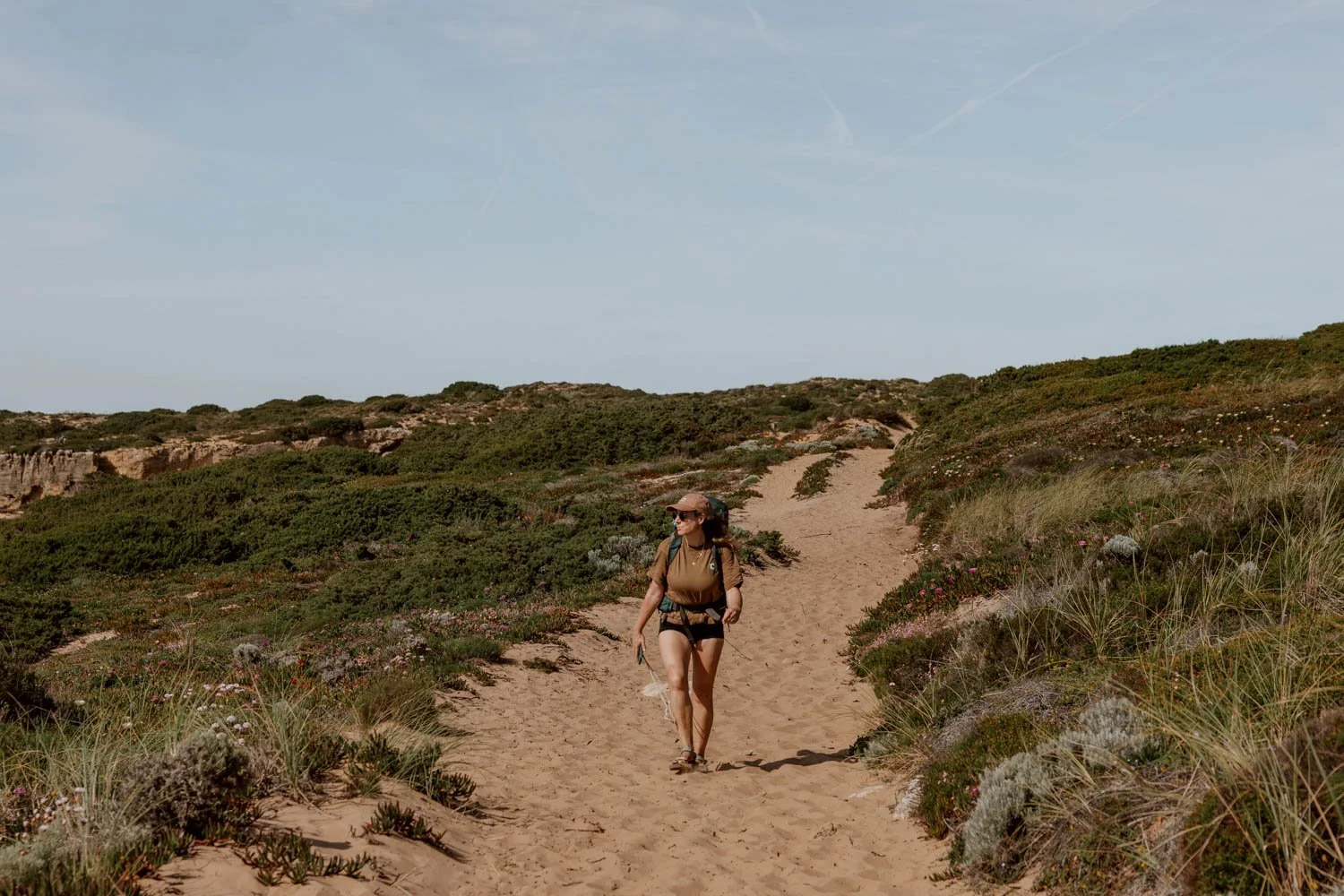
Lastly, these are the random little things we brought along that proved pretty useful across the thirteen days:
· travel towels / for spontaneous dips in the sea on along the trail and a back up in case any accommodations didn’t provide one
· sunglasses / absolutely essential
· glasses straps / yes, it makes us old, but turns out these are bloody useful when you need to take sunglasses on & off a lot.
· phone sling / these a super helpful when we need have our phones easily in reach, but don’t want them constantly in our hands or pockets - Native Union
· bin bags / always handy on hikes, they double up as excellent laundry bags. stick a few in your backpack’s top compartment before you leave home.
· travel washing line / we’ve had this lifeventure one for years, and used it three times on the trail.
· canvas bag / always handy on every trip, bring one or two for groceries, separating clothes, or for snack - packed lunch overflow.
· folding sit mats / if you ever thought team ADR were cool, please look away now. this was our longest multiday hike, and we knew we’d want to sit down for lunch and snack breaks in scenic settings. one half mocked the other for buying them, but was perhaps their biggest fan during the thirteen days…
· clips / we always carry with a couple of carbiner clips on backpacking and hiking trips as they’re so useful in so many situations, and on the fishermen’s they were perfect of carrying the extra water bottle, drying an item of clothing along the way, and extra security on our camera strap. you can get cheap, flimsy ones, but it pays to get a solid Petzl one like ours.
· a book is never a bad idea to bring along, especially if you’re hoping to disconnect and spend less time on your phone on this trip, and those doing the full Fishermen’s should consider buying a €15 hardcopy of the official guidebook in Porto Covo.
· padlock / we didn’t have to use this as we were always in private rooms or apartments, but if you’re staying in hostels it’s a good idea to bring along
· pack of cards
· we had a couple of ziploc bags with us with came in useful for lunch overflow and extra storage
Lastly, the only thing we truly felt we lacked across the thirteen days was a little bottle of washing up liquid to do our tupperware and sporks in hotel/hostel bathroom sinks (handsoap just doesn’t work as well).
FYI // Although many now accept card, several restaurants and cafes along the route are still cash only. Most towns along the route have an ATM, but some only have a Euronet-branded one (which you should always avoid unless totally necessary). You should withdraw a wedge of cash from a local bank’s ATMs before you set off from Lisbon or Porto Covo, and keep it topped up for day-to-day spending and emergencies.

Travel Better Along The Fishermen’s Trail
Our Fishermen's Trail Itinerary & Planner