The Best Time To Visit Costa Rica (And The Worst!)
Planning the perfect trip to means knowing what time of year to go!
Keep reading to discover the best time to visit Costa Rica (and a couple of months you should probably avoid).
For most travellers, the best months to visit Costa Rica will be from early December to the end of April.
This is the peak season with reliably dry and sunny weather for the Pacific Coast beaches, and great conditions for wildlife spotting, surfing, ziplining, and a variety of other outdoor activities.
For anyone experiencing a long, cold winter in Europe or North America, this makes the country an ideal pick for those seeking a sun-filled holiday or adventure, but do be aware that December to February is busiest and most expensive time to go.
However, there are literally two sides to Costa Rica when it comes to planning a trip around the small country's varied tropical climate:
1. The Pacific and Caribbean coasts have distinct, contrasting seasons
2. The rainy 'green season' is actually ideal for certain activities
Any traveller looking to cover both sides on a single visit, or include cloud forests and coffee fincas as well as the coast, should be flexible and anticipate a bit of mixed weather and some rain - and should always bring an extra layer for the capital city of San José.
In our short guide, we'll help you understand the main differences and work out the very best time to visit Costa Rica (and the months to avoid) for your travel style, budget, and interests.
The Brief / Costa Rica
· Small Central American country with a variety of microclimates & geographies
· Pacific and Caribbean coasts have different seasons
· November to April is best for sunny, dry Pacific trips and major sights
· September to October is best for sunny, dry weather on Caribbean side
· Some regions generally wetter and cooler throughout the year
· The wet May to October 'green season' has benefits for nature and budget travel
· Avoid Semana Santa week and the December-January vacation spike to keep costs down
The Best Time To Visit Costa Rica | The Pacific vs. Caribbean
Costa Rica has two seasons - dry and rainy - and the majority of you will want to visit during the dry season months of late November to the end of April.
The Pacific Side
For the most well-known and visited regions of the country - concentrated on the Pacific Ocean side - this will be the busiest and most expensive time of year to go. However, you’ll get guaranteed sunshine and very little chance of rain, which are two crucial factors if you're planning on a lot of beach and nature time.
Average temperatures in popular destinations range from 27°C - 35°C (80°F - 95°F), and it's perfect for places like Manuel Antonio, the Nicoya Peninsula, Uvita, Tamarindo, Santa Teresa, Corcovado National Park, and Drake Bay in the Osa Peninsula.
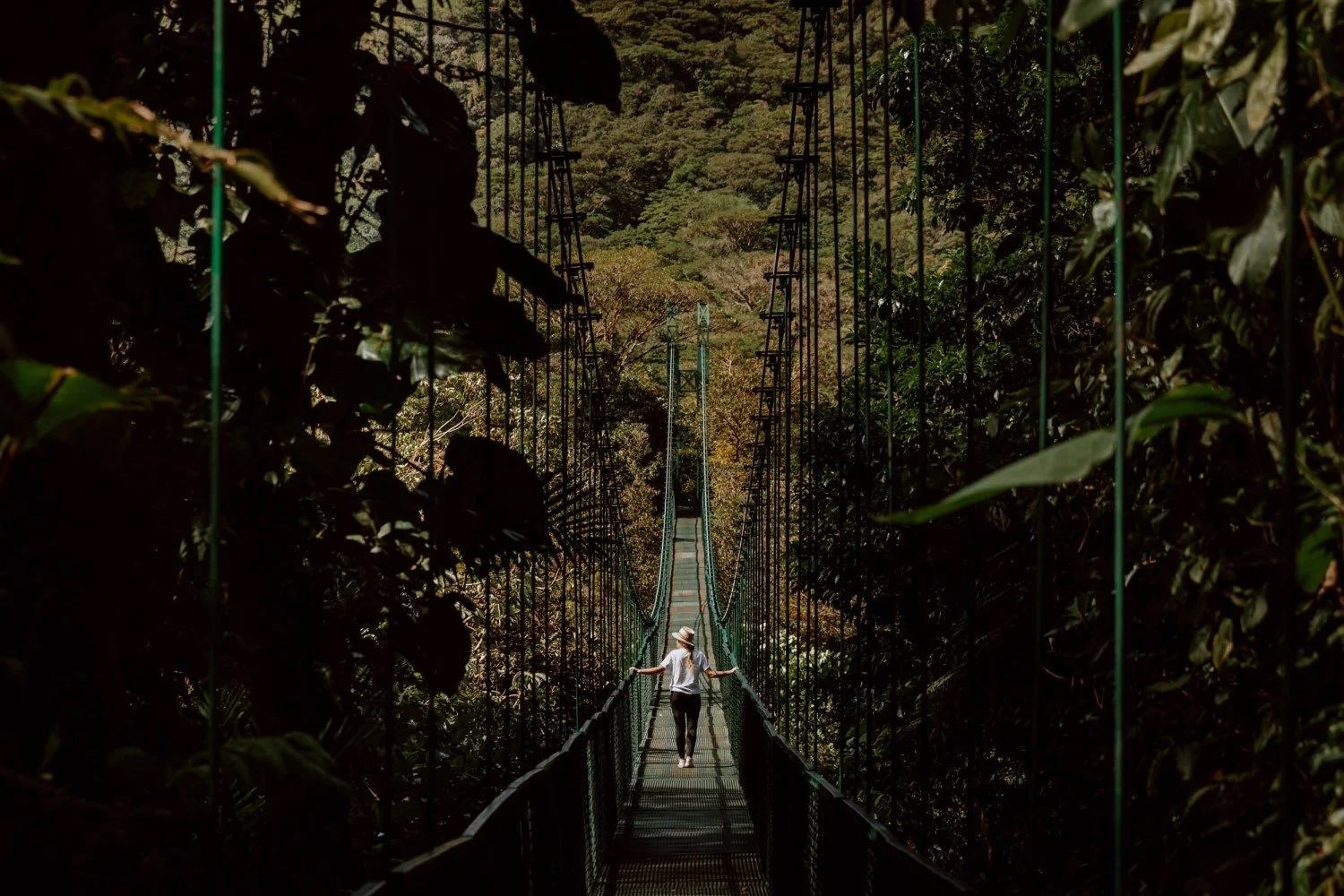
This is also an excellent time for the cloud forests, ziplines, and hanging bridges of Monteverde - a place that tends to always be a bit cold, grey, and drizzly.
Our last Costa Rica trip took place in January and it was ideal, especially for the whale watching in the Parque Nacional Marino Ballena.
If planning on a budget, do bear in mind that Costa Rica is the most expensive country to travel in Central America - with costs that can be prohibitive for some travellers - and dry season sees prices and demand at their highest.
Top Tip // Visiting in the transitional month of November can be an excellent travel hack; the country will be more lush and green as it exits the rainy season, and you’ll experience more sunnier and drier days than in the months before. Of course there’s always the risk of a rainy season 'overhang' and occasional storm, but for some travellers the lower prices and smaller crowds may be more than worth a ‘maybe’.
Some of the same benefits apply to visits in May and early June as the dry season is coming to a close.
The Caribbean Side
However, November to April is not the best time to head over to the lesser-visited, less touristic Caribbean coast, which includes places like Tortugero, Limon, and Puerto Viejo.
A LOT of backpackers and road trippers make this mistake, especially when going through Central America at this time of year, as they hear that the Caribbean side is more affordable and less American vacation-ised: it usually ends in a bit of disappointment or stuck wheel because November to January is this side of the country’s wettest period
Indeed, we made this very mistake for a Christmas stay in Puerto Viejo during our two-year trip in Latin America and, whilst it wasn't atrocious weather, the constant grey skies, daily rains, and chill in the air definitely meant it didn't deliver on our expectations. It's generally sunny in the morning, with periods of rain in the afternoons, so don't view it as a total write-off; just be aware that it’s going to be changeable and quite different to what you'll get on the Pacific Coast on the same trip.
For the Caribbean coast, September to October is generally considered the best time to visit. Whilst, these are the wettest and worst months for the rest of the country - it’s dry and summery on that side.

Best Time To Visit Costa Rica For…
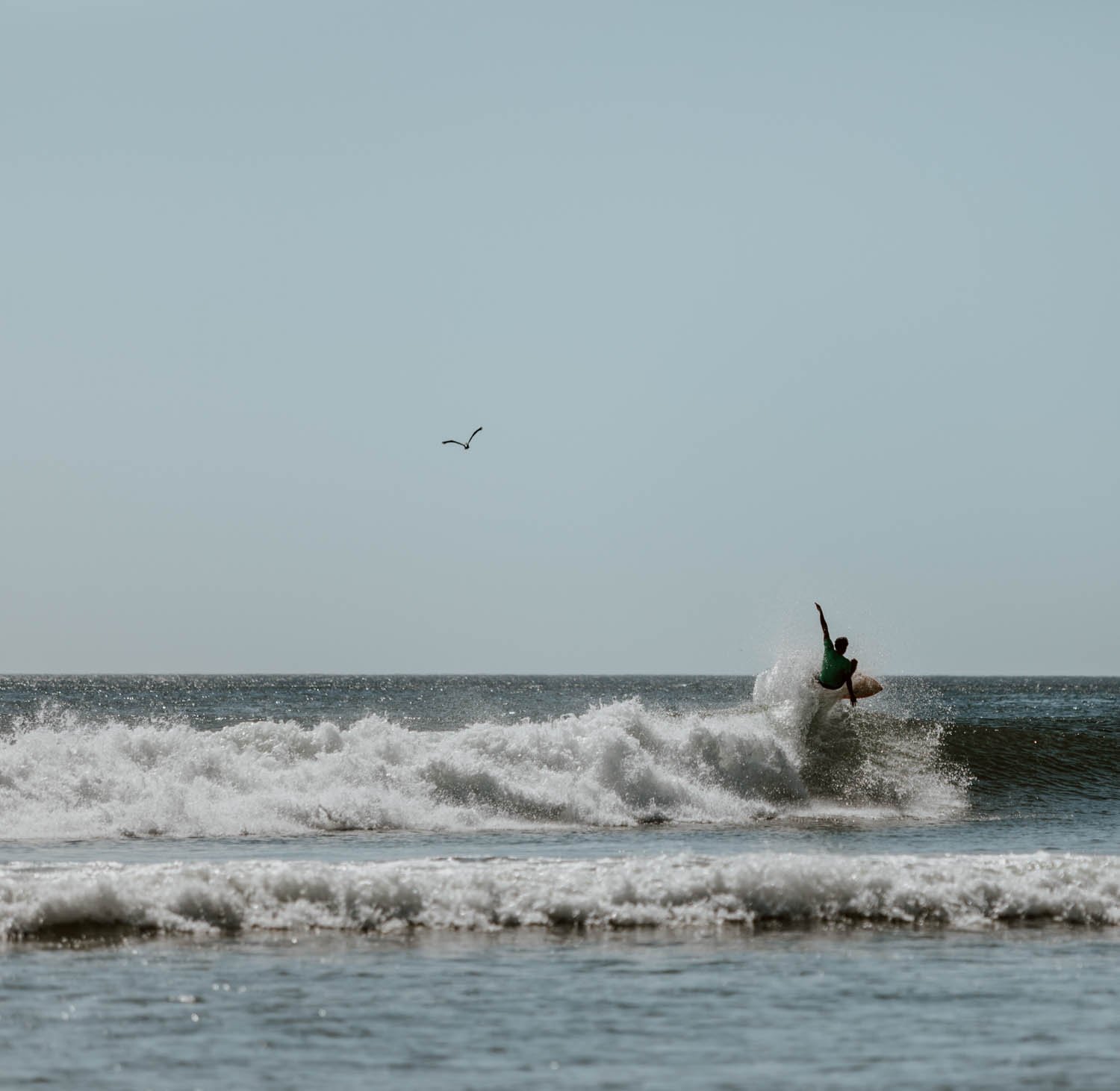
Surfing / Year-round, but proper surfers will prefer the bigger swells in June to September
Whale-Watching / Northern hemisphere whales on the Pacific side from mid-December to the end of April. Southern hemisphere humpbacks from mid-July to mid-November in Corcovado National Park, Drake Bay, and Parque Ballena.
Turtles / Almost year-round! The main place is Tortuguero National Park on the Caribbean coast, and the nesting season starts from July to October; hatchings then take places from April to December. However, there are quite a few places on both coasts where turtles nest and hatch throughout the year, with leatherbacks from October to May. Where you go, it's essential that any activity around turtles and nesting is done responsibly.
Hiking / Whilst the temperatures pose challenges, hiking in Costa Rica is best done in dry season conditions. Many shorter hikes will still be possible in the lush surrounds of rainy season, but the muddy trails can become difficult or impassable.
Waterfalls / At their most powerful and fullest from May to November - but don’t miss swimming in Nauyaca Waterfall in dry season.
Birding / Year-round, but January to April is the main season, but many prefer the lack of crowds in national parks, cooler temperatures, and lush environs of rainy season.
Road Trips / Dry season offers best conditions, but if you are planning a Costa Rican road trip in December to February, you should absolutely get your vehicle booked done months in advance. Rainy season roads trips may require a 4x4 and better planning, with road closures common due to rains and landslides. Check rates and availability on Rentalcars.com.
The Rainy Season
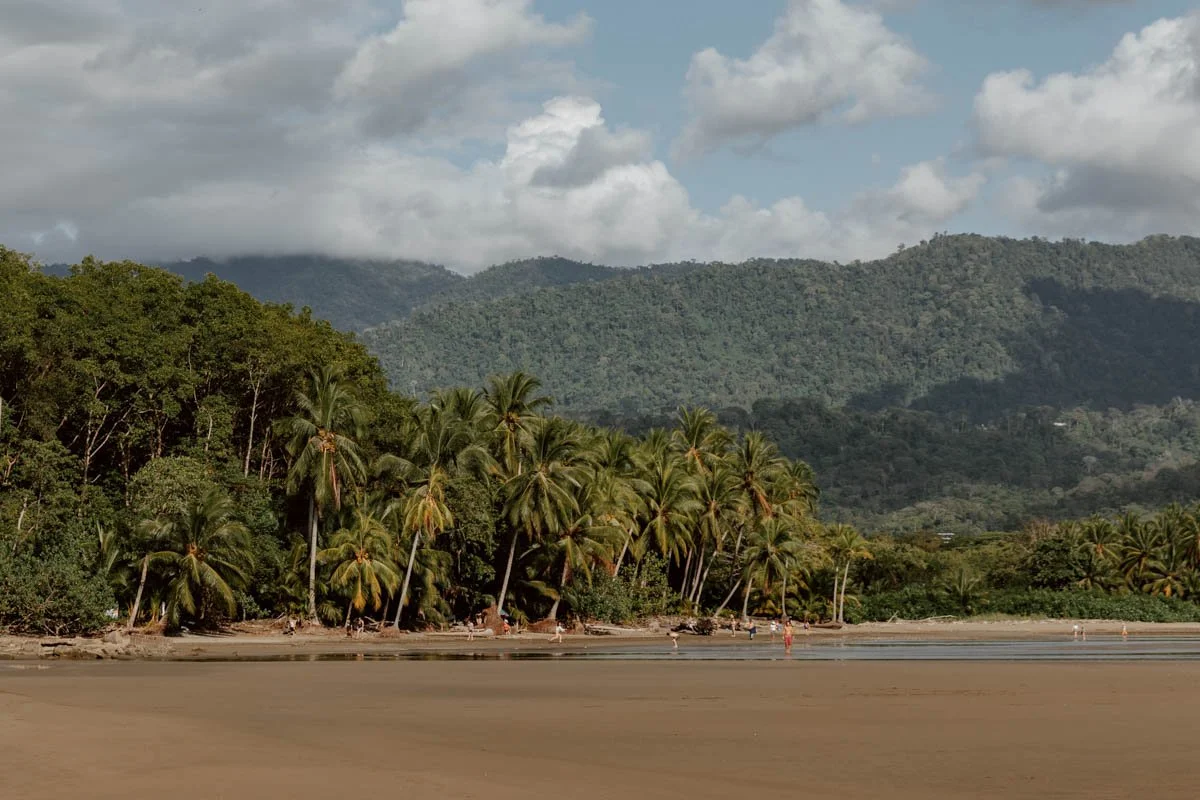
Stretching from May to November in most of the country, Costa Rica’s rainy season sees much wetter weather, more cloud coverage, a small dip in temperatures, and an increase in humidity.
Average temperatures are in the range of 25°C - 30°C (77°F - 86°F)
It doesn’t rain constantly though, with the days instead following a certain rhythm: drier, sunnier mornings followed by rain or storms in the afternoons and evenings.
The rains and storms can be a brief, heavy tropical downpour or a more drawn out affair.
Whilst that won’t sound appealing if fun in the sun is your priority, it doesn’t mean Costa Rica is a total write-off.
Indeed, some travellers prefer it.
The rainforests are lush and thick, waterfalls full and gushing, more flowers bloom, and the (non-sloth) animals more active and present in comparison to the hot, dry season.
This is why it’s commonly referred to as ‘the green season’ and, whilst we’re not entirely certain whether that’s simply tourism board marketing or not, these months appeal to travellers who are less focussed on the beaches.
Green season is also when the country is most affordable, least crowded and, perhaps, much closer to being a more interesting version of Costa Rica to experience than in the busy peak tourism months.
It’s also great for white-water rafting and birdwatching.
Therefore, if visiting Costa during the rainy season, you will still be able to do lots but you need to pick destinations and activities accordingly, and adjust to the rhythms of the weather.
From personal experience though, it important to go into it with eyes wide open - rainy season in Central America can become a frustrating experience, and make certain big ticket destinations or experiences a washout or far less impressive than they could be.
Driving conditions will be more challenging and unpredictable, with more remote roads becoming impassable due to landslides, floods, or mud churn - a common occurrence around Drake Bay in The Osa Peninsula.
Travel Tip // As well as choosing the right places, packing appropriate clothing and footwear for the green season is essential. One can never have too many dry socks, plus a good packable rain jacket and an umbrella is essential to have in your daypack.


The Months to Avoid
As is hopefully clear by now, travel in Costa Rica isn’t just limited to a brief period of a few hot months, and because the country is loved for its rainforest, nature, and wildlife - not simply its beaches and sunshine - it can be visited and enjoy year-round.
However, the most important thing is to choose the season based on your interests and travel style.
Unless you are visiting for different reasons, or the weather doesn't shape your trip, you definitely will want to avoid September and October for the Pacific Coast destinations. These are the wettest months, and we suggest most travellers and vacationers will really not want to be having their Costa Rican adventure at that time.
This can extend to include August, which is a bit more of a gamble.
You should also avoid visiting around the incredibly busy Semana Santa vacation period. This is Easter week in Costa Rica - the specific dates change each year - and nearly every local is travelling the country or on vacation, so prices skyrocket and availability is much more limited.
Personally, we would also try to avoid the Christmas / New Year period. As it coincides with the Pacific dry season, it means lots of locals go on holiday as well as international visitors, and the coast will be at its most crowded.
If you have flexibility, it’s much better to go before or after this - and generally any time outside December-January will have a positive impact on crowds, prices, and your overall experience.
Also, factor in the American ‘Spring Break’ dates in March.
The Verannillo de San Juan
From some point in mid to late July until the end of August, the rain takes a break for a few weeks, but everything remains lush and green.
It's known as the 'secret season' to tourists, but Costa Ricans are well aware of the veranillo (little summer) and take advantage of this for holidays on the northern Pacific Coast.
For travellers however, it would be a gamble to base your travel plans around this brief window, as it can arrive early or late, and coincides with European and North American summer school holiday season.
Where to Next?
13 Wonderful Things to Do in Costa Rica
23 Things to Know Before You Visit Costa Rica
A Guide to Backpacking Costa Rica