The Best Things To Do in Boquete, Panama
From coffee fincas to cloud forest hikes, our guide covers everything you need to plan your time in Boquete.
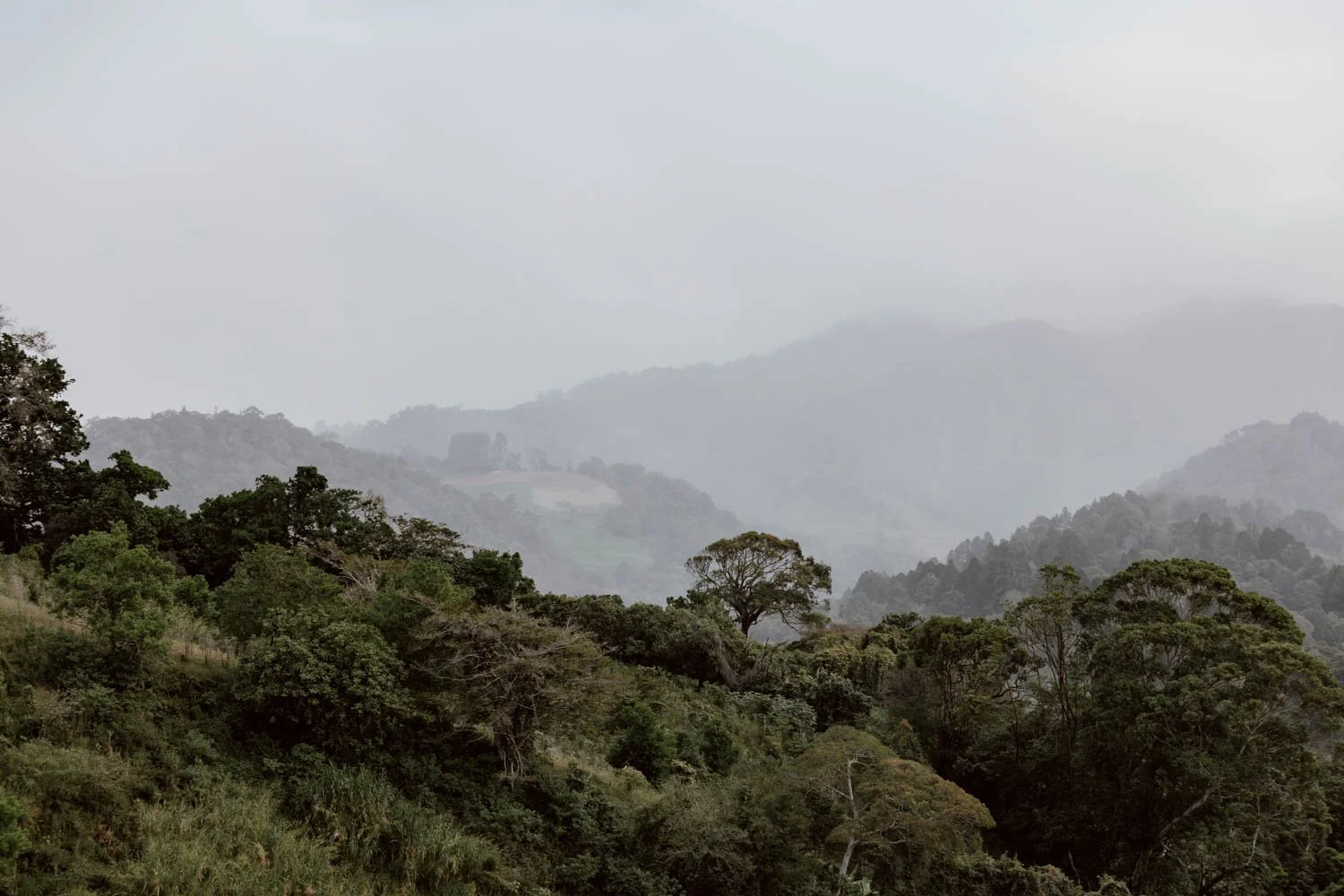
In this tiny town in the highlands of Panama, one of the most coveted coffees in the world grows between the morning sunshine and rolling afternoon mists.
A delicate little cherry called Geisha - nothing to do with Japan by the way - it flourishes only in places where the high-altitude climate and soil is just right.
Not too hot, not too cold, it’s sort of the Goldilocks of specialty coffee varietals, and the price isn’t too far off gold either, with the Boquete-grown geisha consistently breaking records. Last year, one estate fetched a staggering $13,518 per kilogram at auction and, to put that in perspective, a really good bag of specialty coffee might set you back $30 to $50 USD a kilo.
This isn’t just a regular brew we’re talking about here: it’s one of the most expensive agricultural products on earth and the reason Panama is so revered amongst coffee hipsters and nerds.
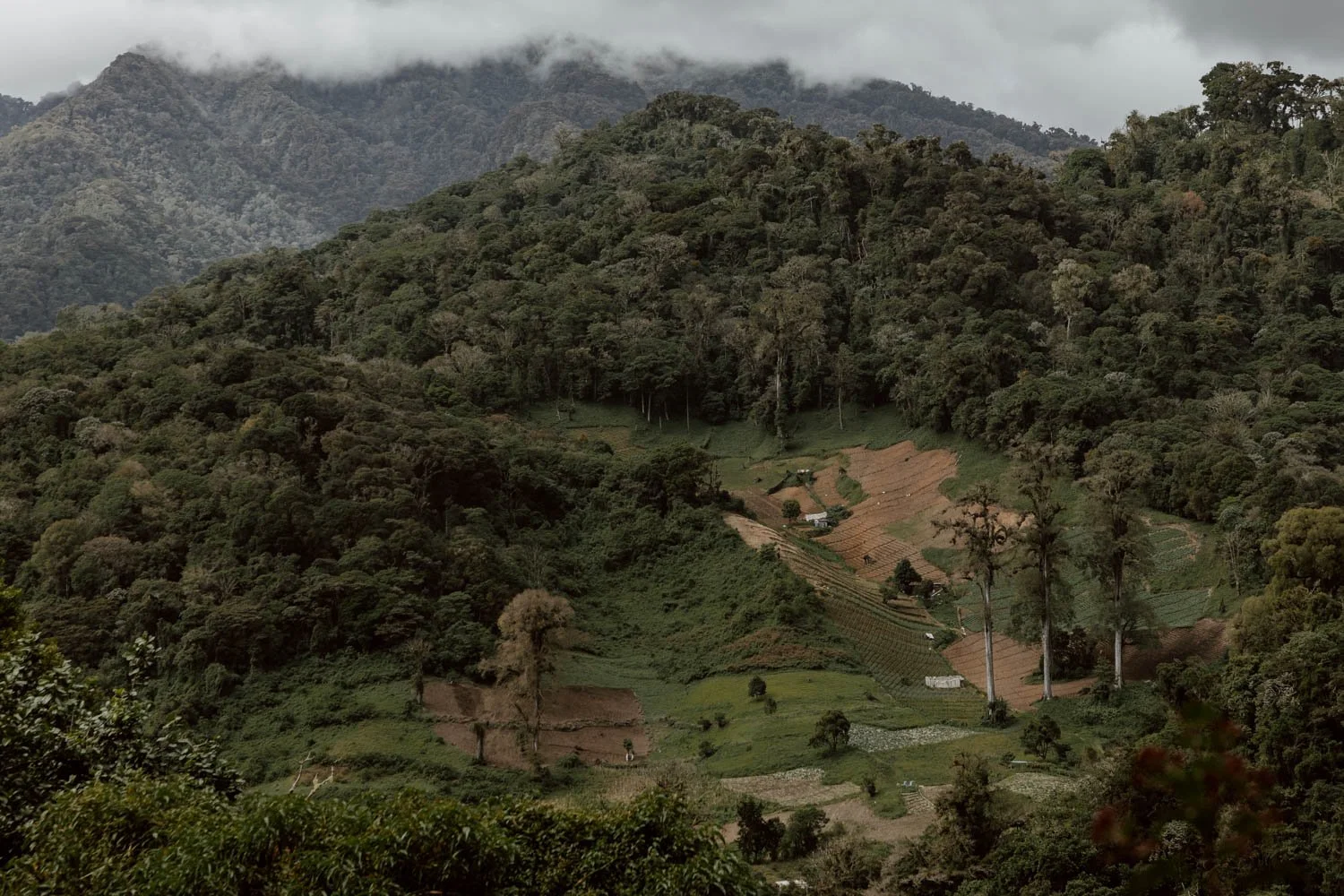
Yet, here amongst the cloud forest canopies, dormant volcano, and afternoon drizzle that creates the perfect conditions, it’s easy forget the price tag and remember that Boquete is a quiet, agricultural town at heart, shaped by soil, seasons, and those who have been here long before the first coffee seed touched the Chiriquí soil.
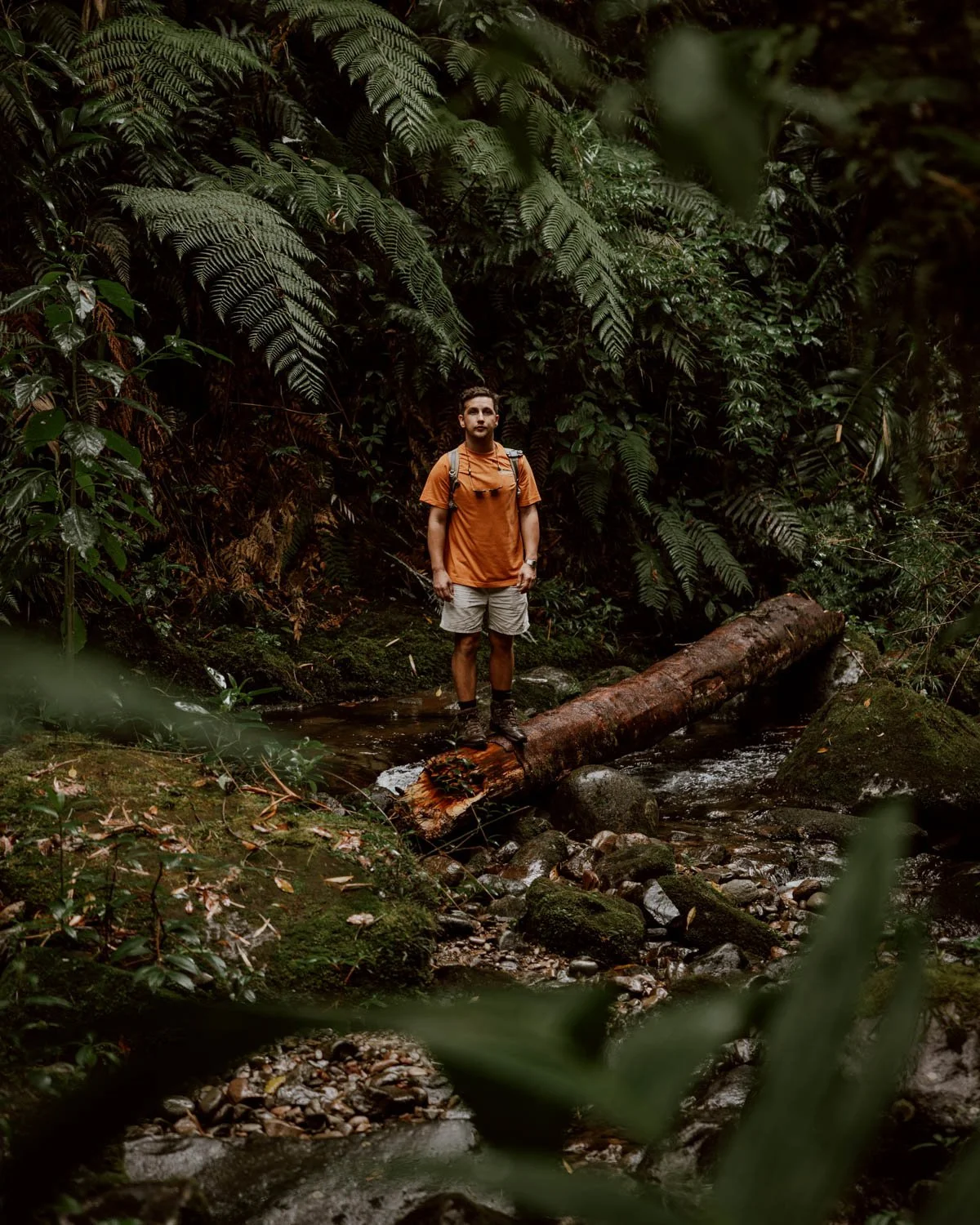
For the traveller, this is a place to walk, hike, and slow down in nature. Beyond the fincas and tastings, the town offers access to a myriad of muddy trails to waterfalls, miradors, strawberry fields, quetzal habitats, rafting rivers and - for those who are brave or foolhardy enough for the challenge - a thigh-wrecking slog to the highest point in Panama.
In our travel guide, we’’ll share our very favourite things to do in Boquete to help you plan your stay and travel better. As well as our personal recommendations on hikes, cafes, and tastings, we’ve also included essential advice that’ll help you get to grips with the town’s quirky layout and climate.
These are the best things to do in Boquete, Panama.
The Boquete Essentials
Know / Very wet weather compared to elsewhere in Panama - rains around 10 months per year
Drink / The world’s most expensive coffee at Las Lamastus
Learn / All about the coffee growing process on a finca tour - this one is excelent value but this one is more in-depth
Hike / Lots of trails in Boquete but three of the most popular are The Lost Waterfalls, El Pianista and The Pipeline
Adrenaline / Go ziplining, white water rafting or climbing
Visit / During the annual flower festival
Stay / We loved the homely guest house vibes of Gaia but Bambuda Castle is popular amongst solo backpackers. Downtown Suites is excellent for your own space but for real luxury take a looks at Valle Escondido Wellness Resort
The Context-Setter
For a few places in Panama, it’s important not to assume the weather is always going to be sunny and hot, even in the dry season months of December to April.
This is where many go wrong with Bocas del Toro, and it’s also the case with Boquete.
During our January stay, the daily rhythm was clear skies and bright sunshine in the early mornings, then dark cloud, mist, and rains rolling in from midday. The shift was sometimes abrupt, sometimes gradual and there were big, bold rainbows every afternoon.
This contrast is what creates such hospitable conditions for the coffee in the lush, green, cooler highlands, and at times it can be sunny in the town whilst the surrounding hills are shrouded in mist. Yet, if we drove just a few miles down from the town, everything would change quite dramatically to exotic plants, cacti, and tropical sunshine.
One barman told us that it rains ten months out twelve here - even in the verano (summer) - and our hostel receptionist backed him up.
Now, you may experience something different, but the main takeaways for us were that:
Boquete’s weather means you’re best to hike in the morning, with anything started in the afternoon having a significant chance of being wet, chilly, and grey.
The same goes for the fincas and their cafes, as much of the space is open-side or in the outdoors. Many finca tours offer a morning (9am) or afternoon (2pm) slot, and you should plump for the former if there’s a choice.
You should keep any indoor activities or mooching around for the afternoons.
You should absolutely pack a rain jacket and a fleece, and expect to wear a layer in the mornings and evenings.
Expect rain, and note that conditions in the May to November wet season may give a very different, less enjoyable experience.
A few nights are included in nearly everyone’s plans, with most visiting this part of west Panama on their way up or down from the Bocas del Toro archipelago. However, if you really have no interest in coffee, walking in the outdoors or another waterfall in Central America, then it is reasonable to question whether Boquete should feature in some shorter, quicker Panama itineraries.

The Best Things To Do in Boquete
Hike The Lost Waterfalls Trail
It’s easy to get bogged down on the coffee, so we’ll start with a hike instead!
Set within a private finca outside the town, the 6km Lost Waterfalls Trail is absolutely one of the most popular things to do in Boquete.
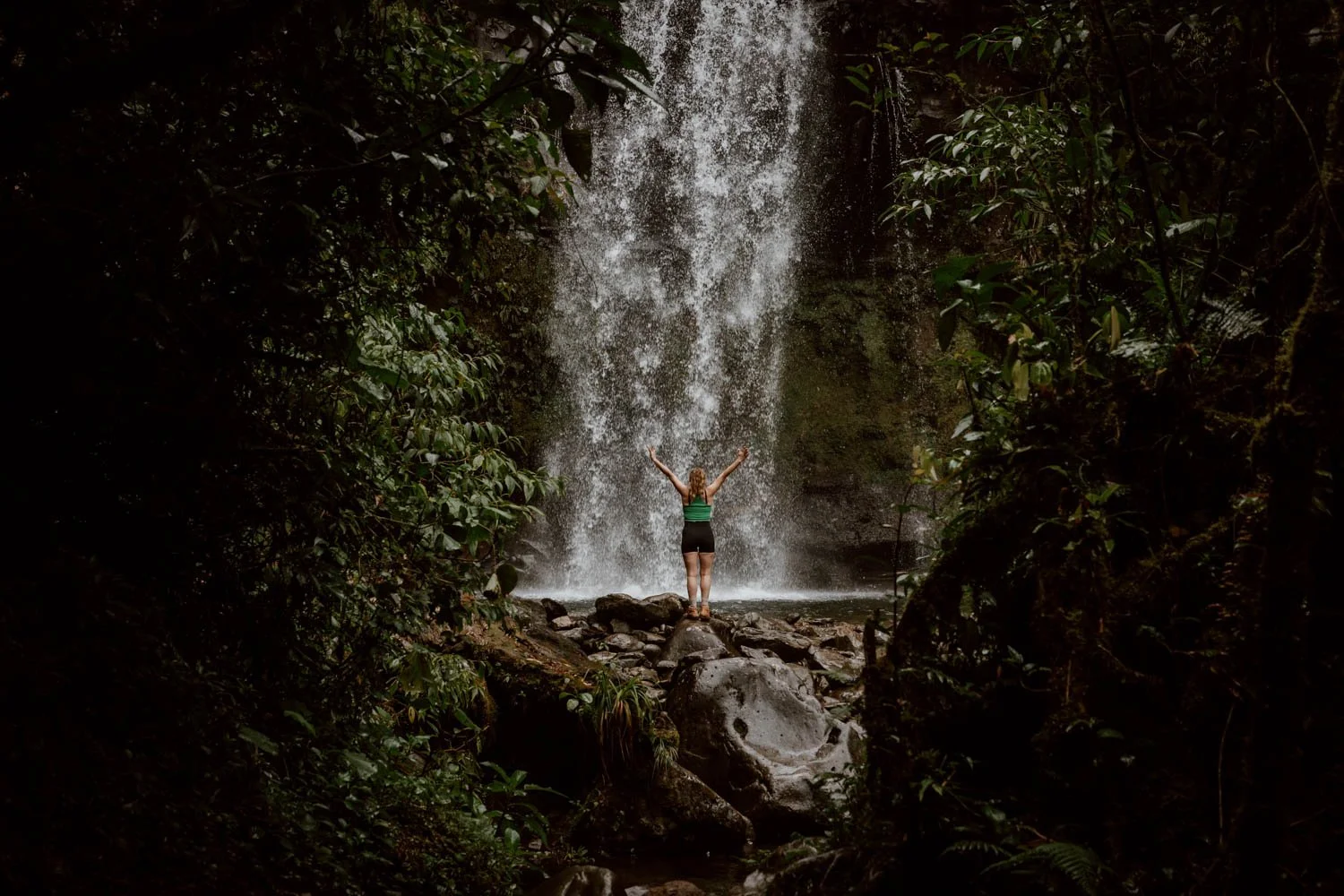
Also commonly referred to as Las Tres Cascadas (The Three Waterfalls), it takes travellers along and up a defined narrow dirt trail to three waterfalls tucked away in the dense cloud forest. In a region where waterfalls can often end up being a tad overrated, it’s important to know that one of them is legitimately magnificent.
The trail takes two to three hours, but unfortunately may be a bit challenging for some travellers though due to the steep, slippery conditions in a few sections and one part that requires a rope-assisted ascent / descent; it will however be eminently manageable and enjoyable for most.
Where & When | You can find the entrance here on Google Maps, and it’s a 20-minute drive or 30-minute colectivo ride from Boquete.
The trail is open 8am to 5pm, with last entry at 3pm.
Cost | It’s $10 USD per person, which is unfortunately overpriced and may give budget travellers second thoughts.
Plan | We’ve shared all the details on the route, costs, and transport in our Hike Guide to The Lost Waterfalls Trail
Good To Know // Despite what a number of true crime podcasters and YouTubers say, it’s not pronounced like 'baguette' or ‘bokett’. Instead, you say it sort of like 'bo-ket-hey'. Also, be very very careful if you're ever telling a Brazilian about this place or Googling the town if travelling there, as Boquete is slang for something really quite different in Portuguese.
Visit The Coffee Fincas & Drink Geisha
Over the years, we’ve become those slightly pretentious people who frown on anyone drinking a cappuccino or flat white after a certain hour, will comment on flavour notes and profiles, and go out of our way to order a V60.
Coffee twats in other words.
Thankfully, in Boquete, everyone gets to play this role.
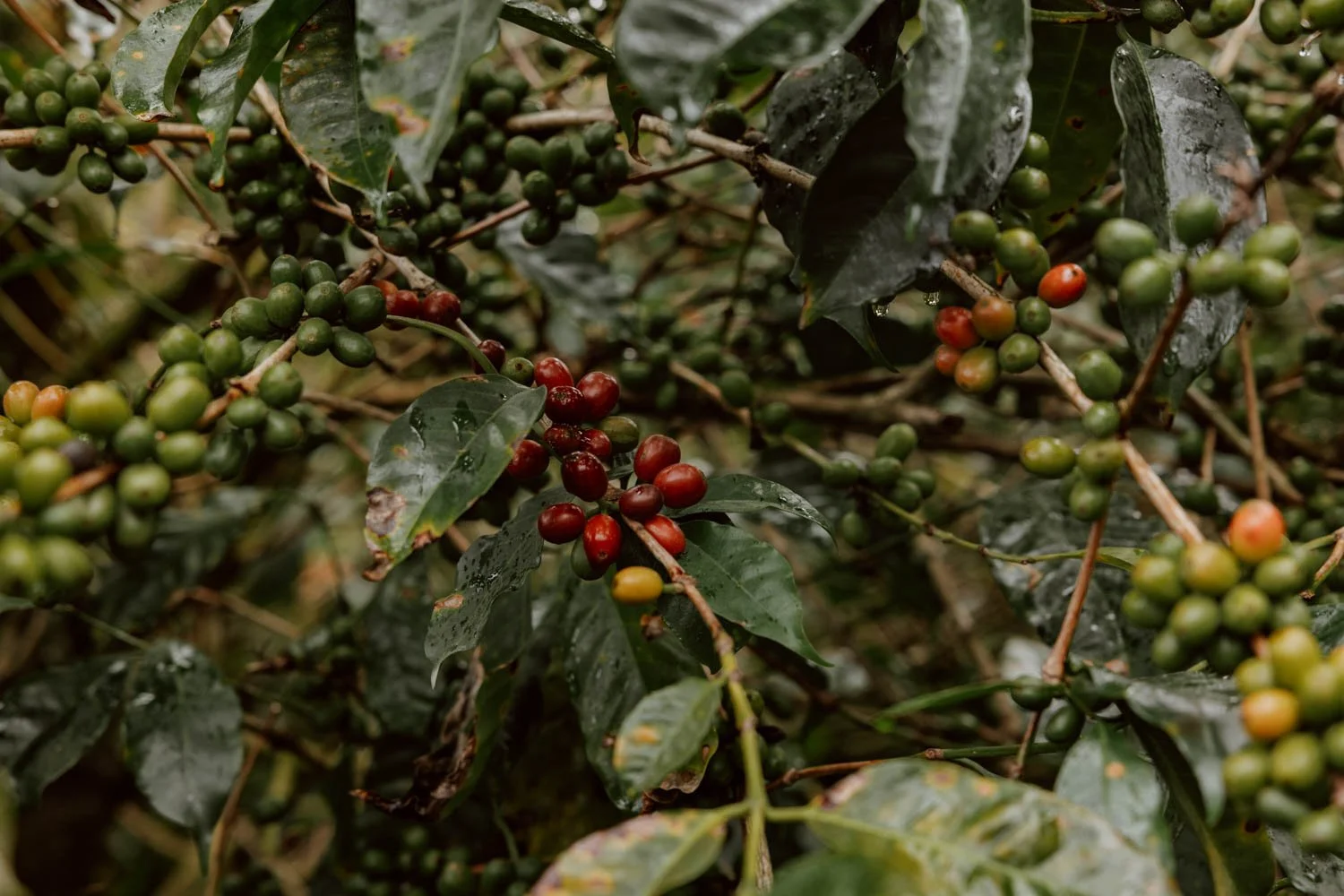
Heading out to visit one of the many family-run fincas in the hills is an essential activity, allowing you to understand the process from bean to cup, do a tasting, and learn how the idiosyncrasies of the area’s micro-climate make it ideal for growing the world’s most expensive coffee. The low-yield, delicate and distinctive Geisha varietal thrives in this unique terroir, shaped by the blend of sun, wind, rain, and volcanic soil at over 1,200 metres (3,900 feet), and you should try to have at least one pour over (no milk) during your visit.
The trouble is that so many fincas and estates will show up on your research or Google Maps search, and many are not public-facing. As we had our rental car with us, we could simply drive on to others on our list, but it could easily lead to frustration and disappointment if you’re depending on public transport or only have time for one or two mornings in Boquete.
To help you out, we’ve curated it down to selection of fincas (farms) that we personally visited and enjoyed for both the setting, the coffee, and the set-up. It’s also possible to buy bags of the good stuff on-site.
Most are situated a short drive out of town on the Bajo Mono loop, Los Naranjos, or the road to Volcàn Barú, and if you’re doing everything independently, it’s a good idea to pair you finca visit with a hike that starts nearby (more on these later).
Altieri Specialty Coffee | Established in 2005 by an Italian-American who moved to Panama in the 70s, Altieri has a modern, minimalist space for its cafe, and we really enjoyed our time here and the passion of the barista. They also offer four coffee experiences around the finca (ranging from $30 to $100 USD per person0, and you’re best to contact them in advance via their website. Note that overflow parking is down and across the road, and everything’s closed Wednesdays.
Lerida | When we were researching coffee farms in Boquete, Lerida - founded by a Norwegian engineer named Toleff Bache Mönniche- came up again and again and, having now visited, it certainly feels like the most popular option in town with a steady stream of visitors in the busy carpark.
One of the oldest coffee farms in Panama, it’s a quaint, heritage environment amongst the coffee plants. Unless you choose to stay in the on-site hotel, many people come to simply enjoy a coffee and slice of cake in the pleasant cafe, but Lerida also offers various experiences including a 90-minute plantation tour and tastings and a specialty coffee tasting - find out more on their website.
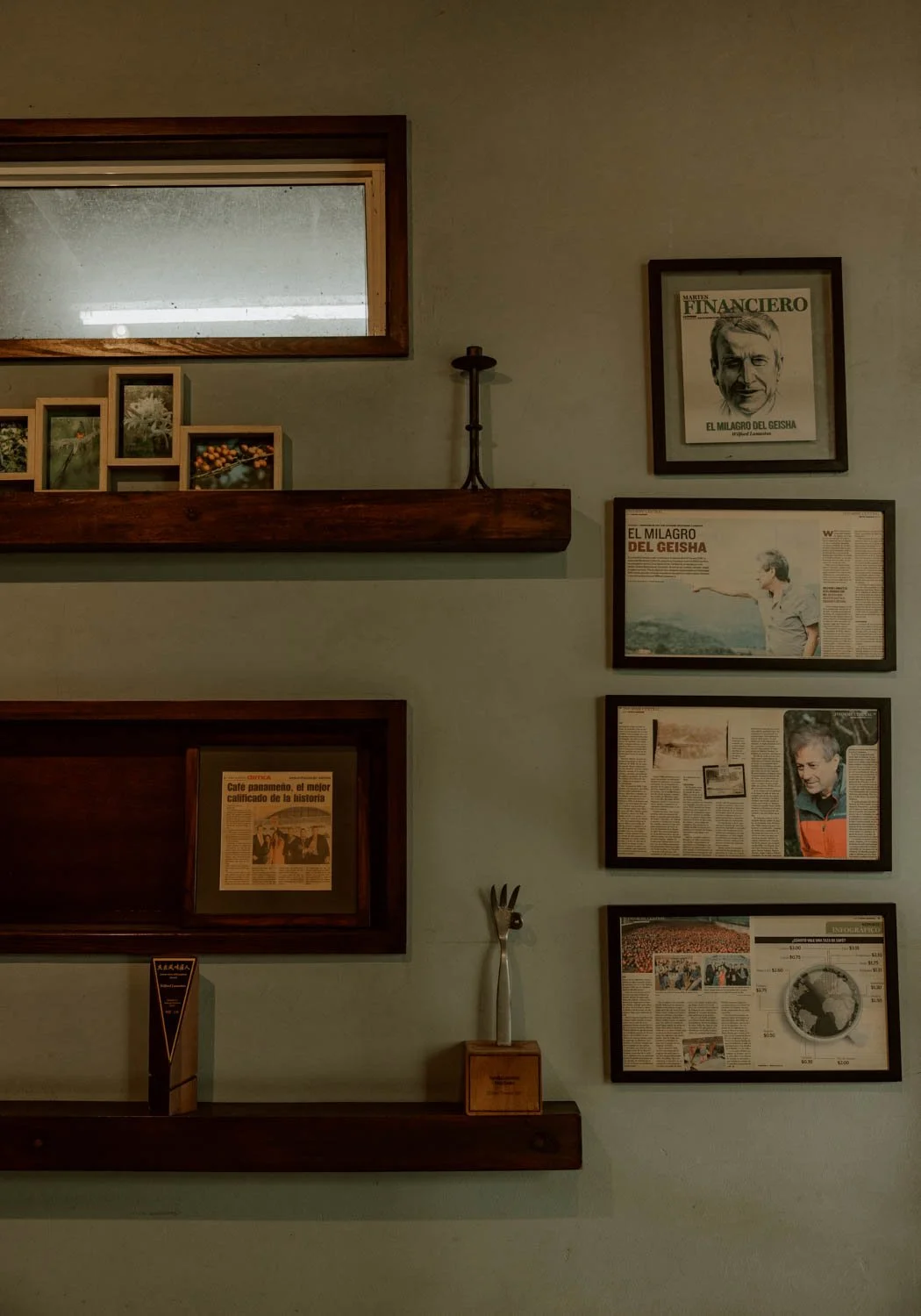
Las Lamastas | Beginning with a small Arabica plantation at the turn of the 20th century, the Lamastas family have been growing some of the world’s best coffee for four generations and now own three different farms in Boquete: El Burro Estate, Luito Geisha Estates, and Elida Estate.
In 2024, it was their ‘Elida Geisha Honey Aguacatillo’ which sold for US$13,518 per kilogram - the highest price ever paid for coffee!
You can head to their small Elida cafe (here on Google Maps) - right next to Lerida - whilst tours they offer range from ‘cupping experiences’ for $30 per person, all the way up to to a $200 per person guided visit of the finca by 4WD, with an in-depth tasting and meeting with Wilford Lamastus, the fourth generation producer - visit their website for bookings / details.
Alternatively, you can do what we did and simply turn up to to sip a V60 (pour overs are king here) with the world’s most expensive coffee whilst listening to blues with rows of red Catuara cherries drying in the sunshine - one of our personal highlights from the trip.
If you’re keen to experience their renowned coffee but aren’t sure whether Boquete will make it on to your itinerary, don’t miss Sisu Coffee Studio in Panama City. This was our favourite coffee shop in the capital, and you can also do a cupping experience there (basically, a more serious version of a tasting).
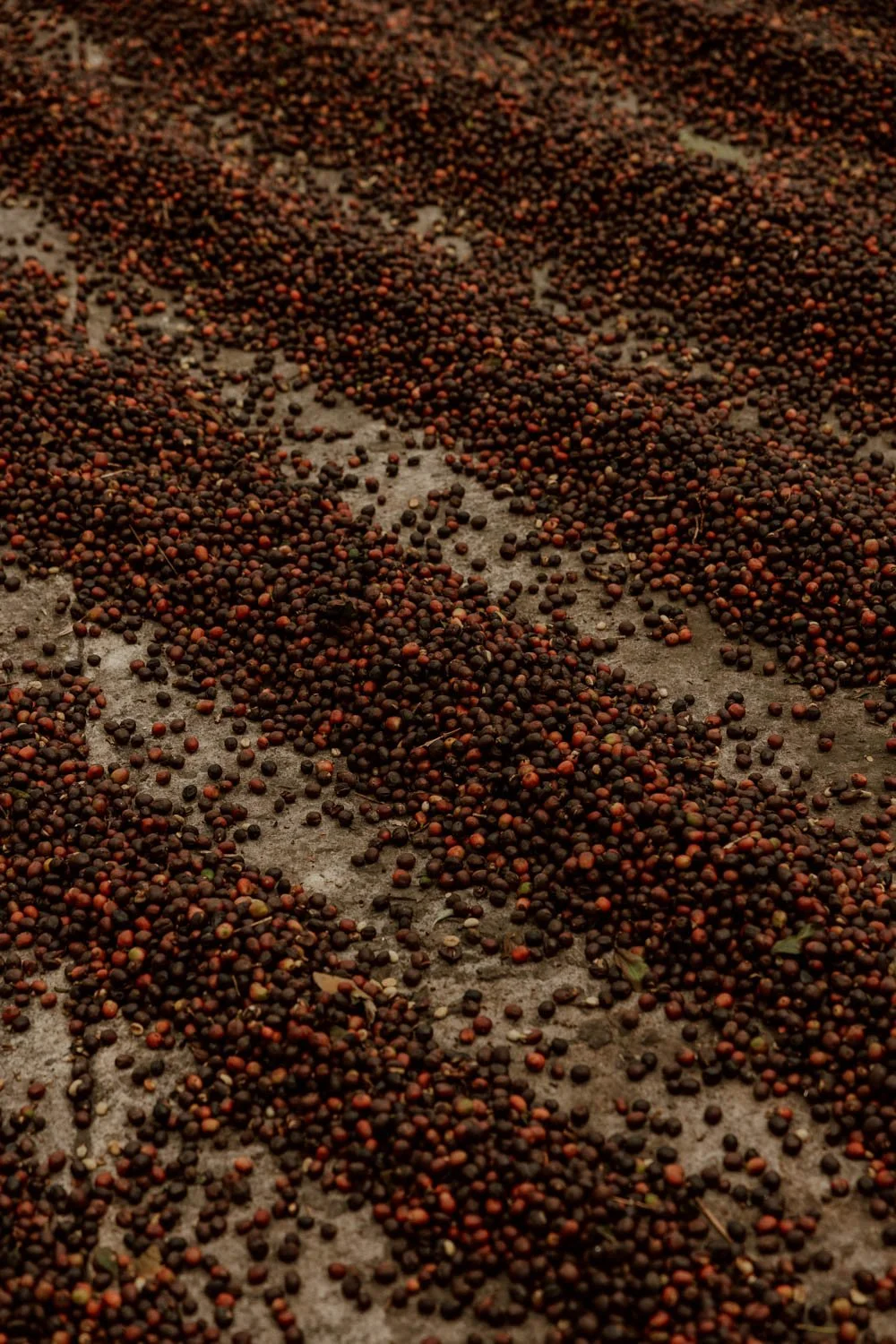
FYI // Harvest season for the coffee beans is from October to late March, and much of Boquete’s coffee is meticulously and skilfully handpicked by indigenous Ngäbe-Buglé workers. Traditionally semi-nomadic, they compose Panama’s largest indigenous group and were granted an autonomous Comarca (self-governing territory) in western Panama in 1997, but many live in Boquete’s highlands or travel there each harvest season for work.
Whilst we were aware of the Guna people in Panama’s north-east, we knew nothing of the Ngäbe-Buglé until this trip. You’ll see lots of workers and families in Boquete and as you travel this western part of the country, with their raised wooden houses with thatched palm roofs being a common sight. The women also wear disctinctive, brightly coloured, ankle-length dresses called naguas; we had assumed these had long historic roots, but they were actually introduced by Catholic missionaries in the 1960s.
The contrast between sipping some of the world’s most expensive, renowned coffee and the evident poverty faced by many of the people responsible for its production remains stark - particularly when one sees the numbered breeze-block concrete accommodation by the fincas, offering a jarring contrast with the children playing and naguas strung along washing lines.
While some fincas do promote fairer, socially responsible practices for the workforce - offering better pay, healthcare, or schooling - it is a side of Boquete’s coffee culture that visitors shouldn’t overlook.
Travel Tip // As many of the cafe spaces are outdoors/open/air (except the one we went to yesterday), it is best to try and visit in the morning for the scene and walks etc. Every afternoon it was chilly and wet and exposed and windy with few views. If paying a lot for a tour, we would 100% recommend doing it on the morning for optimal conditions for walking around and sunshine.
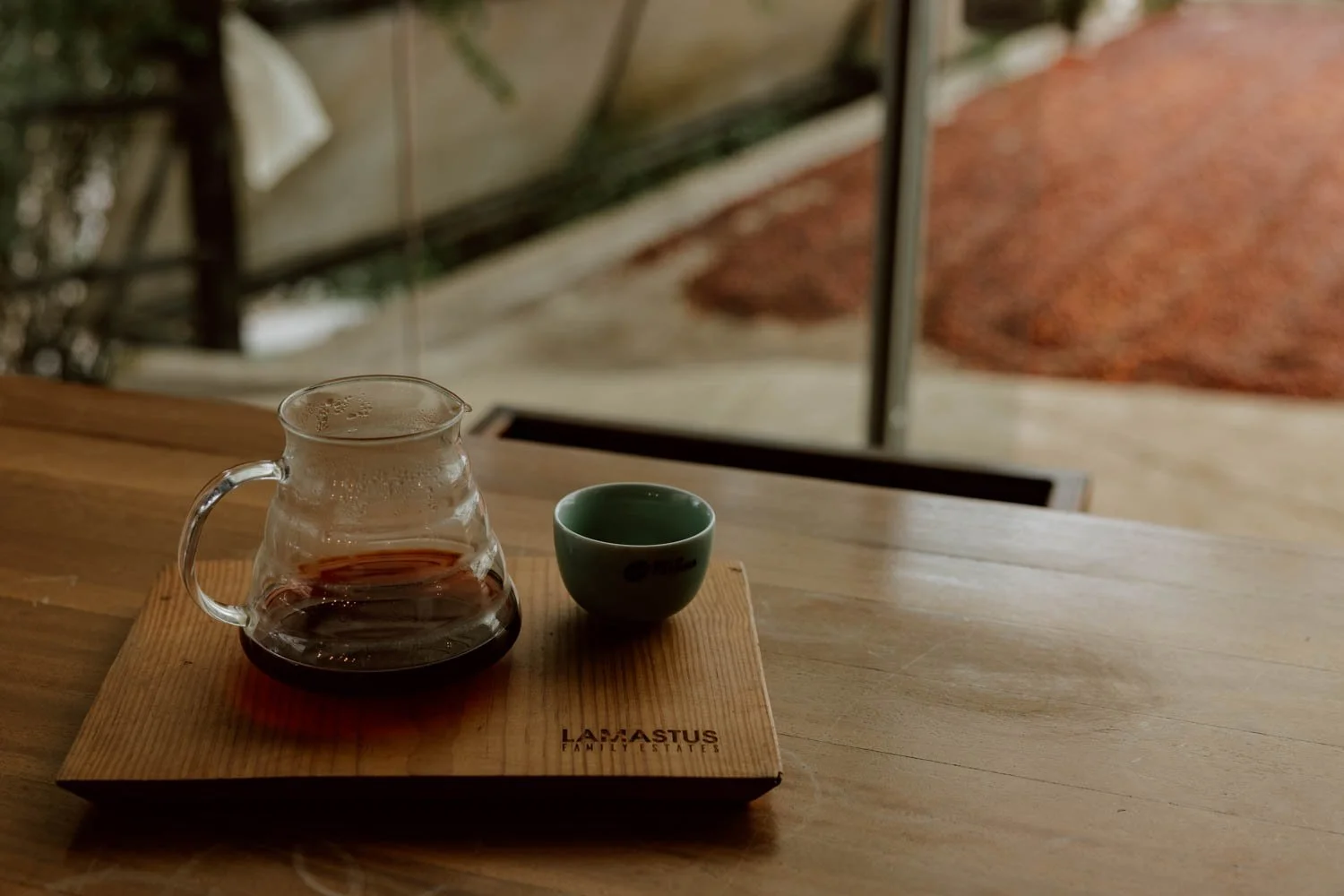
Some Coffee Tours in Boquete
Specialty Coffee Tour | Led by a champion barista, this very highly-rated interactive tour sees you visit a farm to learn about various coffee varieties, and the processing methods from coffee cherry to coffee bean. It ends with an in-depth professional coffee tasting (including geisha). It’s limited to a maximum of four people for an intimate experience, and transport is included.
Small, Hands-on Coffee Tour | Set on one finca in Bajo Boquete, this offers decent value at £30 per person. Limited to eight people per group, it focusses on an immersive tour where you see, touch, and interact with every step of the coffee-making process. There’s a geisha coffee tasting, plus you get to roast some of your own coffee to take home!
Finca Dos Jefes | On the road up to Volcan Baru, their 2.5 hour tour includes guided walk of the farm and processing facility, followed by a tasting. It’s $35 per person, with slots at 9am and 2pm slots. Nearby Don Pepe’s Estate also offers tours at 9am and 2pm.
Specialty Coffee 101 | A more expensive option, this private tour takes you Finca Elida to explore the plantation, learn about the science of specialty coffee, and enjoy several tastings too. Round-trip transport included from Boquete.
There are also a variety of coffee tours + tastings you can book via cafes and tourist agencies in town, with the chunky-wheel 4x4 jeeps a popular choice. At the end of the post, we’ve also shared our favourite cafes in Boquete where you can try/buy lots of different local geisha.
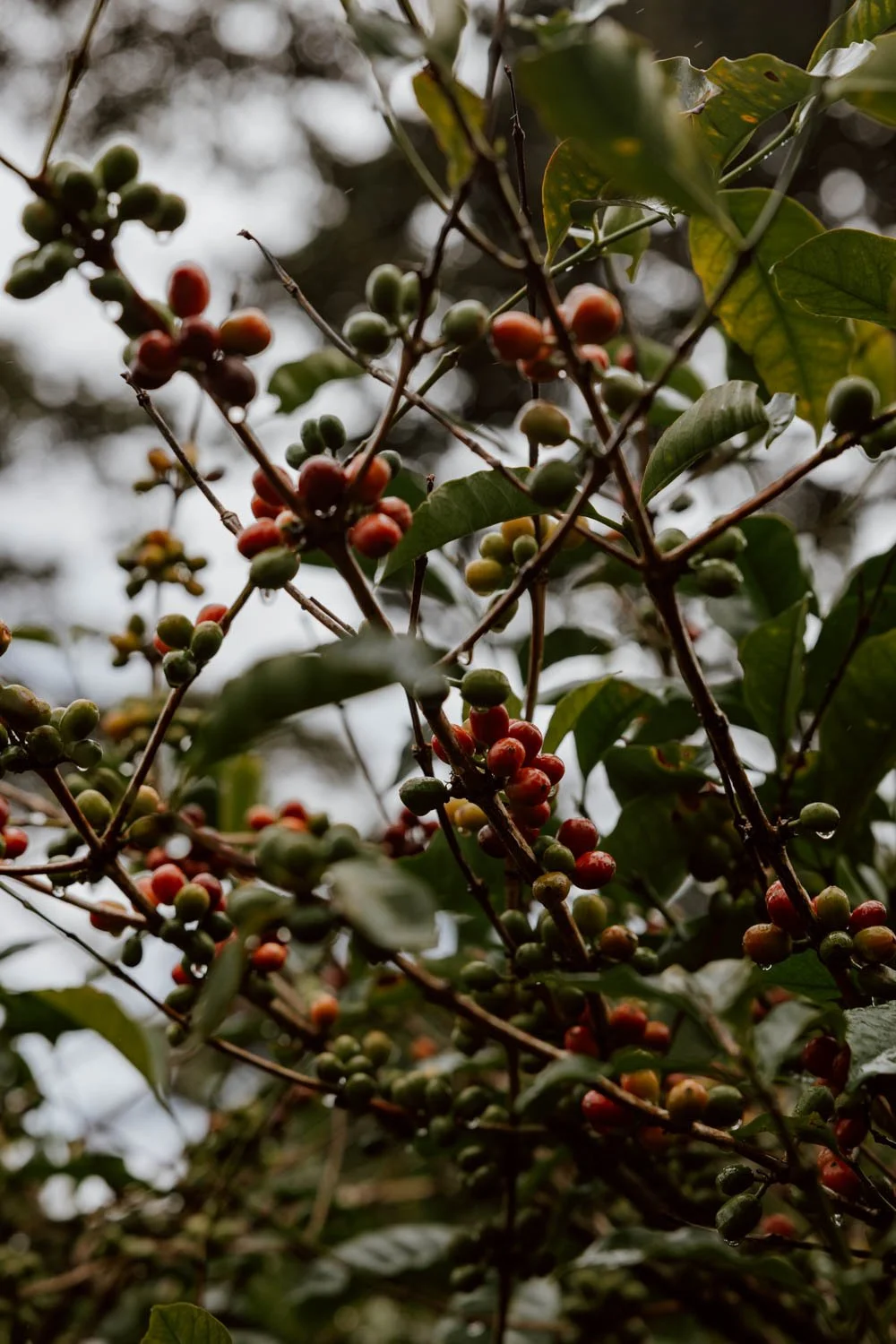

Quetzal Spotting On The Pipeline Trail
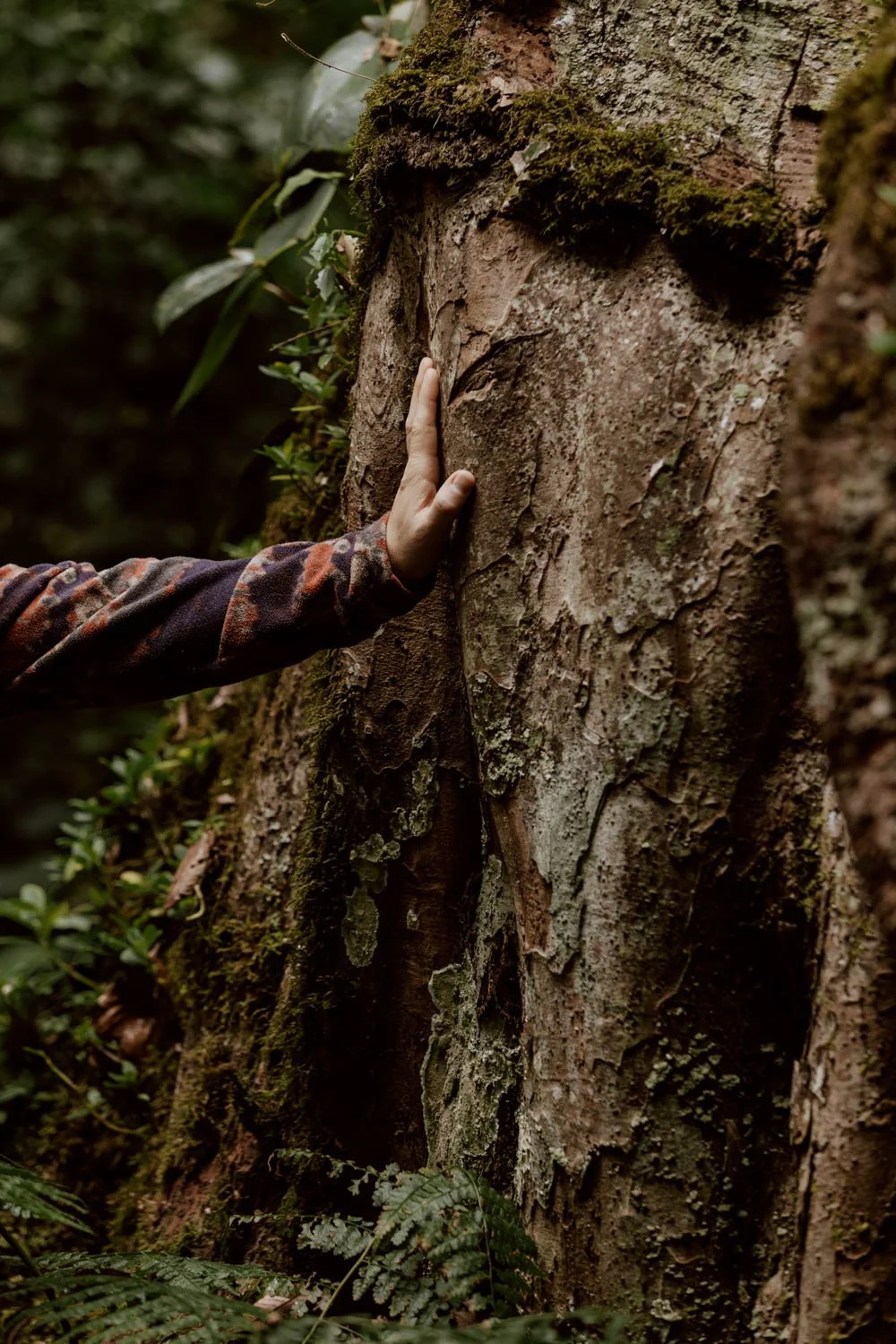
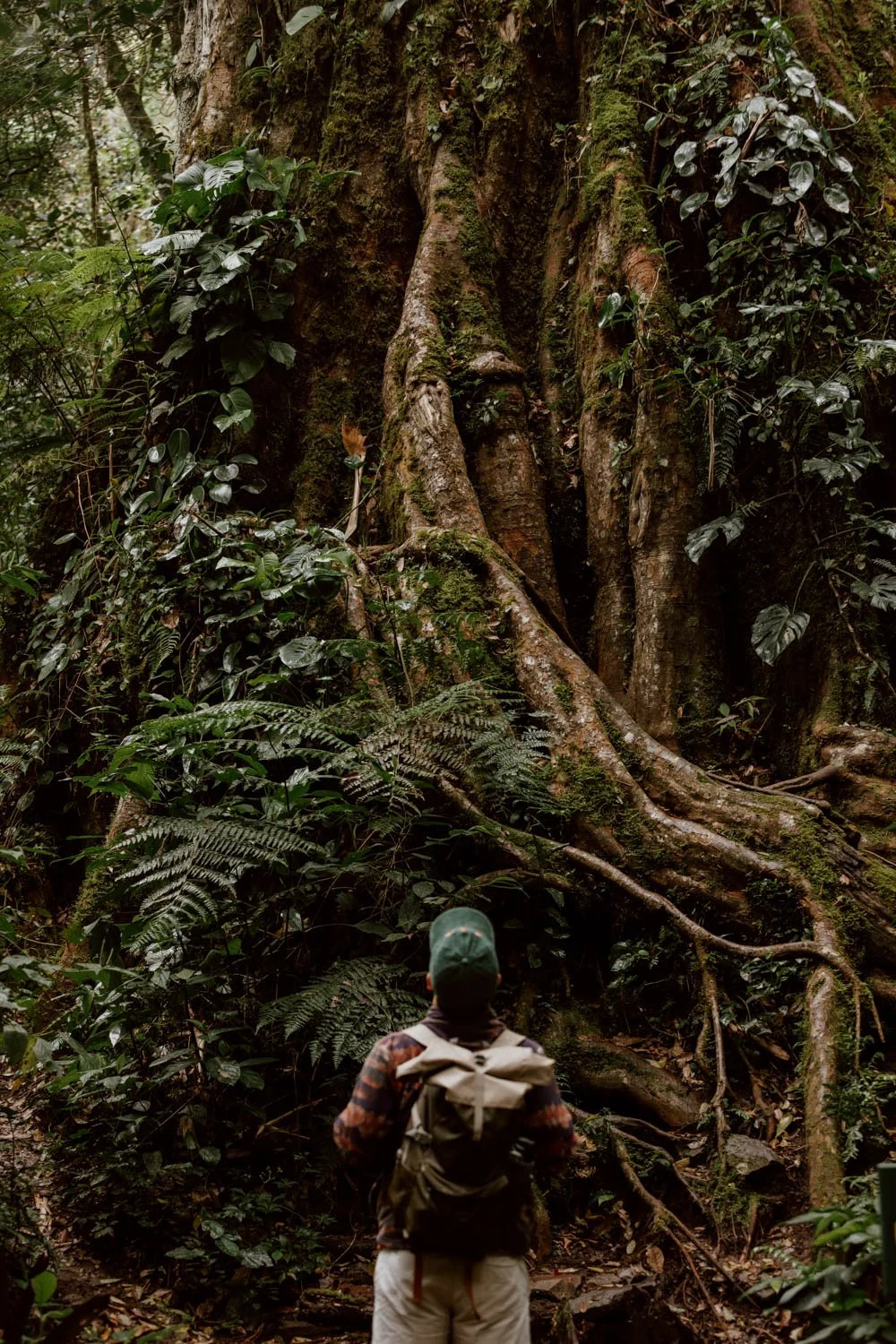
We’re going to try to keep your expectations down for the Pipeline Trail, a relatively easy 6.5km out-and-back through thick, mystical highland cloud forest.
Mostly dirt trail with a few rocky paths and short river crossings, it's arguably the most accessible and suitable trail in Boquete for older travellers, less experienced hikers, families with small children, and those who aren’t able to tackle some of the area’s more challenging hikes.
It’s also just a really enjoyable walk immersed in nature rather than a steep, sweaty slog - and we actually thought it was more scenic than El Pianista.
However, it’s impossible for us to talk about this trail without telling you that it also offers a fantastic opportunity to see Central America’s most famous and revered bird: the Resplendent Quetzal.
We’re not twitchers and tend not to get terribly excited by birds. But after many trips through this part of the world, we knew how important the quetzal is to Central American folklore and how prized it remains today amongst birdwatchers - it’s even the name of Guatemala’s currency!
People come to this part of the world seeking them out specifically, but we’d never even caught a glimpse over the last decade.
Then, out of the blue, there was a beautiful specimen just hanging out in the tree above Emily, mere feet away.
No binoculars or patience required!
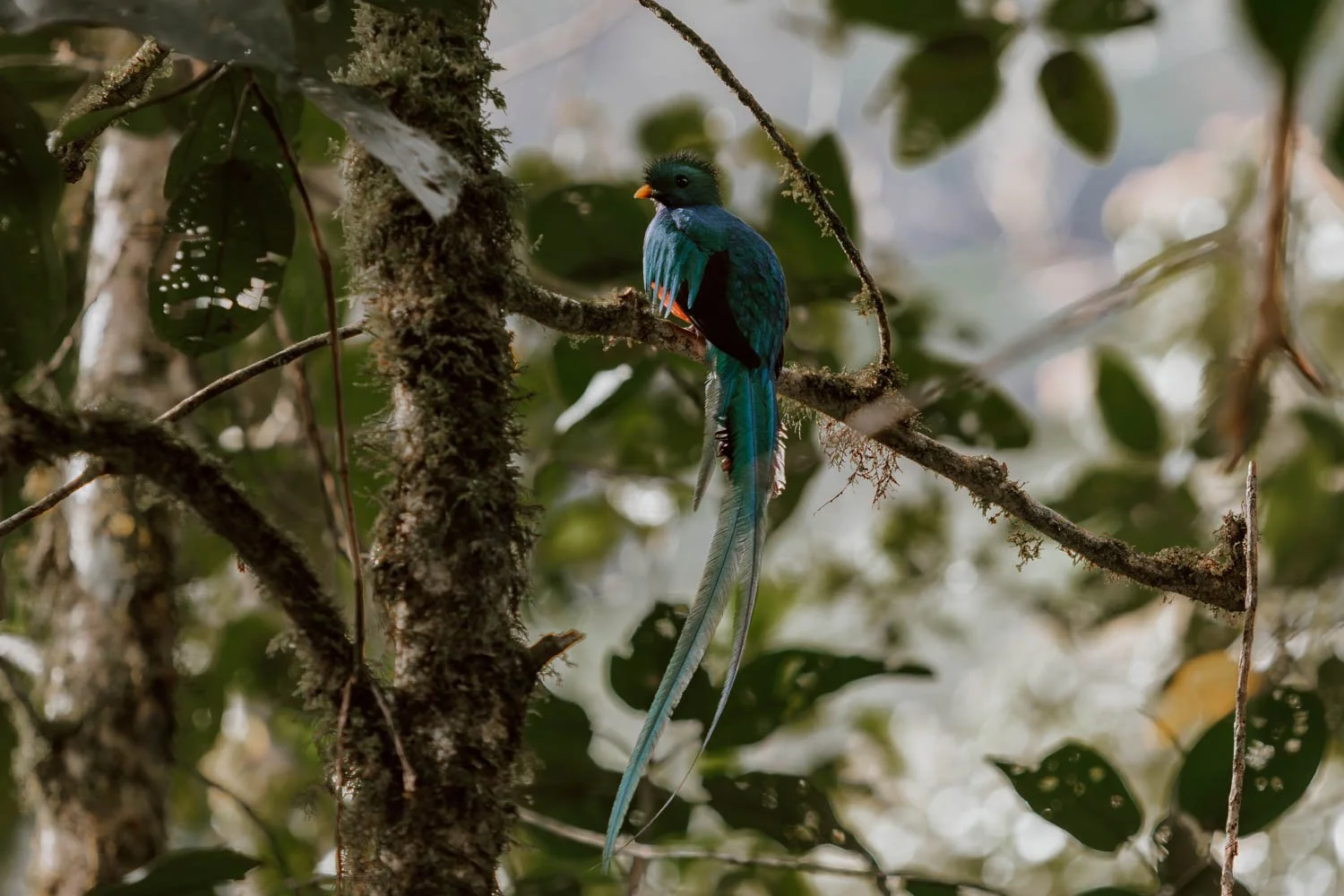
We genuinely couldn’t believe it, but realised on our descent that the Pipeline Trail is as much a super popular bird-watching spot as it is a hiking trail. After passing five or six different groups with local spotters and all the specialist gear on the way down, we felt even jammier about our sighting.
So, whilst we can’t guarantee that you’ll see a quetzal out here, we can 100% recommend that you keep your eyes and ears open at all times for these beautiful creatures.
Even if you don’t see them, a morning of forest-bathing out on the Pipeline Trail is always going to be a good idea.
Where & When | The Pipeline Trail starts 10km outside Boquete, and is easy to reach in 20-30 minutes by colectivo or car from town - find the entrance here on Google Maps. We recommend setting aside 2-3 hours for the hike, plus your transport.
If you’d prefer to have a knowledgable local nature-spotter guide and transport, this four-hour tour is well-priced and highly-rated.
Cost | $5 per person to enter, paid in cash at the entrance booth.
Plan | Find out everything you need in our dedicated Pipeline Trail hike guide
Good to Know / The Pipeline is very close to the entrance for the equally popular but more challenging Tres Cascadas / Lost Waterfalls hike, so combining them into the same day trip from Boquete seems to make a lot of sense. But, as we mentioned, the daily rhythm of Boquete’s climate means all hikes are best done in the morning and anything started in the afternoon has a significant chance of being wet, grey, and less enjoyable.
We decided to do the Pipeline and Tres Cascadas on separate mornings, with each followed by time at a finca.
The Problem With Volcàn Barú
Long-time readers of Along Dusty Roads will know that we love to hike and will climb up just about any volcano Central America has to offer.
For most of our Panama trip, as it’s exactly the sort of adventure we like to have, we were planning to hike Volcàn Barú.
Panama’s sole volcano and highest point at 3,475 metres (11,401 feet), the tagline goes that it’s one of the only places in the world you can find a double-ocean view. To get that glimpse of the Pacific and the Atlantic though, there are two main options:
A very tough 13km walk to the summit - starting around 1am and taking 5-6 hours - followed by an unforgiving 4-hour descent
A horribly bumpy and expensive 4x4 ride to the summit
The more research we did closer to our arrival in Boquete, the less appealing the experience sounded. The route follows a scree and gravel road used by 4x4s, whilst it’s cold, dark, and unforgiving on the knees. The sunrise above the clouds has the potential to be spectacular, but there’s also an equally good chance of cloud obscuring the view entirely.
Frankly, we didn’t want to sacrifice the extra day we’d definitely need in our Panama itinerary to recover from it!
The alternative of going up the same road for sunrise with a 4x4 also didn’t appeal. The fact that it sounds like a very rough, bumpy ride wasn’t an issue for us, but the price tag of $115 USD and pure hate from those that had hiked up all night put an end to any conversation.
However, some of you may still be very keen to enjoy the view and sunrise from Volcán Barú - and the thought of the challenge may be exactly what you crave. If so, we would simply recommend that you do enough research to ensure your fitness and stamina is up to the challenge, and that you’re fully aware of the conditions and kit that’s required (i.e. headtorches and layers). We also wouldn’t recommend doing it solo.
You can find more information on the route and advice from hikers here on AllTrails
If you can’t do the hike, but still want to tick Panama’s highest point and only volcano off your bucket list, then this 4x4 tour has good reviews.
White-Water Rafting, Rock Climbing & Ziplines
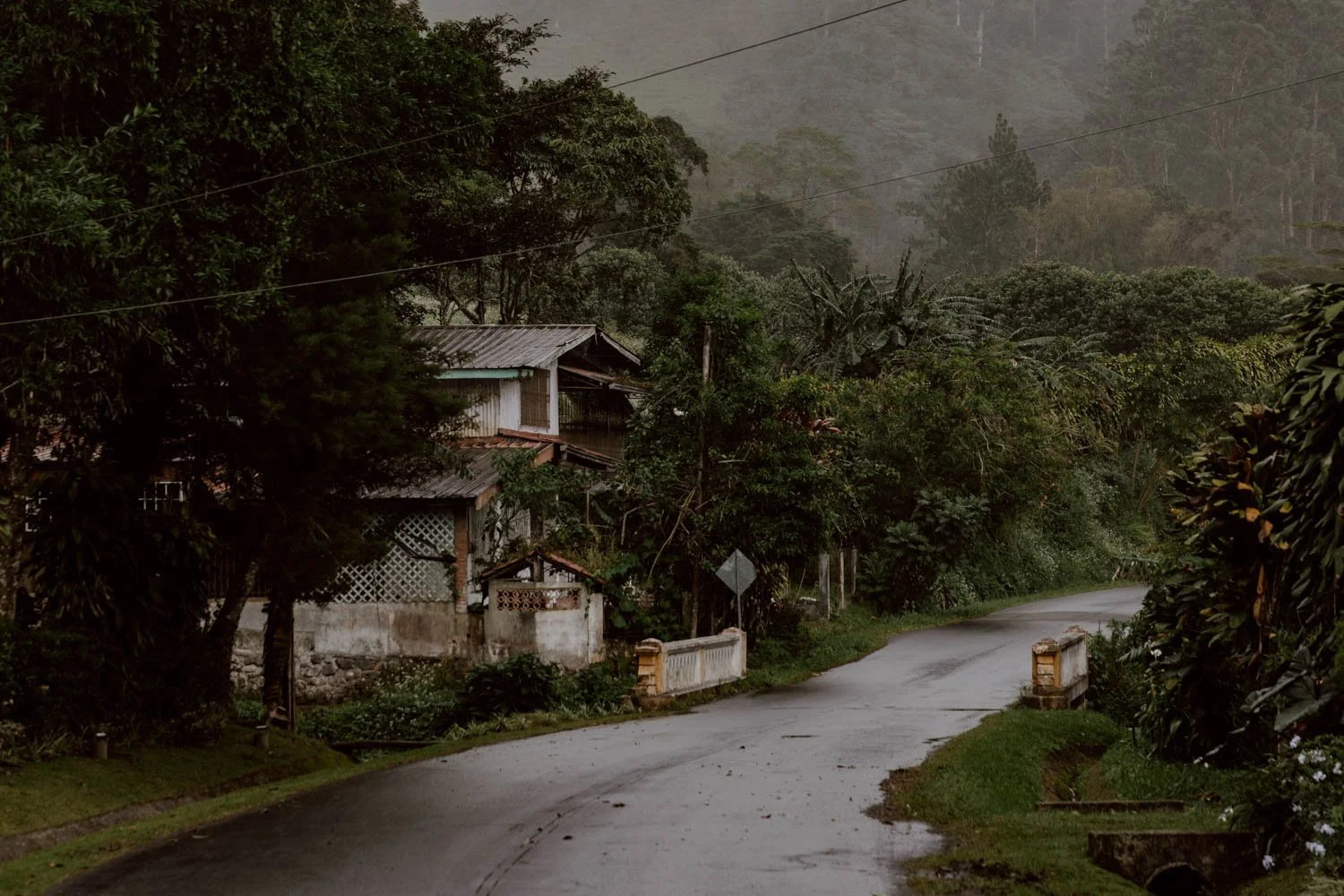
For Panamanians, Boquete is one of the country’s gateway to adrenaline-fuelled adventures in the outdoors.
Just a short drive from town, the Majagua River delivers Class II-III rapids ideal for beginners, whilst the renowned Chiriquí Viejo and Caldera rivers nearby offer Class III-V challenges for more experienced paddlers.
You need to join a specialist tour company for this and, whilst half and full-day packages are available year-round, the peak water flow runs from June to November. It’s one of the most popular things to do in Boquete, though when we visited in January, we prioritised hiking and coffee instead.
· Full-Day River Rafting on the Chiriqui Viejo River - compare prices and book here or here
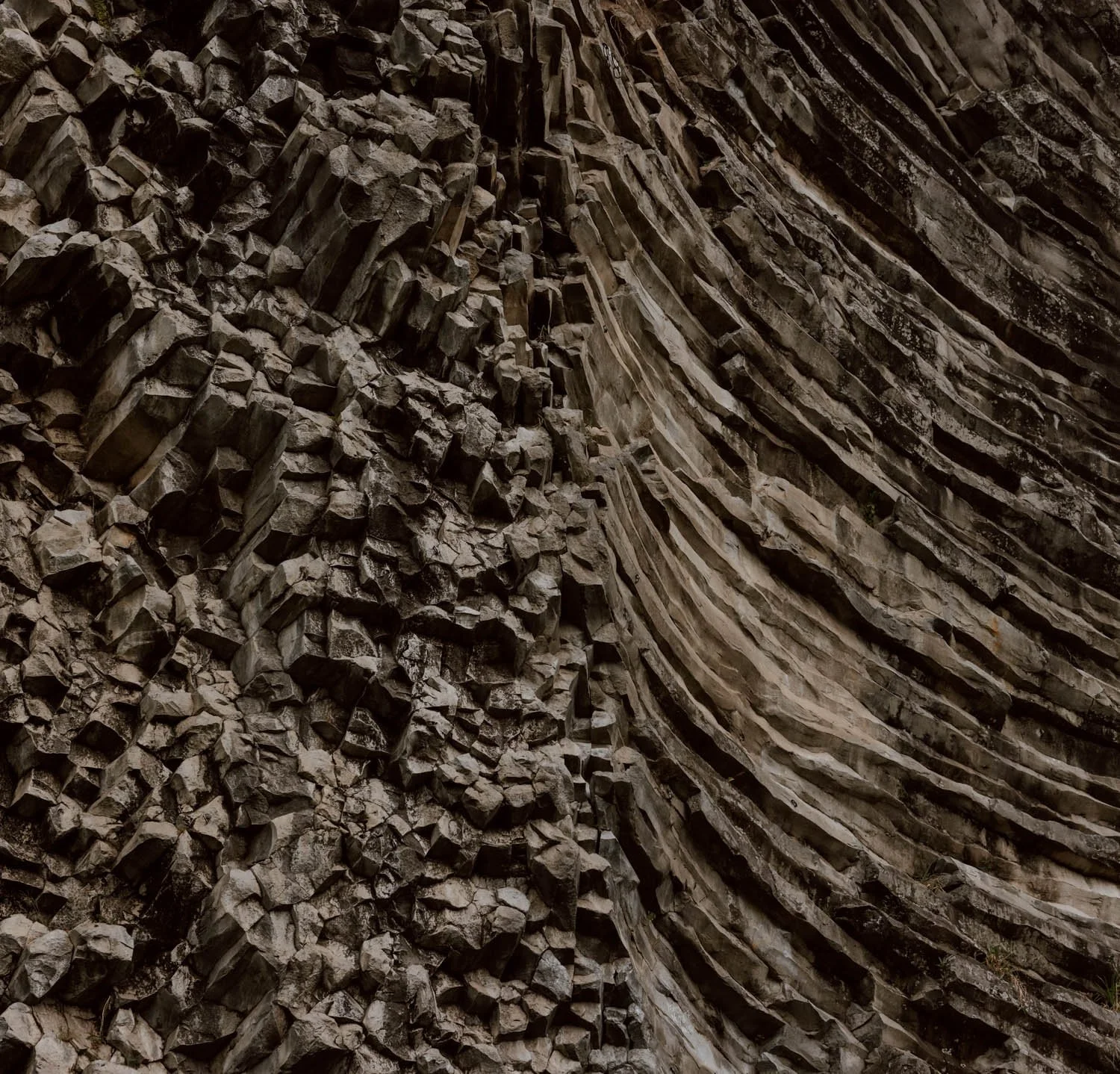
Whilst Boquete isn’t a major rock-climbing destination, it has a small local scene and offers a good opportunity to try it out for the first time if you fancy a morning on the rock rather than the trail. The best-known spot is ‘Los Ladrillos’, a striking dragon-skin basalt wall by the river just outside town, with a handful of bolted routes ranging from beginner-friendly to the more challenging.
Lastly, TreeTrek is eco‑adventure park near Boquete that offers the chance to glide through and above the cloud forest on a series of ziiplines and hanging bridges. This is a signature Central American travel experience - most famous and widespread in Monteverde, Costa Rica - and a great pick for families with younger kids too. Find more on tours and prices on their website.
For outdoors activities and other packages, you’ll find a several tour companies on both sides of Avenida Central in town. A few to check out are: Beyond Adventure Tours, Boquete Outdoor Adventures, and Volcan Eco-Tours.
Good to Know // Los Cangilones de Gualaca (maps) is a natural canyon slot about an hour’s drive from Boquete. Popular with locals for swimming and sunbathing, it’s often mentioned as a day trip from Boquete and featured on tour routes. We stopped by on our drive back to David and, whilst it’s a photogenic spot, we wouldn’t recommend going out of your way to visit include it on your itinerary.
Hike The El Pianista Trail
It is impossible to write about Boquete without mention of the tragic events of 2014.
Kris Kremers and Lisanne Froon - two young Dutch backpackers - disappeared and died in mysterious, unsettling circumstances after hiking the El Pianista Trail. One of Panama’s most talked-about cases where much that’s known makes little sense, it’s riddled with mysterious photos, partial remains, confusing evidence, police incompetence, local gossip, and many unanswered questions.
Their deaths made international headlines and continue to captivate the true crime community, casting a darker shadow over this small highland coffee town than the clouds that gather above it most afternoons. From personal experience, it’s very easy to fall down a rabbit hole of podcasts, forums, and articles about it; rather bizarrely, we encountered one of the main protagonists on both the trail and twice in town.
It also means this 10km trail has become Panama’s most infamous, and takes on a very different atmosphere for those who know the context.
Some are drawn to it out of curiosity, investigative zeal, or morbid interest, but whether El Pianista should be top of your list of things to do in Boquete is, for us, another point entirely.
Where & When | The trail starts 5km out of Boquete - this is the point to aim for on Google Maps. We drove, but you can easily get there by colectivo or taxi.
The trail is open and there’s no entry fee, but it’s highly recommended to do this in the early morning to optimise your chances of clear skies at the summit (then go to nearby Altieri for coffee).
Know | The signage is awful and you need to have a route map downloaded if going independently. We used AllTrails for this hike and the others we did across Panama.
Plan // We’ve shared all the details on the route, costs, risks, and transport in our Hike Guide to The El Pianista Trail
The Boquete Mystery
There are roughly three competing schools of thought about the fate of Kris Kremers and Lisanne Froon: a hike that went badly wrong, an accidental death with suspicious circumstances and cover-ups, or something much more sinister involving local guides and gangs.
There are some wild theories alongside the more convincing alternatives to the official verdict, but a few things are clear to us:
something awful happened to two young female travellers far from home
the limited and confusing evidence available only raises more questions than answers
it’s a reminder to take hike conditions, preparation, and research seriously (which is exactly what you’re doing).
If you’re curious to understand more about what happened:
• The Lost in Panama podcast was our introduction
• The Koude Kass blog is a very dense, meticulously researched deep-dive for anyone wanting a forensic account of the case
• There’s also this dedicated Reddit thread
The Flower Festival & The Mercado
One of Panama’s longest-running annual events (it was first established in 1950), the Feria de las Flores y del Café showcase takes place for around ten days in January.
It takes over the east side of the Rio Caldera, across the bridge from the Parque Central, with impressive large-scale flower displays, stalls, music, and performances. This is primarily a festival that pulls in those from the region and elsewhere in Panama, rather than something that’s a big draw for international visitors, but if your timings coincide, it would definitely provide an enjoyable different perspective on the town and its culture.
We unintentionally arrived on its final day, where the streets were jam-packed with buses from surrounding villages for that evening’s firework display - and our hostel receptionist said she couldn’t wait for it all to be over for another year!
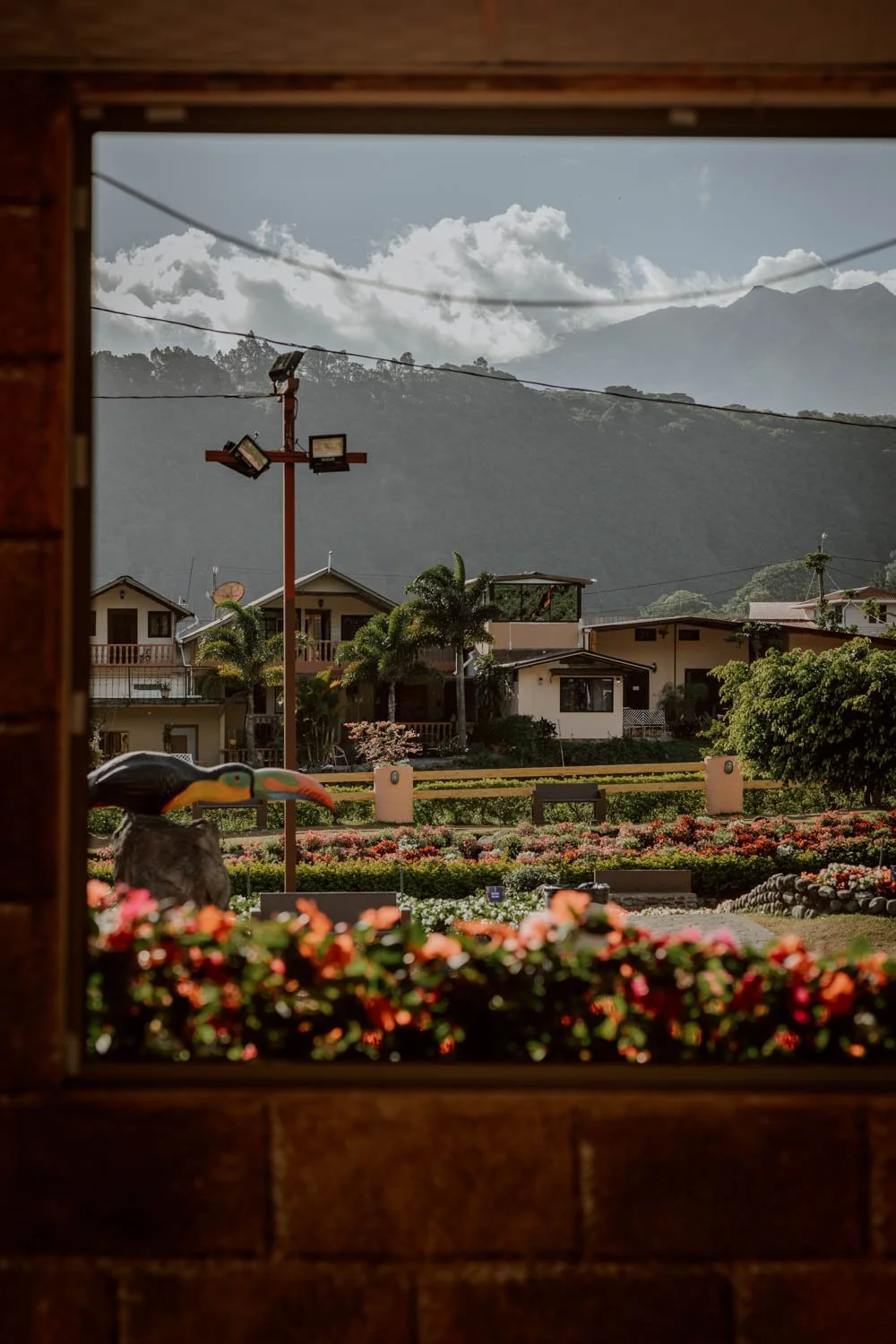
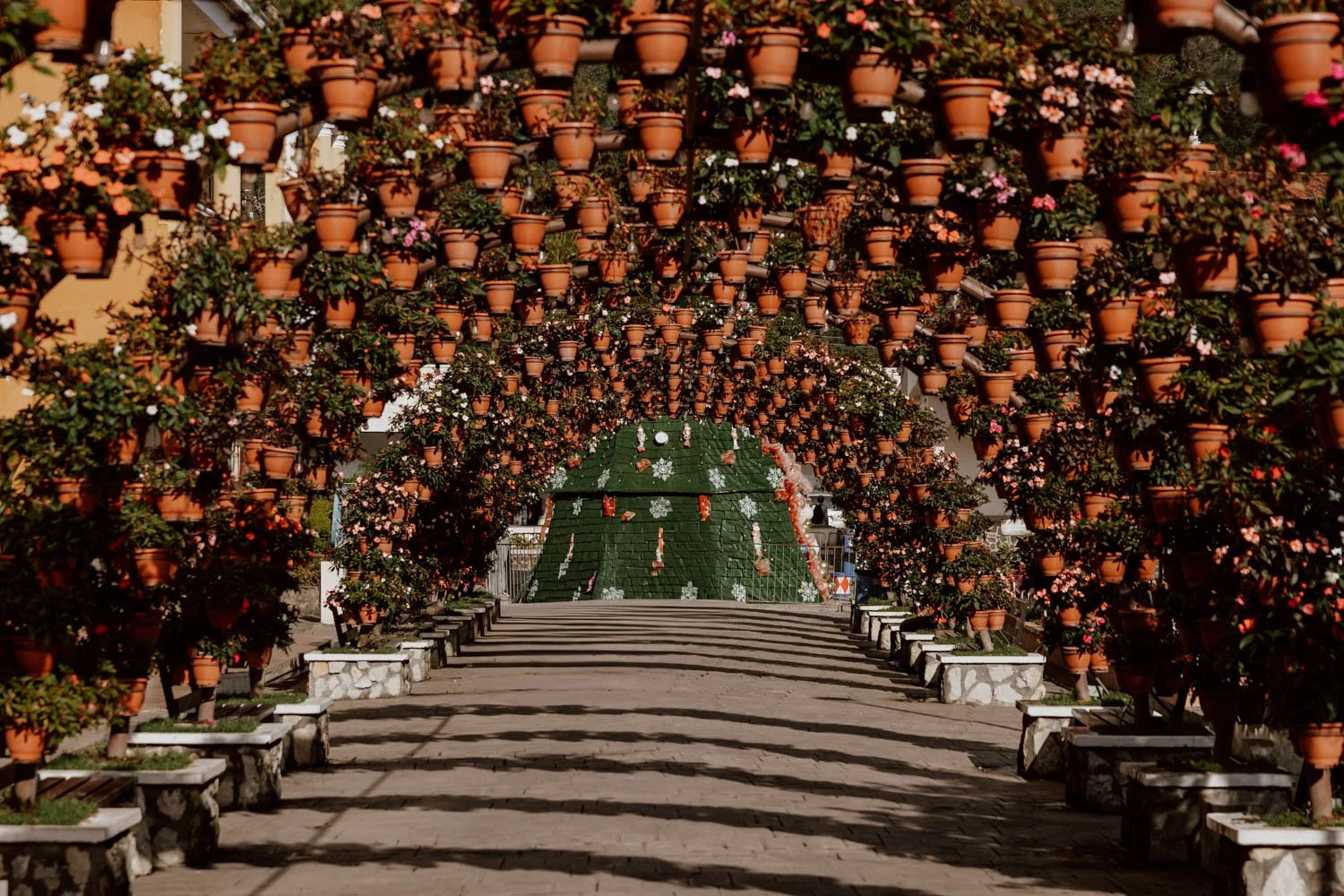
If you’re here outwith those dates, then it’s still definitely worth moseying on over the bridge to the park where it all takes place (here on Google Maps). They keep the colourful flower displays from the festival, there’s the popular flamingo backdrop, whilst it’s a peaceful spot that offers good views of the river, the town, and hills. There’s also the small Centro Artesanal de Boquete market there which, as far as we know, is open year-round.
When | The Boquete Flower Festival dates vary each year, but usually starts around a day or two either side of the 9th January, and there’s a minimal entry fee of $1-2 charged to enter.
By the way, if you see a young guy in a wheelchair selling sweets and biscuits, then make sure to buy some.
Good To Know // Due to its lush, fertile environment, cooler weather, and volcanic soil supporting a diverse array of flower, plants, and crops, Boquete is often call ‘The Garden of Panama’. Indeed, long before coffee, the town’s foundation and growth was closely tied to its fertile, productive land and agricultural output.
We assume this is why, with its rusting copper red corrugated sheet rooftops, low-rise colourful buildings, iron-wrought balconies, and saloon-style colour schemes, downtown Boquete has the air of an trading post or American prospecting/mining town. Today, beyond the tourism, it’s still a place where communities come in from the countryside, fincas, and cloud forest homes on cramped colectivos to do their errands and business.

How To Get Around Boquete
Boquete is both the name of the town and the larger district it sits within. As you’ve hopefully gathered by now, many of the best things to do in Boquete actually lie outside the town itself, amongst the hills, cloud forests, and countryside.
The place names you’ll see on the front of colectivos and hear most are:
Bajo Boquete | This ‘lower’ part is essentially the town centre of Boquete and the hub where most travellers base themselves. Running parallel to the Rio Caldera, we thought of it as being split into three areas - the centre, the ex-pat restaurants/bars/Taboo nightclub bit to the north, and the southern part with more tour companies, restaurants and accommodation. It’s small and easy to get around on foot, but if you’re staying at either end, that will naturally become your go-to area for evening food and drinks.
The Bajo Mono Loop | A 20-30 minute drive out of town, this area up in the hills is where you’ll find several fincas, the Pipeline Trail, and the Lost Waterfalls Trail, so it’s an essential part of every itinerary. Some of you may wish to opt for one of the popular e-bike tours that take you to fincas and several of the main sights on the Loop.
Alto Lino / Alto Quiete | About a 10-15 minutes drive north out of town, this is where you’ll find the El Pianista Trail and Altieri Specialty Coffee. We’re still not 100% certain on which is the correct name for the area though!
Alto Boquete | About 4km south from Bajo Boquete, the commercial and residential area of Upper Boquete has several hostels and accommodation options. It’s also got the main car rental company if you want to hire something for a few days. However, it’s not where we’d choose to be based for a short stay and some may not even visit it at all.
Volcancito | On the lovely road up to Volcàn Barú, this area has a few fincas and more isolated accommodation options.
As a visitor, don’t worry too much about these distinctions initially - everything connects by road and is easier to navigate than it might first seem. For example, the Pipeline Trail and our favourite fincas are on the same minibus route.
However, it’s worth understanding some of these differences when it comes to planning your day trips and choosing your base, as reaching several of them will require your own transport, a tour, a colectivo minibus, a bicycle, or a taxi.
Further, if you end up staying in more remote countryside - such as Bambuda Castle and Boquete Tree Trek Mountain Resort - you’ll always need to walk or take transport into the town centre.
We had a rental car for half of our time in Panama, and it was fantastic for exploring Boquete independently. If you’re considering a similar road trip, then check out our tips + advice in this post, but it’s really important to know that you can also opt to just rent a vehicle for a few days from a couple of places in Boquete or online here.
Due to the layout and early starts for several hikes, hiring a car for a few days would really open up your options on activities for shorter stays, especially if you prefer not to rely on tours.
That said, you can still reach pretty much everywhere independently with the colectivo bus system; the only downside is that you just have to factor in waiting around time. Depending on where you’re based, a few trailheads can be accessed on foot from town, but it’s often not the best use of your time/energy/good weather hours.
You can also opt to get around on two wheels, with electric bikes being a game-changer for the steep, winding roads. E-Valley bikes (closed Tuesdays) offers rental at $30 for two hours, $40 for four, $50 the day, whilst a guided e-bike tour of Boquete and the fincas is an increasingly popular option - find options here.
When it comes to taxis, they’re a good idea if you want to get a trailhead sharpish in the early morning, and affordable too if there are a few in your group. You’ll always find some at the main entrance to the Parque Central (here on Google Maps).
As mentioned, there are a variety of tour agencies along Avenida Central that offer half and full-day packages with transport included.
Where to Stay in Boquete
Boquete might be relatively small, but its popularity amongst visitors to Panama means there’s a wide range of accommodation - from sociable hostels and mid-range guesthouses to boutique lodges in the hills.
Where you’ll stay depends on your budget, whether you’ve got a car, and how close to town you want to be.
Hostels
Bambuda Castle | A turreted hostel set in the hills above Boquete, Bambuda Castle has long been a favourite for backpackers looking for something a little different. Built in an incongruous mini-castle with wraparound views of the valley, the property manages to balance social spaces with privacy thanks to its layout and a mix of dorms and private rooms - including their Hobbit House and tower suite. There’s a bar, hot tub, small pool, and nightly family-style dinners, making it easy to meet people. It's around a 30-minute walk or short taxi ride into town, so best for those who don’t mind being a little removed from the centre in exchange for views and atmosphere.
Gaia Lodge | Just a short walk from the central plaza, Gaia combines hostel pricing with a calmer guesthouse feel - this is where we stayed and would highly recommend it. Rooms are bright and functional, and the shared kitchen and garden space give it a slightly homey vibe. It’s not especially social, so better suited for those looking to rest between hikes or coffee tours, rather than people hoping to meet travel companions. The staff are also lovely, and they do the cheapest laundry we had in the entire country!
La Casa de Doña Cata | This unpretentious, affordable option right in the heart of town is a long time favourite amongst budget backpackers in Boquete. It's clean and simple, with comfortable private rooms and somewhat basic dorms (previous guests have commented that finding space to store your things can be difficult). There's a small courtyard and communal kitchen, and staff can organise local tours. It’s not a party hostel, but it does have a friendly, sociable feel, making it a decent base for travellers who want to be within walking distance of cafes, tour operators, and buses.
Blasina Beer Hostel | This low-key hostel sits just off the main road in town and offers a small, affordable base with a nice balance of privacy and chilled sociability. There’s a ten-bed dorm and two private rooms, plus a compact shared kitchen, and the hostel is linked to the Boquete Brewiing Company - with guests getting a discount on food and drinks.
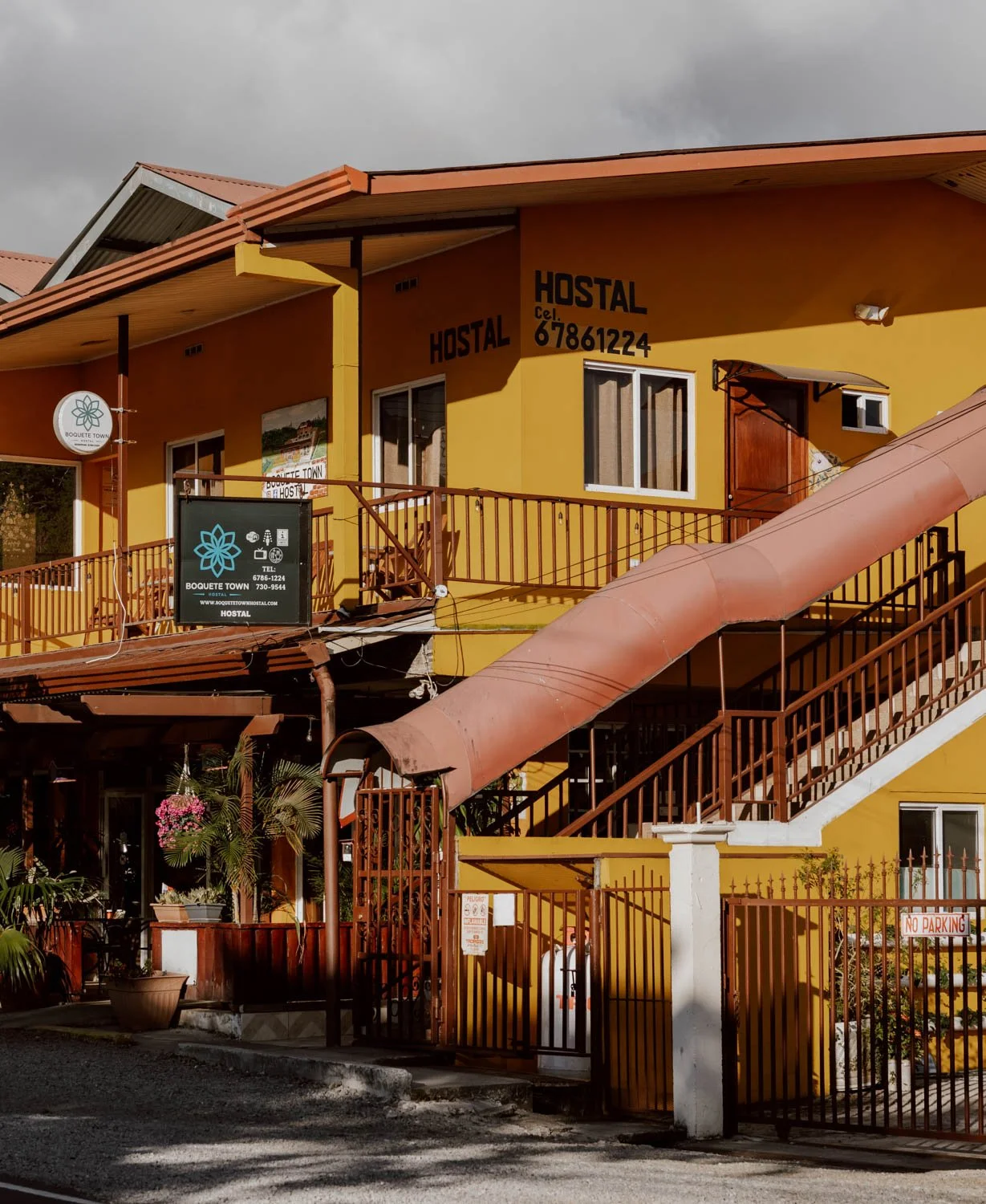
Boquete Town Hostal is a popular choice, but the decor is slightly questionable given the price point.
Guesthouses & Mid-Range
Riverside Inn | Tucked into the quieter Palo Alto neighbourhood, this small guesthouse has a bit more polish than most Boquete stays, with just six rooms and an elegant but relaxed vibe. Rooms are spacious with classic furnishings and large windows, and some have river or garden views. There's a small communal lounge, and complimentary breakfast is served at the attached restaurant, The Rock. It's just outside town - walkable in around 30 minutes or five minutes by taxi - which makes it feel peaceful without being inaccessible.
Hotel Valle del Rio | Close enough to town to walk in but set back by the river, this suits travellers who want quieter hotel-style experience without paying luxury rates. Rooms are modern and comfortable (although it’s a little more business-like in style), with balconies looking out to green hills.
Downtown Suites | Just a couple of minutes' walk from the main square but tucked down a quiet street, Downtown Suites is one of the better mid-range picks in Boquete for those who want space, comfort, and independence. Each of the eight units feels more like a mini apartment, with its own kitchen, lounge area, and access to a shared garden. The setup works especially well for longer stays or digital nomads who want to cook or get some work done, and while there’s no breakfast or communal vibe, the peaceful atmosphere and generous room sizes make up for it.
El Cielo | A newer addition to Boquete’s boutique scene, El Cielo is a small collection of smart, modern studio apartments just a short walk from the centre of town. The interiors are thoughtfully done, with comfortable beds, rain showers, and little luxuries like robes and good quality coffee. There’s no breakfast, but each apartment has its own kitchenette, and with cafes and bakeries nearby, most people won’t miss it.
Boquete Garden Inn | Set slightly outside town in a quiet residential area, Boquete Garden Inn has built up a loyal following thanks to its lush gardens, friendly staff, and personal feel. The rooms aren’t super fancy, but they’re well cared for and comfortable (albeit with a sightly odd lean toward the southeast Asian aesthetic), most have a small kitchenette and the birdlife in the garden each morning is a genuine highlight. Breakfast is included, and the whole place has a laid-back, slightly old-fashioned charm. It’s best if you’ve got a car as it’s a bit too far out to walk into town easily.
Other mid-range options that caught our eye include Hotel Isla Verde, Coffee Estate Inn and Boquete Firefly Inn.

Fancier Options
Hotel Panamonte | One of Boquete’s oldest and most well-known hotels, Panamonte offers old-school charm in a colonial-style building with wraparound porches, tidy gardens, and a well-respected restaurant that many come to even if they’re not staying the night. The rooms are simple but elegant, and some have fireplaces, which is a welcome detail on colder highland evenings. While it doesn’t feel overly modern or flashy, it does deliver on comfort and calm, with attentive staff and a location that’s just a short walk from the centre of town.
Finca Lérida | Located high in the hills about 20 minutes outside Boquete, this boutique hotel is part of a working coffee estate, surrounded by forest trails and birdwatching spots. A super peaceful place to stay, with views of misty hills and plenty of space to wander. Rooms are comfortable and well appointed, and breakfast is included. You’re definitely paying a little extra for the setting, but if you want to wake up surrounded by cloud forest and sip coffee grown on-site, this is the place to do it.
Valle Escondido Wellness Resort | Tucked into a quiet, gated valley just beyond the edge of town, Valle Escondido feels like a self-contained bubble - part wellness retreat, part golf resort. Rooms are comfortable but a little dated in parts, though guests come here more for the peaceful setting and the range of on-site extras: an indoor pool, small spa, gym, and walking paths by the river. It’s not exactly walkable to town, so you’ll want a car or be happy calling taxis, but if you're after a more secluded and slow-paced stay with a few added luxuries, this is one of the more polished options in Boquete.
Risco de Hugo | Set in the hills outside of town, Risco de Hugo is a quiet and stylish hideaway made up of just four cabins, each with its own private balcony and mountain view. Interiors are some of the most contemporary in Boquete and the rooms are filled with light, with small kitchenettes and a few thoughtful touches. The setting is peaceful and green, and while you’ll need a car to get around, it’s a great option if you’re after a bit more space and a slower pace without straying too far from Boquete.
Travel Tip // Want to stay somewhere a little more experiential? Consider Tree Trek Adventure Park. Part zipline adventure, part lodge, this higher-altitude spot lets you stay in cabins or glamping-style domes surrounded by cloud forest. Some of the rooms fall firmly into the luxury price range, but may be worth it for the experience.
A Few Places To Eat & Drink in Boquete
We were honestly a bit disappointed by the coffeeshop scene within Boquete, and it wasn’t a patch on what we found on our most recent trip to Guatemala. However, there are a few we enjoyed for either the atmosphere and / or the coffee credentials, and you can also do more formal tastings at some.
They’ve all got local geisha, but just a heads up: there’s a premium attached to drinking geisha here, despite the close proximity to the producer and the pickers. For example, a proper geisha pourover at the fincas and many cafes is around $9-10, and a barista outside David told us it’s because of the fact that tourists and travellers go to Boquete for coffee that the prices are much higher than we and others expect.
His excellent geisha pour over was $6.
So, for coffee lovers on a budget, you’re actually going to have to keep an eye on prices (and note you can find lots of local geisha bags in the big supermarket too).
BuckleTip Coffee Studio | Small and grungy, they know their coffee and put the effort into sharing their knowledge too.
Boquete Brewing Company | A good shout for evening socials, as well as a change from bottles of Atlas and Balboa. It’s open 3pm to late, closed Mondays.
La Casa del Café | A good option for coffee, but as much a place to head to for food as well. All-day breakfasts, lots of veggie/vegan options, and a cute space indoors and out.
APIZZA | There are a surprising number of Italian gelaterias, delis, restaurants, and fragrance shops in Boquete, so it’s a good opportunity to indulge. After several days of hiking and several weeks without pizza, we allowed ourselves a treat. Their Neapolitan pizzas are amongst some of the very best you could hope to find in Panama/Central America, and definitely hit the spot.
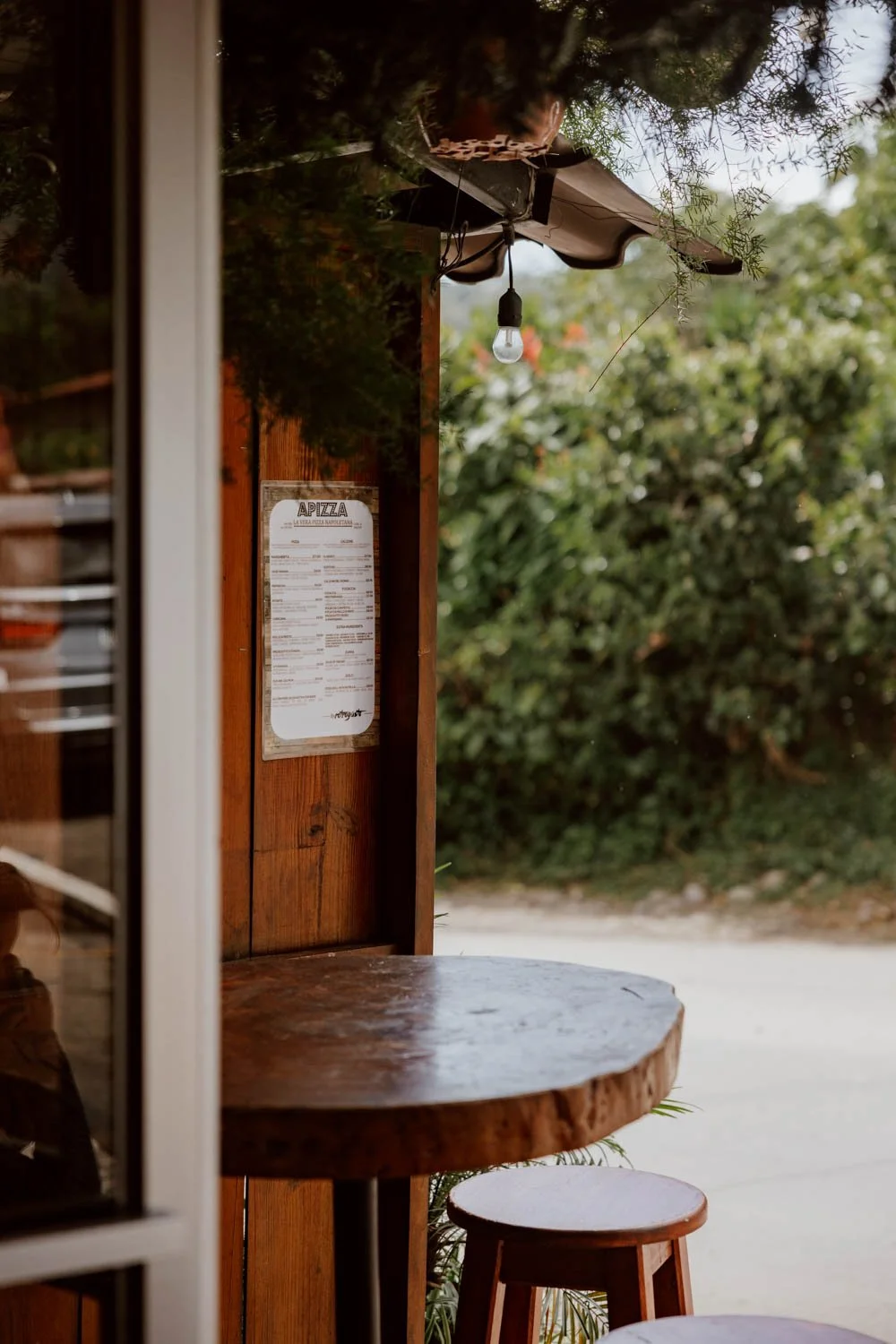

This is the part of town where you’ll find a a cluster or western-centric places and a few fancier, more formal restaurants too. They’re definitely not catering to your average backpacker and were a little incongruous, but we thought we should mention them in case that’s more your bag or budget. Tre Scalini is next door to APIZZA, whilst Christopher's American Bistro is a little up the road (map).
El Sabroson #1 | Our breakfast here really wasn’t very good, but this is the place that locals go throughout the day and night. It’s very affordable and a good option for something quick and authentically Panamanian, with a daily-changing menu and a canteen-style serving station.
Mounelli | A new addition to town, and likely to be a firm favourite of many a backpacker. Set in a beguiling light-filled glass building in the grounds of Hotel Isla Verde, it’s got lots of healthy breakfast options, but the secret is going there for the coffee.
Tacos Rudos | It’s a small space, but their tacos are big on flavour - we highly recommend it. They’ve got a decent number of veggie/vegan options.
Gelatería La Ghiotta | Whilst the weather in Boquete doesn’t always mean you’ll need an ice-cream, this is the place to go if you’re the sort of person who doesn’t require a reason.
Super Barú Boquete | We cooked a few nights in the excellent guest-kitchen at Hostal Gaia, and this is the best supermarket.
Strawberries | You’ll see a preponderance of strawberries on certain menus - and there’s even places that specialise in using them in all manner of dishes and sweet treats: Fresas Cafe (maps), El Poder De Las Frutas (maps) and Fresas Mary (maps)
The Fish House | We passed by on our wanderings, and it's exactly the sort of place we'd end up famished after several hikes. Fresh fish and chips, amongst other things.
Dale Pues | Very affordable prices for small bites and booze. It's tucked away in the little complex by the river, next to a couple of other restaurants.
The Perfect Pair Coffee & Chocolate | One of the most popular options with visitors, there’s a cafe and balcony upstairs, whilst downstairs has a decent selection of local coffee bags to try / purchase.
Mike’s Global Grill | We didn’t actually go to this little place on the creek, but it looked like everyone was having a good time. Appears to be more of an older ex-pat or American crowd, and often has live music at weekends. Note that it closes up at around 8 or 9pm most nights.
We didn't visit the busy Kotowa as it looked like a knock-off Starbucks and the menu/vibe didn’t appeal.