11 Wonderful (and Slightly Unusual) Things to Do in Lithuania
Planning a trip to the Baltic and looking for the best things to do in Lithuania? From beaches and sand dunes to ancient castles, beautiful lakes and the slightly spooky - here are the best things to do in Lithuania!
Updated October 2025
“Veins, do, I no!”
I quickly placed my spoon atop a plate and reluctantly reached for yet another glass of Lithuanian moonshine. Six glasses in, the burning that accompanies each shot subsides quicker than the last, however upon locking eyes with my dinner mates it becomes clear I’m not the only one feeling the effects of this Samotogian spirit.
Dining under candle light, a roaring fire beating away the the coolness of a summer not quite arrived, we eat cold herring soup and potatoes smothered in cannabis seeds and sour cream.
Illegal liquor and cannabis? Why, Lithuania, you are full of surprises.
When we were invited to experience this hereto unexplored country, I had no idea what to expect. Quickly counting up the Lithuanians I had met in person, I was shocked to realise I was yet to speak with anyone who has visited this wonderful Baltic country on a vacation.
Indeed, whilst Eastern and Central Europe has become increasingly popular for long-weekends and budget backpackers, curiously Lithuania has been left out of the party.
As it turns out, Lithuania is, well, kind of awesome.
Beautiful old cities, pretty beach towns, sand dunes, stunning lakeside hideaways - and a whole lot of weird.
But in a fantastically, wonderful sort of way.
Here are the best things to do in Lithuania!
Weird & Wonderful Things to Do in Lithuania
Vilnius
Vilnius is the very definition of a perfect weekend break. It's got cool bars, a beautiful old town, oodles of history, epic views, a thriving coffee shop scene and some great street art - we're actually kind of surprised that we'd never considered it.
Waiting on the other side of the river, it also happens to have something rather unusual... an independent republic where cats rule supreme! Created by bohemians and artists on April Fools' day in 1997, Užupis is a home for the dreamers, and a place where the only requirement for entry is a smile.
In fact, there's so much to do here, that we've written an entire article dedicated to great things to do in Vilnius - we think you're going to like it!
The Essential Things to Do in Vilnius
| Wander the Old Town
Included on the UNESCO World Heritage List, Vilnius’ Old Town is one of the largest surviving medieval centres in Northern Europe. Pastel façades, cobbled lanes, and countless church spires make it a joy to explore - and home to some excellent bars too.
To learn more, consider joining an excellent walking tour like this one.
| Visit the Republic of Užupis
Across the river from the Old Town lies Vilnius’ bohemian heart - a self-declared republic founded by artists on April Fools’ Day in 1997. Its cobbled streets are filled with galleries, cafés, and colourful murals, while its tongue-in-cheek constitution celebrates freedom, cats, and creativity in equal measure.
| Check out the Street Art
Vilnius has become a canvas for political and playful murals alike. Head to Užupis, Pylimo Street, and Graffiti Pier on Olimpiečių Street - a legal, ever-changing stretch of riverside art.
| View Vilnius from Above
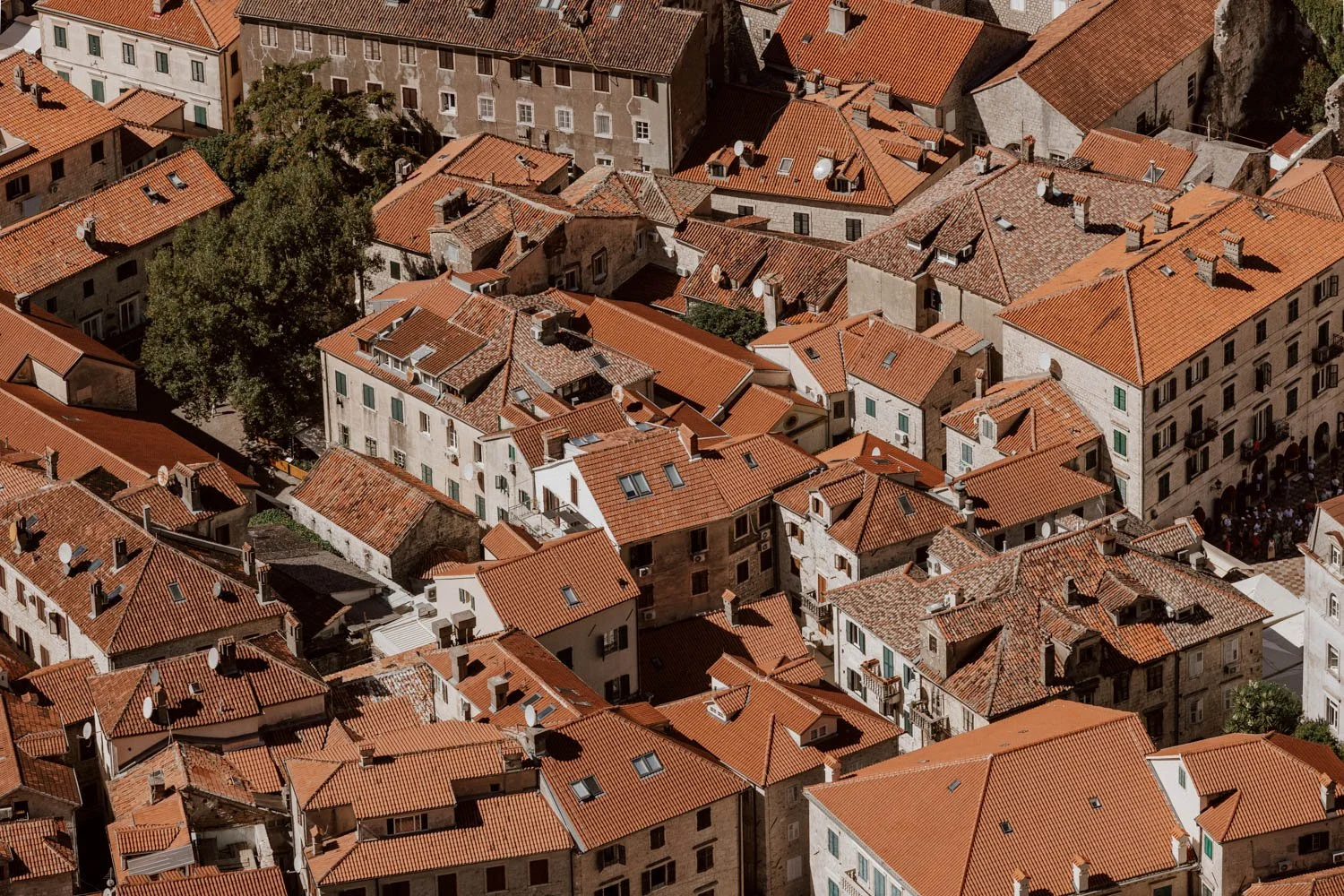
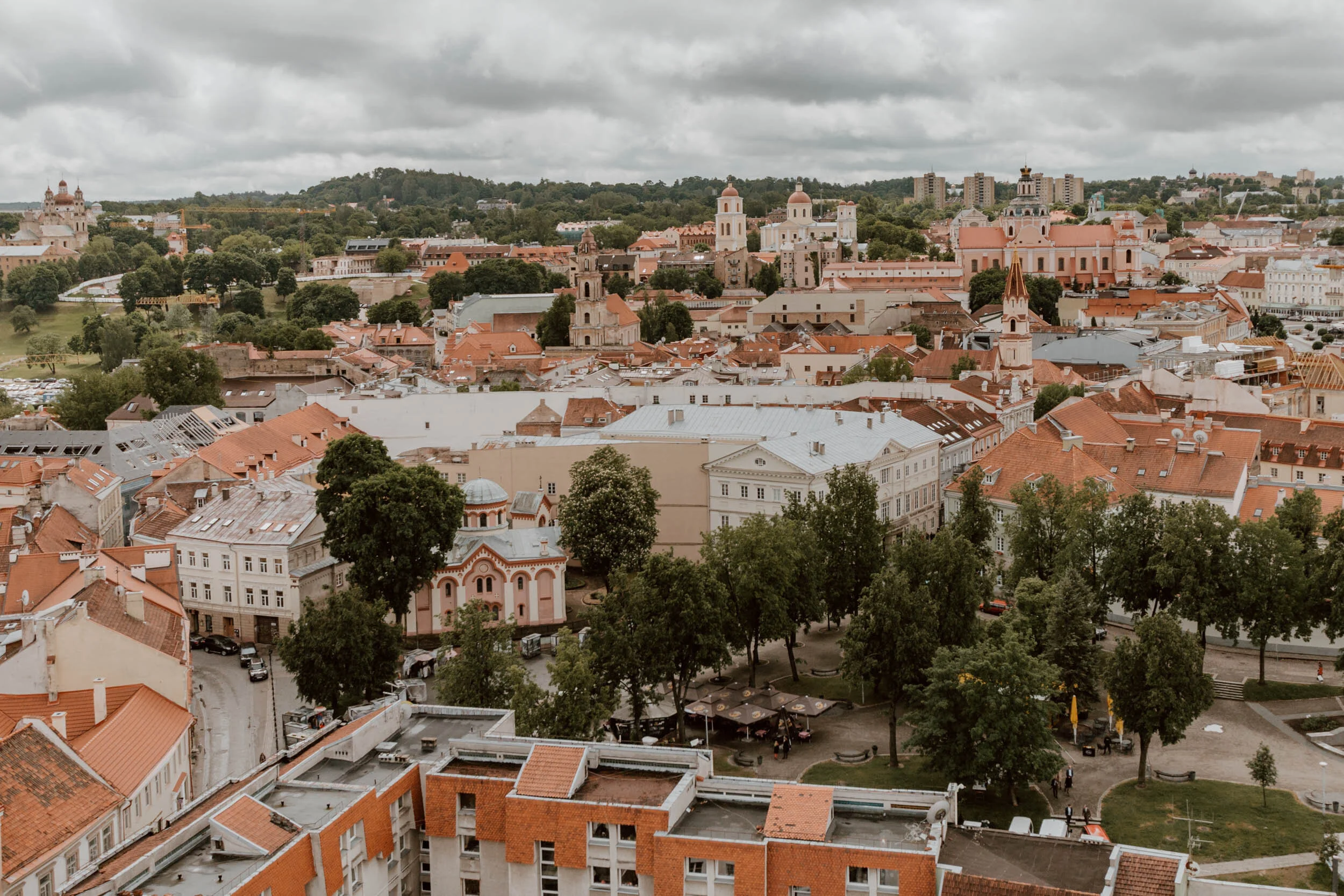
The city’s orange rooftops are best admired from the bell tower of St. John’s Church at Vilnius University, the highest point in town (€5 for adults, €3 for students).
| Pay Your Respects at the Genocide Museum
Set in the city’s former KGB prison, this museum documents the darkest chapters of Lithuania’s 20th century. It’s sobering but essential for understanding the country’s past.
| Follow the Church Trail
Vilnius is famously home to 28 churches - that’s one for every 700 residents. The best to visit include St Anne’s and Bernardine Church, Saints Peter and Paul, St Mikalojaus, and Vilnius Cathedral. Their baroque façades and lavish interiors are a reminder of the city’s deep Catholic roots.
| Explore the Jewish Quarter
A peaceful pocket of the Old Town with cobbled lanes and pretty cafés, Vilnius’ Jewish Quarter tells a quieter, more tragic story. Few physical traces remain of its pre-war community, but you’ll find Hebrew street signs, memorials, and the excellent Vilna Gaon Jewish State Museum.
| Relax in Verkiai Regional Park
North of the city, this lakeside park is where locals escape for swimming, cycling, or lazy afternoons at Verkiai Mill beer restaurant. Open year-round and free to visit!
| Walk Beneath the Gate of Dawn
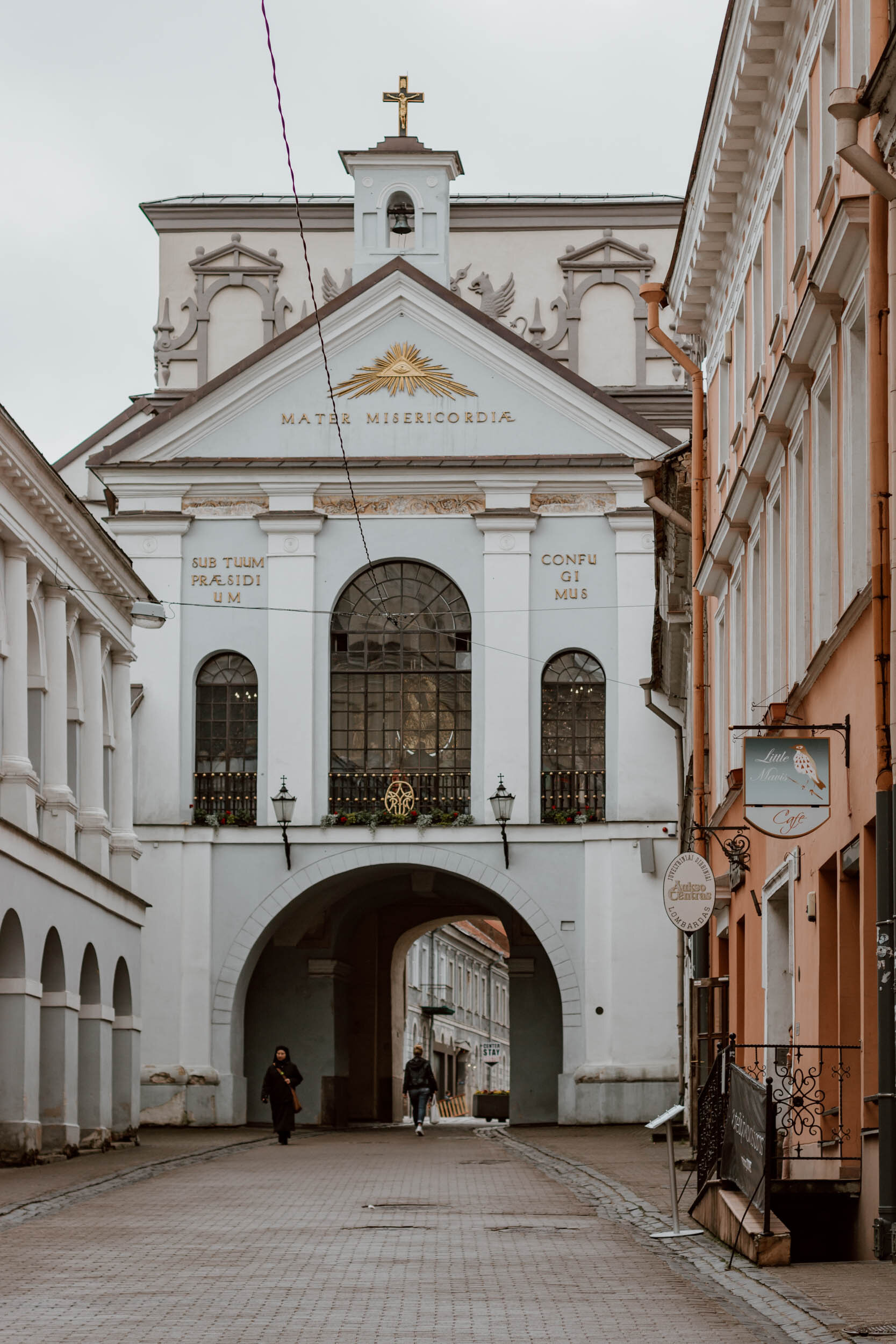
The last surviving entrance to the old city walls, this 16th-century gate houses a revered icon of the Virgin Mary said to perform miracles. Religious or not, it’s worth a visit - and Café Montmartre nearby serves excellent waffles for breakfast.
| Sunset from the Hill of Three Crosses
For one of the best views in Vilnius, head to this hillside monument overlooking the city. The crosses themselves are symbolic, but it’s the sunset - when the rooftops glow and the lights flicker on below - that steals the show.
Where to stay in Vilnius?
Backpackers will love Downtown Forest Hostel, we really enjoyed our stay at Artagonist Art Hotel, but if you’re looking for real luxury don’t miss Hotel Pacai.
Prefer an apartment? Some of our favourites are City Entrance Apartments, Live Like a Local, Sunny & Cosy Vilnius, Rooma Apartments, Vaulted Carmelite, Design Apartment and Authentic Old Town Apartment.
For more inspiration and help planning your trip, head over to our guide on the best things to do in Vilnius.
The Hill of Crosses
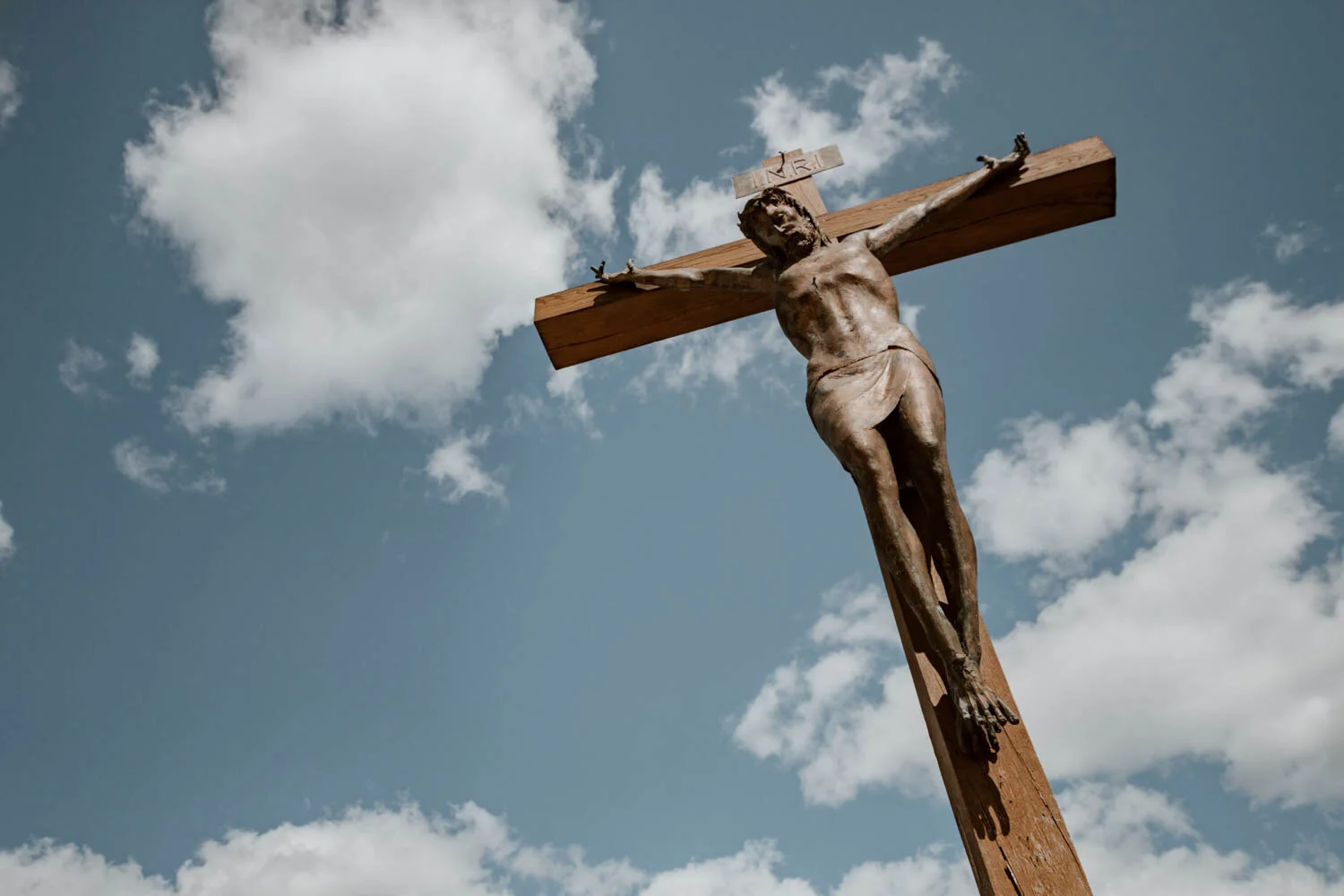
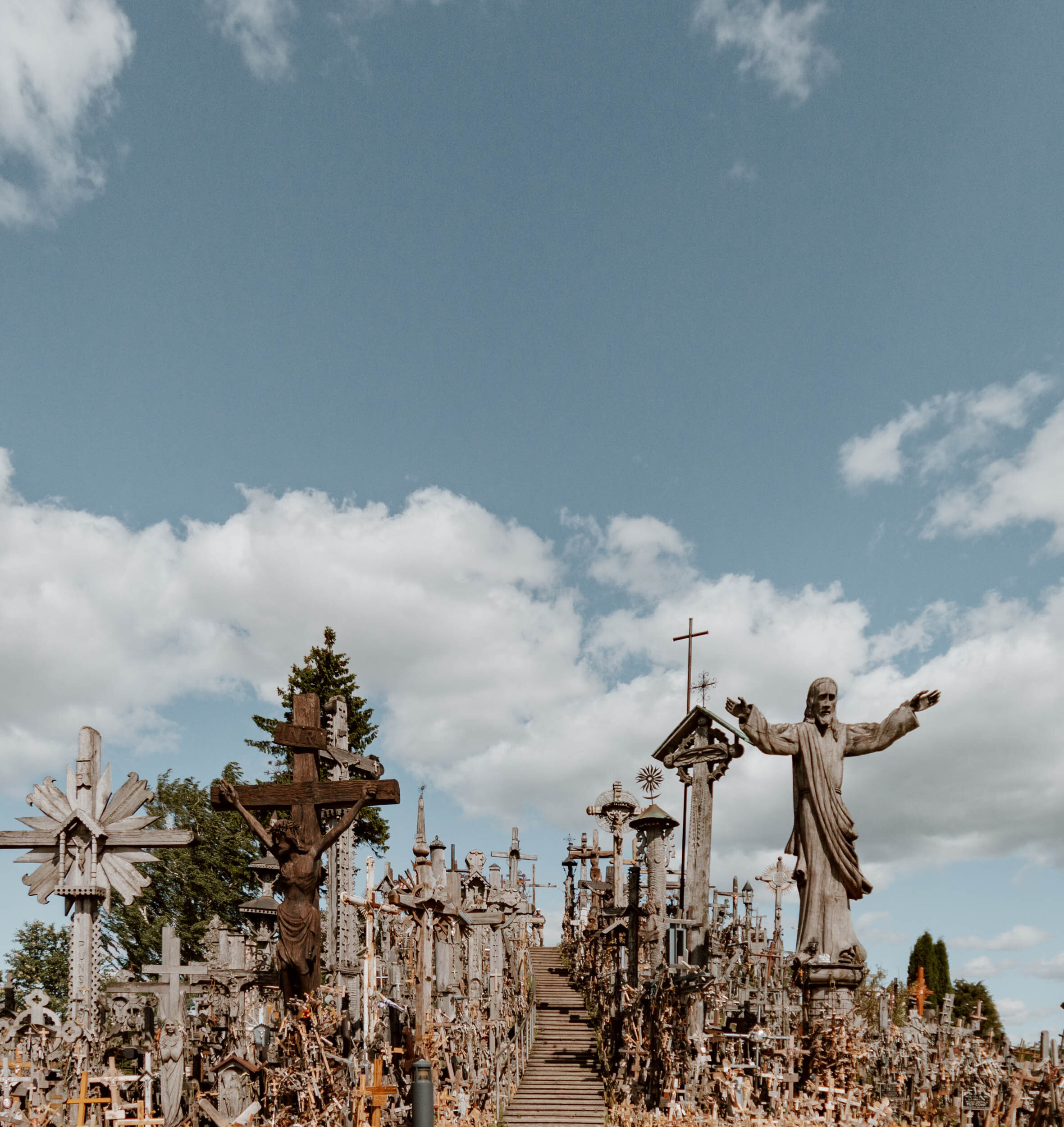
They say it all started with a vision, and a pilgrimage across the country to save the life of a farmer's daughter. A single cross for a miracle, which multiplied to include hundreds of thousands.
Perhaps the most unusual of sites in all of Lithuania, the Hill of Crosses in the north of the country is a must-see on any road trip through the country.
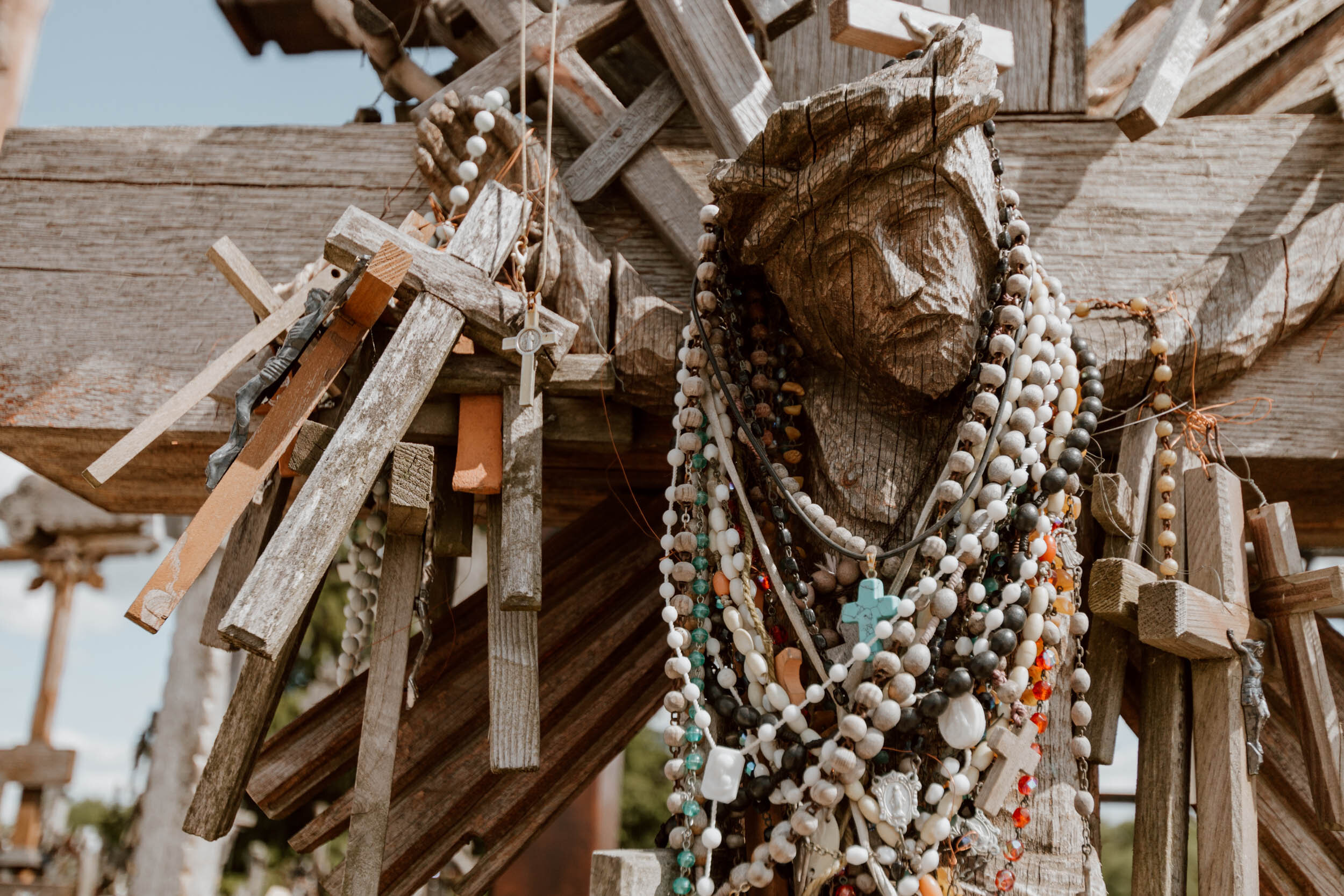
Even on a sunny day, as we weaved between the overflowing rows, fascination gave way to dark thoughts. Rotting handmade wooden crosses sat alongside colourful rosaries, beautifully ornate stone crucifixes and garish metal constructions.
A group of school kids once tried to count them, but so many arrived overnight it proved futile. They got to just over 300,000. It seems that many in Lithuania want a miracle of their very own...
The details | Found on Google Maps here, and you can visit at any time of day - there is no entry fee for the site.
There is a gift shop in the car park where you can buy a variety of different size crosses to add to the Hill's collection.
How to get there | Ideally accessed with your own car, the hill is 12km north of the central city of Šiauliai along Highway A12 near the village of Jurgaičiai. From the highway, it's another 2km east from a well-marked turn-off ('Kryžių kalnas 2').
For those travelling with public transport, from Šiauliai take a Joniškis-bound bus (€1.20, journey time of 10 minutes, up to seven daily) to the 'Domantai' stop and walk for 15 minutes, or grab a taxi (around €20).
Tour | This is a super popular thing to do in Lithuania, and as such, there are quite a large number of tour options - both from locations within Lithuania, and Riga in Latvia.
· from Riga, this super popular tour visits both the Hill of Crosses and various other attractions in the Jelgeva area.
· from Vilnius there are far fewer options (and they’re quite pricey) but if there’s a group of you be sure to take a look at this highly-rated private tour
· alternatively, this private tour from Šiauliai may be better for some
Travel Tip // The Hill is actually located on the road between Lithuania and Latvia, making this a good stop when travelling between the two countries - something that’s best done by backpackers with one of several popular one-way tours with sightseeing stops along the way.
The Sand Dunes of the Curonian Spit
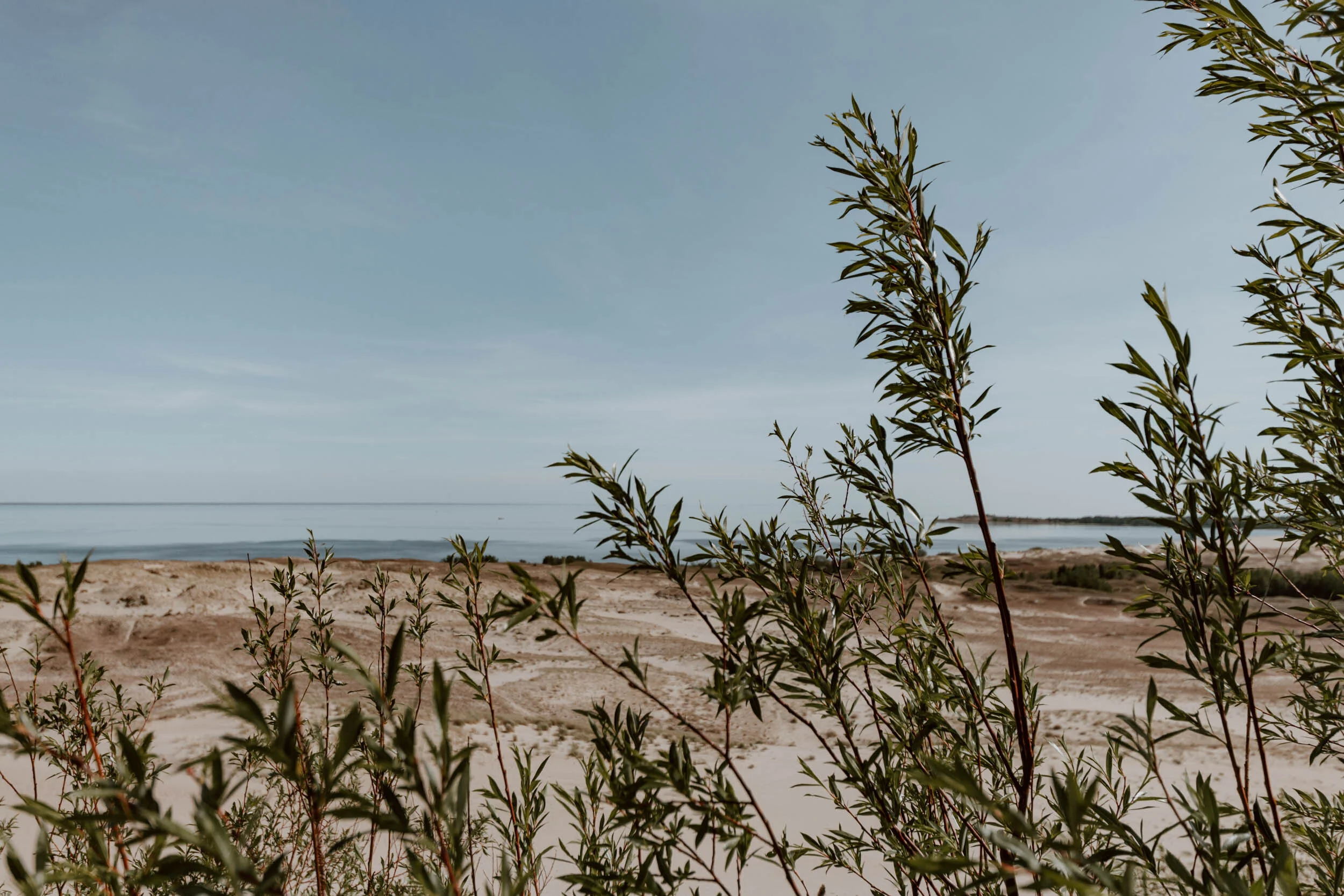
If Lithuania is as unfamiliar to you as it was to us, vast sand dunes are probably not what you'd expect from this little-known Baltic state - and yet vast sand dunes you will find, along a narrow stretch of land known as the Curonian Spit.
Separating the Curonian Lagoon to the east, and the cold waters of the Baltic Sea to the west, this 98km peninsula stretches all the way from Lithuania’s coast to the Russian exclave of Kaliningrad, and was - in 1991 - granted UNESCO status.
Comprising a number of picture-perfect colourful fishermen towns (collectively known as ‘Neringa’ - more on those later), pine forests, white sand beaches and the largest drifting dunes in Europe, the Lithuanian portion of the Curonian Spit remains one of the most popular holiday destinations within the country, and a fascinating place for visitors to explore.
Unanchored to the mainland by road, reaching the Spit required a short ferry ride (5-8 minutes) from Klaipeda.
How to get there | If travelling on foot or by bike, you need to head to the Old Ferry Terminal (maps). These go every 20-30 minutes from 7am until around midnight (fewer in low season) and costs €1.40 per adult, free for kids under 7 and €1 per bicycle. Tickets can be bought at the terminal or via keltas.lt.
Alternatively, if you wish to take your own vehicle, you need to jump on a larger ferry from the New Terminal (maps). Passenger cars cost €14.30 one way, and each passenger €1.40.
Getting around | Once you’ve made it to the Curonian Spit, you have a few options to get around.
· Bus / Direct buses connect Smiltynė and Nida (with stops in each village) and run every 1-2 hours during peak season.
· Bike / There’s a dedicated, scenic bike path (about 52 km) along the coast, passing dunes, pine forests, and lagoons. You can rent bikes in Klaipėda before taking the ferry, or in Juodkrantė/Nida if you want shorter rides.
· Car / If you brought your car on the ferry, simply drive south on the 2301 road (the only one on the Spit). Note that a national park entry fee applies (around €5 per car in summer, paid near Alksnynė).
The Dead Dunes
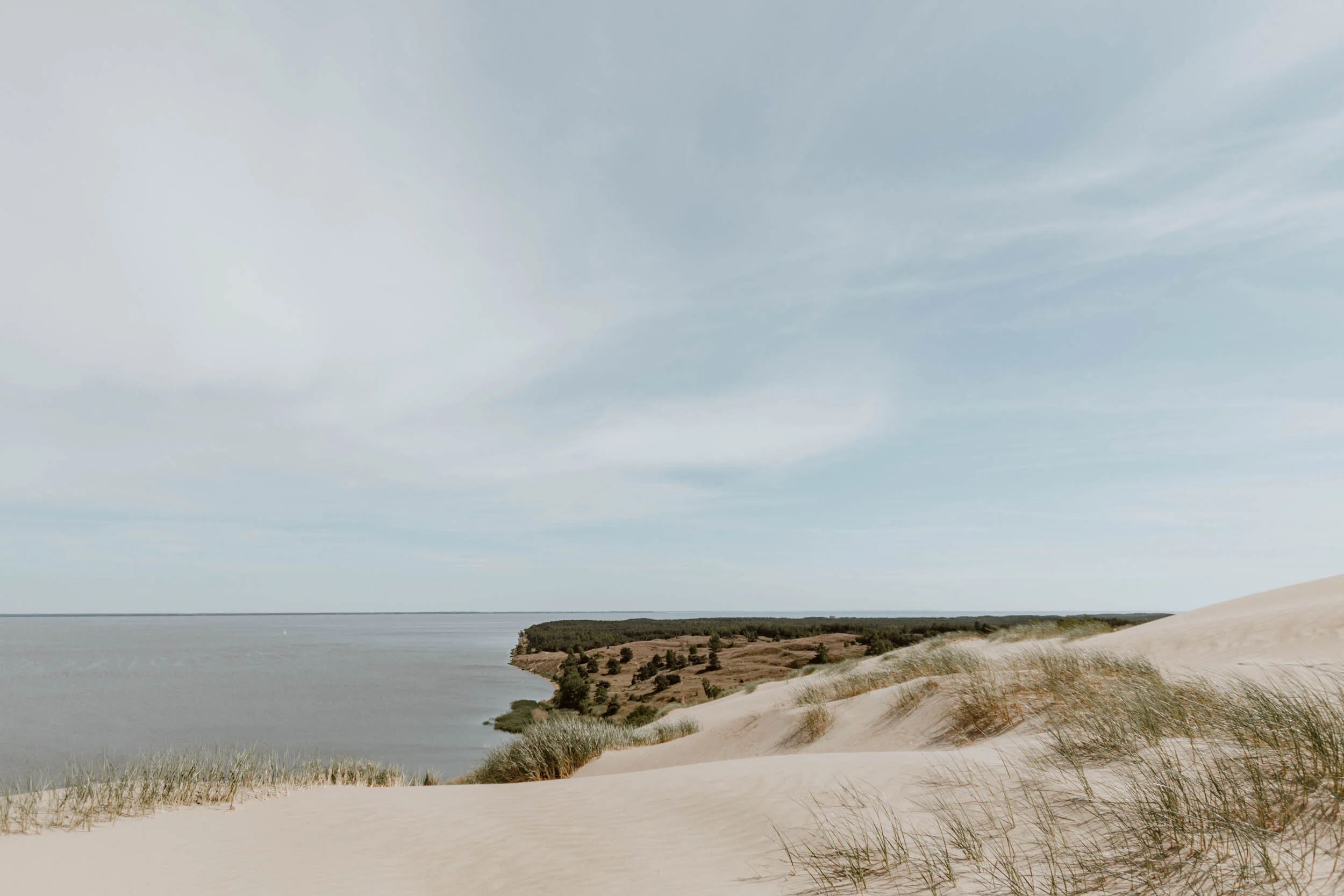
Between Juodkrantė and Pervalka lies one of the most hauntingly beautiful parts of the Curonian Spit: the Dead Dunes, also known as the Grey Dunes or Mirusios Kopos.
Formed by wind and time, they hide as many as ten towns and two cemeteries, lost to this world from as long ago as 1675; deforestation in the region causing the dunes to move up to 15 metres a year.
Today, the area forms part of the Nagliai Nature Reserve, a protected zone where visitors follow a short marked trail through the landscape. It’s the only way to experience the dunes up close, and it’s strictly forbidden to leave the path - as tempting as it is to wander further for that perfect photo, the fragile sands are constantly on the move, and each step has an impact.
To find the entrance, search for ‘Educational Trail in Nagliai Nature Reserve’ on Google Maps — it’s about halfway between Juodkrantė and Pervalka, around the 32 km point on the main road that runs the length of the Spit. The route is a mix of sandy ground and wooden boardwalks, leading to panoramic viewpoints that stretch over the dunes and the Curonian Lagoon beyond.
There is no public transport here, so your only options are by car or tour. There is a small carpark but it does get very busy during the summer months.
The details | Entrance is €5 per person and the dunes are open daily from late April to October, with hours varying seasonally - roughly 9am to 8pm in summer.
Plan for 30 - 60 minutes.

Parnidis Dune
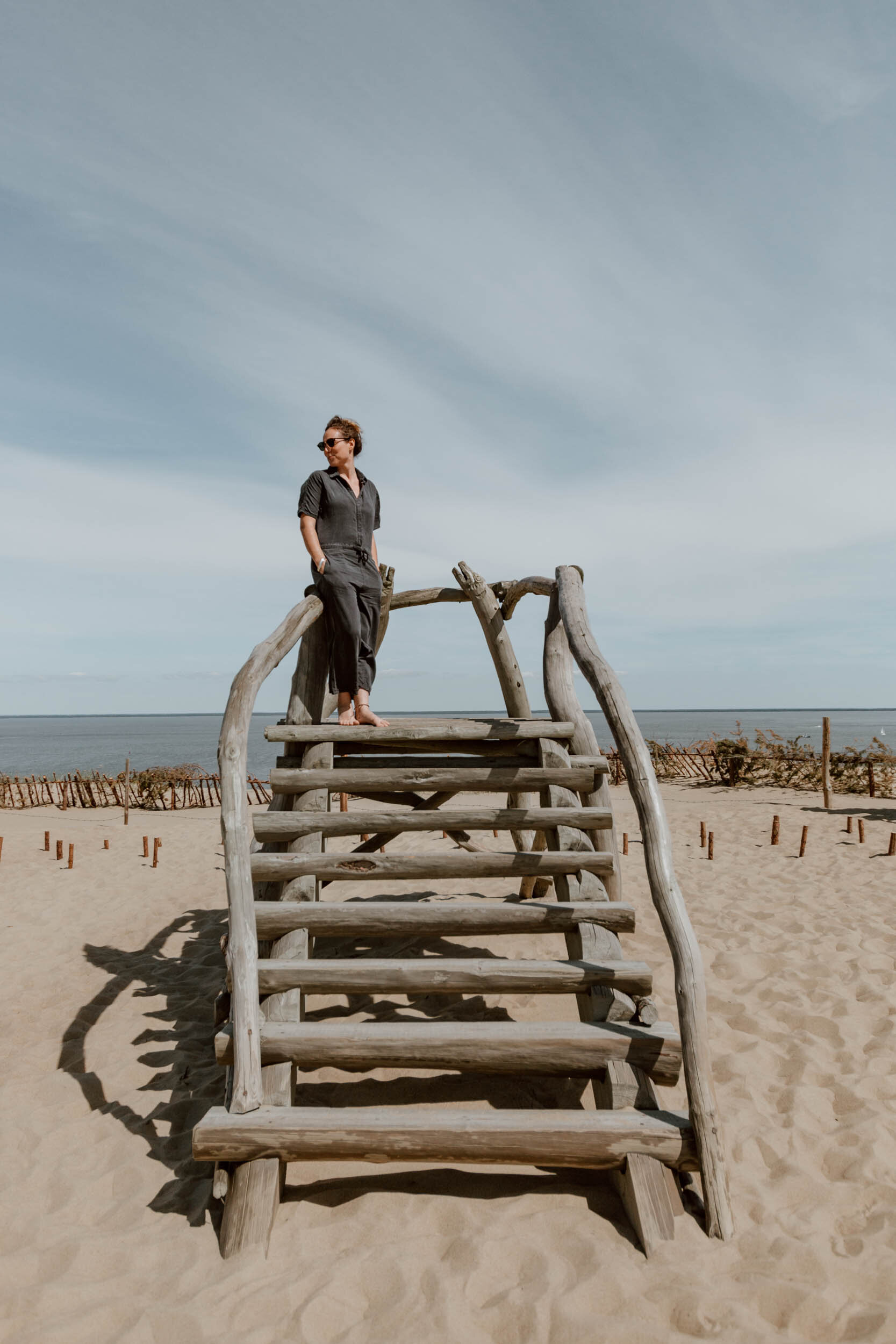
Rising 52 metres above sea level, the Parnidis Dune is the highest in the Curonian Split National Park and makes for some spectacular views of the region. Indeed, within a 360° turn you can take pine forests and sand dunes, the Curonian Lagoon plus the endless blues of the rough Baltic Sea.
A 1.7-kilometre loop trail winds its way around the dune, with wooden walkways and sandy paths leading to several viewing points - the most famous being the Parnidis Sundial, a sculptural timepiece that doubles as the perfect spot to watch the light change across the landscape.
Given its geographical position along the peninsula, this is quite impressively the only place in Lithuania where you can watch the sun rise above the water from the east, and set below the water in the west, and whilst it’s a super busy throughout the day during the warmer months, we’d highly recommend making a beeline for the viewing platform for sunset or sunrise.
The details | Head for the sundial here, and the entire loop trail is free.
The dune can be accessed from a small car park not far fro the sundial, or you can choose to walk along the small hiking trail (easy level) from Nida.
The Treetop Walking Path
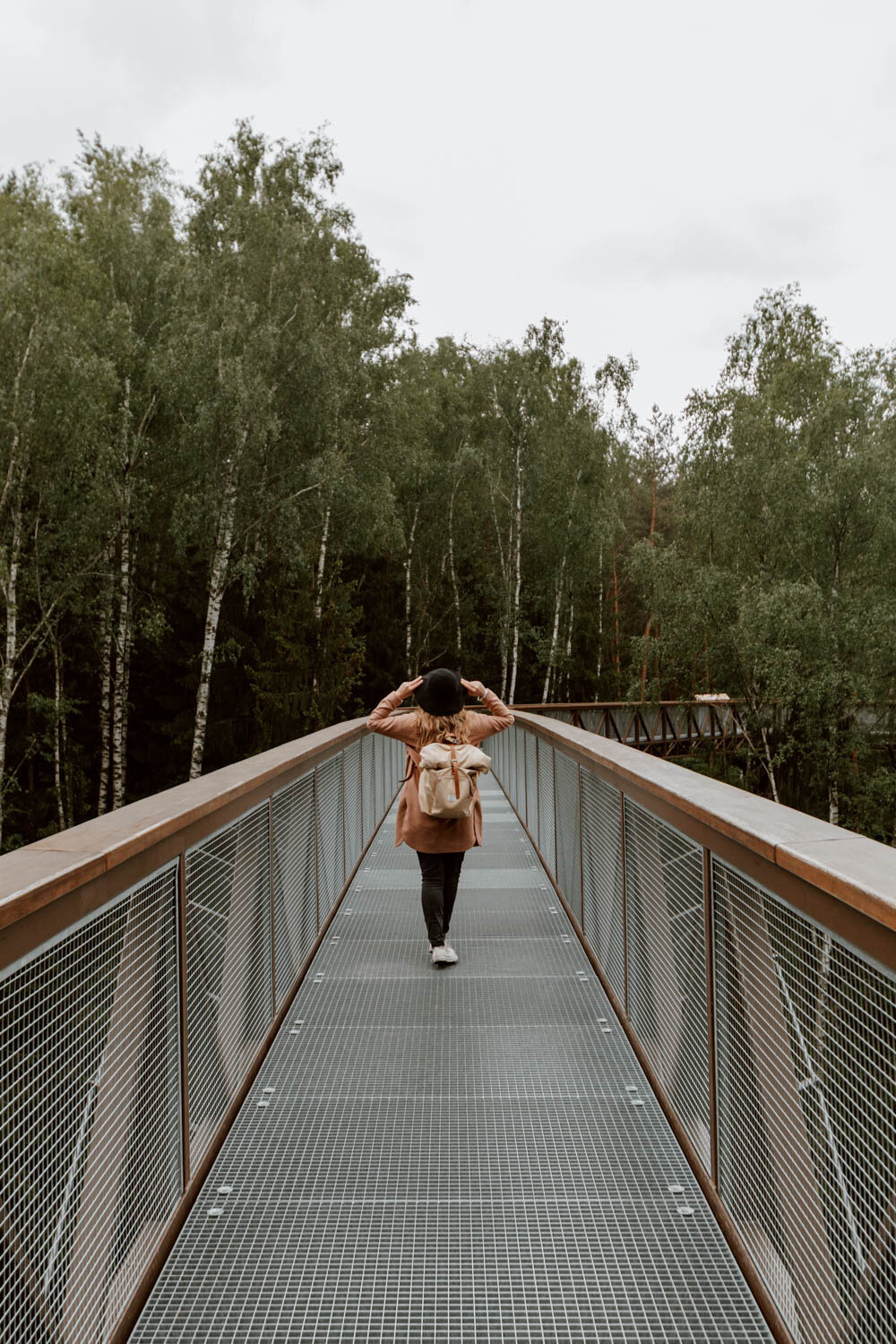
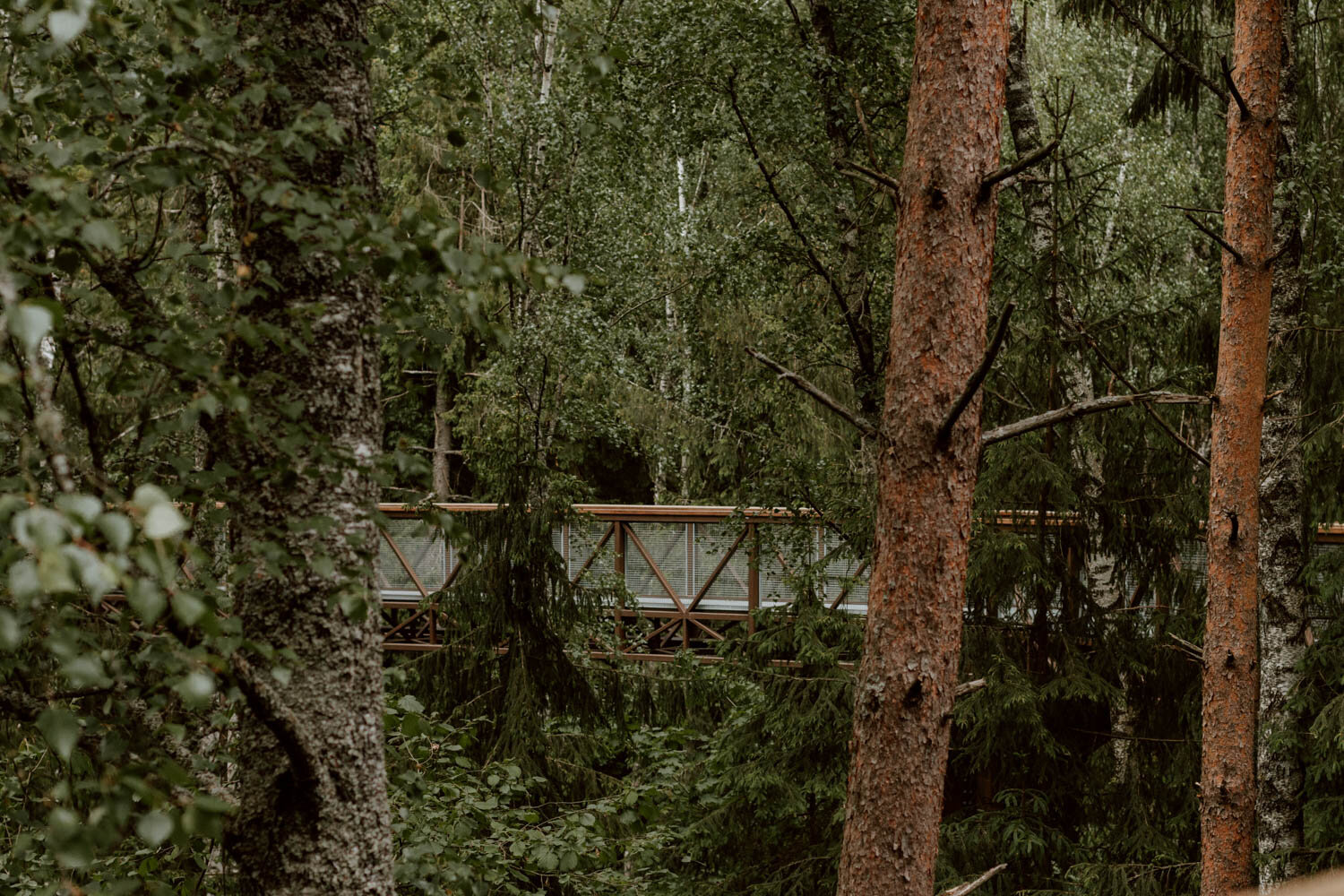
Winding its way through one of Lithuania’s most storied forests (immortalised in a 19th-century poem by Antanas Baranauskas), the 300m long Treetop Walking Path is the first of its kind in Eastern Europe. Sitting 35m above the forest, it allows you to discover the nature of Anyksciai Regional Park from above, at the level of treetops.
From the top, the view opens over a sea of green that shifts with the seasons - delicate and bright in spring, deep and aromatic in summer, dusted with frost in winter. At the far end, a small observation tower rises even higher above the canopy, letting you look down the Sventoji River valley and across the forest that inspired Lithuania’s national romantic movement.
A unique way to experience the wilds of Lithuania, our time amongst the pines was unfortunately interrupted by a torrential downpour - we even had to miss the biggest stone in the country (yes, it's a thing here). Still we’re certain it would be a delightful way to spend a couple of hours on a fine weather day, whether that be spring, summer or winter.
If you’d like to explore beyond the treetop path, there’s a 5km ground-level trail that takes in the beauty of the Anyksciai Regional Park woodland, leading from the walkway through the wider park, where you’ll find picnic spots, boardwalks, and quiet corners beneath the trees.
You can find further details of the nearby walks and surrounding area here.
The details | Find the Treetop Walking Path here on Google Maps. Entry costs €2 per adult / €1 student or child.
Only really accessible with your own transport, it is a 1.5hr drive from either Kaunas or Vilnius (there’s a small car park beside the entrance). Should you wish to spend the night, simple campsite and guesthouse within the park itself, surrounded by forest and close to the river.
The Hill of Witches
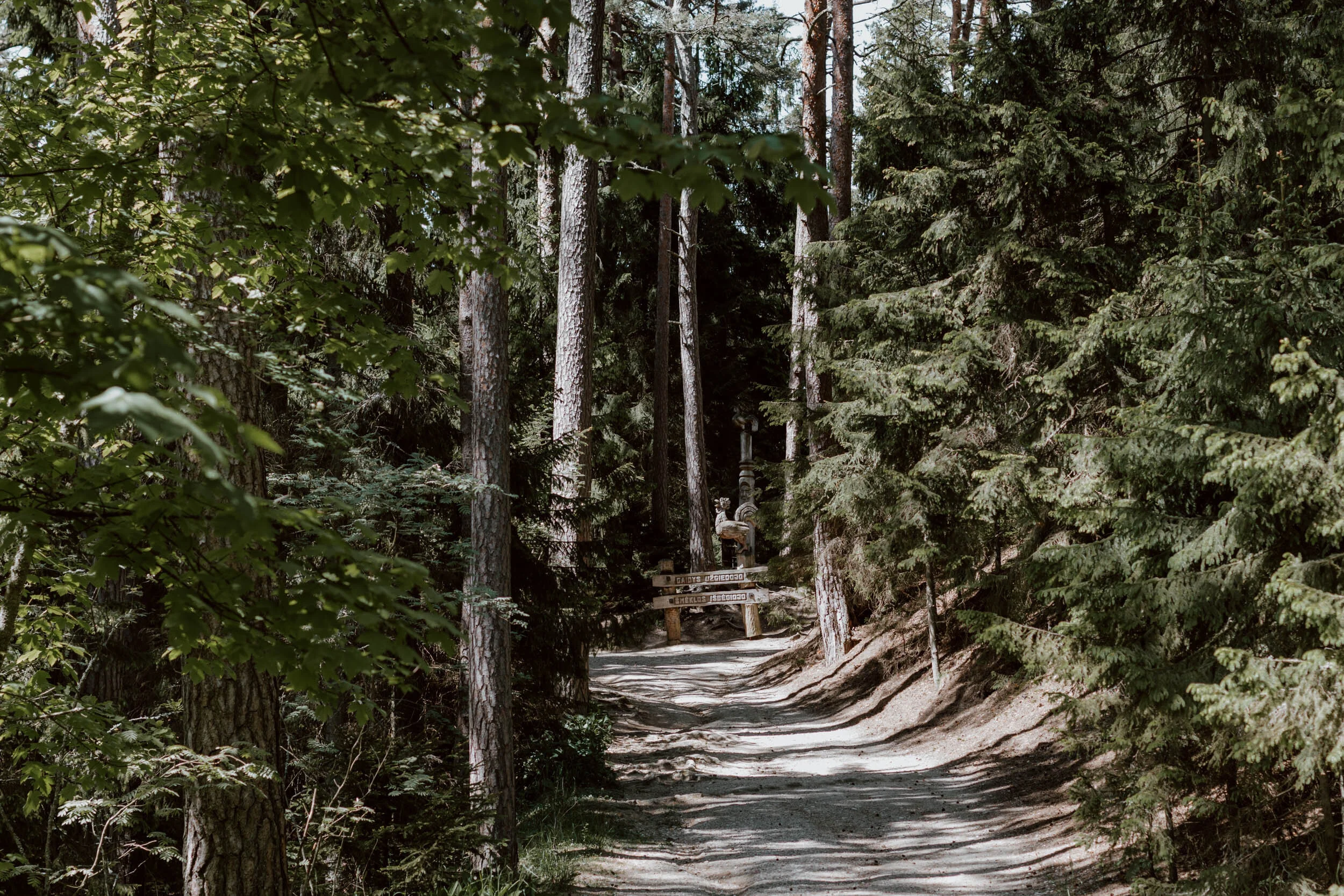
Minutes from the dead dunes, within woods of century old pines, it is another local legend that lends its name to a hill. A forest of devils, witches and diabolical acts, played out through beautifully rendered wooden sculptures (Lithuanian artists have added more than 80 over the years).
Trace the path up to the top of the hill and pass creatures of fairytales until you reach the highest point with spectacular views over the spit. Those not so keen to look evil in the eye, may want to make a quick descent back to the road - and keep to the right!
Oh, and in case this place couldn't get any weirder, Europe's largest colony of cormorants live down the road, and their poop (yes, their poop!) has killed all the surrounding pines, leaving behind a ghostly white forest.
The details | Can be found here on Google Maps and it’s completely free to enter. The trail can be accessed through a forested sand dune just off the main road in Juodkrante. Allow around 45 minutes to wander the loop at a relaxed pace.
Take a Trip to Trakai Castle
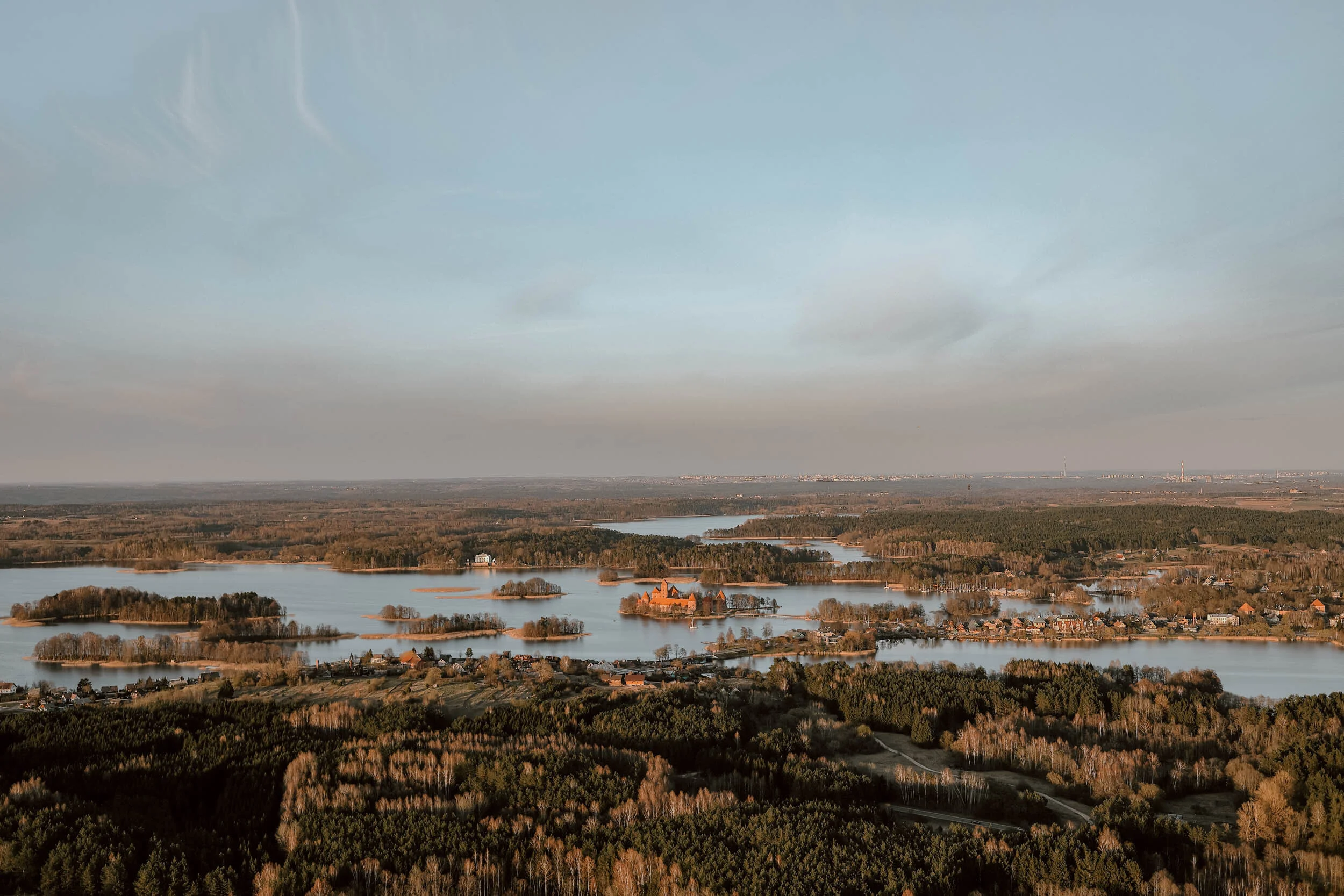
Just 28 km from Vilnius, Trakai castle - located on an island in the middle of Lake Galve - makes a wonderful day trip for those basing themselves in the capital.
Built in the 14th Century, it was a home away from Vilnius for the country’s Grand Dukes, until the town of Trakai (once the second most important city in the Lithuania) began to pass into decline in the 17th century. A massive restoration was undertaken in the 19th century, returning it to its former glory before opening to visitors.
Undoubtedly a popular tourist attraction (both with foreigners and locals alike), the crowds can feel a little overwhelming at times, so we’d recommend combining a visit here with a boat ride around the lake - although the castle is impressive up close, we kind of think it's prettier from the distance!
The details | Trakai Castle can be found here on Google Maps. It’s free to walk around the castle grounds and entry costs €8 per person.
The castle and the quaint town are easily accessible by rental car, public transport and tour, with multiple direct bus and train connections from Vilnius.
For those that would prefer to take a tour from Vilnius, we’d recommend this half day one, or if you’d prefer a private option, this one comes highly rated.
Top Tip // If you’ve got time, be sure to spend a little while exploring the small town of Trakai to learn a little more about Before Karaim culture, a small yet unique ethnic group (descendents of a Crimean family) that has called Trakai home for more than seven centuries.
The Pretty Seaside Town of Nida
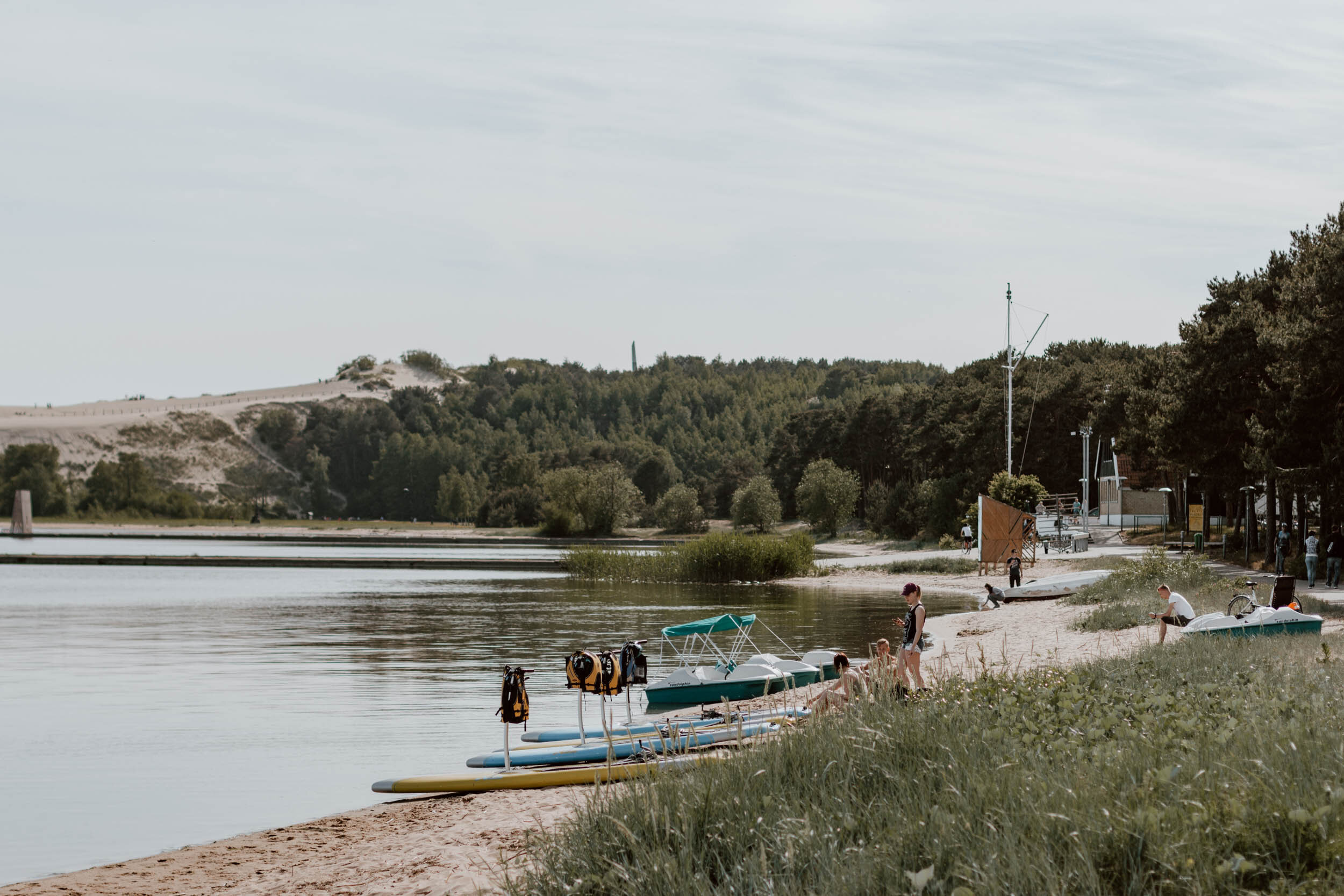
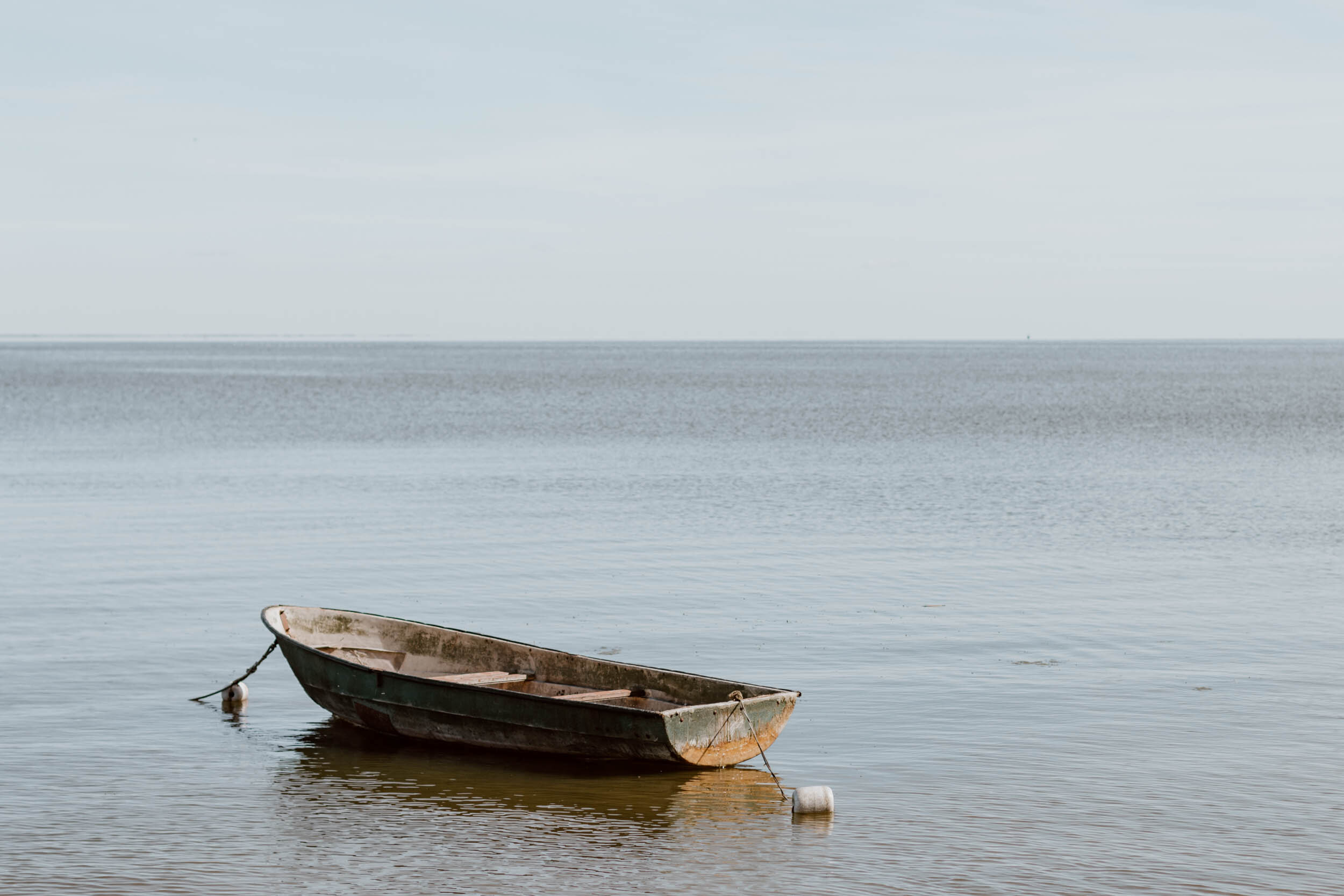
Colourful clapperboard houses, fishing boats and holiday homes. In the warmer summer months, Nida feels distinctly Scandanavian - and is a hugely popular spot for weekenders and holiday-makers.
One of the four villages along the Curonian Spit, it is a top spot for outdoorsy types, with ample opportunities to kayak or canoe on the lagoon, cycle or run along the waterfront path or hike into the forest it's also a got some great beaches and a vibrant restaurant/bar scene. It's kind of the perfect summer town!
Top Tip // Don’t have your own transport? It’s possible to take a full-day tour from Vilnius to the Curonian Spit. Find out more here.
The Essential Things to Do in Nida
| Take a stroll along witches hill
Mentioned above, the Hill of Witches just down the road from Nida is a worthwhile visit whilst you’re in the area.
| Get your hands on some amber
There are a number of stalls and souvenir shops selling amber in Nida as well as a small museum in an old fisherman’s hut on the northern side of town.
| Visit the Fisherman’s Museum
Built in 1927, this curious museum aims to show visitors what life was really like for the local fishermen that once called this hut a home. Find the museum here.
| Take a Moment with a Maestro
A much-loved Lithuanian singer, songwriter and TV personality, Vytautas Kernagis lives on through a memorial by the waterfront, overlooking the serene Lagoon.
| Hit the beach
Given its location on the Curonian spit, it is unsurprising that some of Lithuania’s best beaches are within walking distance to Nida.
| Get active
As we outlined above, Nida is the perfect place for water-based adventures with the option to enjoy sailing, kayaking, SUP-ing - and of course, swimming.
| Catch the sunrise - or sunset - at the Parnidis Dunes
As we discussed above, these dunes are an absolute must do - especially at sunrise or sunset!
Where to Stay in Nida?
For a small place, there are a surprisingly large number of accommodation in Nida. A few to take a look at are Loftas Nidos, Apartamentas Plunksna, Nidos Rojus, Nidos Namai and - if you want something a little fancy - SPA Nida.
Pas Tėvukus
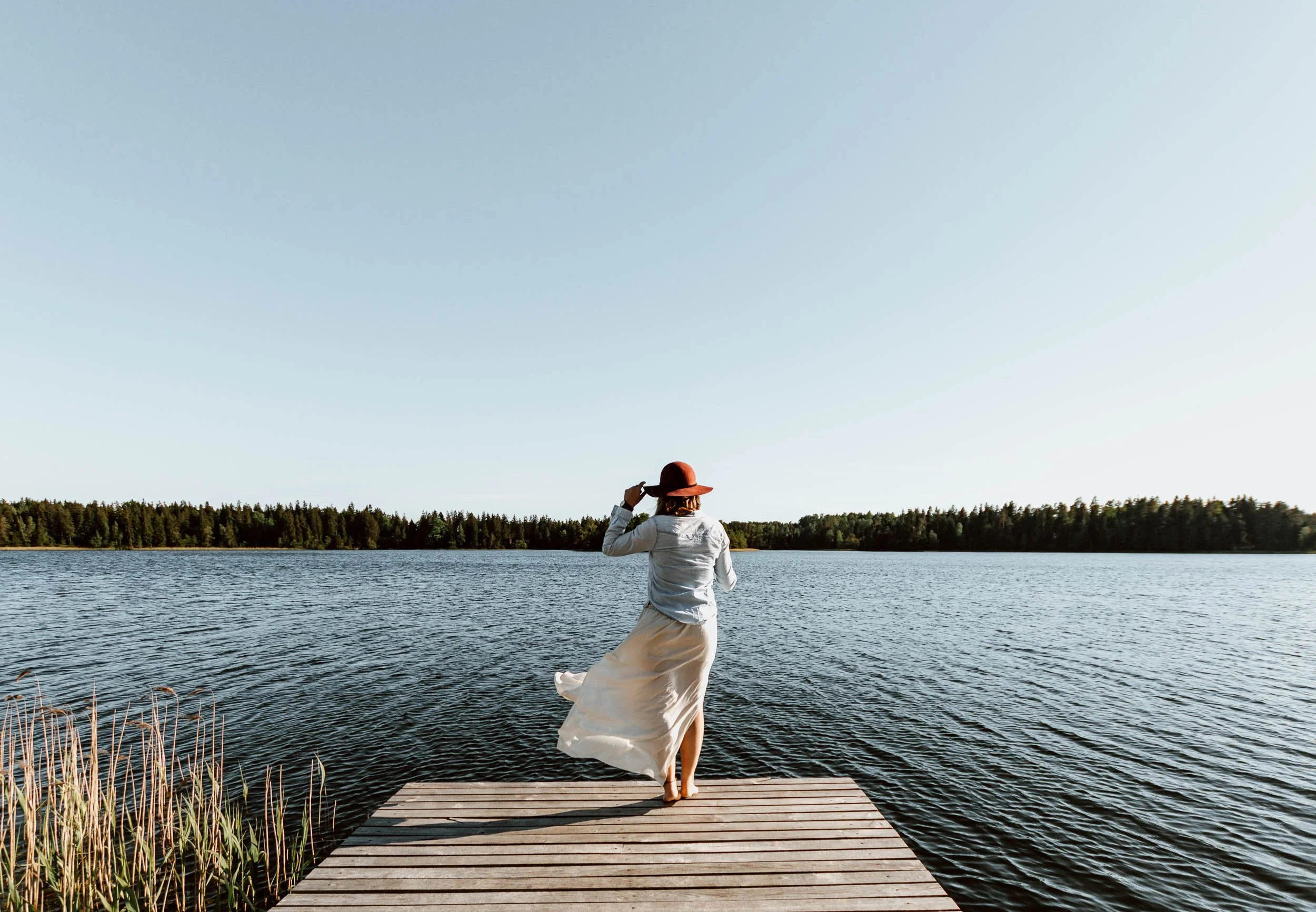
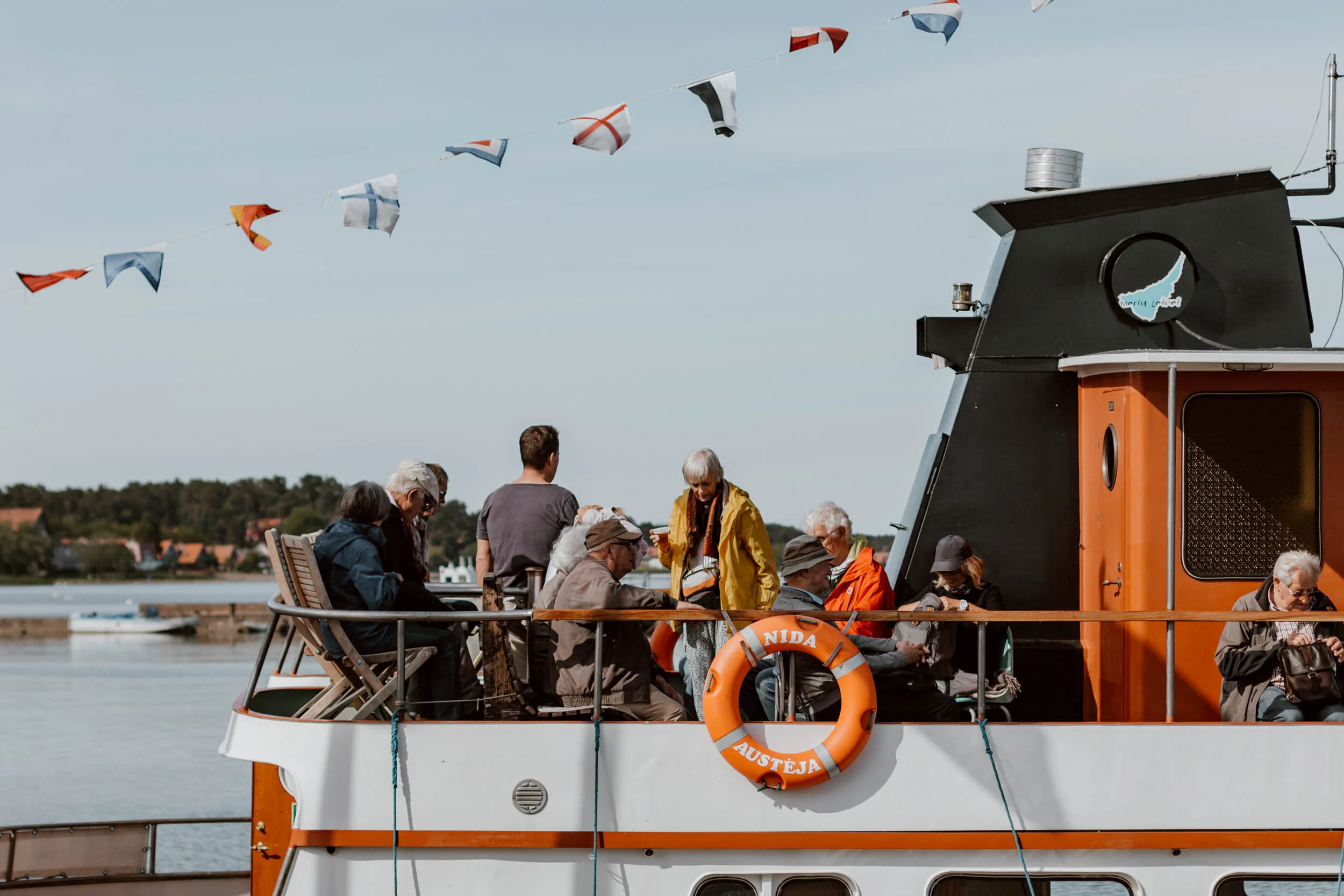
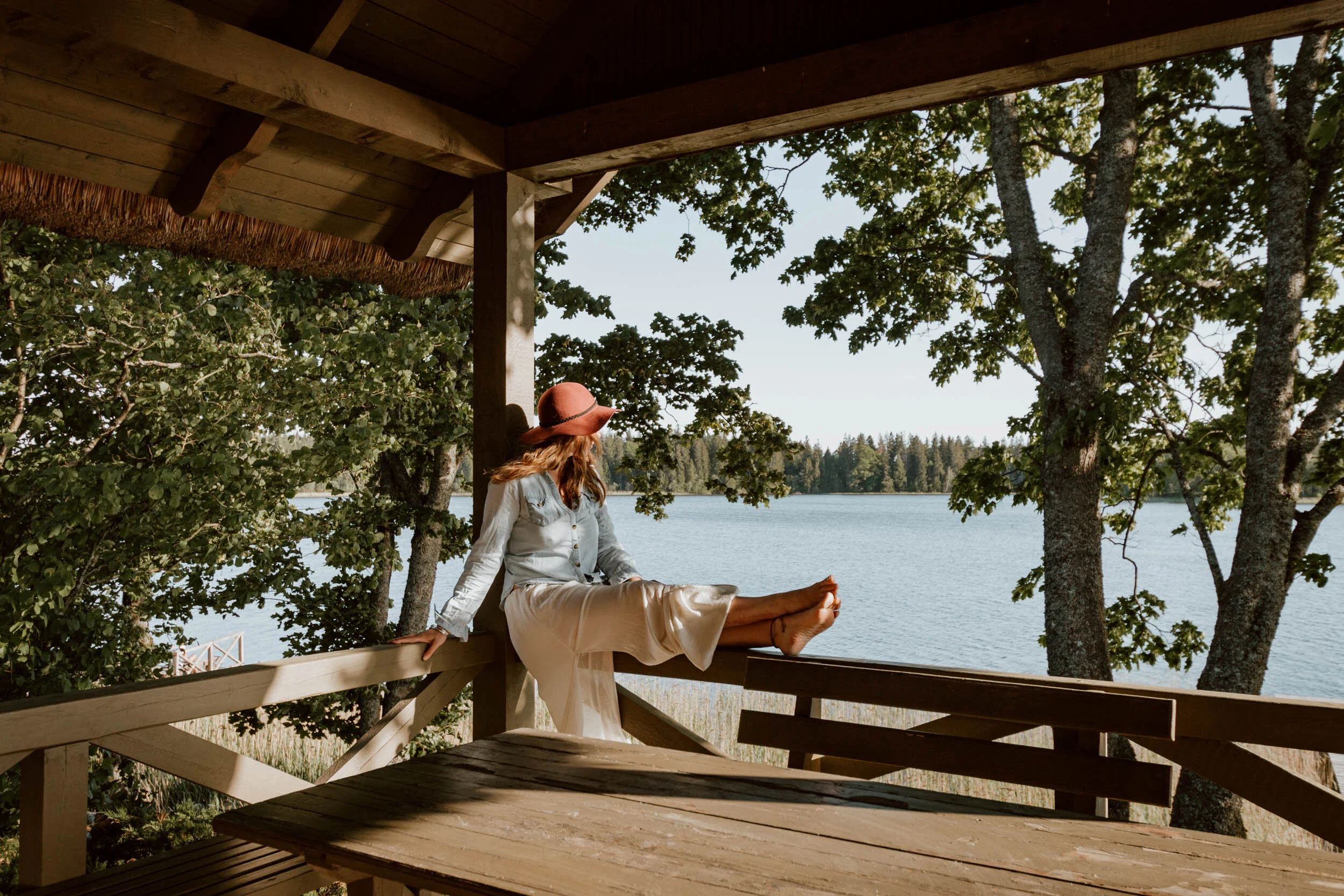
At the edge of Beržoras lake, set deep within a national park lives a little taste of history and a truly beautiful place to spend a few days. Pas Tevukus (translated as 'at my parents' place') is a family run homestead replete with stunning wooden cabins, hand-made saunas and some of the prettiest lake-side views I've ever seen.
It's also the place where two women who should know better force-fed us all far too much moonshine. But that's beside the point.
Like many small communities across the world, history, heritage and tradition is incredibly important to Jurgita and Marijona (the mother and daughter duo who run Pas Tevukus), and it is impossible to spend time here and not learn a little of Samotogian culture. The clothing, the food and the way of life are strikingly different to outside of this region - even the language was difficult for our guide and driver to understand.
You can of course simply stay for the peace, the quiet and the relaxed way of life, but we'd implore you to have at least one traditional meal in the family home - if only for the potatoes, cannabis seeds (purely nutritional we're told) and soured cream, it really is rather excellent!
For more information, including prices and to make a booking, see this link.
Klaipeda
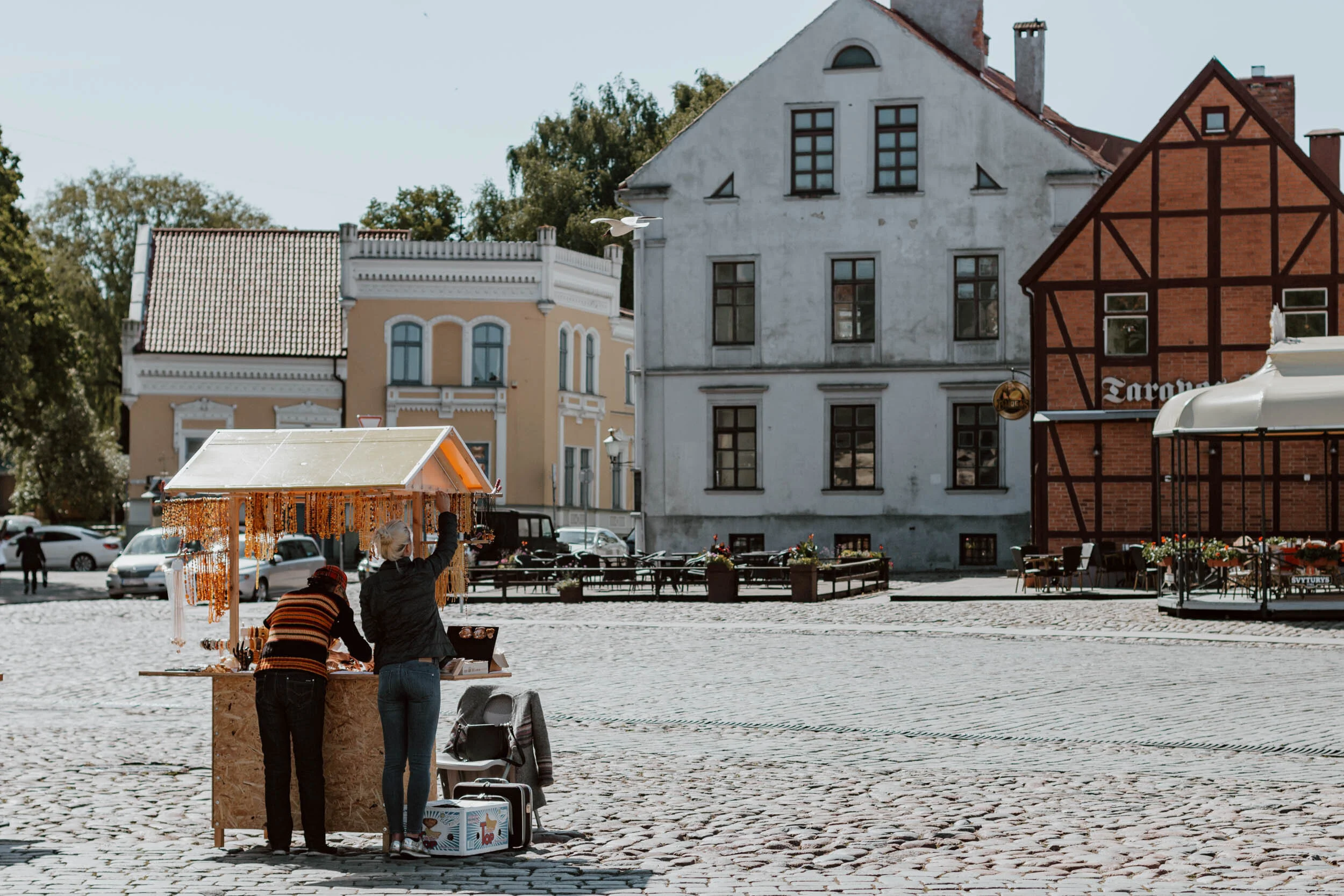
Sailing boats and bristled fishermen, colourful Germanic style buildings and world-class restaurants, Klaipeda has a lot going on. Rarely visited by foreign tourists, it has something of a weekend-break feel - it's just nobody seems to know it yet!
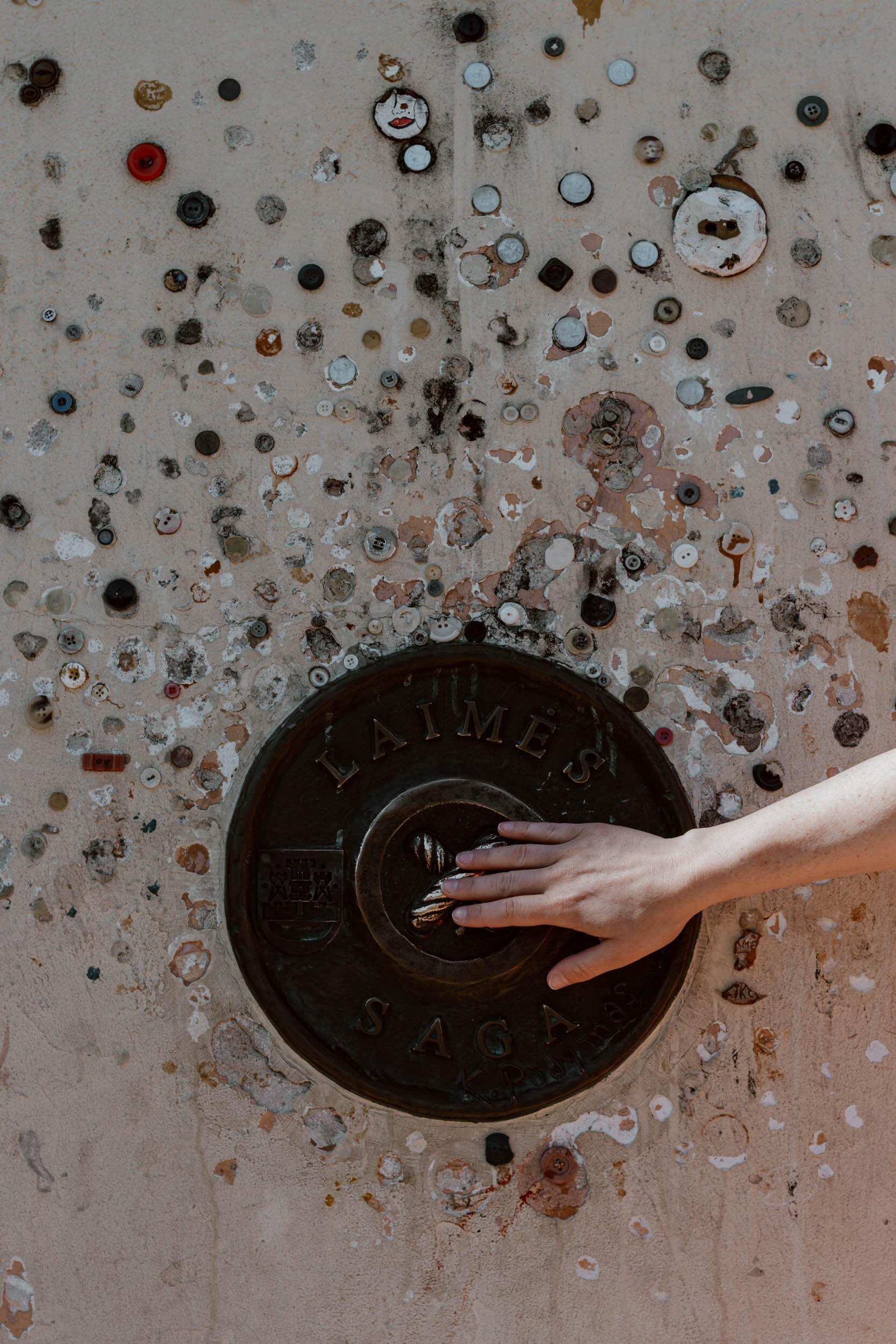
A place perfect for exploring on foot, if only embarking upon the pseudo-treasure hunt dispersed throughout the old town. You see, the local council had a fairly novel concept of wishful thinking, and have placed several sculptures around and about to grant wishes. Half the fun is to track them all down, but be sure not to miss the magic mouse - and whisper, ever so quietly, your secret dreams. Maybe they'll come true...
The Essential Things to Do in Klaipeda
| Explore the old town
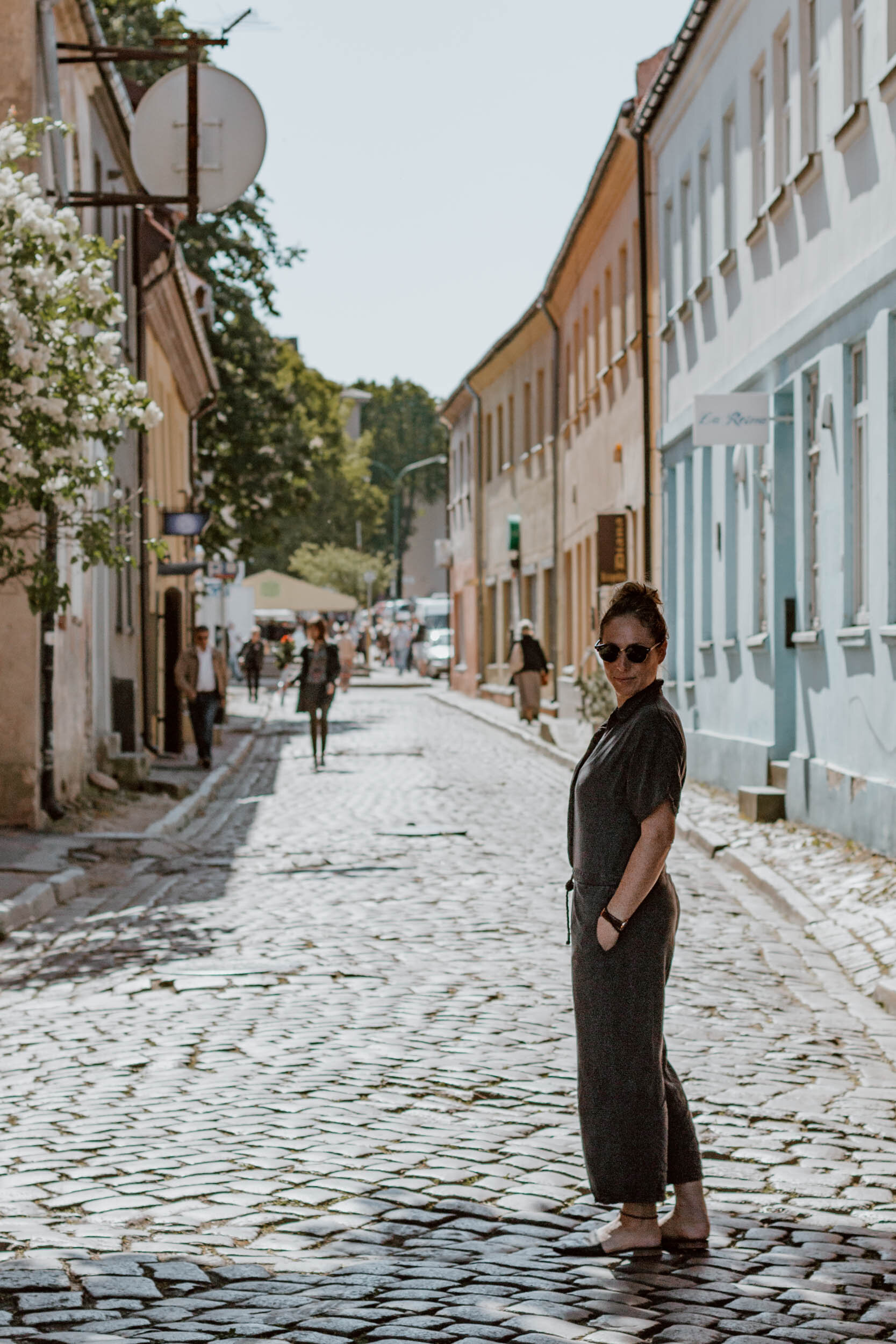
A colourful palette of pastel hued buildings, Klapeida’s old town is a truly beautiful place to explore. Given the city was part of the Prussian empire for much of its history, there’s a strong germanic influence to many of the buildings lining the cobbled streets.
| Visit the sculpture park
Once a cemetery, it was converted into an exhibition space by the Soviet government in 1977. Contains more than 100 sculptures from 67 Lithuanian artists. You can find it here on Google Maps, and it’s free to visit at all times.
| Wander along the Dane River
The perfect activity on a sunny day, be sure to take a look at Meridianas, a beautifully restored large sailing boat (that’s also a restaurant)
| Eat at Monai
If you’re keen to experience a more contemporary take on Lithuanian cuisine, be sure to book a table at the very lovely - and very fancy - Monai Restaurant (maps).
| Lose yourself in the botanical gardens
Located a little outside of the city centre on the grounds of the university, this paradise of all things flora and fauna is a wonderful retreat from the city.
Where to Stay in Klaipeda?
Our favourite pick is probably the gorgeous Merchant Signature Suites, but Adler Aparthotel and Dangė Hotel are great, more affordable options. Alternatively, if you really want a real design-led option, Hotel Reja is outstanding.
The City of Kaunus
Lithuania’s second largest city, we have to admit that we haven’t actually been here. However, given that it will be the 2022 European Capital of Culture (as well as the first city in Central and Eastern Europe to be designated a City of Design by UNESCO), it would be remiss to not include it on this list of the best places to visit in Lithuania.
The Essential Things to Do in Kaunus
| Discover the street art
Known as the epicentre for Lithuania’s street art scene, the walls of Kaunus have told stories for decades - follow this map to find your favourites.
| Explore the old town
A relatively small area that packs a big punch, Kaunus old town is a wonderful combination of Gothic and Renaissance influences. Don’t miss the delightful - and pedestrianised - Vilnius gatve (Vilnius Street), or ‘The House of Perkunas’, both the oldest street and the oldest building in Kaunus.
| The Ninth Fort Museum & Memorial Complex
Located atop a hill overlooking the city, this early 20th century fort has been used for all manner of dark deeds since its creation, and now sits alongside a 32 metre tall, Soviet-era concrete memorial (erected in 1984) to the 30,000 Jews that were murdered here during the Holocaust. Find out more on the official website, including times and tickets.
| Visit the churches
There are a surprisingly large number of churches in Kaunus, all with very different architectural designs and histories and whilst most people won’t be keen to visit them all, three of the most popular are: Pazaislis monastery and Church of the Visitation, Kaunas Cathedral Basilica and Vytautas’ the Great Church.
Alternatively, you could trace a spiritual path through Kaunus and follow the city’s ‘Pilgrim’s Guide’
| Kaunus Castle
This 14th century castle - and museum - is one for the history lovers. Further information including tickets and times can be found on the official website.
| Hit up the museums
Don’t miss the National M. K. Ciurlionis Art Museum or the Devil’s Museum (yep, that’s a museum solely dedicated works depicting the Devil!).
The Alpine Coaster
In a world of high-speed roller-coasters and death defying theme park attractions, you may think that a small, trundling ride, powered it seems by gravity alone, could not be that enjoyable. Yeah, you'd be wrong - The Alpine Coaster is awesome! Especially when you get to go four times before the big group of 10 year olds turn up.
NB - apologies for no photo - turns out I look dreadful screaming my lungs out!
The details | The coaster can be found here on Google Maps and is open from 10am each day. Closing hours change depending upon time of year, and the best place to confirm current hours is the official tourism website.
Cost per person depends upon age and day of week, with the most expensive adult ticket costing €4.
Thanks so much to the Lithuanian State Department of Tourism for inviting me to experience the best of this surprising destination.