A Guide to Visiting Butrint National Park, Albania
From how to get there, whether you need a tour and the archeological sites you simply can’t miss, our guide includes everything you need to know to plan the perfect visit to Butrint National Park.
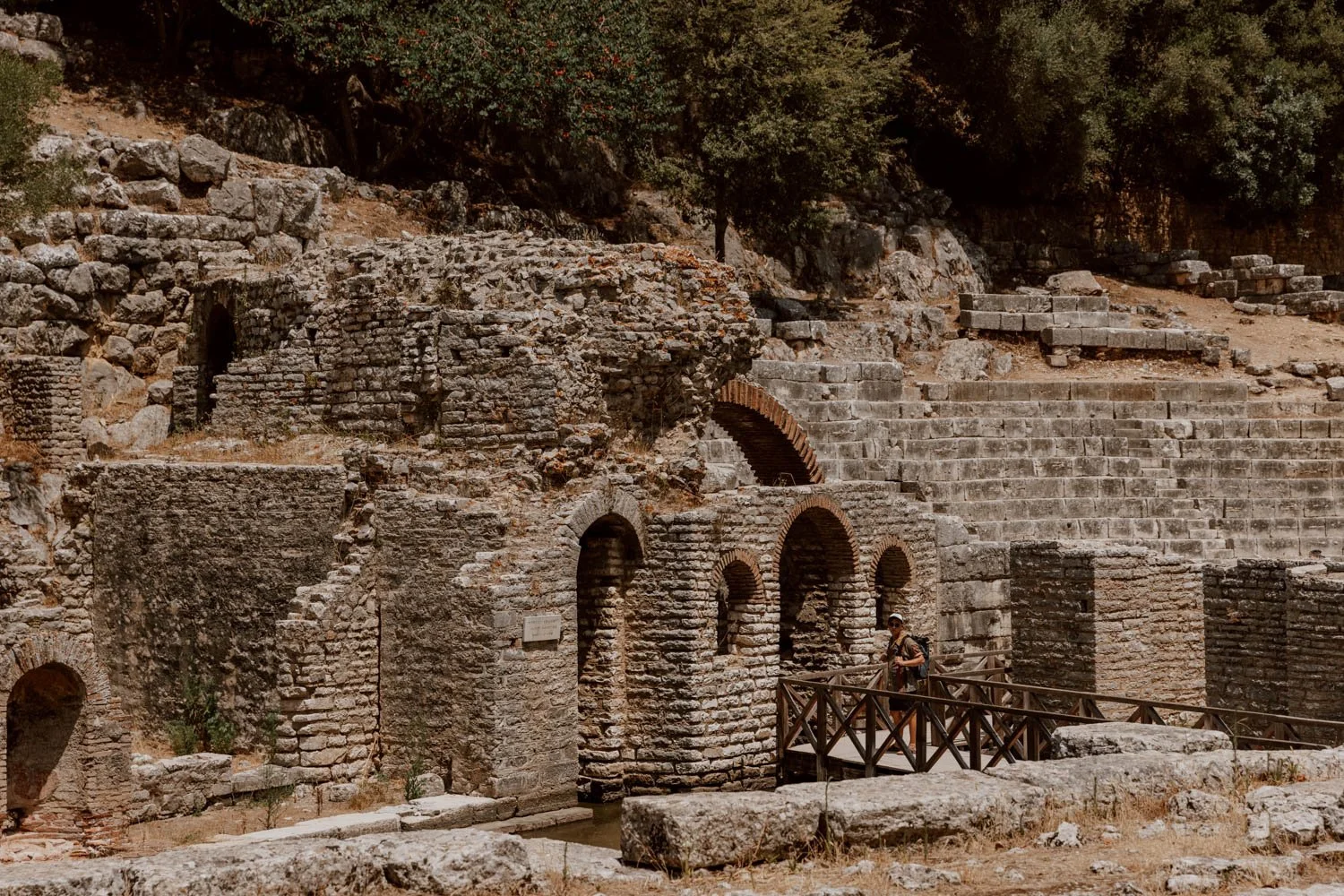
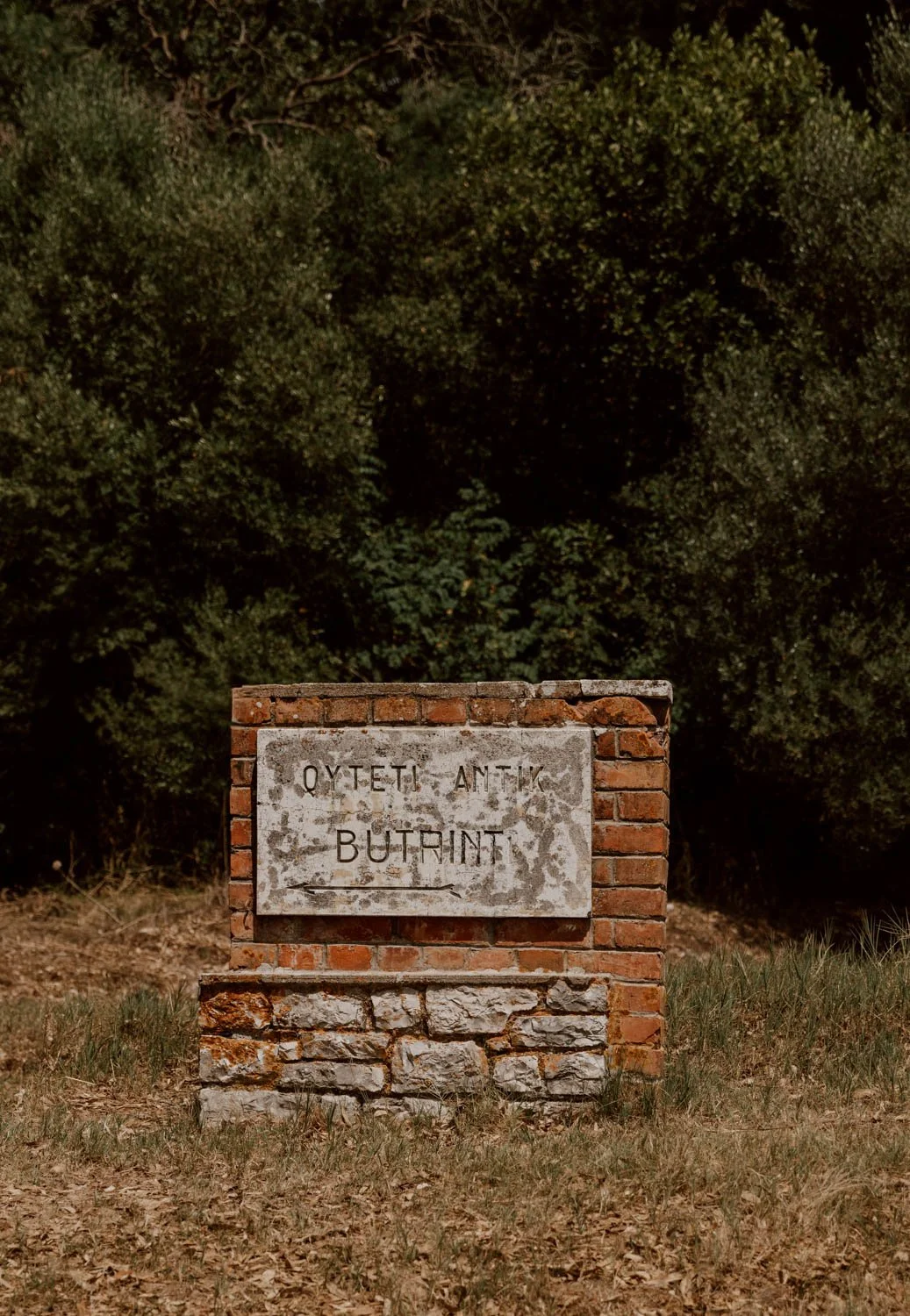
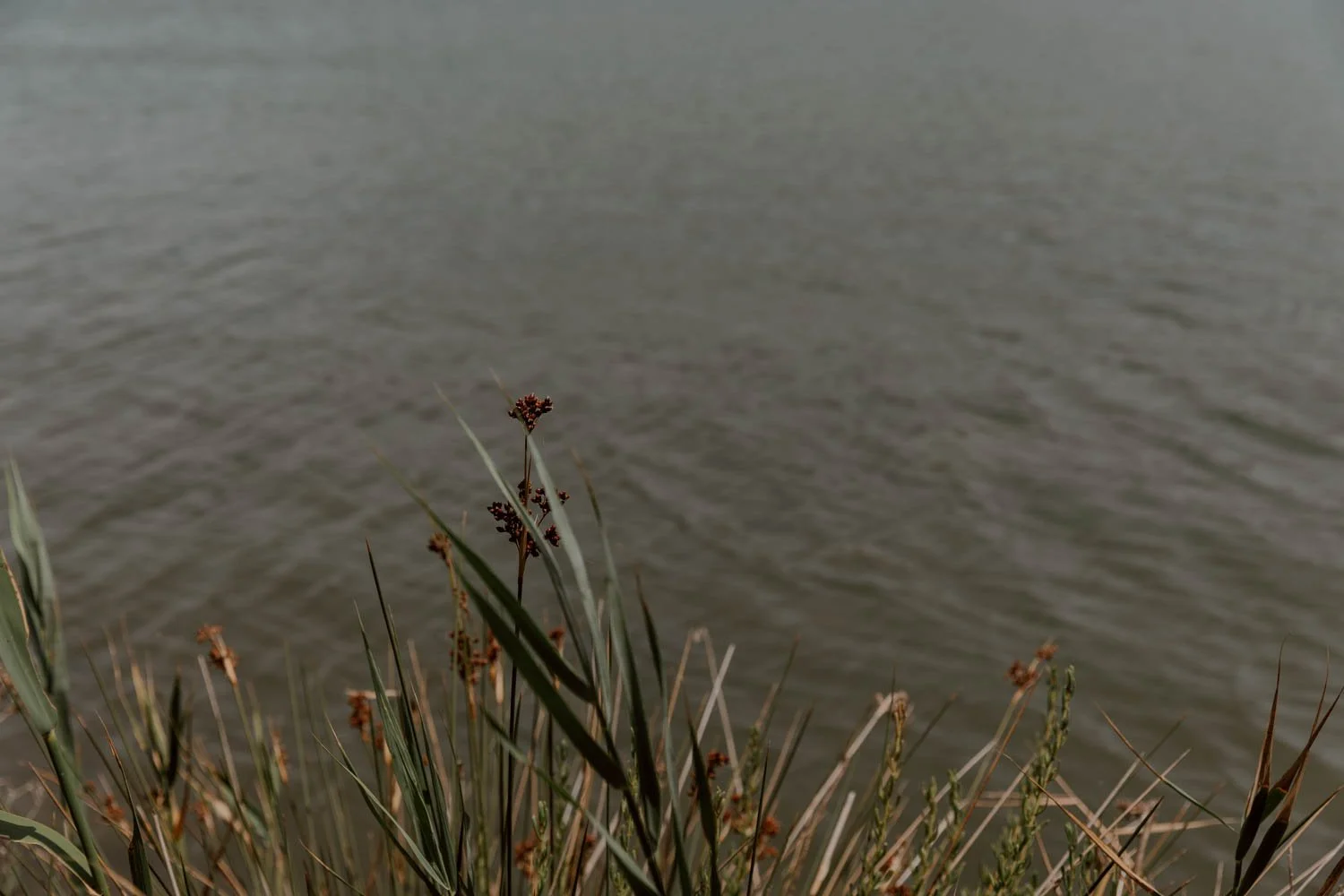
The ancient city of Butrint sits quietly at the edge of a lagoon, surrounded by reeds and shifting water, where birds skim low across the surface and trees grow through broken stone. These ruins that cross centuries are scattered rather than grand, softened by light, half-covered in vegetation, and often left just as they were found.
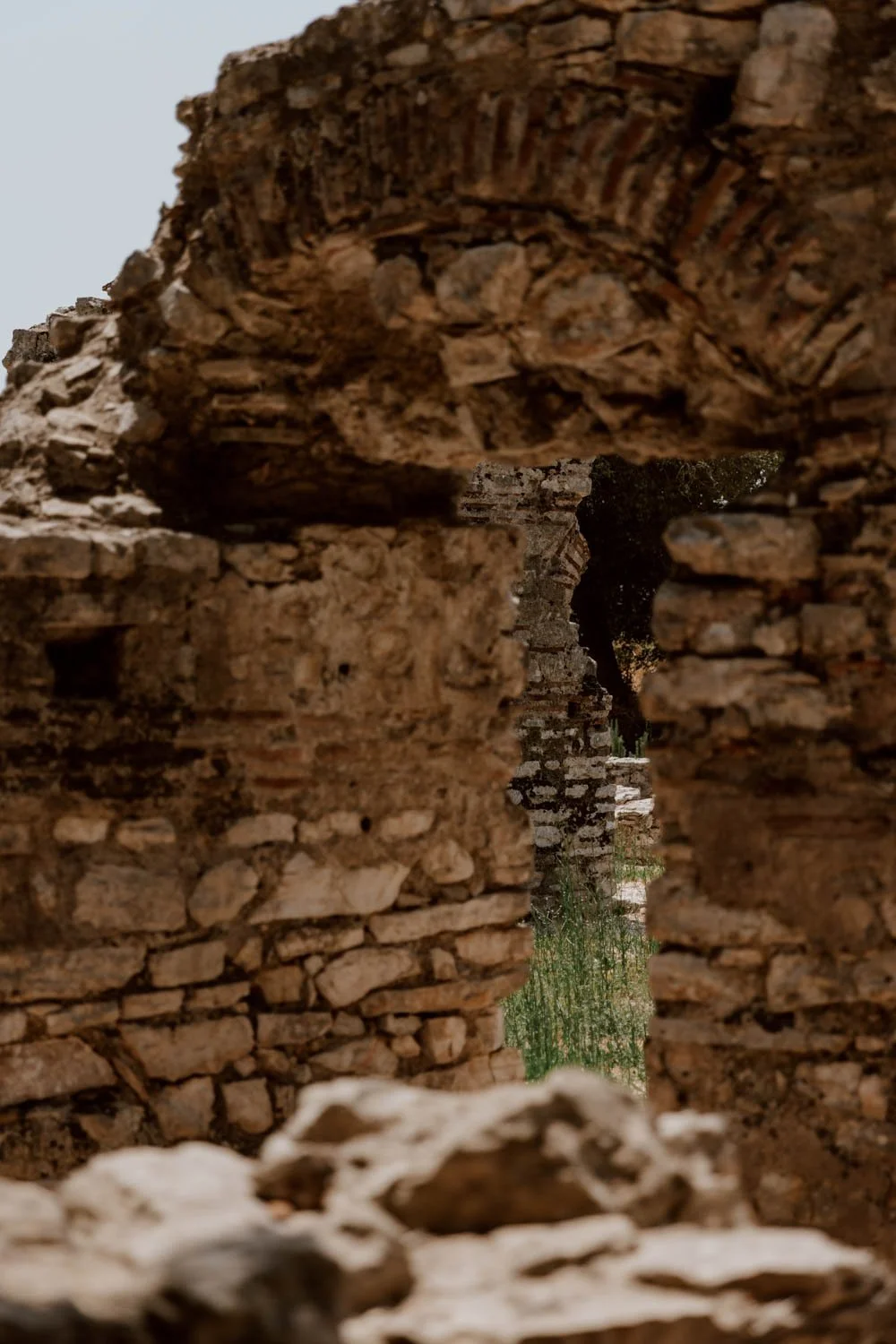
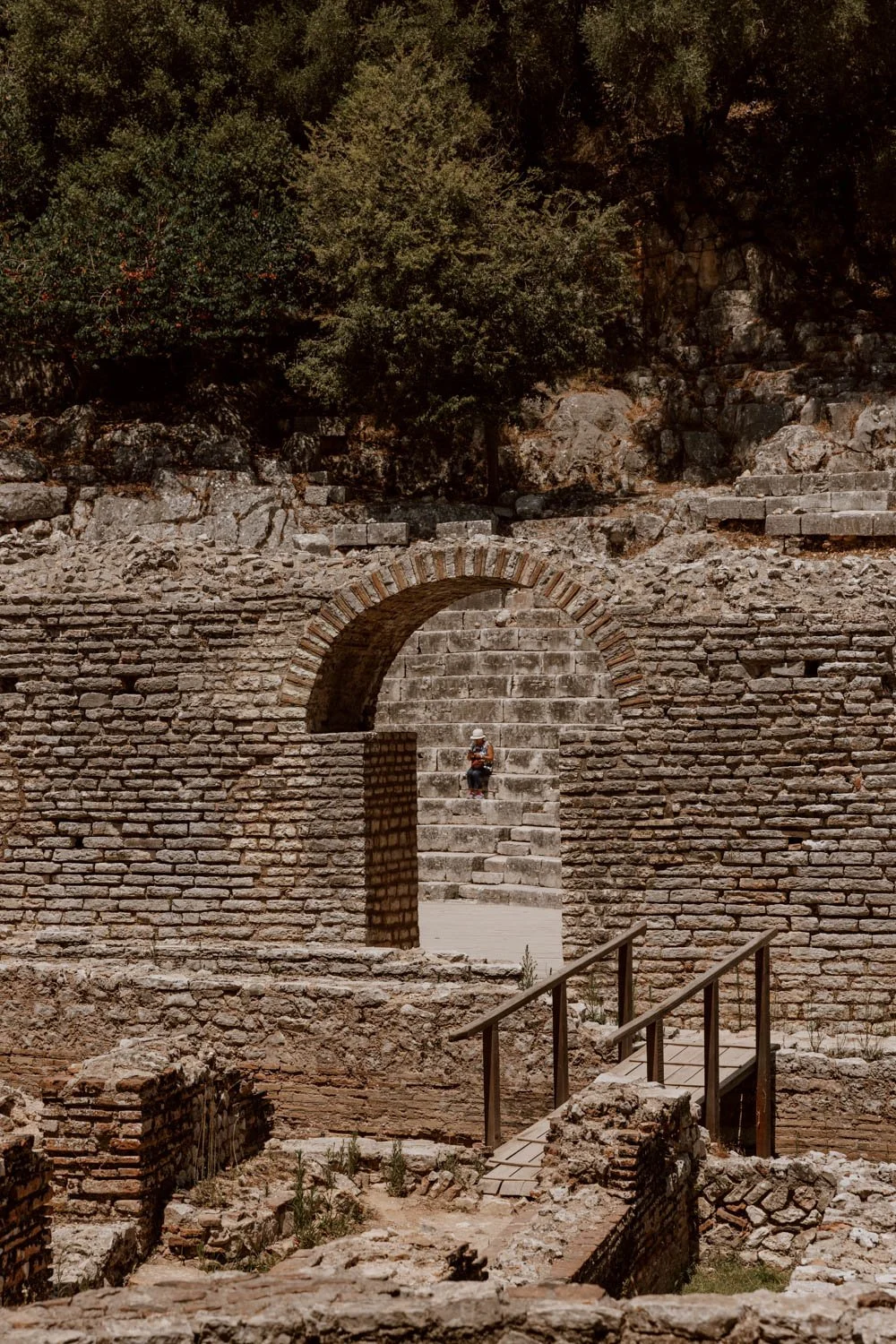
Thresholds still carpeted in moss, marble chipped and half-buried in the grass, footpaths winding through eucalyptus and fig. In some places, the forest has taken over; in others, the layout of the city is still easy to trace - gates, arches, the outline of a street.
For over two thousand years, people lived, built, and worshipped here.
First came the Illyrians, then the Greeks, who founded a small colony on the hillside in the 4th century BC. The Romans followed - as they usually did - expanding the settlement into a flourishing port, complete with bathhouses, a forum, and an amphitheatre that still holds water during the winter months. Later, Butrint became a centre of early Christian worship under the Byzantines. Even the Venetians left their mark, strengthening the fortifications and building the tower that now looks down across the Vivari Channel.
And then, silence.
The city was abandoned in the late Middle Ages, its decline blamed on a combination of earthquakes, shifting coastlines, disease, and neglect. Over time, fig trees wrapped themselves around the columns. Ivy crept over mosaic floors. The forest thickened, and Butrint slowly disappeared from view.
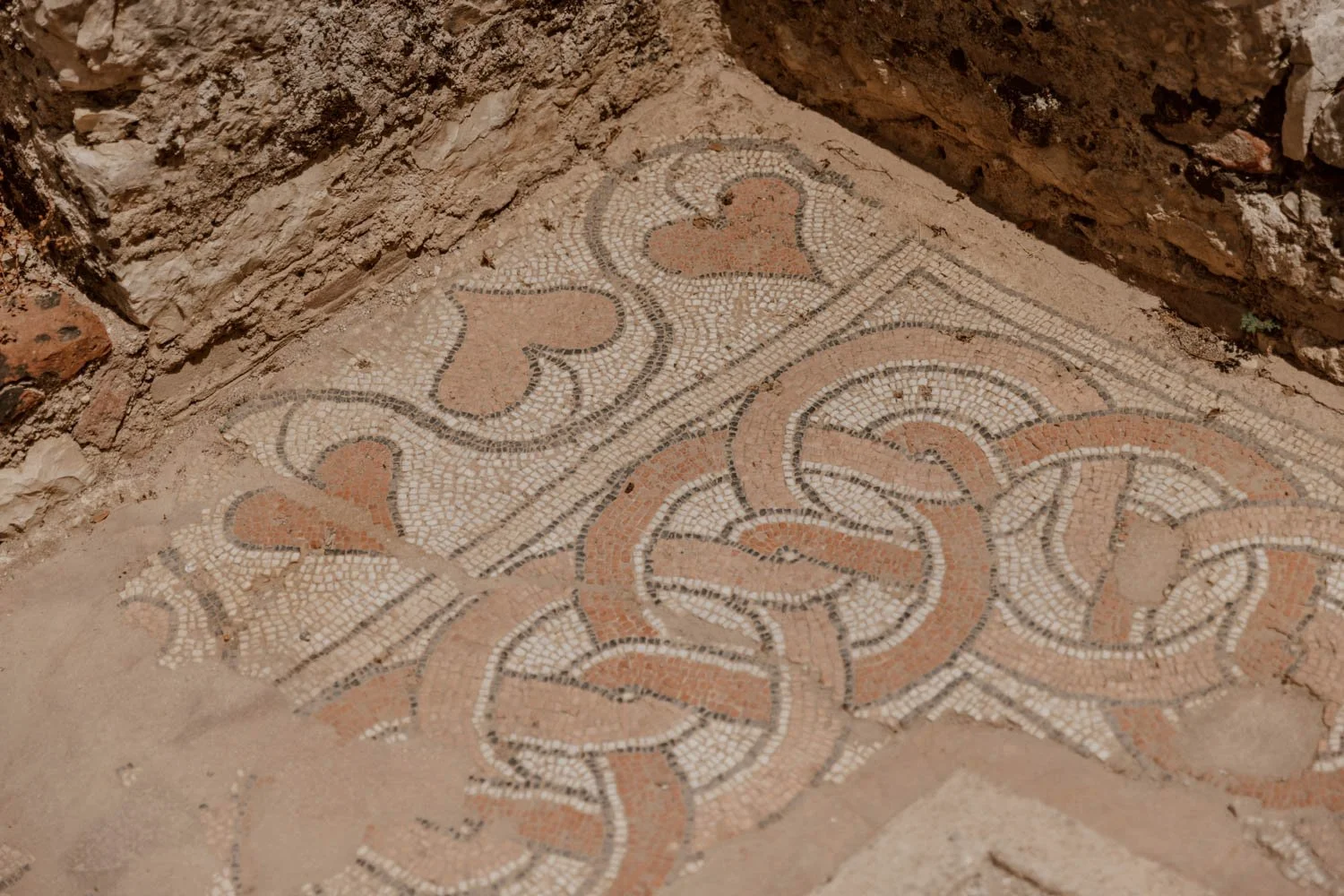
It wasn’t until the 20th century that archaeologists began peeling back the layers. The theatre was the first to emerge, carved into the slope, with rows of stone seats still encircling the stage. Nearby, the floor of the baptistery appeared beneath the soil - a surprisingly intact mosaic of terracotta and pale stone - and further along, the basilica began to take shape, its columns fallen but present. Gateways were cleared, cisterns emptied, domestic walls traced in chalky foundations.
Slowly, a city started to return to the surface.
Butrint National Archeological Park - the first UNESCO site in Albania - is easy to explore on foot, with a trail that loops through shaded paths and open clearings, past everything that still stands and plenty that only just remains. There’s no fixed order to follow. You might find yourself ducking through a gateway without knowing where it leads, pausing beside a wall where Roman brick meets Byzantine stone, or realising halfway round that you’ve covered centuries without really trying. It’s compact but spacious, and there’s enough room between things to let the place breathe.
For some travellers, it can offer a welcome change of pace and context from the southern beaches; others may need to be dragged there kicking and screaming.
If you're staying in nearby Ksamil or Sarandë, it’s easy to get here - a short, scenic drive or a bus ride that takes less than an hour. But what it offers is something harder to come by: a few hours of quiet, and just enough left behind to let you imagine the rest.
Indeed, whilst Ksamil didn't hit our expectations, Butrint actually surpassed them.
The Butrint Essentials
Where | 5 km from Ksamil, 18 km from Sarandë
Hours | Daily from 8am until sunset
Entry | 1,000 lek for adults / 500 lek for 12-18s, free for under 12s. Bring cash as card not always accepted
Transport | Regular minibuses from Sarandë and Ksamil (cash only, no fixed timetable)
Parking | Free lots available but can fill up quickly in summer; overflow parking across the Vivari Channel (700 lek car ferry)
Duration | 1.5 to 2 hours for the full circuit, more if you linger or visit Ali Pasha Castle
Best Time | Early morning or late afternoon for soft light, fewer people, and cooler temperatures
Bring | Water, hat, sunscreen, decent shoes - little shade and uneven paths
Tour | Several excellent tours exist, like this one from Sarandë and this one from Corfu
How to Get to Butrint
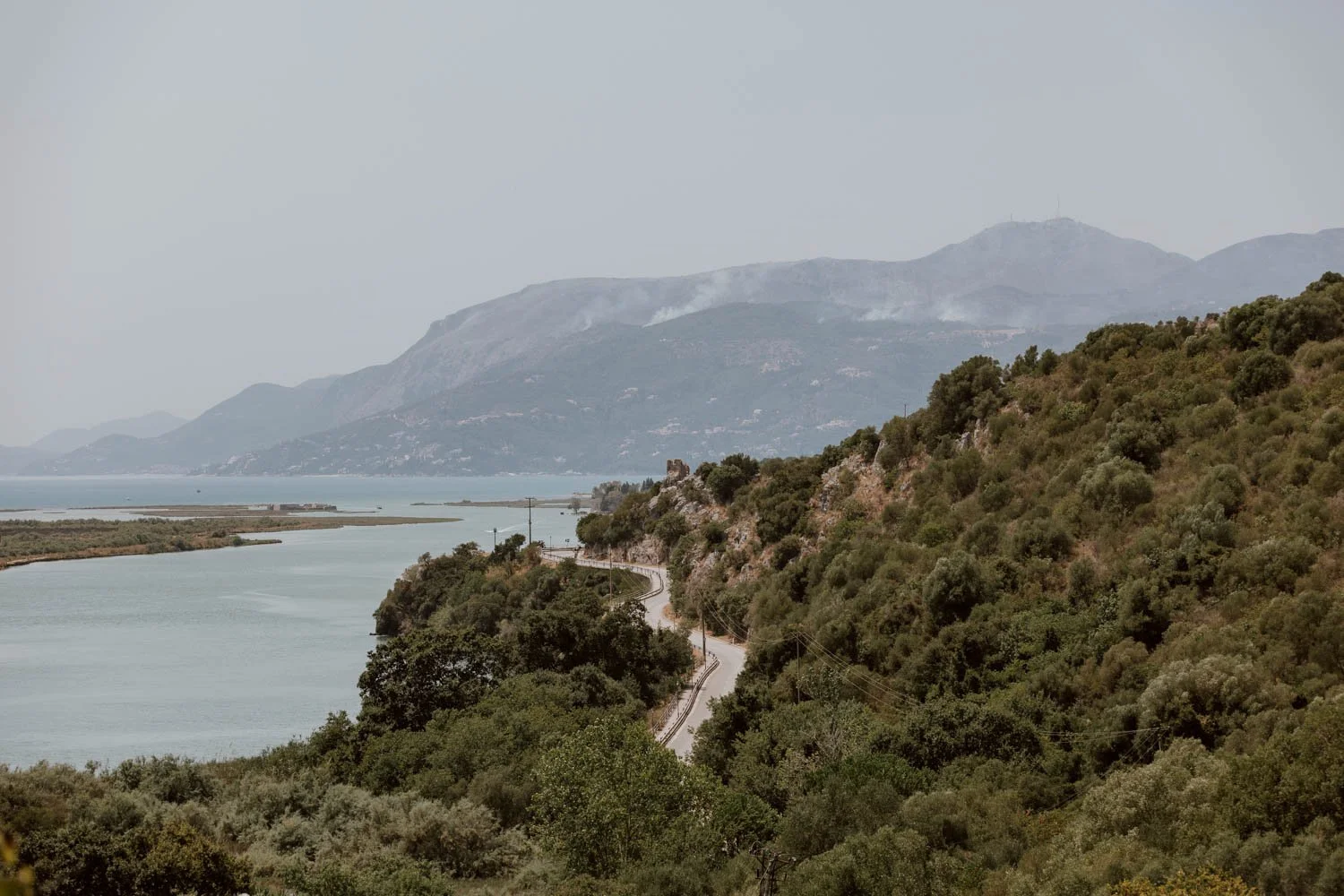
Butrint is located around 5km south of Ksamil and 18km from Sarandë, along the SH81 coastal road - find it here on Google Maps.
Whether you're arriving from the beach towns or further afield, getting there is relatively straightforward, though it does still require a little planning if you're relying on public transport.
From Ksamil
If you’re based in Ksamil, the journey couldn’t be easier. Local minibuses - known as furgons - run fairly regularly from the centre of town to Butrint, increasing during the summer months. They usually depart from the main road junction in the middle of the village, just by the small bus stop on the eastern side (maps). Tickets cost around 100 lek (cash only), and the journey takes about 15 minutes.
There's no timetable posted, but most minibuses run every 30 to 60 minutes from morning until early evening. If you're visiting in shoulder season, expect longer gaps between departures.
Taxis are also easy to arrange in Ksamil, with the short 10-minute drive typically costing between €6 and €8 one way. It’s a good option if you’re in a rush, or if you’d prefer not to wait around but make sure to confirm the price before setting off.
You can also walk or cycle the 4km along SH81 - the road is paved the entire way, but note that traffic picks up later in the day and there are several long sections with no pavement. In peak Albanian summer heat, this not a walk we’d recommend.
From Sarandë
From Sarandë, minibuses to Butrint run throughout the day, with more frequent departures in summer. Most leave from the roundabout near the port and Friendship Park (maps), though some also stop a few hundred metres further along at the roadside near SOS Bar (maps). Services begin from around 6.30am, with the last minibus typically departing around 6pm. Tickets cost about 200 lek and the journey takes 30 to 40 minutes depending on traffic. There's no central ticket booth, just pay the driver in cash when you board.
Taxis from Sarandë to Butrint are more expensive than from Ksamil, with fares ranging from €15 to €25 depending on the season, time of day, and how good you are at negotiating. It’s worth asking your accommodation to arrange one for you if you’re unsure.
If you’re driving, simply follow the SH81 south from either Sarandë or Ksamil. The road is sealed and in decent condition, though things can get congested closer to midday.
Top Tips // Buses only accept cash and can get really busy in peak hours (especially from Sarandë). Note also that the last minibus from Butrint typically departs around 5pm so if you’re using pubic transport, keep an eye on the clock.
Parking at Butrint National Park
We were doing a two-week Albanian road trip, so just drove from Ksamil.
There are a few different places to park at Butrint, but what’s available - or practical - will depend on when you arrive and how busy it is.
The first car park you’ll come to is on the right-hand side of the road as you approach the site (maps). It’s not technically the ‘official lot’, but it’s free and often has more space. It’s shared with tour buses, which can make it a little hectic at times, but when we visited it was easier than trying to get into the main car park.
Just don’t take a space reserved for buses!
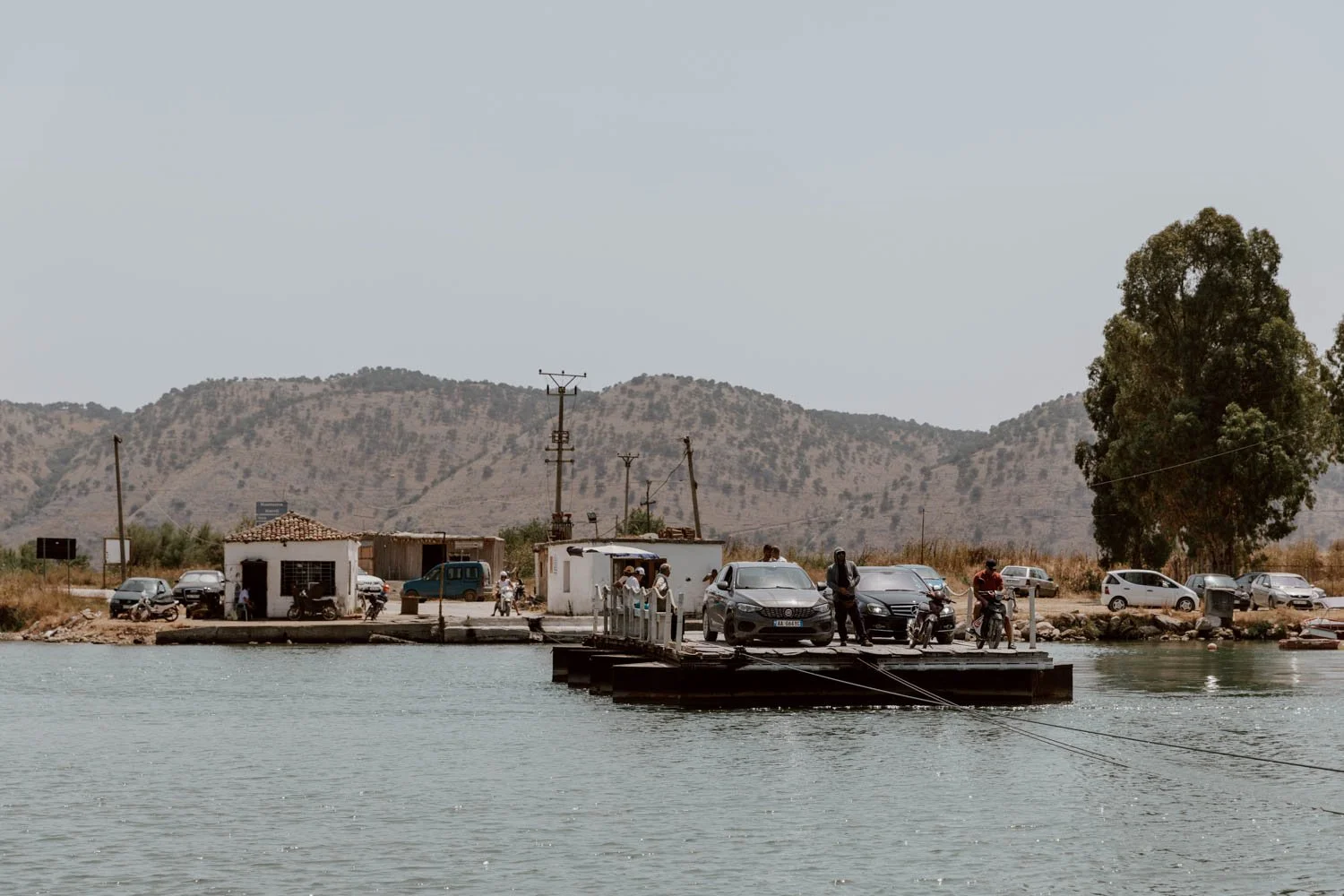
The official car park is directly opposite the entrance to the archaeological site (maps). It’s also free, but has space for just 20 to 25 well-parked cars and tends to fill up quickly. If it’s full, staff may direct you to cross the Vivari Channel using the nearby car ferry and park on the opposite bank.
The car ferry costs €7 / 700 LEK for a one-way crossing. Foot passengers are often allowed to then use the ferry back and forth to visit the site but we’ve read accounts of people being charged for this (which seems crazy given the price to transport your vehicle such a short distance across the water) - it seems to depend on who’s working. If you'd prefer not to pay to take your vehicle back across, you can drive the long way back around the lake to reach Ksamil or Sarandë.
Tours to Butrint
Testament to Butrint’s popularity, there are an abundance of tours available from nearby destinations like Sarandë, the capital Tirana and even as far away as Corfu (the Greek Island that’s a popular entry point for southern Albania).
Most tours cover several attractions in the area as part of a larger day trip, and the following have fantastic reviews:
From Sarandë | Visit the ancient city of Butrint, the Blue Eye Spring, the Ksamili Islands, and the Lekuresi Castle on this popular full-day tour (also available on Viator).
For something a little different, consider this experience from Sarandë which includes a guided visit of Butrint alongside a kayaking tour to Ali Pasha Castle.
From Ksamil | We thought that there would be lots of tours from Ksamil, but perhaps given the ease of reaching Butrint from here, most people just do it with public transport or car, like us.
From Tirana | This tour is on the expensive side, but if you’re based in Tirana with no vehicle, it allows you to visit not just Butrint but also the southern Albania Riviera and Gjirokaster.
From Corfu | If you want to maximise what you can see on your Greek holiday, consider this super-popular day trip over to Albania. It includes some time in Saranda for a wander and lunch before enjoying a guided tour of Butrint.
Entry Fees & Opening Hours
A standard adult ticket to Butrint costs 1,000 LEK (around €10). Children aged 12 to 18 pay half that, and under-12s can enter for free. Payments are taken at the small kiosk just inside the entrance, but it's worth noting that card payments aren’t always accepted, so be sure to bring enough local currency in cash to cover your visit.
The archaeological park is open daily from 8am until sunset, though exact closing times vary slightly depending on the time of year. The small museum, housed in the tower at the top of the hill, generally opens between 9am and 4pm, but may close earlier in the off-season or during public holidays.
If you’re visiting in early spring or late autumn, it's best to check locally to confirm the current hours, as these can shift depending on staffing and weather. Either way, aim to arrive early in the day - not only to beat the heat and the tour groups, but to give yourself time to linger without rushing the circuit.

What to See & Do in Butrint
The walking trail through Butrint follows a natural loop, taking you through shaded woodland, open clearings, and the overgrown remains of this once thriving ancient city. There’s no need for a guide or map - the site unfolds gradually, with simple signposts pointing towards each major point of interest and smaller paths inviting detours. Even without prior knowledge of its history, you get a strong sense of the layers of occupation here.
Roman Theatre | One of the first structures you’ll come across - and one of Butrint’s most recognisable and best-preserved - the theatre was originally built during the Hellenistic period and expanded under Roman rule. Its curved rows of seating remain remarkably intact, and whilst the area tends to flood in winter, in the dry season you can step down onto the former stage.
Baptistery | This late Roman baptistery, dating to the 5th or early 6th century, is particularly notable for its floor mosaic. The geometric and animal designs, arranged in a wide circular pattern, are often protected beneath fabric and sand, but if uncovered during your visit, they’re among the finest in Albania.
Great Basilica | Nearby, in a quieter clearing, the 6th-century basilica offers a glimpse of early Christian architecture on a much larger scale. The remains of columns and side aisles are still clearly visible, and while the upper structure is long gone, the proportions are easy to imagine. It's an atmospheric spot, especially early in the day.
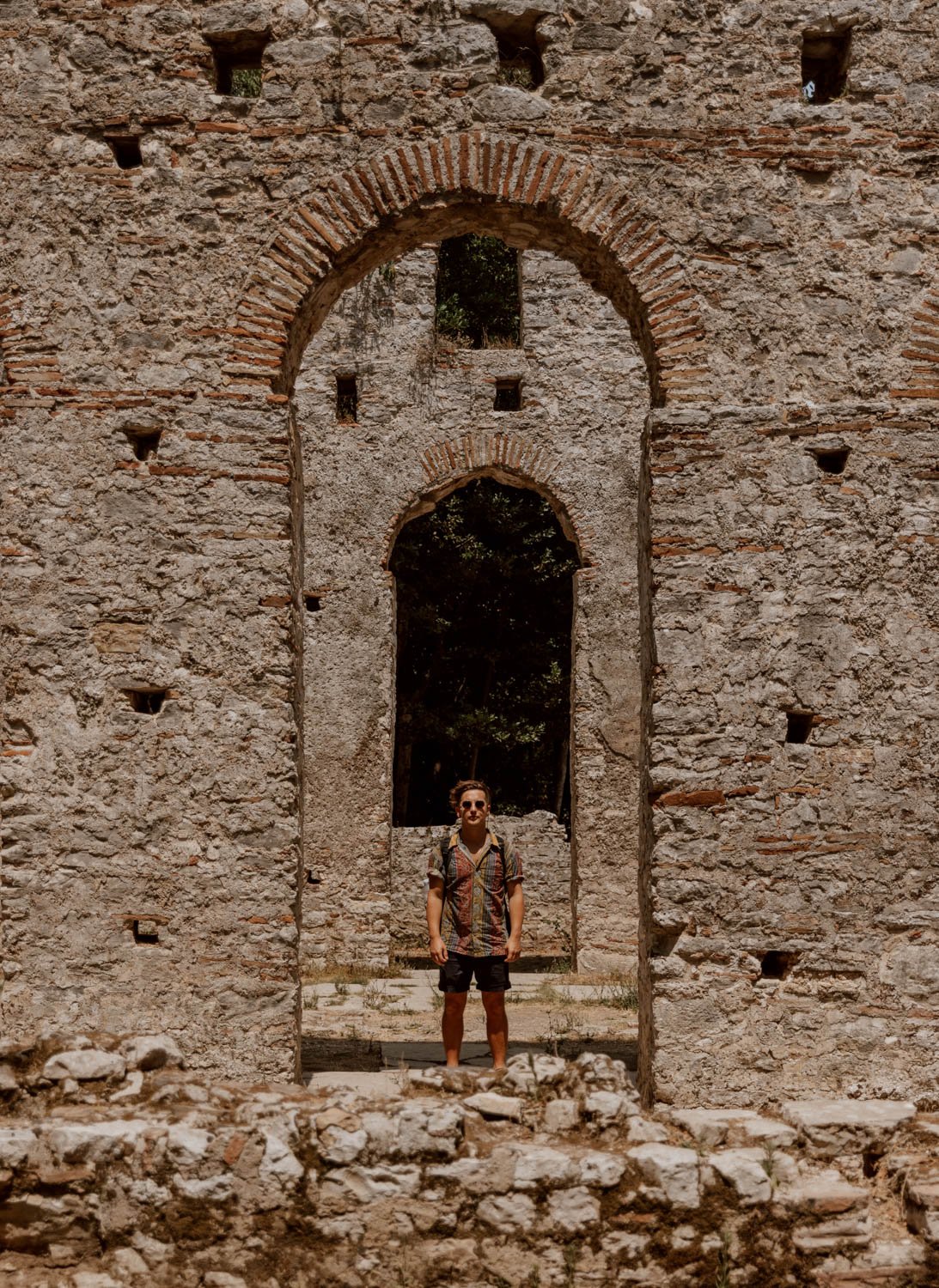
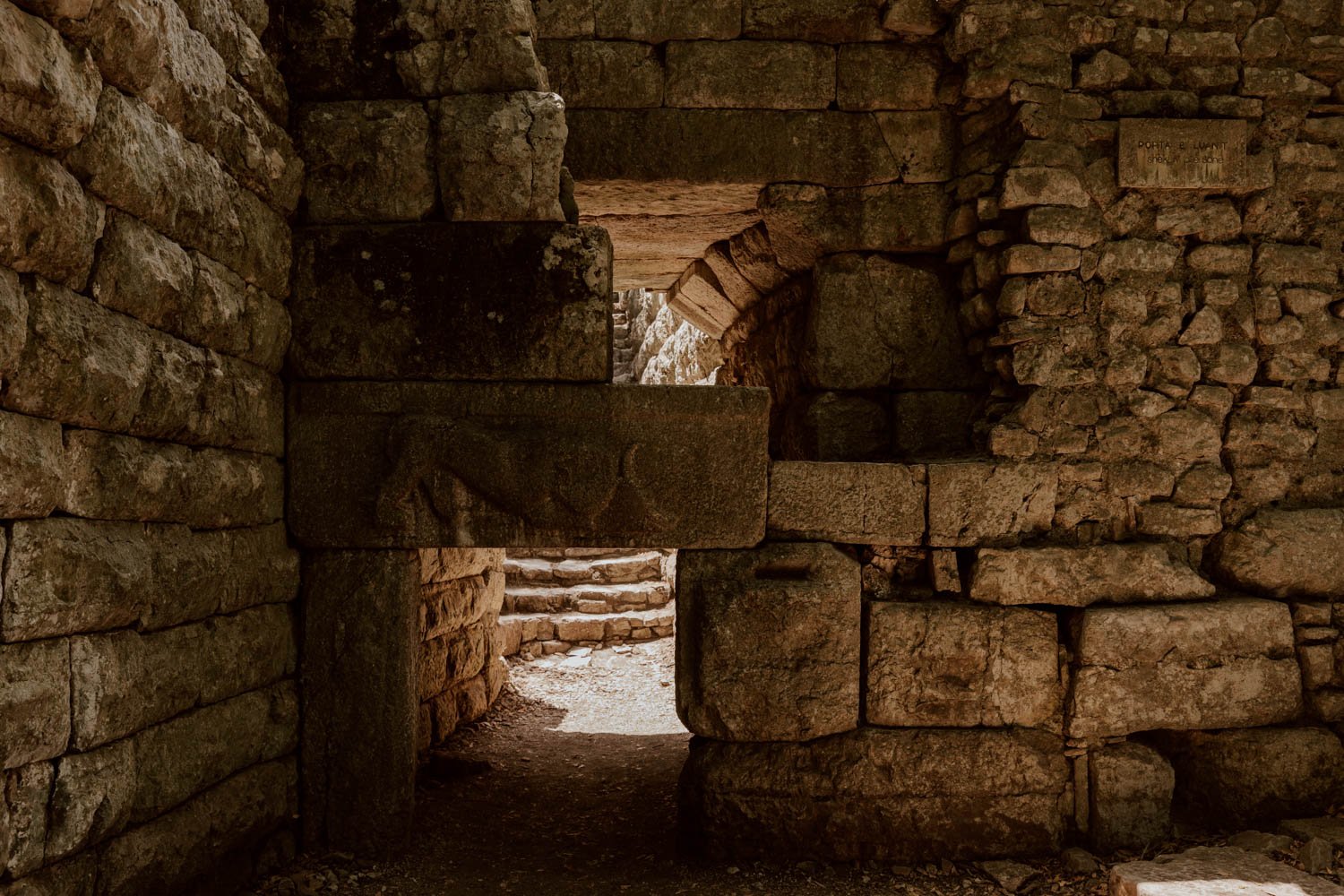
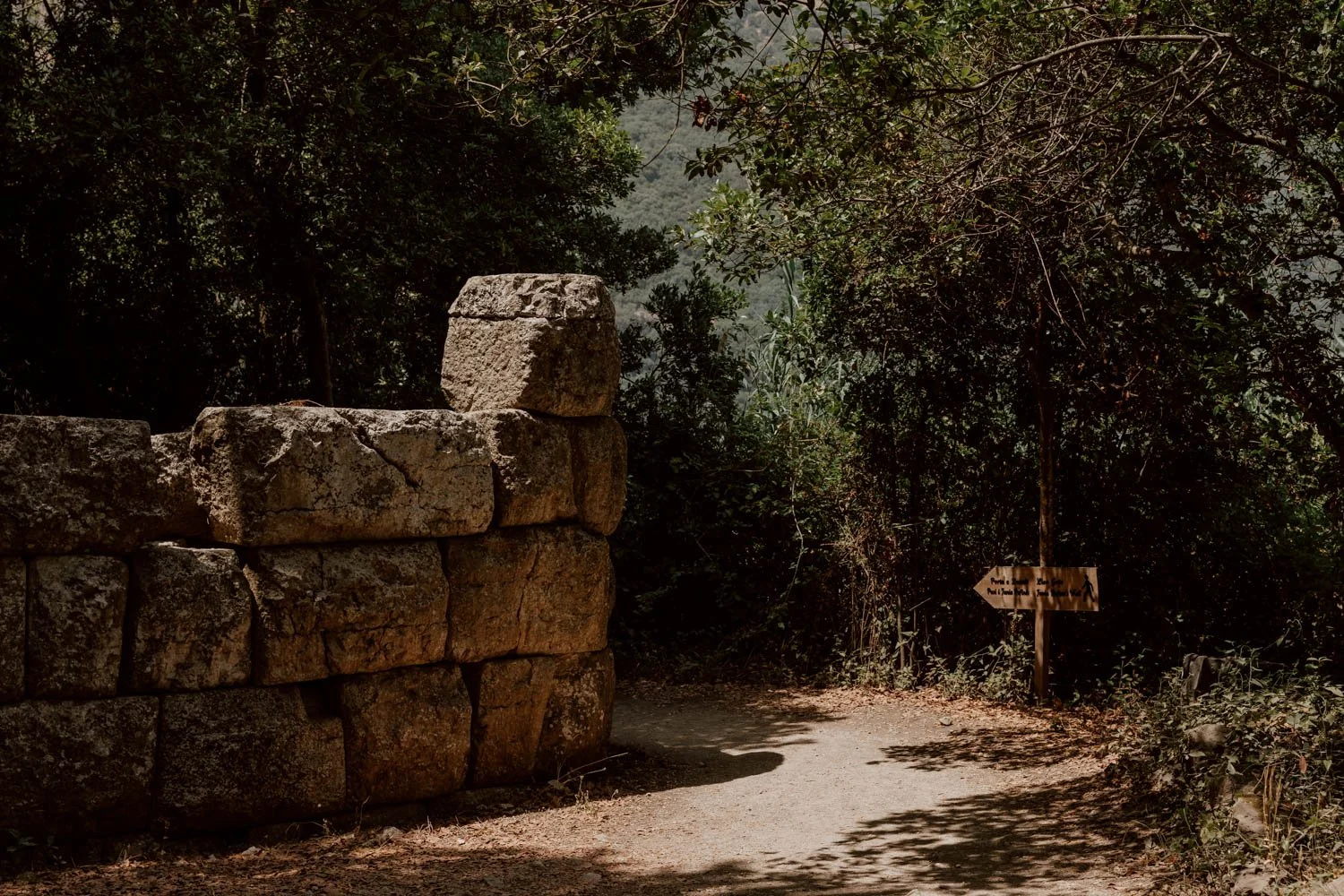
Lion Gate | This narrow stone entrance was once part of the city’s defensive walls and gets its name from the carved relief of a lion attacking a bull above the threshold. It’s one of the most photographed corners of Butrint and stands out for its unusual construction and placement, showing how the site evolved around its original Greek foundations, the wall adapted over time to support defence.
You’ll also pass sections of impressive Hellenistic-era walls - including a 4th century BC polygonal stretch - which still hold firm along the path from the ruins out towards the fishing lake and surrounding hills. They're a quiet highlight of the site, and easy to overlook if you're moving quickly (for anyone who’s been to Peru, they’re reminiscent of the celebrate Incan walls that came some 1,500 or so years later).
Forum & Baths | Further along the route, you’ll come across the forum - once Butrint’s civic centre - and the adjoining Roman baths. While only foundations remain, you can still make out the layout of the square and the underfloor heating system in the baths.
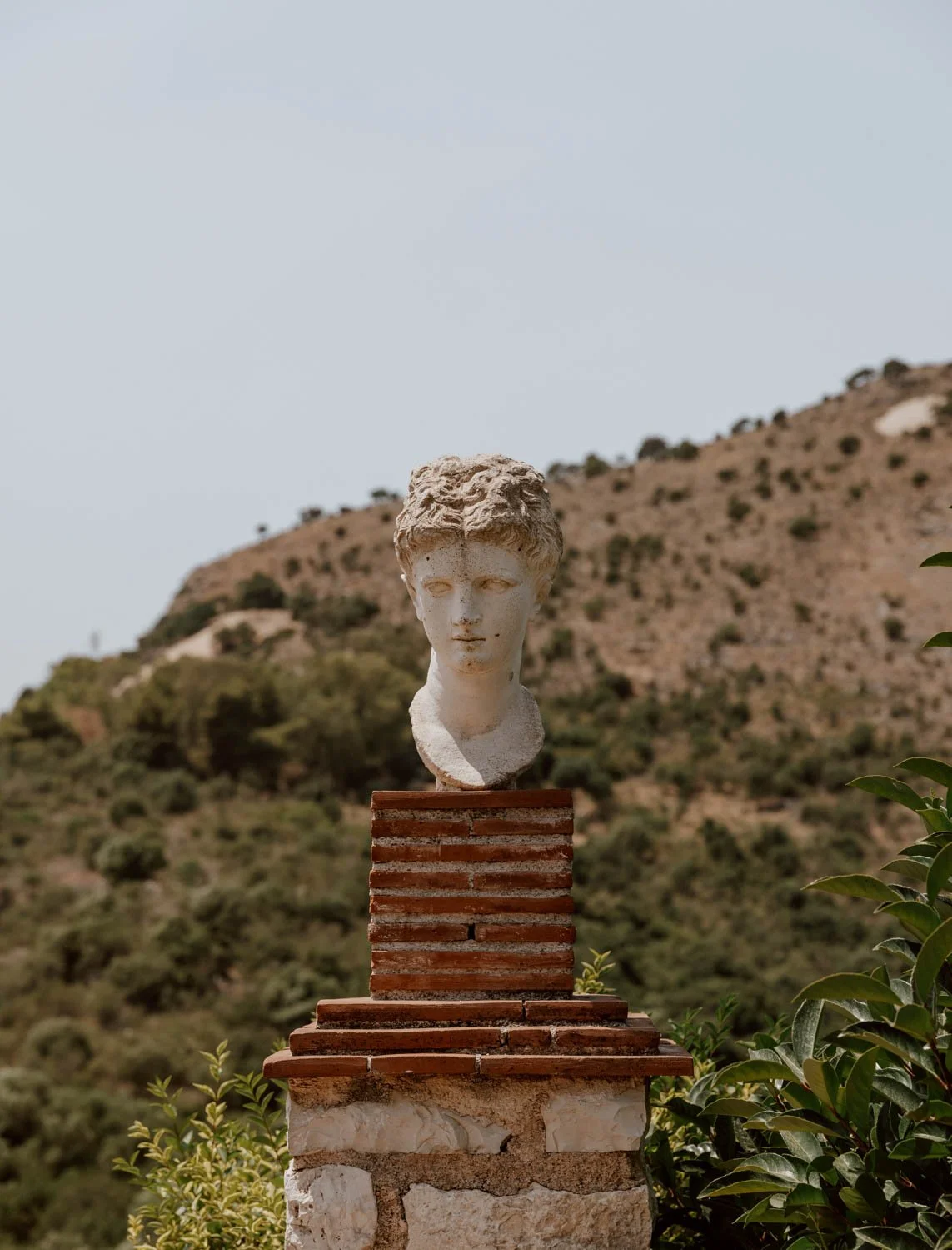
Acropolis and Museum | A short climb through the trees leads to the highest point of the site - the acropolis. This area was occupied continuously from antiquity through the medieval period, and today it’s home to a small museum inside the restored Venetian tower (yep, Venice’s maritime empire controlled parts of Albania’s coast from the 14th to 18th centuries).
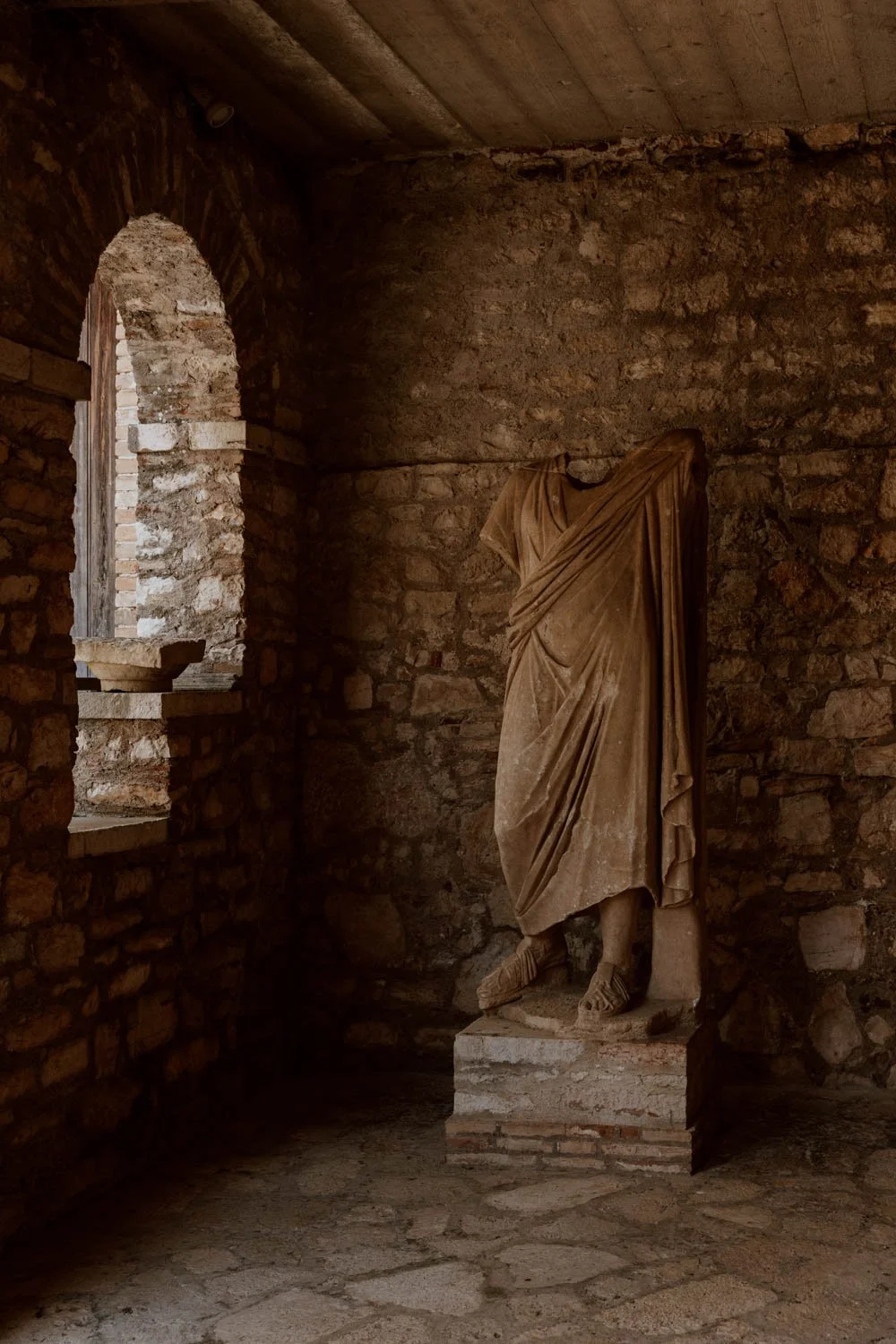
The collection isn’t large, but it includes pottery, tools, coins, and sculpture unearthed during excavations, offering useful context for the ruins below. We found the badly proportioned headless Roman statues to be the main highlight. No photos or videos permitted (we asked to take one though).
Even if the museum doesn’t excite you, it’s definitely worth heading up here for the incredible views out over the surrounding area.
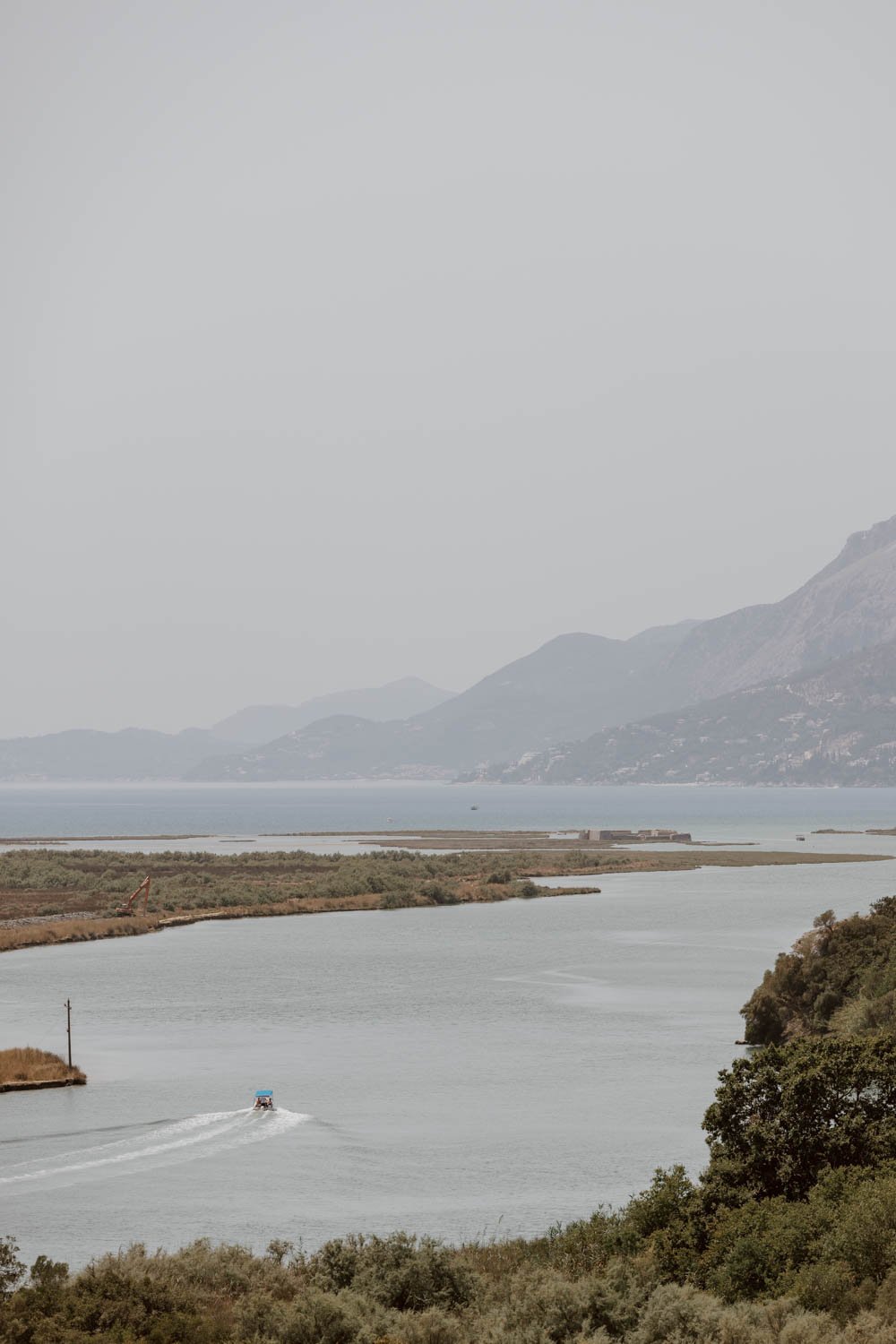
Vivari Channel | Separating Butrint from the Adriatic Sea, the Vivari Channel forms the natural southern boundary of the site. It played a key role in the city’s development, providing access between the inland lake and open sea. Even today, fishing boats still move up and down the water, and the channel helps explain Butrint’s long strategic importance - both as a trading post and a defensive stronghold.
Ali Pasha Castle | Ali Pasha’s Castle stands on a small islet at the mouth of the Vivari Channel, about 3km west of Butrint. Built in the early 19th century by Ali Pasha of Tepelenë - the powerful Ottoman ruler who controlled much of Albania, Epirus, and western Greece in the late 18th and early 19th centuries - it’s a quiet and atmospheric ruin surrounded by marshland, with lovely views across the channel and out to the Ionian Sea.
The only way to reach the castle is by boat. In summer, local fishermen offer informal rides from the Butrint side of the Vivari Channel - you’ll find them near the small car ferry, just by the main park entrance. There's no need to book ahead, but do fully agree on a price before departing. Most charge around €10 (1,000 lek) per person for a return trip, or €20–30 for a small private group. Boats typically wait while you explore and bring you back after around an hour.
Services run during daylight hours and mostly operate between June and September. Outside of summer, you may need to arrange a boat in advance via your accommodation or a local contact, as the area sees far fewer visitors and operators.
There’s no entry fee for the castle itself, just the cost of the boat.
Practical Tips for Visiting Butrint
Try to arrive close to opening time or later in the afternoon to avoid both the midday heat and the tour groups from Sarandë and Ksamil.
The walking route is largely flat but uneven in places - especially after rain - with some stairs to climb. We visited in Birkenstocks and found them completely adequate, but would recommend a shoe or sandal with a decent sole, rather than a flimsy pair of flip-flops.
Whilst large areas of the site are shaded by trees, there are sections exposed to the sun - and if you’re visiting in summer, that sun can be bloody hot! Don’t forget your sunscreen, a hat and be sure to carry plenty water with you. There are a few water refill points dotted about.
The small museum at the top of the hill is usually open from 9am to 4pm, and is included in your ticket.
Basic toilet facilities are located near the entrance. There’s also the Livia Café and kiosk just outside the gate if you want a cold drink or snack before or after your visit; their iced coffee was pretty good, there was plenty shade, and there’s toilets for customers.
Most people will spend 90 minutes to two hours walking the circuit.
Information explainer signs are actually quite good, but be sure to grab a map from the ticket desk to help follow the route. There’s a lot of history to cover though and, as ever with historical ruins like this, if you're keen to better comprehend what you’re looking at, it’s worth reading up a little in advance or joining a guided tour.
Butrint sits within a protected wetland area, so you may spot herons, egrets, or even flamingos, depending on the season. Binoculars aren’t essential but can be rewarding - and the views out on the water and surrounds are a low-key highlight of visits.