Travelling On A Budget In Latin America | 12 Essential Tips
If you're looking for a more affordable place to go backpacking, Latin America will undoubtedly be in the running.
When we chose it for our two-year adventure before the creation of Along Dusty Roads, we did so for a variety of reasons - but one of the biggest ticks in the pro column was that we knew it was somewhere that our pot of savings would stretch the furthest.
What we didn't fully realise before setting out, though, was that whilst travelling in Latin America is cheaper than, say, Europe or Australia, sticking to our budget still required some thought about how and where to spend our money - especially in the more expensive countries like Costa Rica, Chile, Argentina, Uruguay and Brazil.
It also meant we couldn’t do everything we’d initially planned.
And so, after two years travelling the region on a budget of around £15/$25 a day each - with about another year spent there across various separate trips since - you could say that we’re the closest thing to experts you’ll find. Now, we want to help you make your own dream a reality.
These are our top tips for travelling Latin America on a budget.
How to Travel on a Budget in Latin America
· Learn Spanish
· Research your transport options
· Cook for yourself
· Eat at local comedors
· Pick your hostel carefully
· DIY your tours
· Plan for public holidays
· When & when not to haggle
· Head off the beaten track
· Manage your money
· Set a realistic, slower itinerary
· Don’t be scared of change & serendipity
Learn Spanish
Right, first things first.
We can say with absolute certainty that if you don't learn any Spanish before you go to Latin America, or make no effort to pick any up whilst you're there, your trip is going to cost you an awful lot more.
You will be forced to stay in more expensive hostels, have little choice but to depend on tourist shuttles or fly, eat out more often in gringo-centric restaurants, find yourself on several overpriced tours, and will almost certainly get ripped off a few times.
One of the joys of travel in Latin America is that a single language runs through the whole region (bar a few exceptions), and learning even a basic level of Spanish will go a long long way. You can negotiate, you’ll be able to order from a menu that has more than pictures, find the correct chicken bus and know the real price, and even sweet talk the hostel manager into giving you a long-stay discount.
And, importantly, you'll have countless meaningful interactions and conversations with locals wherever you go.
And the more you speak, the faster you'll improve. Travel should be about education as well as experiences - and how wonderful would it be to return home having mastered a second language?
So, whether you’re going backpacking in Central America or criss-crossing South, the sooner you start learning, the better it will be for your experience and your budget.
Resources / There’s a plethora of free and paid-for resources out there, but our hot take is that Duolingo really ain’t all that for those who are serious about learning (though its podcast series is fantastic once you’re past beginner level).
We arrived in Mexico with hardly any Spanish, but studied independently and then did a language school in Guatemala. The best resource was undoubtedly the Michel Thomas Method, which is entirely audio - no reading, no writing, no textbooks - and it completely rewires how you learn a language. If your British school experience left you thinking you’re ‘just not good at languages,’ this will absolutely change your mind.
We asked them for a discount, and you can get 30% off any course using code MTMADR on the official website.
CoffeBreakSpanish is also good. Otherwise, spend some time on YouTube to find a free teacher/course that suits your learning style.
Make sure you also check out our articles on how we learnt Spanish in Latin America (full of amazing free resources - and a bit of Enrique Iglesias, because, well, who doesn't love a bit of Enrique?!) and how to pick a language school.


Research Your Transport Options
We did some rough sums a few months ago and came to the shocking realisation that in that two years, we spent about a month sitting on bus seats. Could we have travelled a little quicker? Hell yeah! Would it have cost the same? Absolutely not.
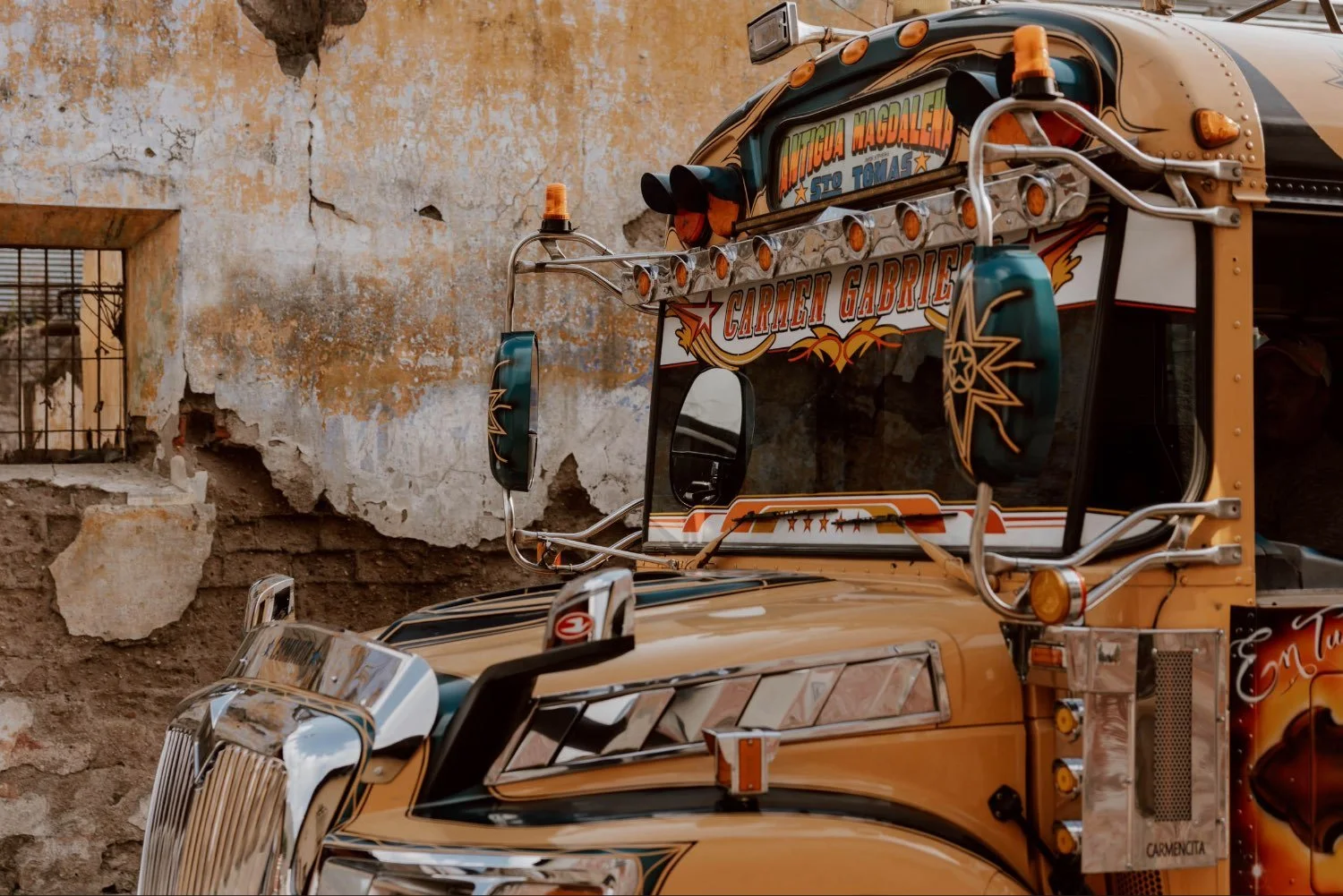
We always chose long-distance buses over planes (one journey in Peru was 25 hours!), chicken buses over tourist shuttles, walked alongside train tracks to Machu Picchu, and even spent two days on a cargo ship to save a few bob.
It was basically Race Across the World before Race Across the World was a thing.
And you know what? We wouldn't have changed it for the world. Sure, there were some slightly unpleasant moments, a lot of being squished onto buses that by anybody's definition were full about 50 passengers ago and some instances where the only thing you could do was cling to the seat in front and pray that you'd make the next corner. But, by travelling the way some locals travel, we got a glimpse into their lives - and many interactions that not only improved our Spanish but enriched our experience of their country.
In fact, those are some of the experiences that have stuck with us the longest.
So, how do you go about finding the most economical option? A lot of research - the information is almost always out there if you can be bothered to look for it. Use blogs (we've usually got info in all our guides), ask at your hostel, ask at the local bus station, ask other travellers and use your guidebook - as they say, where there's a will, there's a way!
In larger countries like Brazil and Argentina, however, we did end up taking a few flights because they were cheaper or about the same price as a bus, and saved us from spending days travelling. The size of those countries (and Chile) should NOT be underestimated when making your plans.
On more recent trips to Guatemala, Nicaragua, Costa Rica, Panama, Colombia, Ecuador and Peru, it’s been striking how few travellers we’ve encountered on public transport. This is partly due to the increased presence and coverage of tourist shuttles, and partly due to a new generation’s safety concerns. Whilst there is absolutely a time and a place for these shuttles if you need to get from A to B quickly or in the most convenient way possible, you shouldn’t exclusively depend on them.
You will only meet other travellers and have a certain sort of experience, whilst your budget will get depleted very quickly in comparison.
Ride-hailing apps didn’t exist on that first two-year trip, but are a lot more common all across Latin America. Again, we’ve made use of them a lot more in cities due to the added convenience and security they offer over regularly taxis, but they can overly insulate one from the realities of travel as well as eat into your funds. Our advice? Use them when you need them - especially if safety or security is the concern - but don’t assume they’re always the better option over public transport or walking.
Cook For Yourself
Experiencing local cuisine is hugely important to us, and we'd never dream of visiting a country without trying almost everything we could get our hands on (and we suspect most of you are probably the same).
If you're only in the country for a short time, this may mean eating most of your meals out, but for those that decide to travel a little longer, as delicious as those meals might be, you’ll need to make some compromises.
The good news? Latin America ain’t Asia when it comes street food, and things can get a little repetitive palate-wise.
The bad news? Latin America ain’t Asia when it comes to cheap street food, and eating out isn’t the default ‘it’s cheaper than cooking ourselves’ experience you can find in Thailand or Vietnam.
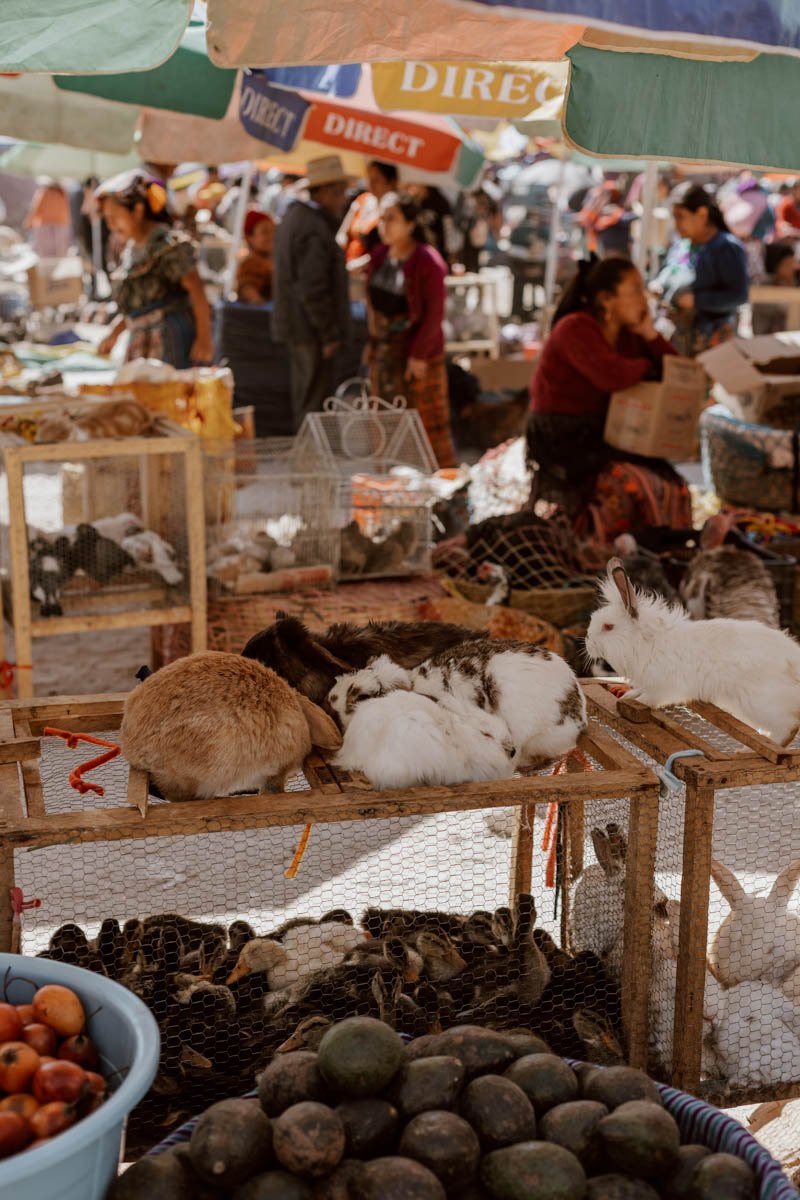
A great money saving tip in Latin America is therefore to try and cook in your hostel a few times a week. The markets here are amazing, and the fresh fruit and vegetables second to none! Avocados the size of your head, fresh mangoes, huge bunches of herbs and freshly caught seafood. All can be found across vast swathes of Central and South America. Cooking also gives you a fantastic opportunity to practise your Spanish, hone your bartering skills (those women drive a hard bargain and can spot a gringo from a mile away!), and eat a little healthier.
After all, there's only so much deep fried cornmeal you can (or should) eat!
The bonus is that hostel kitchens are a much bigger thing for travellers in Latin America than Asia, and many longer backpackers depend on them. They’re often a great social hub, especially for solo travellers - but be prepared for the occasional dickhead who steals your stuff from the fridge.
If in doubt, instant noodles and pasta are ubiquitous, but do try and add a few nutritious, easy-to-make dishes with local ingredients to your repertoire. Consider doing a cooking class in one place, and then making some of those recipes as your travel.
A mistake to avoid? Relying on too many home comforts and imported products from the fancier supermarkets will have deleterious effect on your budget.
Worried you won't have all the ingredients? Check out our secret to hostel cooking, and worry no more.




Eat At Local Comedors
And, when you are eating out, there are three golden rules to follow if you want to make your money go further:
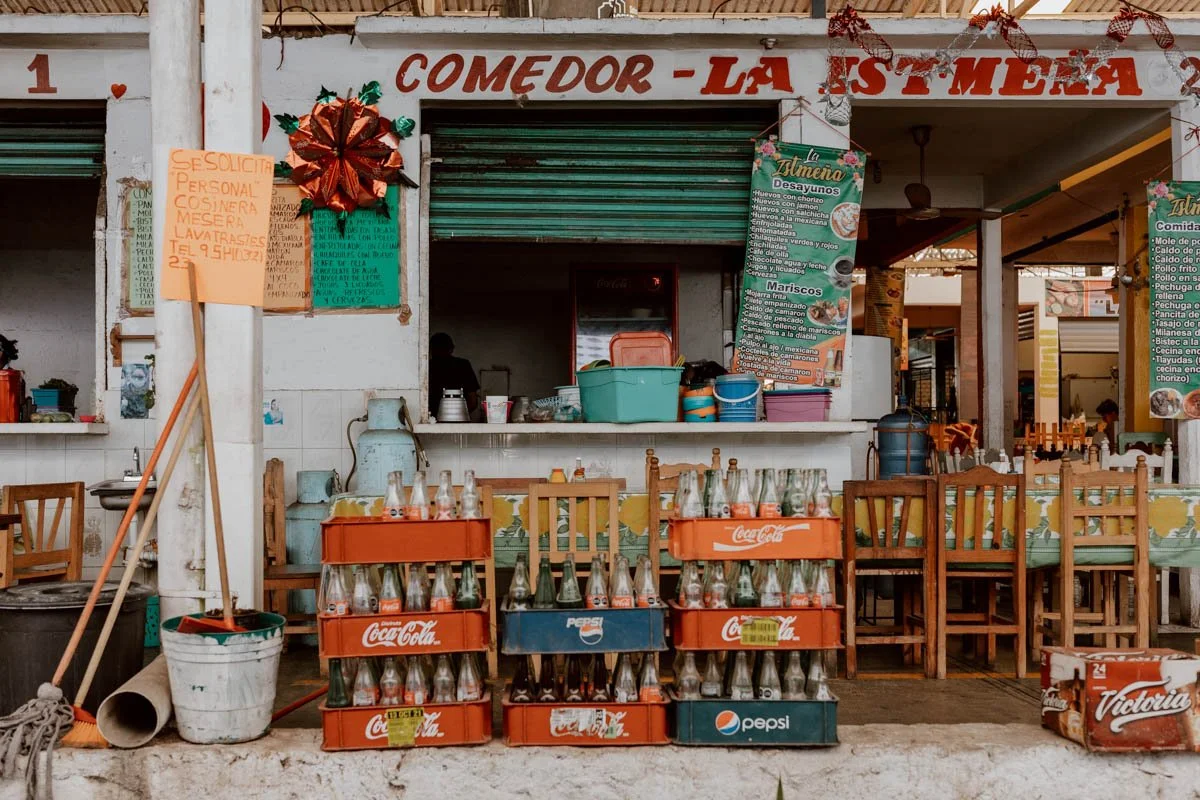
It took us a little while to realise the existence of the 'almuerzo' and the ‘menu del dia’. This set lunch, including a drink, soup and main meal can be found at pretty much every local’s restaurant, and is by far the cheapest way to eat out, with some excellent deals costing us as little as a dollar!
Eating at tourist-focussed places will always cost you more, and only patronising the cool places where they do flat whites, smoothies bowls, and all your favourites from home will wipe out your budget.
Sure, there are times when they are absolutely f*cking necessary as a treat or a change of scene - and we are as guilty on shorter trips of going to them too often - but travellers who only frequent these spots are missing out.
Seek out the specialist veggie restaurants. Surprisingly, there are quite a number dotted all over Latin America - usually in tourist-centric locations or large towns and cities - and almost without exception they were excellent, affordable, varied, and a fantastic way to get a vegetable or two into your diet.
Pick Your Hostel Carefully
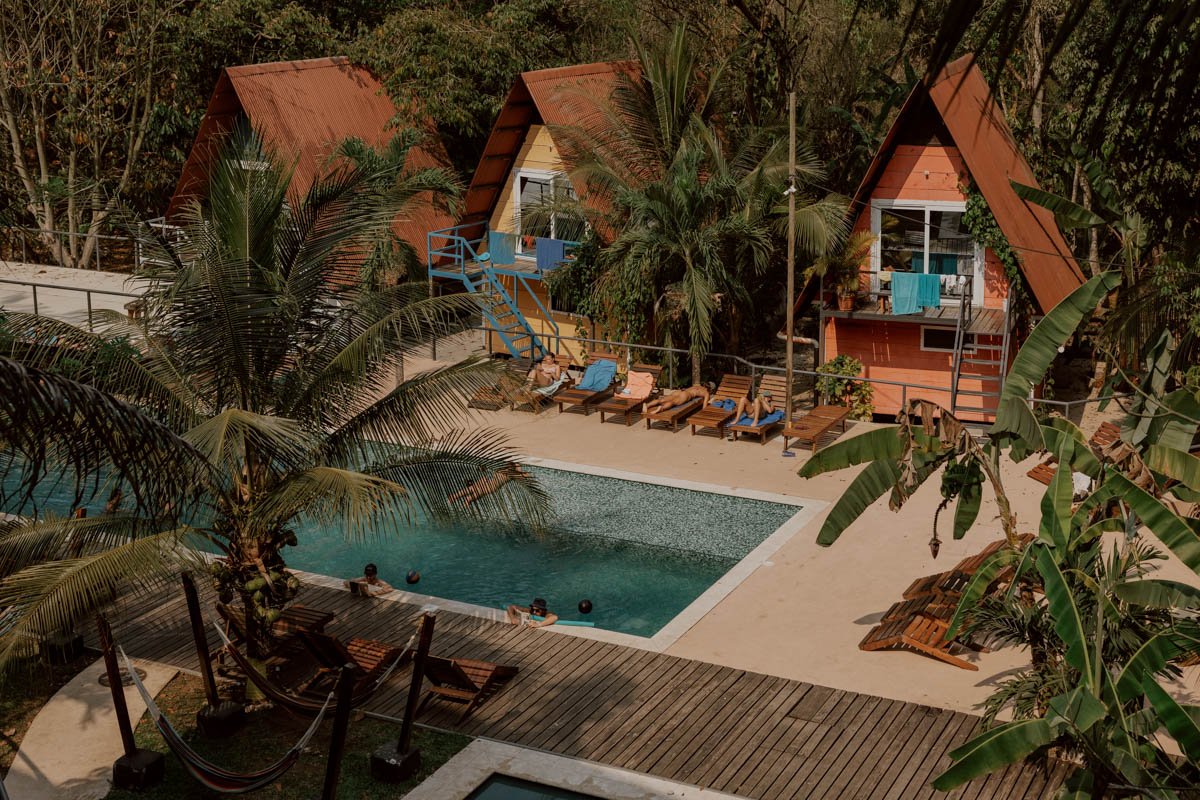
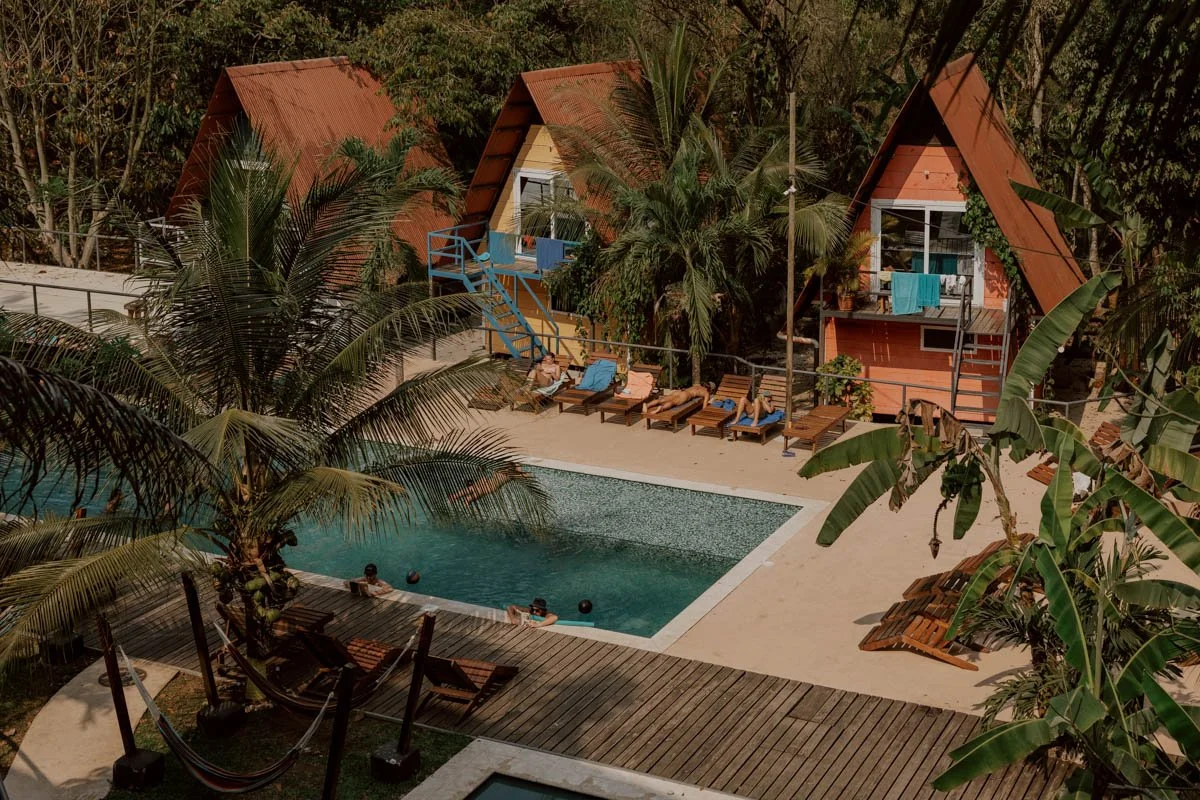
From Mexico down to Argentina, there's not many places that backpackers don't venture. And because of this, hostels popping up everywhere. In the bigger cities or popular spots, you can even find hostels that rival a number of hotels in terms of quality.
Bars, tour operators, super fancy dorms, swimming pools and commissioned art work - the facilities are endless.
Unfortunately, however, these add-ons come at a cost, and as we discovered, that cost is not always worth it when there's a hostel around the corner that’s clean, secure, locally run and owned - and half the price.
Naturally, we sometimes opted for these 'flashpacker' hostels. Often it was when we were missing conversations in English, wanted to party, needed reliable wi-fi, or if we just wanted the easy option.
Sometimes they were are big overpriced letdown (mostly the Selina franchise, but they’ve shut down now).
The rest of the time however, we searched long and hard for the best deal. Many times this would mean dragging our big packs around in the sweltering heat or at high altitude, fresh off a 12 hour night bus to what felt like every hostel in town looking for the perfect balance of value for money, good wifi, security and the occasionally elusive kitchen with more than a single fork and a battered frying pan. In some countries, like most of Chile, we had no option but to opt for dorms.
Honestly, this approach saved us a fortune. We don't recommend always doing it - in some cities it just wont be a smart idea or worth the effort - and booking in advance is sometimes necessary if it's a popular hostel, busy tourist destination, you’re after a private room (which have become increasingly limited in the fancier hostels over the last few years) or you've visiting during peak season.
When you're ready, click over to our beginner's guide to finding the best hostel.
Travel Tip // Beyond some big-ticket experiences, accommodation is going to be your biggest outlay. Dorms are always cheaper, and unfortunately private doubles for couples at hostels have rocketed in price over the last few years. If you really want to make your money stretch as far as possible, look into volunteering at hostels, Couchsurfing and WWOOFING.


DIY Some Tours
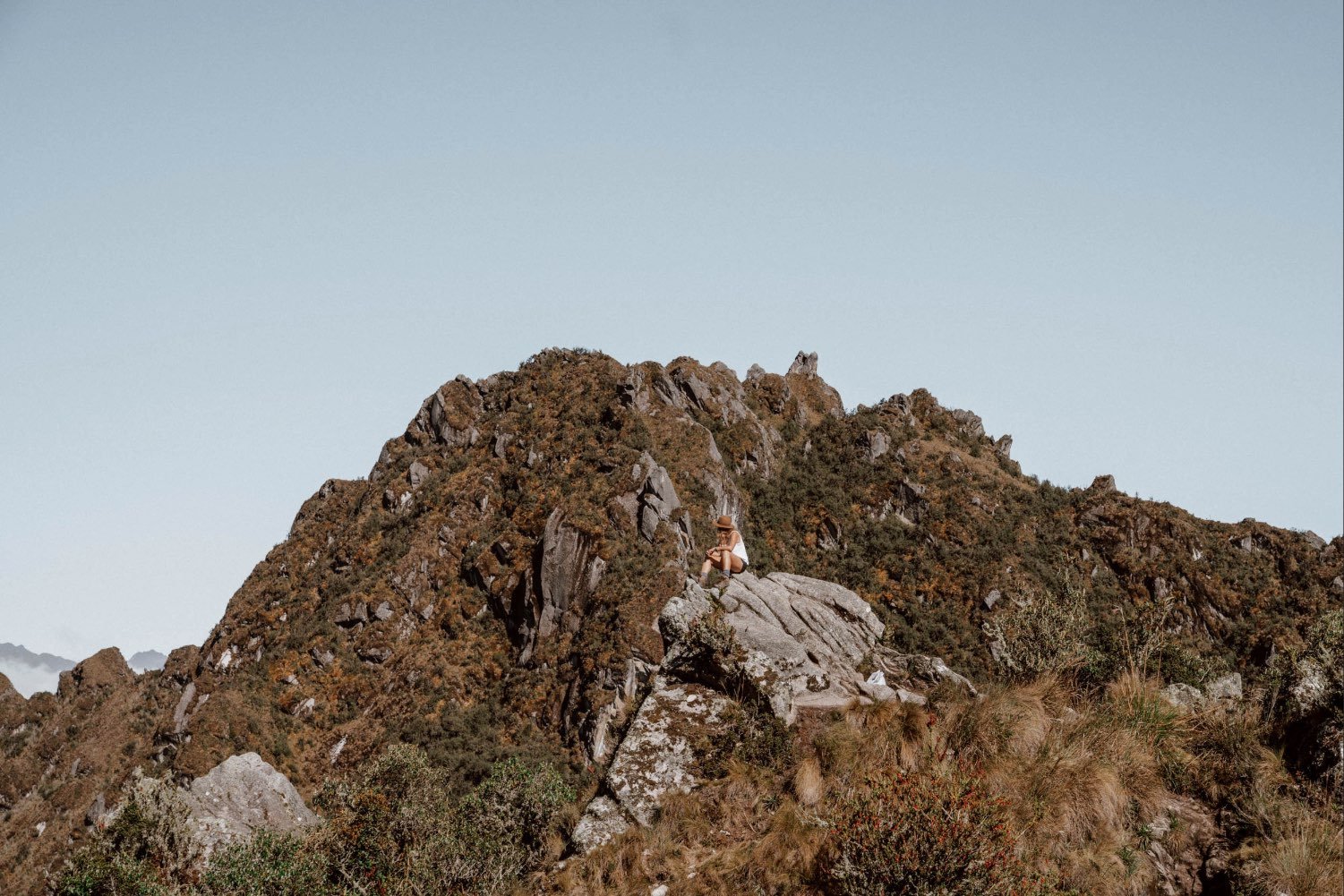
Now, before you get all freaked out about the prospect of summiting some ridiculously high peak all by yourself or having to break into Iguazu Falls, know that we accepted long before we set off on that first trip that some places and activities simply have to be guided and supervised.
We didn’t want to become one of those viral Daily Mail articles about some idiot backpackers that got lost in the Andes and wound up surviving on their own wee.
That's why, on the two-year trip, we took tours to camp overnight on a volcano in Guatemala, spot condors in Bolivia, coffee-tasting in Colombia, and experiencing the unbelievable Slat Flats.
But, overall, we did most of activities independently - and this remains a core part of our travel style.
Contrary to what a lot of companies (and bloggers) will tell you, not everything needs to be done as part of a tour - and if you ask enough people, there's often a way to do things on your own and for less.
In fact, we usually loved not having to always be part of a big group, being able to escape to the mountains alone and the challenge of having to work things out by ourselves!
A great example of this was shunning the hugely overpriced train to Aguas Calientes and hiking to Machu Picchu for $1 (sure Emily got bit by a dog and had to get a rabies shot, but every cloud and all that). There are also countless others where she DIDN’T get bitten.
The Caveat // On shorter trips with a bigger budget, we continue to prioritise doing our hikes and most experiences independently where it’s possible and sensible. However, there will be times where you’re absolutely better off joining a group and a guide, and for certain experiences it may even by mandatory.
This included the Acatenenago volcano in Guatemala, the Lost City Trek in Colombia, the actual Inca Trail in Peru, an overnight at Corcovado National Park in Costa Rica, and island-hopping in the protected San Blas Islands.
So, always do the necessary research and don’t take unnecessary risks to save a few pesos.
We should also add that you should 100% purchase travel insurance. Whether you end up using it or not, it’s there to get you out of sticky situations, cover big medical emergencies, or rescue you from unexpected mishaps. Factor the costs of it into your trip’s overall budget early. We never travel with out, and neither should you - find out more in this article.
Plan For Public Holidays
We never knew if it was just us, but goddamn they seem to have a lot of public holidays in Latin America! And whilst the holidays themselves aren't too much of a problem, the additional costs associated with them certainly can be.
For example, a trend we noticed in some of the wealthier countries is that high season isn't just when the tourists visit, it's when the locals get in on the action too - something that is particularly evident in Uruguay and Colombia.
This means that accommodation is very scarce, with prices doubling or even tripling, meaning doing anything on a budget is going to be next to impossible. Unfortunately, somewhere is often popular for a reason, and if you want to keep costs down, visiting on the shoulder or off-season is much more advisable.
The key dates to look out for revolve around Semana Santa (Easter) and late December - February, especially on the coast. Further, you may only discover that a certain country has a major national holiday when you arrive in a city at midnight and have to end up taking a chance and staying in someone's backroom for waaaay to much money because everywhere else is full.
Like us twice in Colombia and Bolivia.
Travel Tip // If you’re going to be in Latin America over Christmas and New Year, then it is important to factor in that the cost of accommodation will increase and availability will be much more limited. Once you know where you’re going to be, then it’s a good idea to get something booked and locked in.
Also, factor in that public transport becomes more expensive and scarcer in and around the public holidays - and sometimes shuts down entirely. We’ve met travellers who were stranded for days and others that had to spend a shedload on a private car to reach their next destination!
When & When Not To Haggle
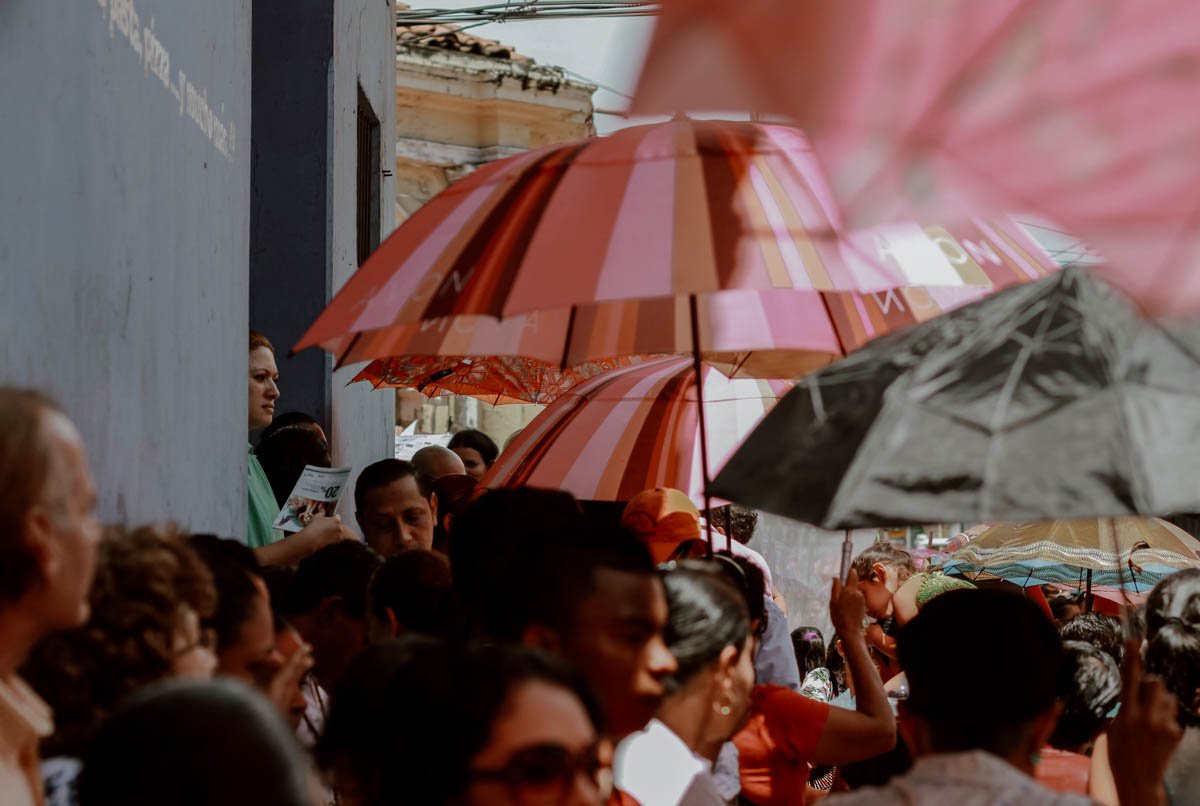
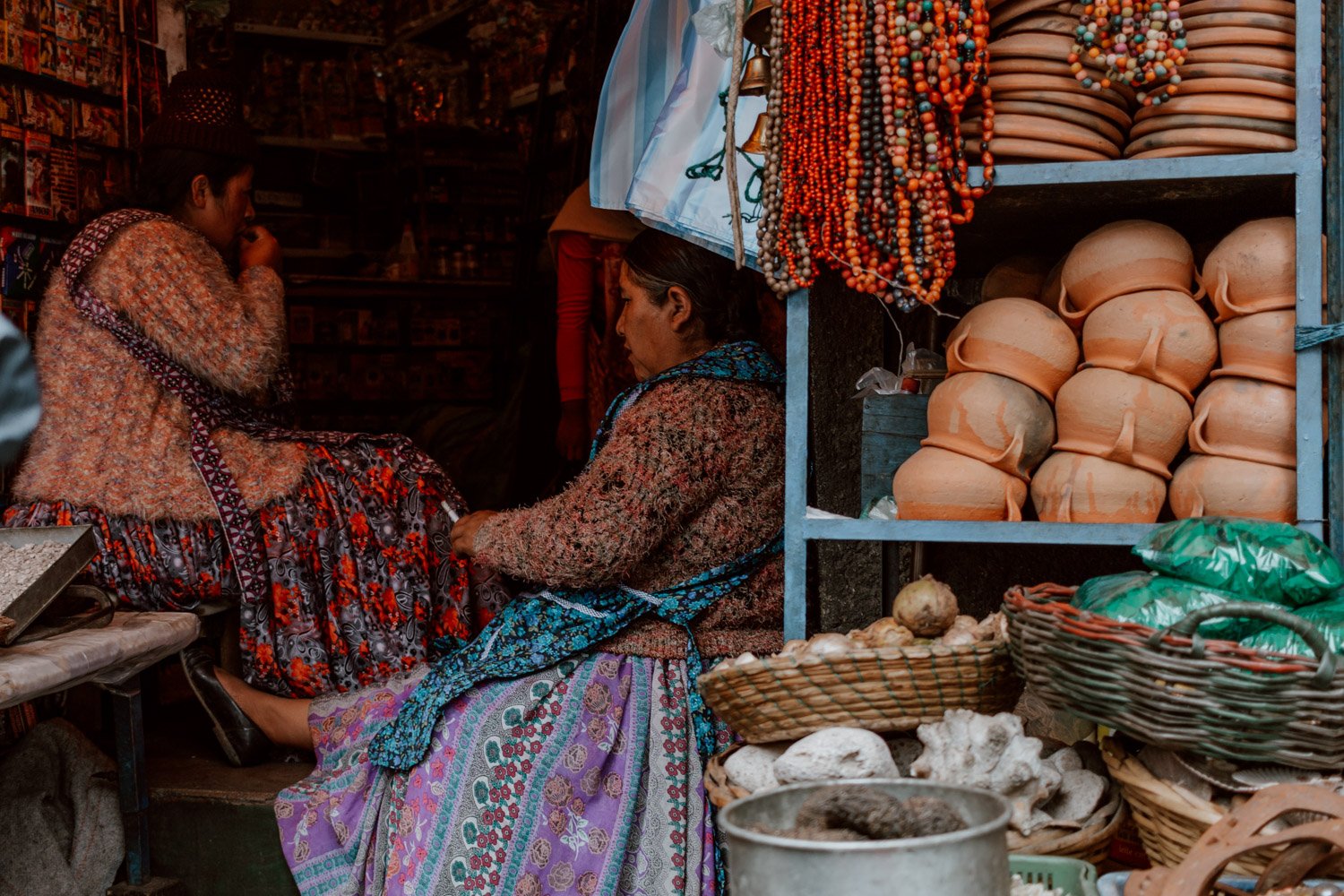
Depending on who you are, the price may be more than it should be or an excellent bargain - it often comes down to your haggling ability! This doesn't mean that you should be trying to pay less than a local for a bunch of bananas, but it does mean that the first price you hear isn't necessarily the final one for certain transactions.
Whilst haggling across the board isn’t as commonplace as in certain Asian countries, some good examples of where you can get a better deal:
Visit the tour agency the day before. They'll usually want to fill up the bus (it's not cost-effective to run below capacity) so may well give you a cut-price last-minute deal to secure your purchase.
On buses in Colombia it's quite common to haggle, even when buying from the bus station, especially if there's more than one of you.
On longer-term stays in hostels. If we planned to stay more than three nights or wanted to extend we usually tried to get a bit knocked off the rate, and often succeeded
Souvenirs: unless there's a clear price tag on an item, it’s definitely worth trying to negotiate.
We can't stress enough, however, that your goal as a budget backpacker in Latin America is not to try and get everything as cheap as possible to the detriment of a local trying hard to make an honest living. Don't take the piss, always be respectful and, if you feel the price is fair, just pay it.
Head Off The Beaten Track
There are some spots that you simply won't want to miss in Latin America. Machu Pichuu, Iguazu Falls, Tikal, a trip to the Amazon, maybe even the Galapagos Islands - no matter how you try to reduce your costs, these big ticket items are going to drain a lot out of your travel budget (unless you do what we did for Machu Pichuu).
In order to balance the books however, you should include a few lesser-visited destinations.
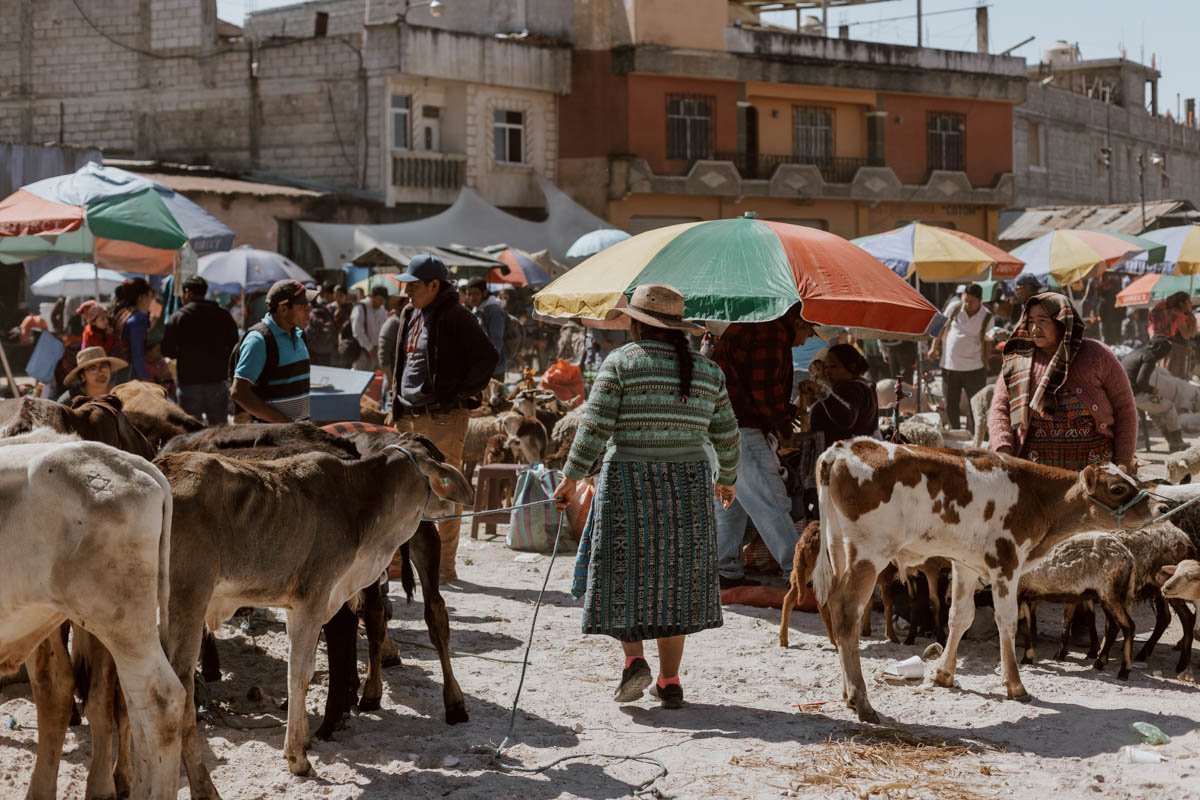
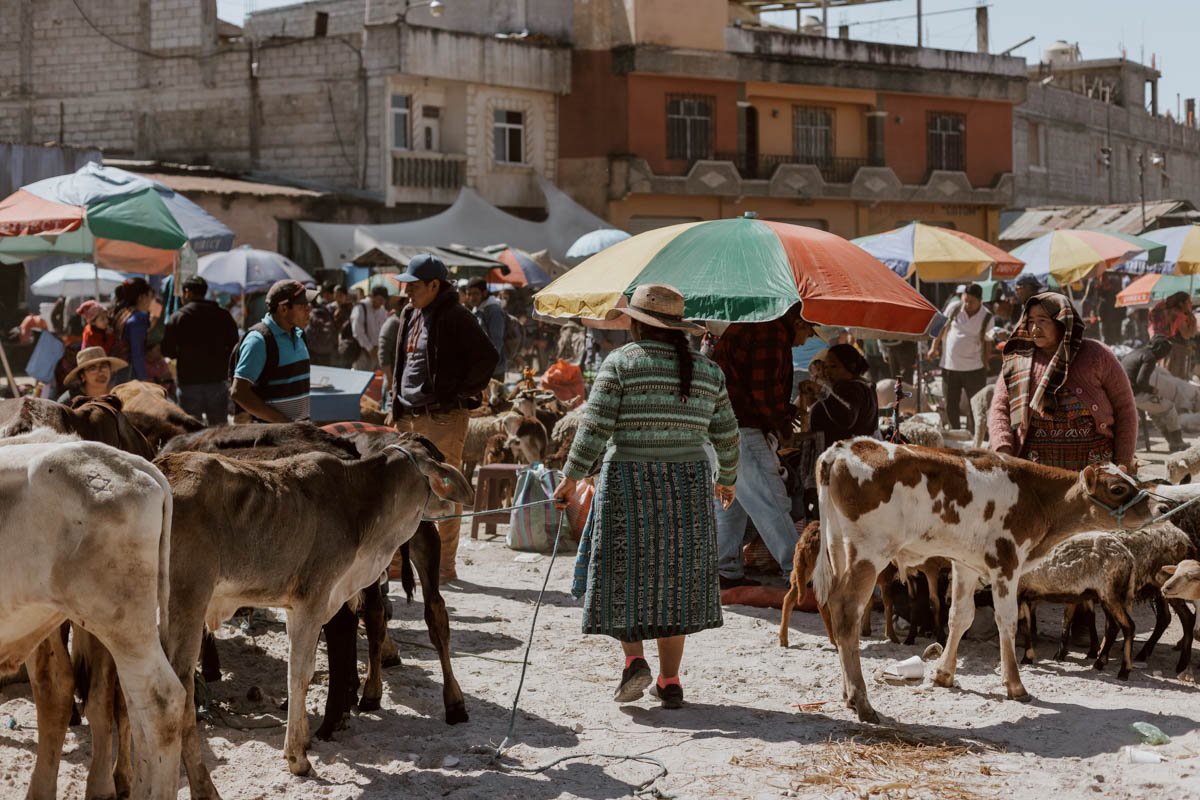
Go find that small town which has one line in the Lonely Planet, stay in that hotel that is not used to foreign tourists and eat in the local canteen. You may well discover somewhere fantastic, and a few under-budget days will balance the scales again.
Often, it’s these random places and moments in between which will make the best memories too.
Manage Your Money
If you're on a budget in Latin America, then you'll get really annoyed at ATM fees or dodgy border exchange touts charging fees or offering terrible exchange rates.
Sometimes though, you're left with little option and just have to accept that $8 withdrawal fee (hello Argentina!).
Making our money last, and changing it from country to country was a source of stress and confusion during our two year trip, but daily tracking really helps you stay on top of everything and identify where to economise.
It sounds ridiculous and archaic now, but we did this using a spreadsheet for that two-year trip, and published monthly breakdowns on the blog by category. As well as allowing us to easily compare travel costs across countries, it was a way to keep us honest about our finances.
Thankfully, things are much easier to track now with mobile banking and budget apps (e.g. Travelspend), so you don’t have to do exactly the same speadsheet approach. But the advice remains the same: if you’re travelling to a fixed budget for a few months, then tracking your spending is going to help you make it last longer.
Also, find yourself a bank card that offers generous monthly withdrawals overseas (Monzo doesn’t do this anymore, and Starling is much better for British travellers).
We’ve shared more advice in this post about how we used a variety of cards and cash, and kept our money safe, in Latin America.
Travel Tip // Good toiletries, make-up, and suncream tend to cost a lot more in certain Latin American countries, so one instant money-saving hack is to learn to compromise on what constitutes your daily routine or regimen when you’re travelling long term - check out our packing list suggestions here.
Set A Realistic, Slower Itinerary
We've been approached by readers with the most optimistic and action-packed itineraries, seeking our guidance about whether they can squeeze in six countries in three weeks. And whilst the answer is often a tentative yes, we have to remind them it might not be all that fun - and it will definitely be a damn site more expensive!
The problem with travelling vast distances over small periods of time is two-fold. Firstly, you will spend so much time getting from A to B that you won't actually have that much of a chance to experience each new destination, and secondly, in order to feel you're making the most of your time, you'll need to book all sorts of expensive flights, shuttles and organised tours because you'll be too busy to actually plan anything whilst you're there.
All this is going to cost lots and lots of money - and as you're reading a budget guide to Latin America, we can safely assume that that is something you'd like to avoid.
Also, slow travellers are just cooler.
Of course, Central America and South America are two very different beasts, the former being significantly smaller than the latter, and somewhere you could cover much more of in a short period of time. But please do bear in mind that your experience is more important than just ticking off countries. After all, you'll probably love your first time in Latin America so much, that you'll want to leave some of it for your next adventure here!
Don’t Be Scared of Change & Serendipity
Is it cheap to travel South America? Sort of, but not always. Is it cheap to travel Central America? Yes, but not always!
We also hate that word as it’s so subjective, relative, and lacks any nuance.
So, before setting off, know that certain countries and experiences will take up a larger chunk of your daily travel fund (Brazil, Costa Rica, Panama, Argentina, Uruguay, Chile) than others, and plan accordingly.
It might mean a few sacrifices and unexpected changes along the way.
We dreamed of months in Argentina, but our visit coincided with an economy in the toilet, a black market currency market and prices changing on a near week-to-week basis. So, we only spent three or so weeks there, completely changed our South America route, and focused on making our money last - which meant too many instant noodle dinners and nights in 12+ bed dorms.
When we realised how expensive the San Blas islands were, and had our concerns about the state of tourism there, we missed out on something we had been so looking forward to and tried to find a cheaper way to Colombia (don’t worry, we eventually made it there several years later!) Our budget also meant we made a final decision in Ecuador to save the Galapagos for a future visit and so didn't visit something we had both dreamed of for years.
So, if you’re travelling out to this part of the world with one or two big experiences being viewed as unmissable, we recommend you budget for those costs first, then shape your trip and itinerary around ensuring they happen.
Travelling long-term, and on a budget, means plans will change - you'll just have to learn to take these in your stride, be flexible, adapt, and make the most out of the new situation. And trust when we tell you, some of these unexpected changes and adventures will be the best memories you'll have from your own budget trip in Latin America!