15 Things To Know Before Driving in Montenegro
Speaking to a British-Montenegrin in Podgorica Airport at the end of our three-week road trip, just after returning our miraculously unscathed rental car, we told him his small Balkan country had been awarded the accolade of having the worst drivers we've ever encountered - and that some locals would probably wear that badge with honour.
He didn’t disagree on either point.
We’ve done lots of road trips and driving around the world, and some Montenegrins made even Sicilian drivers seem like a prudent German man driving his boss’s car home.
This isn’t written to put you off doing a road trip in Montenegro (though for some, that may be the wisest outcome) but to give an honest, useful account of what it’s actually like, and how to prepare for it.
There’s no question that having your own transport is key to unlocking Montenegro. Several of our fondest memories - remote hikes, mountain guesthouses, flipping off a guy in a Porsche on the outskirts of Budva - simply wouldn’t have been possible to access without a car.
Yet, there are moments when the quirky etiquette, creative overtaking, passing place stare-offs, and at times downright dangerous driving can really test your patience (and occasionally your nerve).
And that’s not to mention all those stubborn cows, who very much regard the road as theirs and your schedule as a mild inconvenience!
With a bit of preparation though - underpinned by our hard-earned lessons and honest insights from this road trip - hopefully the idiosyncratic and more challenging aspects of the driving in Montenegro can feel a lot less stressful and daunting, and a lot more like part of the adventure.
Choose to embrace it, and you’ll not only understand the country better, but see much more of its wild, raw and staggeringly beautiful landscapes than most travellers ever do.
From costs, conditions, and road closures to insurance, passing etiquette, parking mistakes and anticipating a few unspoken rules of the road, this is everything you really need to know before renting a car and driving in Montenegro.
Driving in Montenegro | The Essentials
· Drive on the right-hand side
· A 4x4 or SUV isn’t necessary for most road trips
· Expect challenging road types and variable conditions
· Keep lights on auto - they’re legally required during the day
· Be sceptical of Google Maps shortcuts or diversions
· Confirm routes in advance with rural or mountain accommodation hosts
· On narrow roads, nobody gives an inch - stay calm & prepared to reverse
· Clarify you Green Card cross-border insurance requirements
· Watch out for police speed gun traps
· Avoid the cows!!!
· Save money with a Insurance4Carhire excess policy
· Anticipate aggressive undertaking and overtaking from locals
· Always take the ‘Panoramic Road’ sign
· Parking is scarce and expensive in Kotor, Budva and the coast
· Beware scams in Perast and Lake Skadar
· Compare rental options from Podgorica and Tivat airports on AutoEurope or RentalCars
· Never let your fuel tank drop below a third
Hairpins > Highways
A little topography to begin.
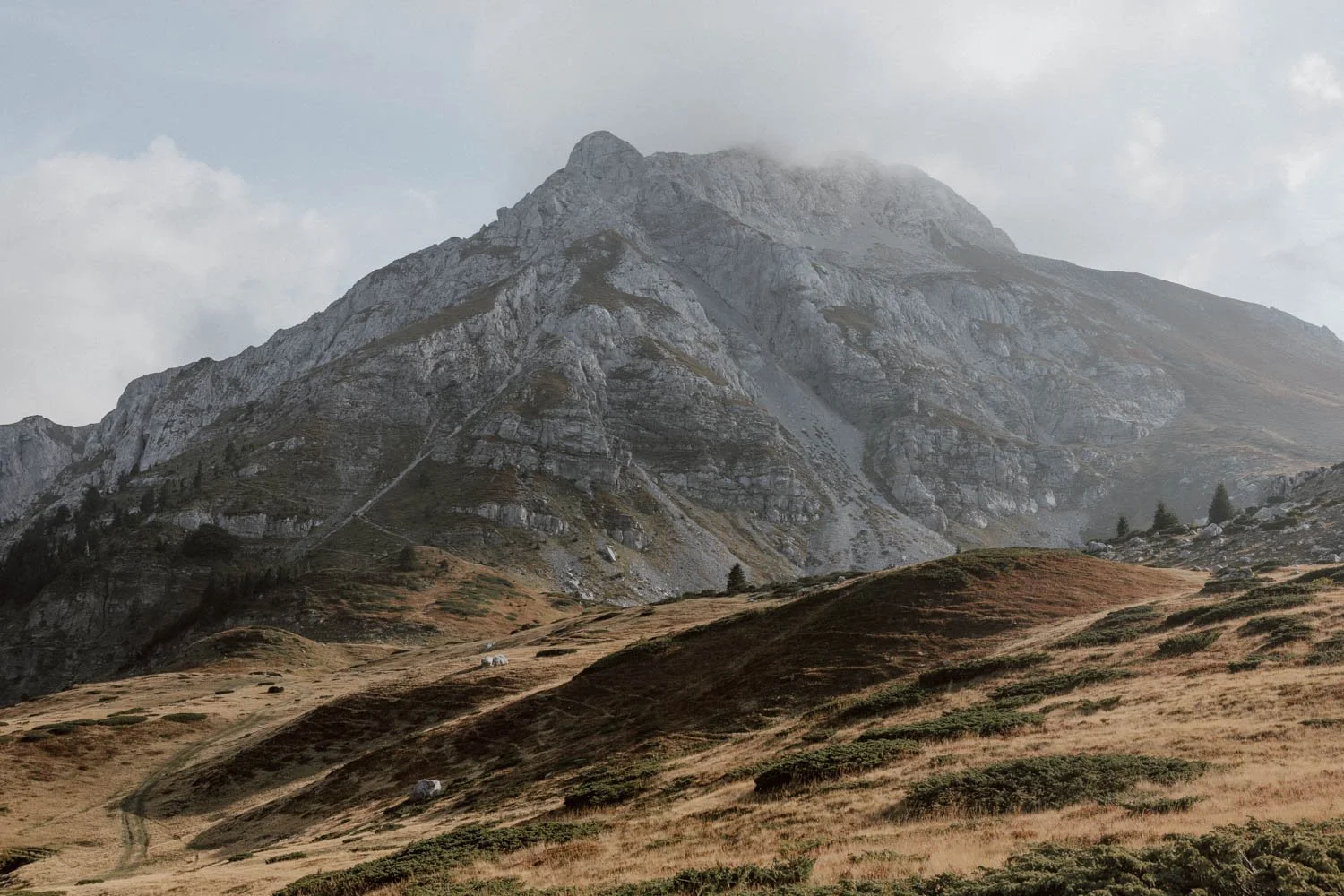
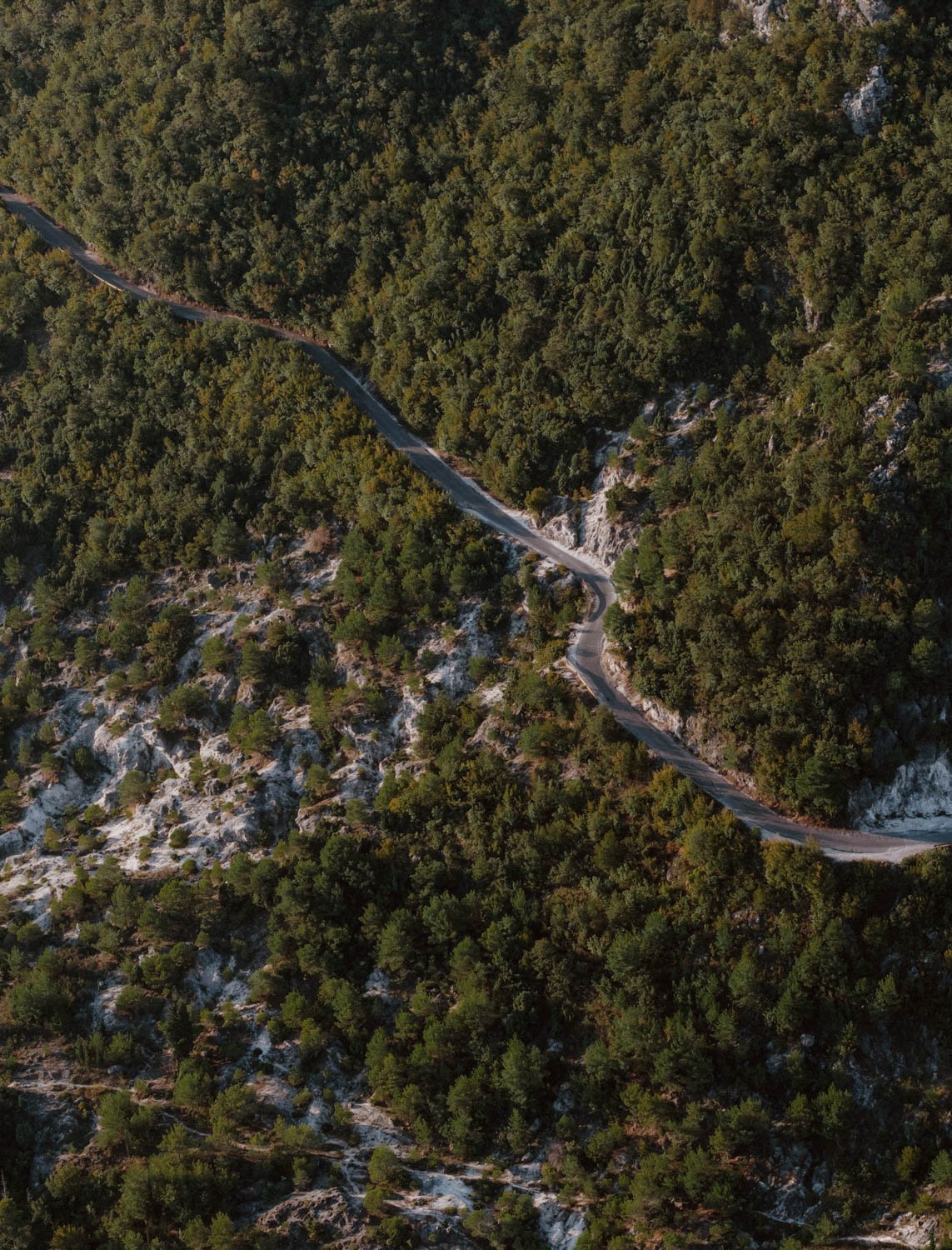
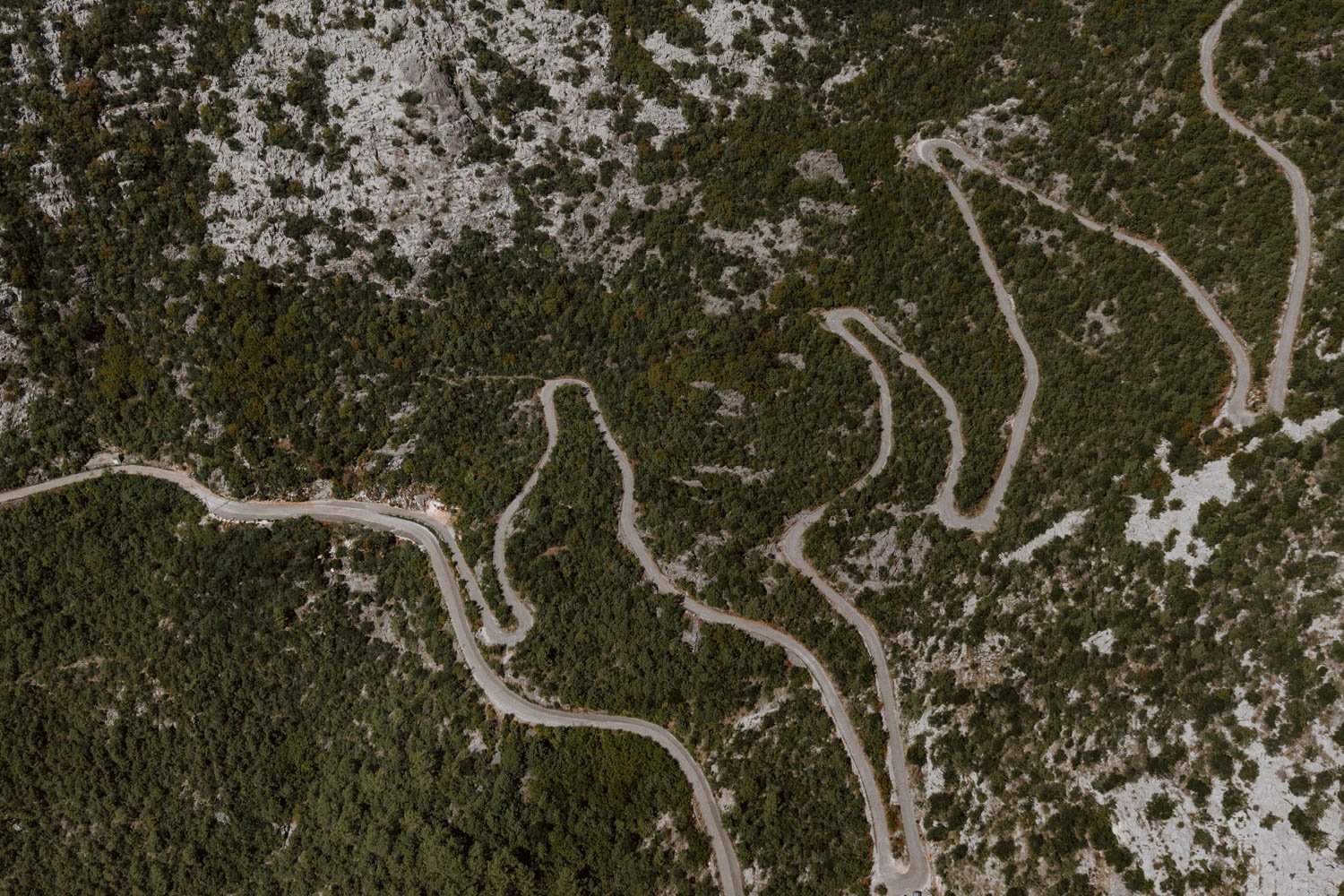
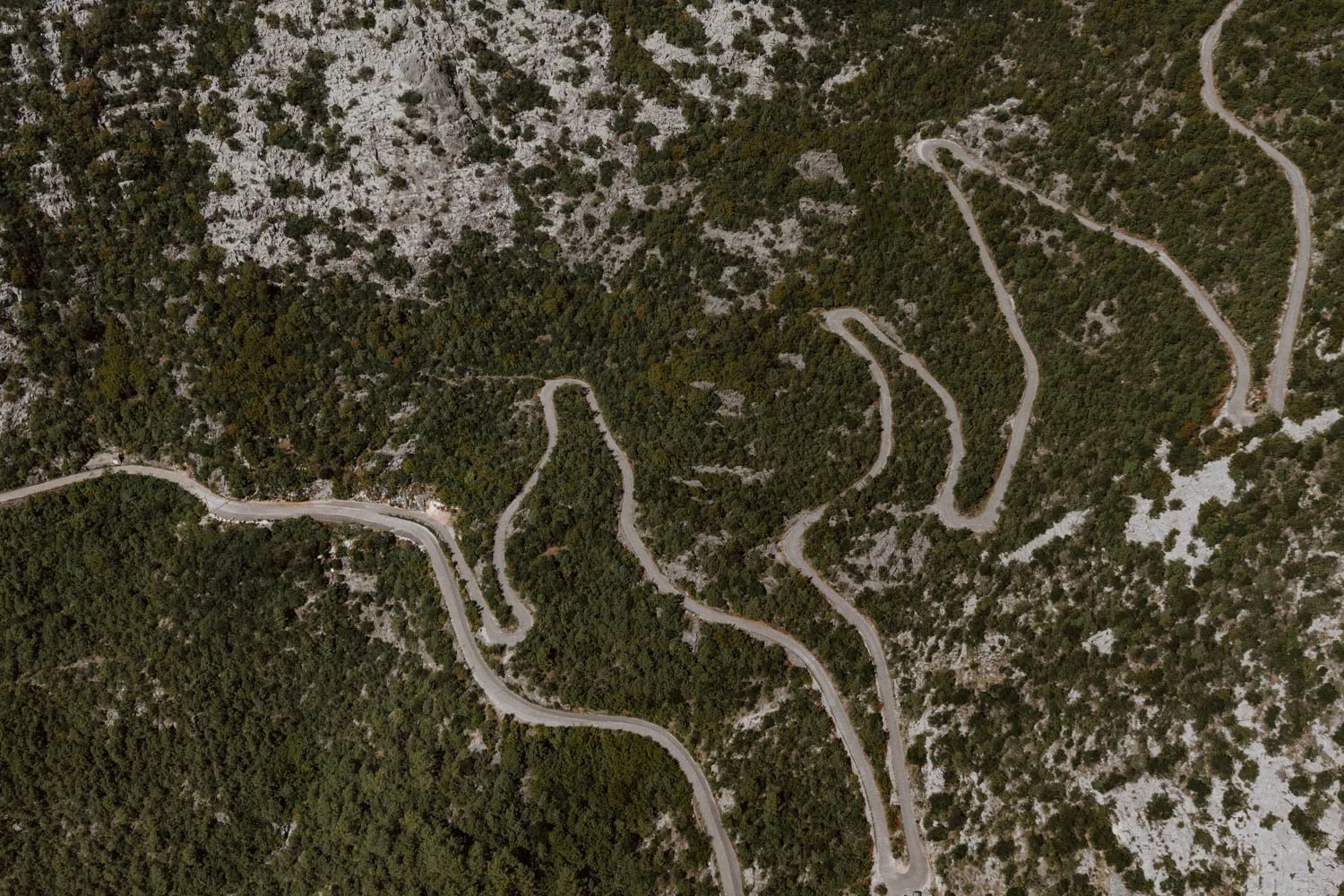
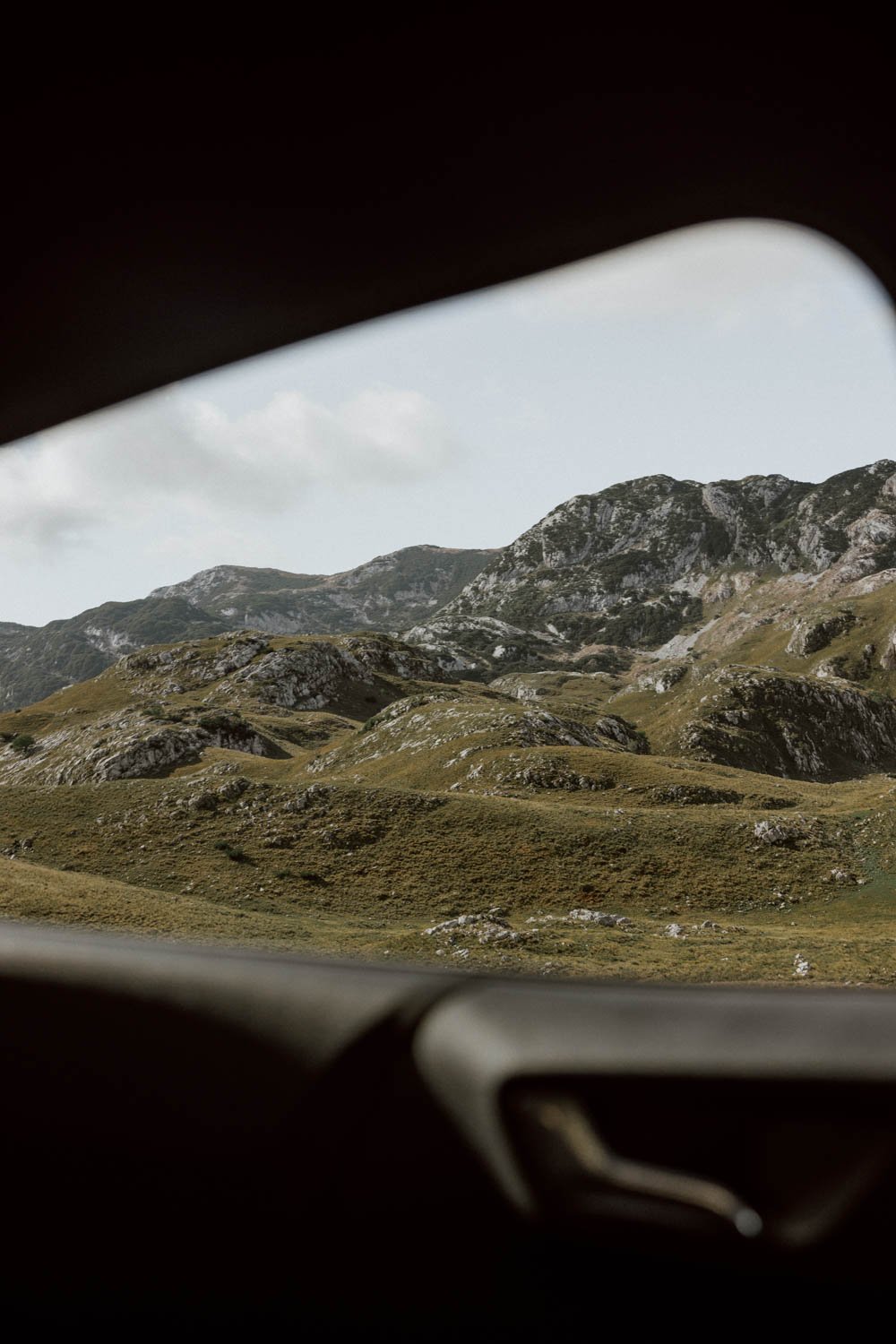
Montenegro is, effectively, a series of valleys, folds, and ridges, each one covered in pine forest, silver peaks, or the occasional flash of river. One valley leads into another, interrupted by gorges, canyons, and more mountains (repeat until dizzy). Oh, and then there’s the western coastline, where the mountains shoot sharply and steeply from the Adriatic Sea, and civilisation has spread out in the foothills and up along the slopes.
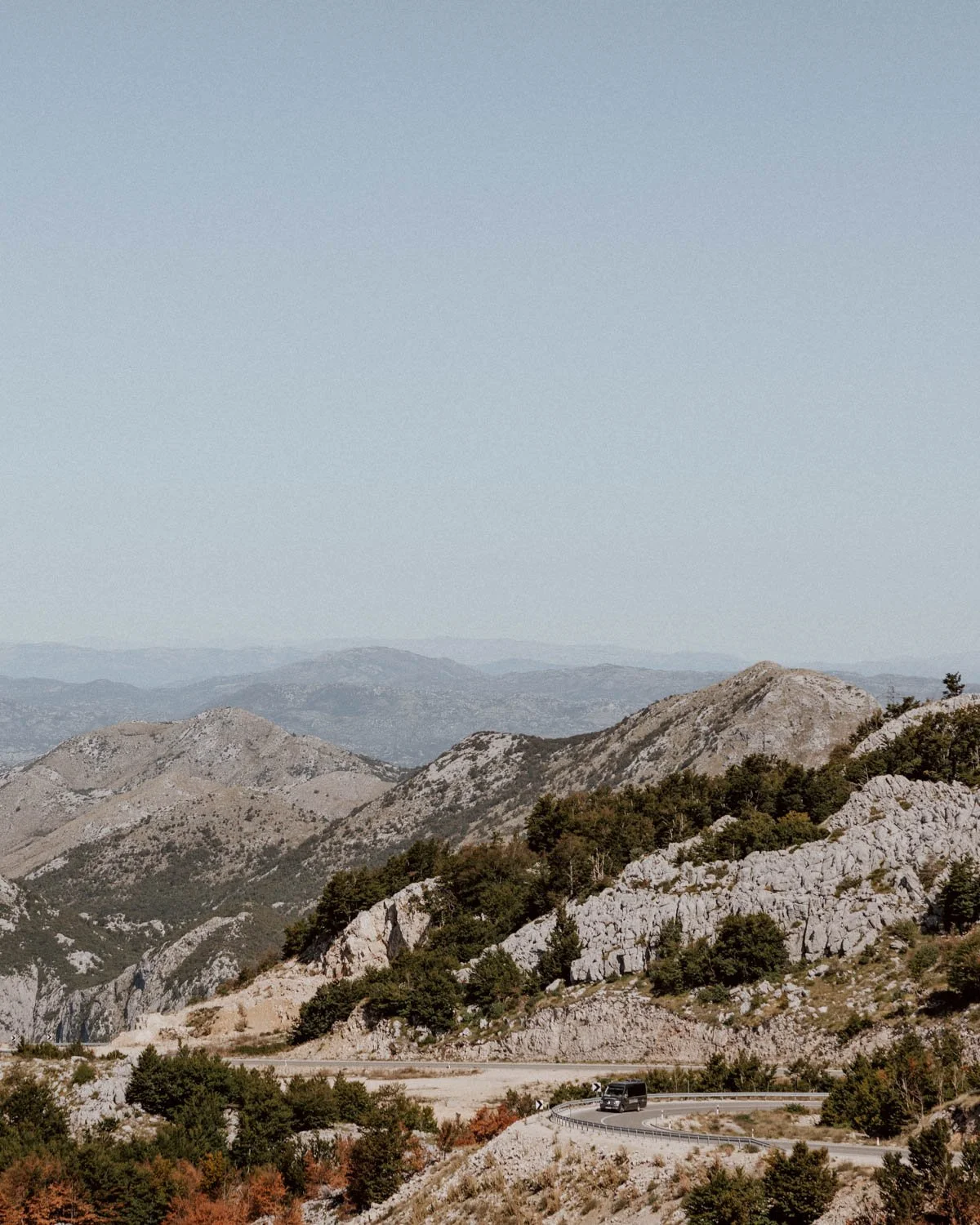
Translation for drivers: this isn’t just flat, dull motorway driving on cruise control. It’s going to be mostly skinny mountain roads with endless switchbacks, narrow countryside tracks, lots of tunnels, and the occasional unpaved, pothole-riddled road that seems to exist purely to test your skills and suspension.
(there are of course many kilometres of decent road and highway, but if you’re only sticking to that, then your Montenegro trip planning has gone awry).
For newbie or very inexperienced drivers, these conditions will present challenges. Handling blind bends on a unprotected cliffside, anticipating cattle and stray dogs, knowing when (and when not) to be more aggressive in your driving style - all whilst weaving strategically between potholes - will become near daily tasks.
Nothing that you won’t be able to adjust to, but certainly a little daunting to begin.
Plan // Our Montenegro Road Trip Itinerary (published soon)
Choose The Right Vehicle
From that description, it may sound like you’re going to need a big beast 4x4 with high-clearance.
That isn’t the case.
Whilst a higher clearance vehicle will definitely make some drivers feel more comfortable on certain roads, it’s not essential. A big SUV may appeal if you want the 'might is right' and security of a bigger car, but the reality is that local drivers probably won’t shift for you or give priority. So, when push comes to shove, you're simply making a narrow road more challenging to navigate.
And there will be a lot of pushing and shoving.
Based on our experience, we think an oversized / bigger vehicle will also just make those skinny roads of the national parks and back country more challenging overall.
So, this is all good news for your budget.
If you’re spending a bit more on your rental car or want a more comfortable ride overall, then put it towards a model with a larger engine - something on or above1.2L. Most of the basic rentals in Europe are only 1.0L, so you’ll appreciate the extra power on those steep mountain roads versus a nine-year old Fiat Panda gasping its way uphill in second gear.
That being said, we had a brand new Ford Puma with a 1.0 engine and had zero issues.
Know // Most rental companies in Montenegro require drivers to be 21+. Some agencies may accept drivers as young as 19 or 20, usually with an additional young driver surcharge.

Rent in Podgorica or Tivat Airport
Brief but obvious point: you’ll find most options and get the best rate by picking up your car in Podgorica Airport or Tivat.
Both are small airports, and the process of picking up your rental car is relatively smooth due to this (if everything goes to plan with your flight of course). If you’re arriving in the capital, Podgorica, then you can choose whether to start your road trip on the coast or in the mountains; for Tivat, it’s going to make more sense to go straight to the coast.
We flew into Podgorica and paid £40 per day for our car in September 2025, but cheaper rates are definitely available as we only booked it a week before arrived. Prices will be at their highest in the peak summer holiday months of July and August.
Considering a ‘spontaneous rental’ for only part of your trip? You’ll find hire companies on the coastal tourist hotspots, but we didn’t see a single agency or business in the mountains (not even in Durmitor National Park).
Importantly, those who don’t drive 'stick' or manual should be prepared for the automatic vehicle you reserved not being guaranteed in Montenegro. Automatics just aren’t as common over here, and switching it out for a manual isn’t viewed as a big deal. If this would be a significant problem for you, then we suggest going with a larger, more established car rental company and contacting them after your booking and before you arrive emphasising that you really need the automatic.
Travel Tip // We’ve booked every one of our road trip cars through two sites: Rentalcars.com and Auto Europe
Both search across local and international companies, surface the best rates, and often have their own exclusive deals. Somehow, they almost always work out cheaper than booking direct - don’t ask us how, but it does.
Check both, compare your dates, and lock in whichever gives you the best deal before the prices shift.
The Green Card & Diligent Dent Documentation
Two final pieces of admin before we start hit the tarmac.
If you're planning to use your Montenegro rental car to visit Albania or North Macedonia, then you’ll need to get a Green Card sorted out.
This is an international certificate to prove you have valid third-party liability insurance when driving abroad. You don’t need one when you drive across the EU, and it’s not necessary to have one if you’re just driving within Montenegro.
Some rental companies may include the Green Card, but most will ask you specifically at the desk about any plans to cross a border. You can either purchase with them, or you’ll be required to purchase it separately at the border crossing.
Getting this wrong can mean fines or being turned back at a border crossing, so we recommend double-checking requirements and also ensuring your rental company permits you to take their vehicles into other countries.
As ever, make sure to take the time when collecting your hire car to do a comprehensive check for bumps, dents, scratches, chips on the bodywork, windscreens, wheels, and undercarriage. We are huge pedants on this, and usually set aside 10 minutes to photo and video everything (even if we’re picking it up in the dark) before signing any paperwork and driving off. Thoroughly documenting pre-existing damage like this doesn’t just give you evidence in the event of a dispute, but also a quick argument-saving reference point for that inevitable mid-trip “I swear that wasn’t us” moment when you spot a new-looking dent.
To make your road trip much less stressful overall, we really recommend getting the extra insurance that removes the €500-€900 excess/deductible you’d otherwise have to cover on a claim. Rental companies usually upsell a heavily marked up version of this at the desk, sometimes charging more than the hire itself, so it’s worth arranging your cover separately instead. It’s usually much cheaper, and we’ve had an annual policy with Insurance4Carhire for years, which covers all our rentals for less than £70/year.
RentalCover.com offers a similar policy and covers more nationalities, but we haven’t personally purchased it.
Travel Tip // For more money-saving car rental tips and tricks - including companies to avoid and the reason why those ‘too good to be true' rates on certain websites should always be taken with a pinch of salt - read our 9 Essential Car Rental Travel Tips
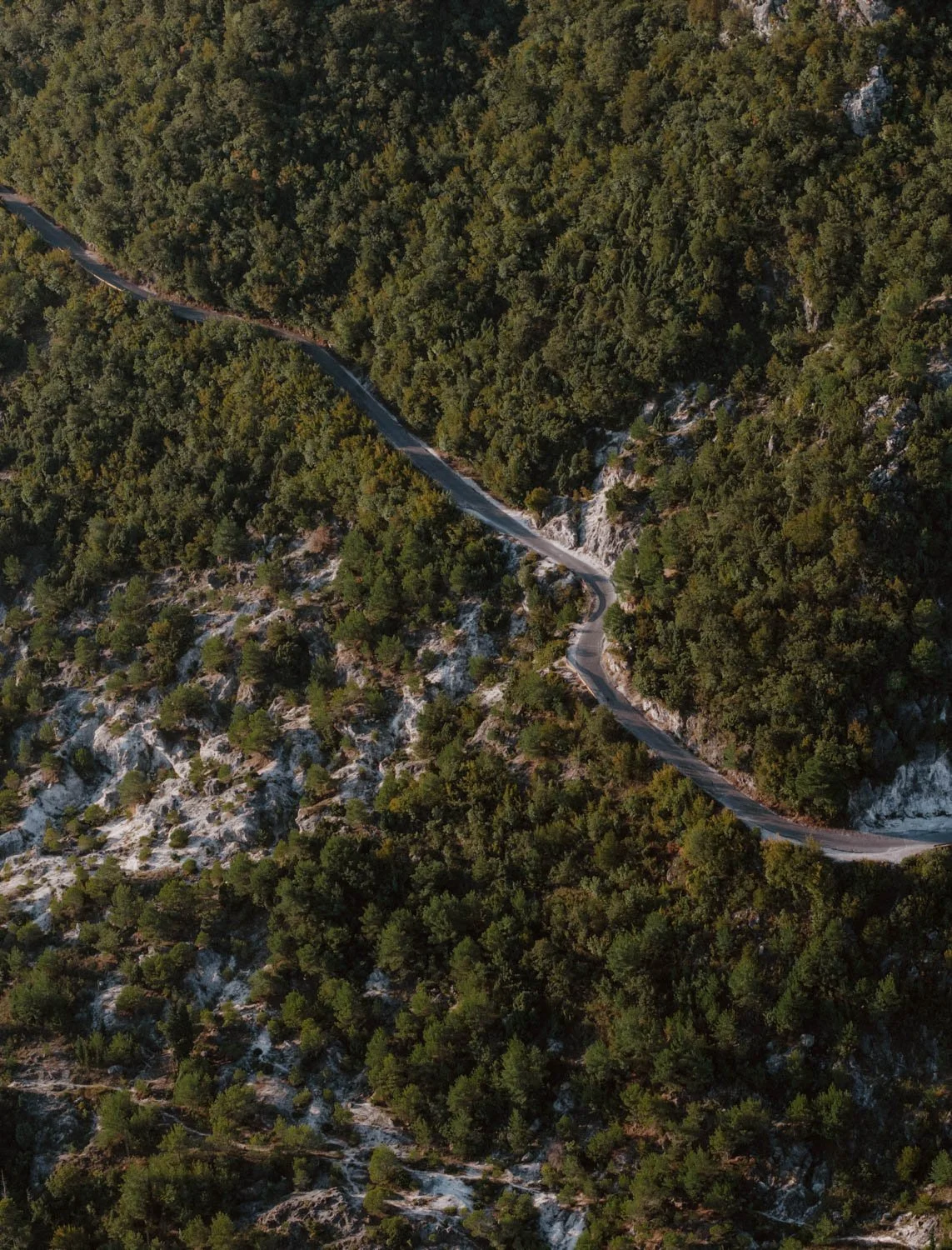
Expect Road Closures & Delays...
Road closures and construction, or extensive works on large stretches, were a very common feature of our three weeks; it isn’t an exaggeration to say that we came across one almost every other day.
This is a sign of the country’s positive trajectory, and will undoubtedly make travel smoother in future. However, these added brief to significant delays, as well as unexpected quixotic two to three hour diversions to our day.
Some of these will be impossible to plan for or avoid, but the one between Kotor and Budva looked like it could be there for another year. However, one that we definitely should have known about in advance was the section of the P4. This road follows the Tara River and is the most scenic link between Biogradksa and Zabjlak (Durmitor National Park) - here on Google Maps - and it’s supposedly been closed for a while due to landslides and maintenance works, with no timeframe published for reopening.
Our car’s GPS didn’t flag it, but the annoying thing was that there were no signs about the closure until you drove 30 minutes along the road and arrived at the works, meaning you had to travel all the way back out to take another route (going via the R18 is the quickest alternative, but we went a more circuitous way).
It’s worth researching ahead and checking recent reports or local advice before setting out on that one - and let us know in the comments when it does reopen!
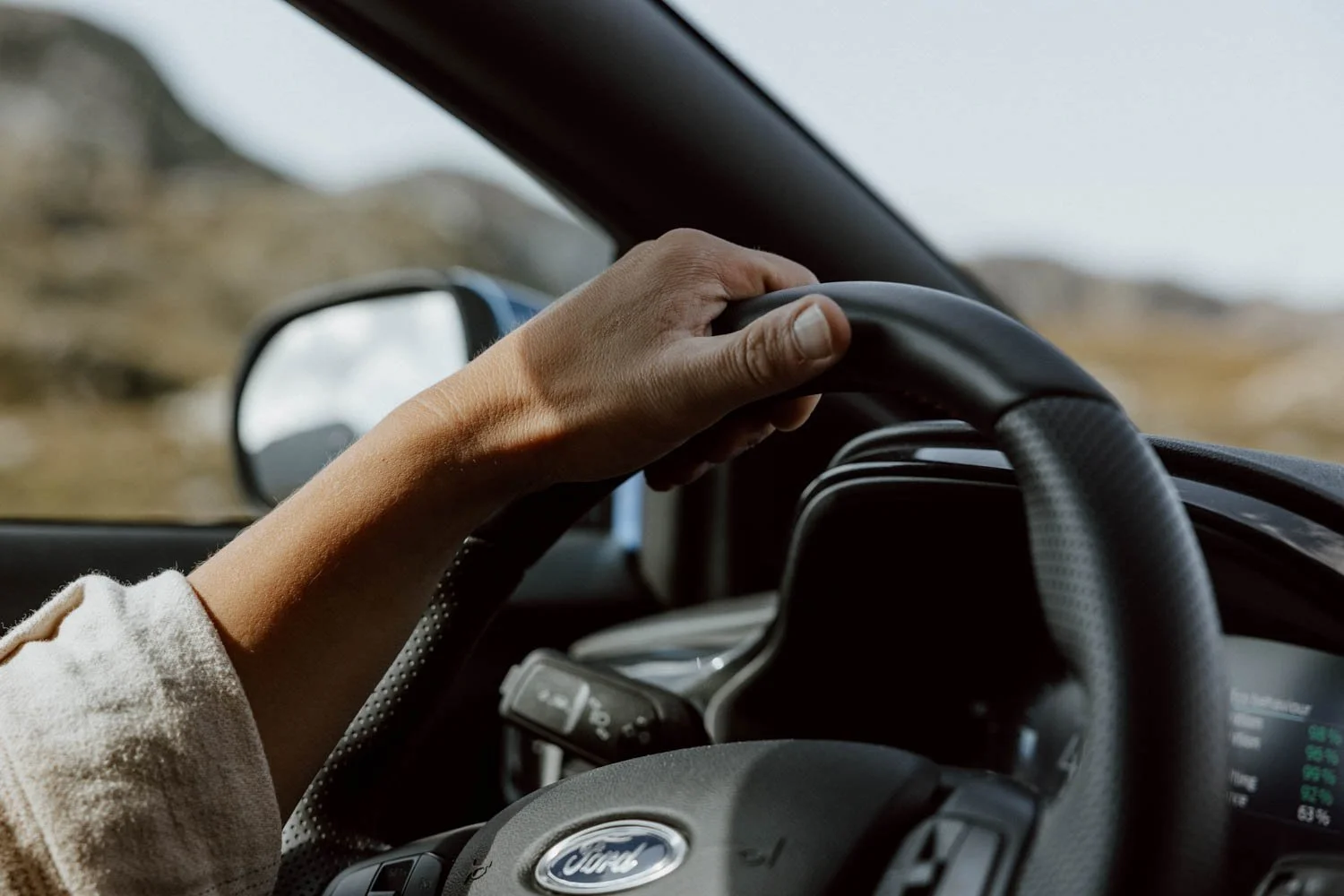
... And Doubt Google Maps Diversions
Now, if we’d done what we usually do and relied on Google Maps instead of the in-built satnav, that closure would have been flagged up and we’d have saved a lot of time.
This may make you put all your trust and faith into Google Maps on your own Montenegro road trip?
Bad move, amigo.
Due to the volume of road closures, lack of signs, and no official diversion routes, you’ll need to freestyle.
In certain countries, this really wouldn’t be a big issue, but in Montenegro it can, quite literally, lead you down the garden path.
Whilst there are lots of good, normal roads, there are also many unsealed, rocky, potholed countryside tracks that would really only be passable by rugged 4x4 (or a local in a VW Golf). Google Maps is quite terrible at recognising and distinguishing between these two roads when coming up with alternative routes, and the problem is that you often won't know whether it's taking you down a passable road or not until you head down it and the tarmac runs out.
This results in a lot of wasted time, confusion, and potential arguments.
One day it led us on quite a comedic series of diversions down roads that would almost definitely have resulted in us getting in trouble, and it was pretty obvious to see the other road trippers and motorbikes following it blindly. When the main road from Komovi to the Grebaje Valley was shut, it literally suggested that we go on an a mountain bike trail instead.
When we shared this on Instagram Stories, one follower got in touch to tell us her daughter had similar issues on her road trip, where she drove down a back road and her car got stuck. The tow truck sent to help then got stuck, then the farmer had to pull them both out with his tractor! The farmer said it happened quite a lot, purely because of people following Google Maps down there.
So, if you’re diverted or in doubt, just take a moment to look at the alternatives offered and always opt to take the route via a main road - this will almost always get you there quicker, more reliably, and with less chance of needing a farmer and a tractor.
Main roads are your best friend when diverted, always prioritise them over whatever ‘shortcut’ Google recommends.
More generally, Google Maps often underestimated our driving times in Montenegro, and a follower messaged us to tell you that it can often direct you to closed border crossing points in the Balkans!
Despite this, we still wholly recommend using it as your go-to navigation app over there!
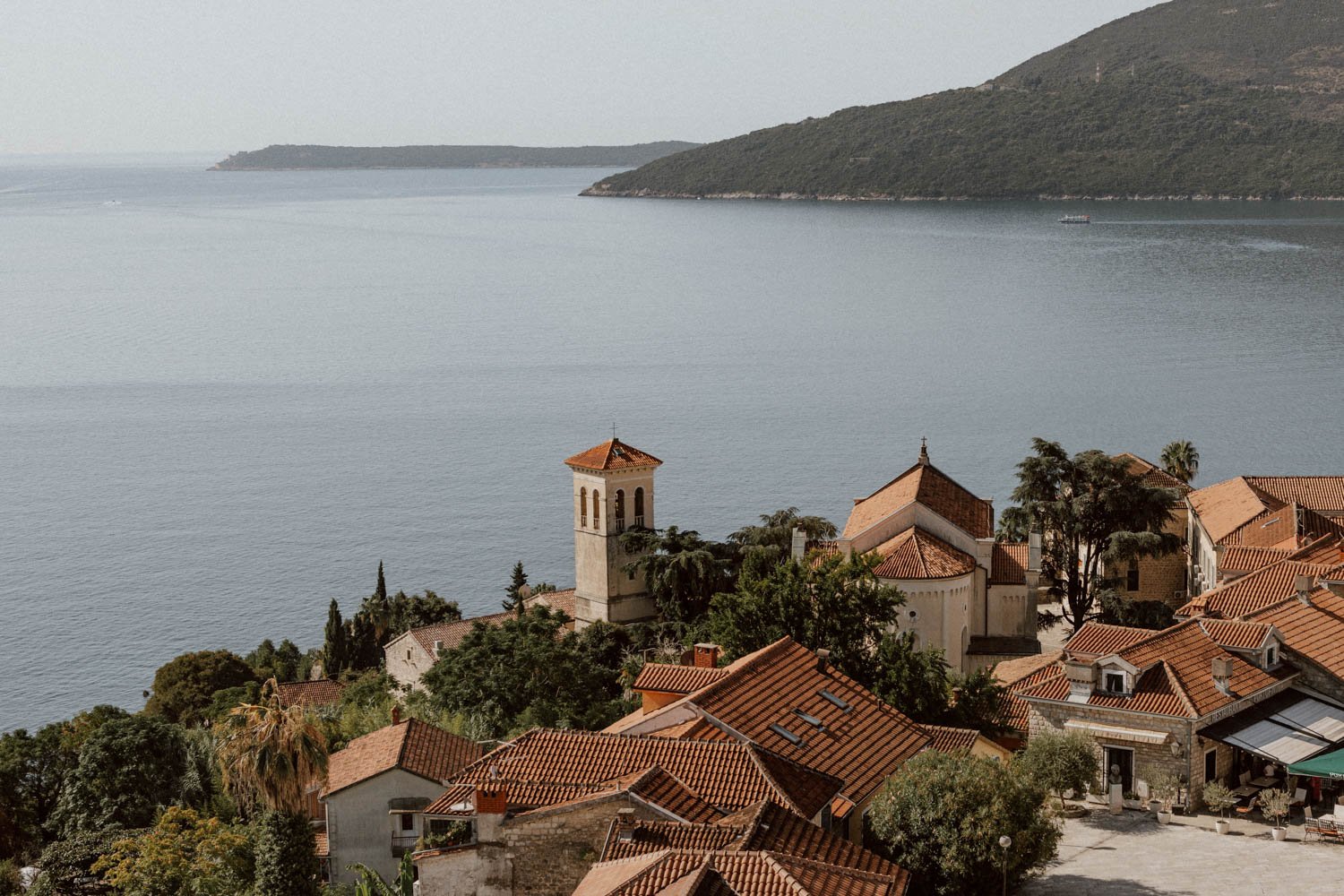
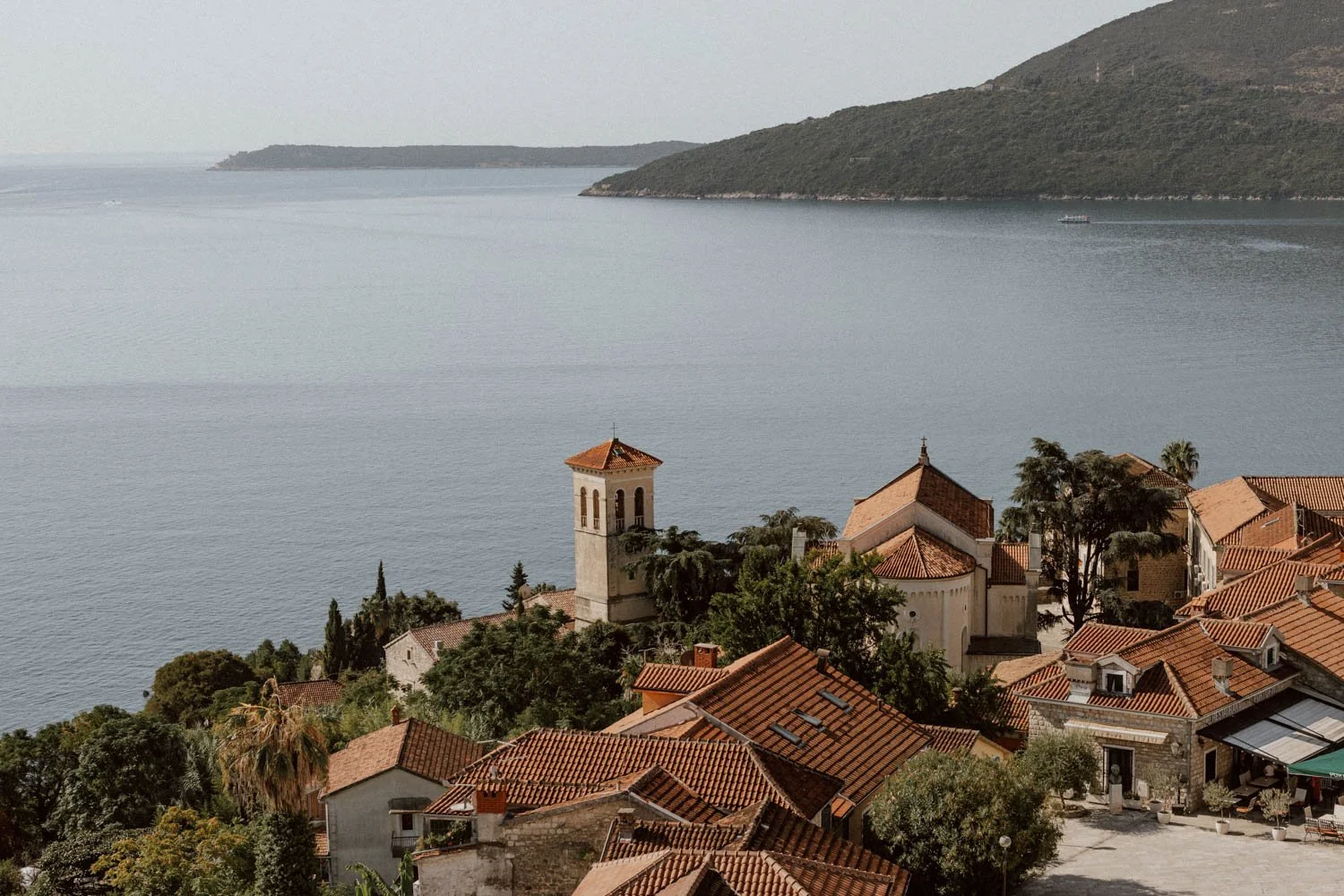
Know // You’ll see lots of brown and white signs for the ‘Panoramic Roads’. As you’ll see in this post and the rest of our Montenegro Blog Series, most of these wholly justify the moniker. Most road trip itineraries will naturally encompass these, but there’s a handy PDF tourism board map detailing the 800km network referred to as the ‘Crown of Montenegro’.
The Herd Mentality
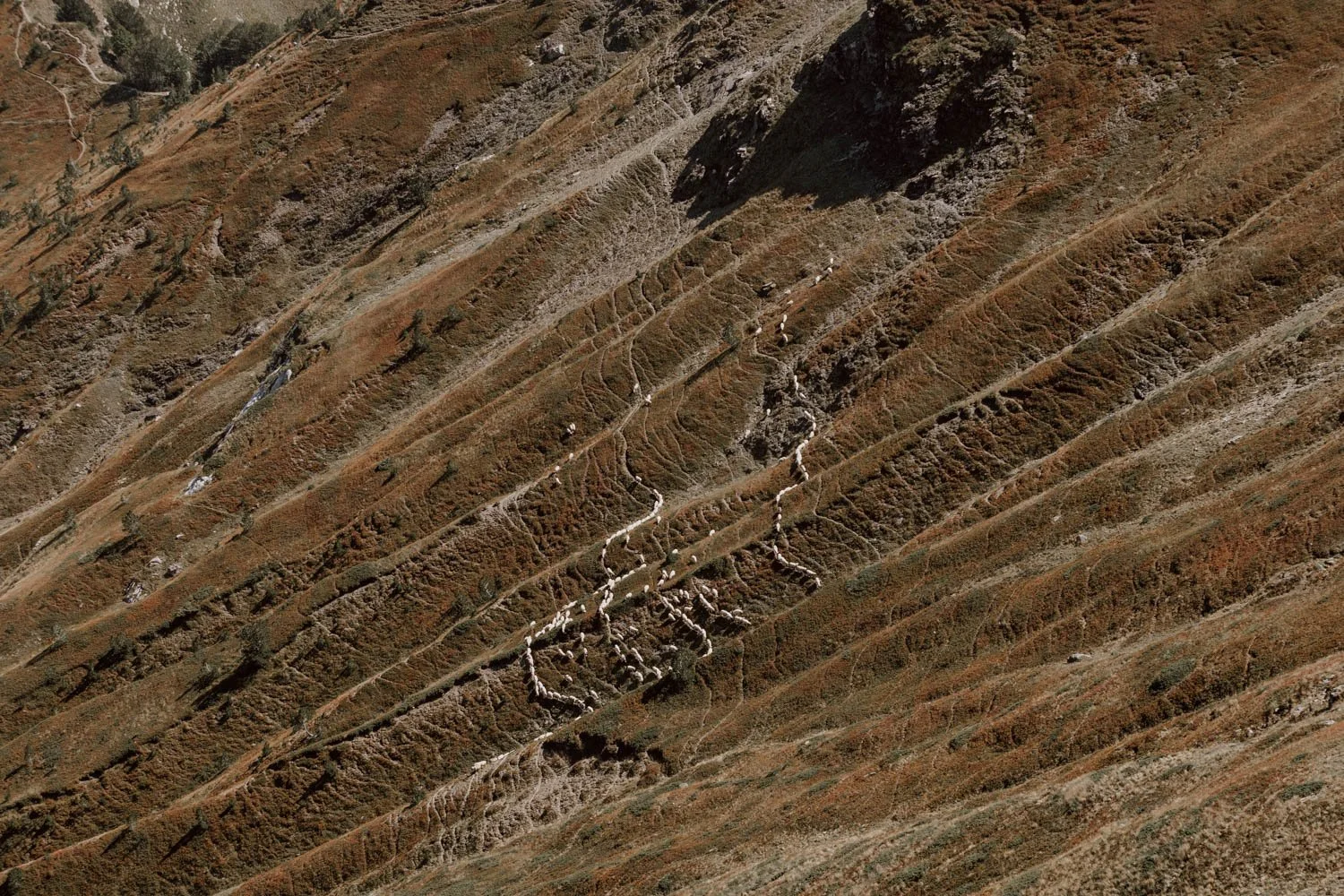
Almost every single day in the interior, often several times a day, we'd encounter cows mooching along the road or hanging out at the side of it. Sometimes they’d cross unexpectedly, or simply saunter along at their own pace, leaving you no choice but to patiently trundle in behind.
More like driving in ‘Moo-ntengro’, right? Right!?
There were also the occasional flock of sheep, foolhardy farm dogs, and an errant goat or two leaping out of nowhere.
Such animal obstacles are a charming part of the experience rather than a nuisance, but you do have to keep an eye out and drive carefully when passing (or avoiding) them. Sometimes a short, sharp peep of your horn helps if the cows are being particularly obstinate. They were sometimes also accompanied by a shepherd and, in that case, just wait until they sort it out and tell you to pass.
A less cheerful obstacle were the little abandoned or feral dogs we’d see quite commonly in the middle of at the roadside. Montenegro has a real problem with stray dogs, with little shelter capacity and few neutering programmes to deal with it, and it broke our heart to see them - and a few that didn’t make it across quick enough.
Travel Tip // Speaking of horns, the official advice is that your car horn in Montenegro should only be used to avoid dangerous situations. We interpreted that quite loosely, and would often use it on the blindest of blind corners, before entering unlit rock tunnels near Piva Lake, and to let the guy who’d just cut us off know he was an arsehole. Now, the latter is certainly not something we’re encouraging, but in the other scenarios it’s definitely helped prevent a few near-misses.
Use it wisely, and it can be a surprisingly effective tool for staying safe on the narrow roads.
The Undertaker is Real
Local drivers are not afraid to undertake - and by that, we mean overtaking on the inside, something generally frowned upon or outright illegal in many places.
You’ll see it all over the country but a standard junction in Przno made us certain this was a trend, rather than a few one-offs: when indicating to make a left turn and moving slightly toward the centre of the road, two cars instantly darted past on the inside, rather than waiting behind us for the ten seconds it would’ve taken to cross over.
It happened every time we (and others) took that turn up toward our accommodation, and you just wouldn’t have seen (or expected) that sort of manoeuvre in most other European countries.
We’re not so fussed about the undertaking itself though: it’s more that the undertake is often executed in a way or situation where it’s not just unsafe or suitable for them, but that also makes it unsafe for you and others on the road.
By pulling it off in places or ways that don’t make sense, they force you to focus as much on their moves as on your own driving and the road ahead .
Unsurprisingly, this mentality also extends to overtaking.
The etiquette just doesn’t seem to emphasise asking oneself if it’s 'suitable to overtake right now or in these conditions’, or just ‘is it possible to overtake’.
Overtaking is something you do when it suits you, not necessarily when it’s suitable for everyone else or the conditions.
We were beyond incredulous at times, and it’s one key example of when the local approach graduated from quirky to irresponsible, inconsiderate, and reckless.
p.s. Emily advised Andrew to avoid doing any Paul Bearer or tombstone references here, but for those of you who would’ve appreciated them, you are seen and I hope I’ve URN-ed your respect? Sorry. The puns end now.
Take The Bay of Kotor Ferry
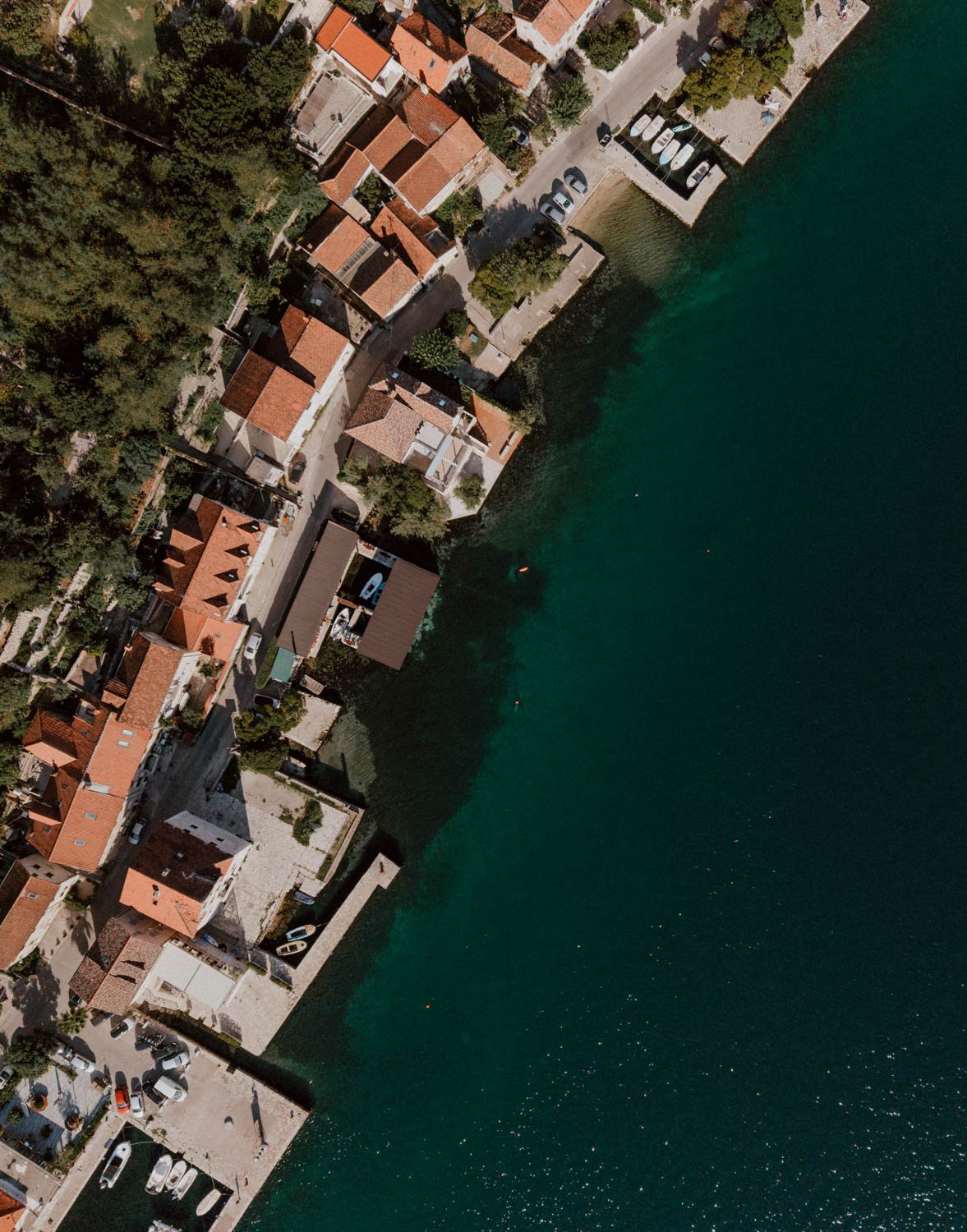
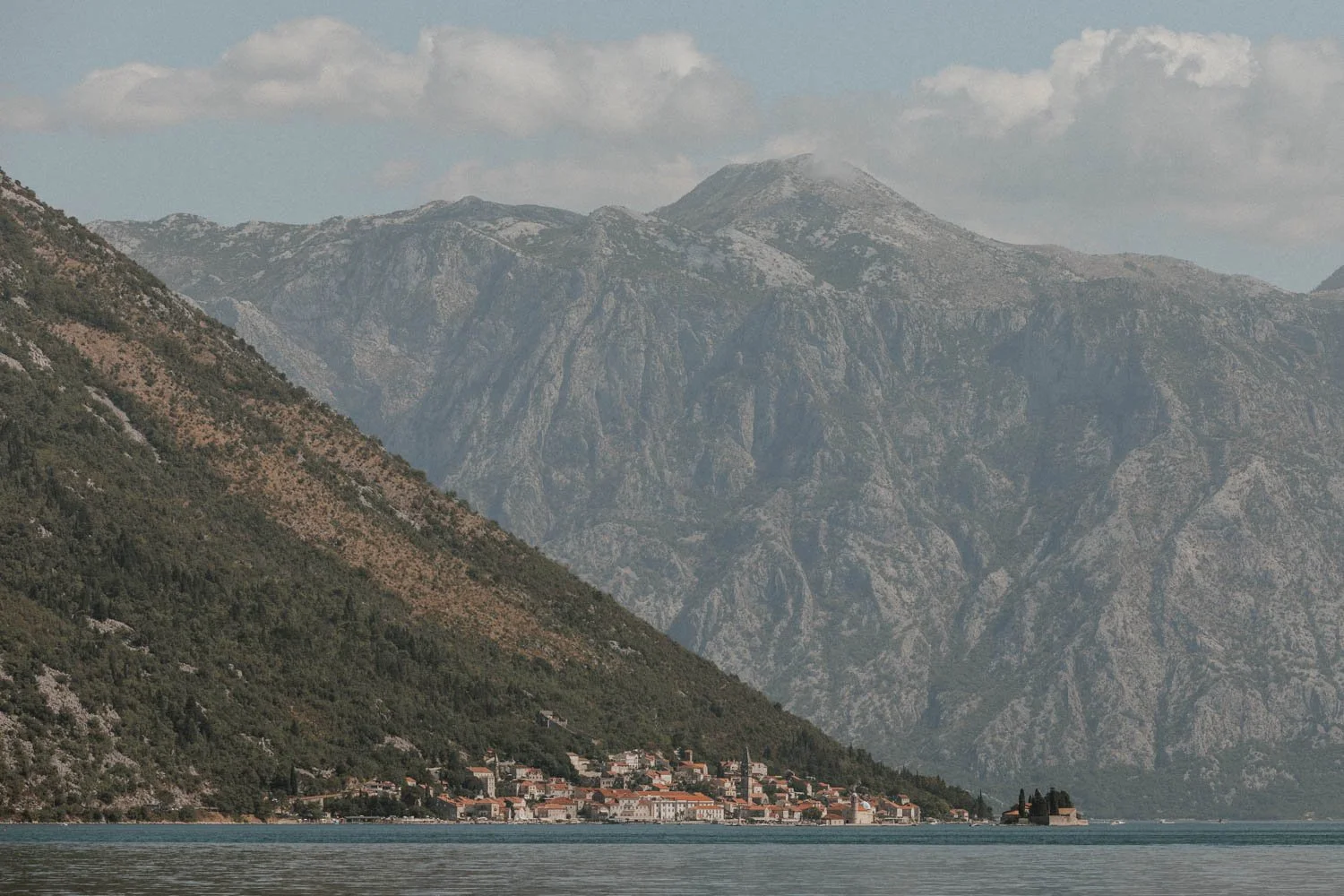
The Bay of Kotor is Montenegro’s most famous and photogenic region, with Kotor, Perast, and Herceg Novi amongst the standouts.
Its topography and layout are a bit bewildering for the first-timer though, and can lead to some sticky situations if you just follow the GPS.
It would be easy to assume that driving around the bay’s swimming-mermaid outline would be both the most scenic and logical option, and that’s true for certain journeys and sections.
But, if you’re attempting to go from one side to the other, the stress and challenges presented by its wafer-thin waterside roads will only cause stress and challenges.
Instead of driving around the northern part, you should take the Lepetane - Kamenari ferry. It’s a simple drive-on, drive-off service that shuttles cars across the narrowest point of the bay (in both directions). The boats are frequent, cost €5 one-way, and take just 10 minutes to cross, saving you 40+ minutes of unnecessary fraught driving.
Driving from Tivat to our base in Herceg Novi, we thought we’d test this theory out and go via the inner northern bay. However, just 10 minutes after driving past the ferry terminal, we realised there was a good reason not to send cars that way and turned back.
This ferry really is a sensible shortcut to take with your rental car in the Bay of Kotor. It’s easy to drive on/off, but there can be a bit of queue-scrambling at first, so it’s best to just pay attention to the guys in hi-viz jackets directing you on and into the parking spots.
Know // You can find the small ferry terminals in Leptane (Google Maps) and Kamenari (Google Maps). Simply pull into one of the queues, get your ticket for the crossing at the kiosks (cash and card accepted), then await the next departure. The service is very frequent, but note that there will be longer wait times in peak summer season and weekends.
You can also buy tickets and view timetables on the official Kamenari-Lepetane ferry website.
Nobody Gives An Inch
Given the prevalence of narrow countryside and mountain roads, perhaps the most frustrating part of driving in Montenegro was the local approach to giving way to oncoming vehicles.
Whilst we don’t expect the British brand of polite pull-ins and grateful waves to apply everywhere, there are times when a little give-and-take would’ve gone a long way to making things easier for everyone. On Montenegro’s single-track roads, you’ll quickly learn that ‘give’ rarely exists: locals seldom pulled over or compromised on space unless it was absolutely unavoidable (even if they’ve clearly got more room on their side or the vehicle better suited to the situation).
It’s less a shared road, more a quiet battle of wills and dick-measuring, and you’ll almost always be the one to reverse, squeeze over, shrivel up, or lose the game of chicken. This attitude and outcome is one of the main reasons why having a bigger rental car may not actually make your life easier.
For some local drivers, it seemed that conceding any ground whatsoever would be viewed as weakness or a stain on their honour.
Unlike countryside and mountain roads in some other countries, there aren’t many marked or official ‘passing places’. Instead, it’s usually an on-the-fly negotiation, which isn’t always helped by potholes, steep verges, or a sharp drop from the tarmac to the gravelly edge.
Sometimes though, when you’re feeling spicy, you’ll just go native on a narrow road and decide that you’ve got right of way too; instead of either party giving an inch, you’ll somehow pass each other with barely an inch between doors or wing mirrors.
It can get perilously close though.
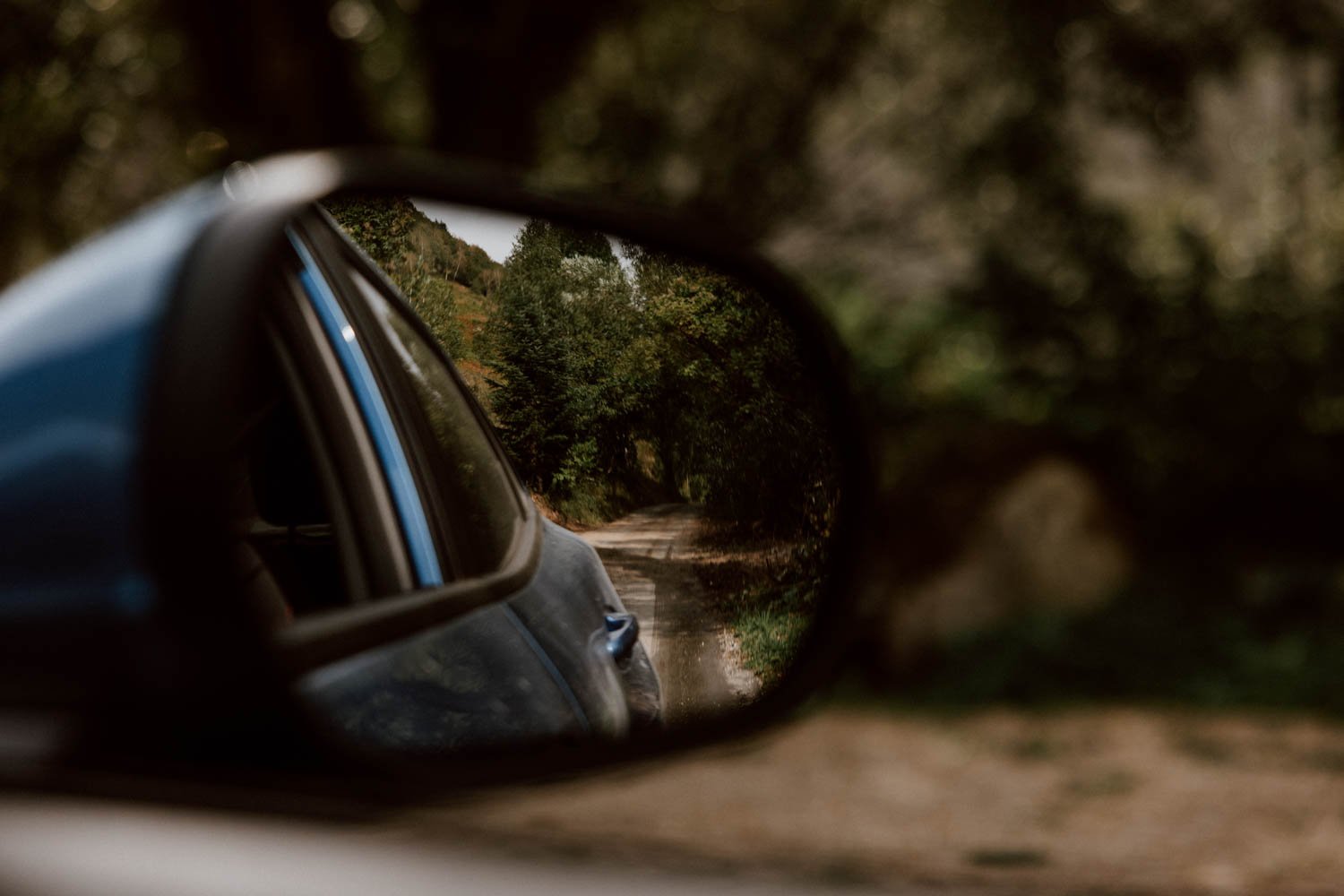
In that situation, which became more common in the last week of our trip along the coast, it’s worth keeping an eye on your left rearview mirror to make sure you’re maintaining enough distance until everyone’s safely clear.
Know // Speaking of the little British wave to acknowledge a driver that’s pulled aside for you, that’s also doesn’t seem to be a thing here. Whilst it’s sometimes reciprocated (and tourists obviously do it a lot), the local version of ‘thanks’ seemed to involve staring hard at the other driver as they drove by. Now, we initially thought this was just local angrily staring us out because we’d done something wrong or bizarre, but it became so common - especially when we’d pulled over to generously let someone through - that we came to the conclusion that it was some sort of stoic form of acknowledgement.
Or, perhaps, just curiosity at the weak-willed foreigner who had clearly just got owned.
Let us know if you know or experience the same when driving in Montenegro!
Those Police Speed Patrols
It’s obviously essential to drive within the advertised speed limits throughout your road trip. However, you won’t actually see many speed cameras in Montenegro.
In lieu of these, police are often stationed at the roadside with handheld speed guns to catch and chase down offenders. We think this leads to on-the-spot fines, but thankfully didn’t personally find out.
These patrols aren’t advertised, but are usually the explanation for an oncoming vehicle flashing their lights at you. We’ll leave it up to you whether to reciprocate and share the warning with others once you’ve passed!
Speaking of speed limits, the reality is that you need to pay attention for signs as they can change frequently. Just because a local car is speeding past, doesn’t mean you should match them or that the limit isn’t in play.
On various roads in Montenegro, you’ll actually be going much much slower than the speed limit allows due to the conditions e.g. on parts of the Durmitor Ring road we barely went above 20 km/h. In some cases, when and where safe, it’s not a bad idea on these rural roads to pull to the side briefly to let a quicker local pass.
Lastly, you’ll also encounter quite a lot of tunnels when driving across the country. Most of them are well-lit and modern with two lanes - it’s a legal requirement to have your lights on in them and you should always adhere to the advertised speed limit. There are a series of more rustic rock-blasted short, narrow tunnels near Piva Lake which have no lighting, and you really need to approach these carefully.
Know // The speed limit in built-up areas is generally 50km/h (30mph) and 80km/h (50mph) although there are highways where you can go faster. Speed limits matter, but in Montenegro, the real rule is: drive to the road, not the number on the sign. On highways, the slow lane is on the right, and that’s going to be your best friend in a lot of instances.
Also, approach and leave all roundabouts slowly as, on some main roads, there’s a pedestrian crossing station right entrance / exit.

Leave That Phone Alone & The White Line Drift
Even though it may not seem like it, it is actually illegal to use a mobile phone while driving in Montenegro.
Yet, you will see many, many people on their phones, including bus drivers and big lorry drivers. And we’re talking properly on their phone with not one eye on the road ahead.
It can be disconcerting and, even if it seems like everyone else is getting away with it, this is one quirk where you definitely don’t want to ‘do as the Romans do’. Two other habits you will observe, but should avoid adopting:
Lots of people drive in the middle of the road or with a lot of their vehicle on the wrong side of the white line. On some pothole-ridden roads, this makes sense, but on many others there’s no discernible reason.
Sometimes they’ll leave it until the very last minute before getting back on their side, but on a rare occasion you have to make the call first and make allowance for them. If you find out the reason, please do share.
Indicators aren’t used that often. If the car in front of you uses one on the approach to a roundabout or well in advance of a turning, then we’ll put money on the fact it’s a rental car with another tourist.
Lastly, wear your seatbelt at all times and never drink + drive here.
Kit // We’re fortunate that Emily does a great job of navigating, barking out orders like a rally car driver’s sidekick. If you’re a solo traveller or your travel buddy isn’t keen on helping you out with directions, we suggest bringing along a phone mount for the rental car. If you’re using Google Maps over the satnav, it helps a lot and removes distractions - we brought this cheap one to Montenegro and Panama this year, and it did the job.
Check Routes With Your Katun Accommodation
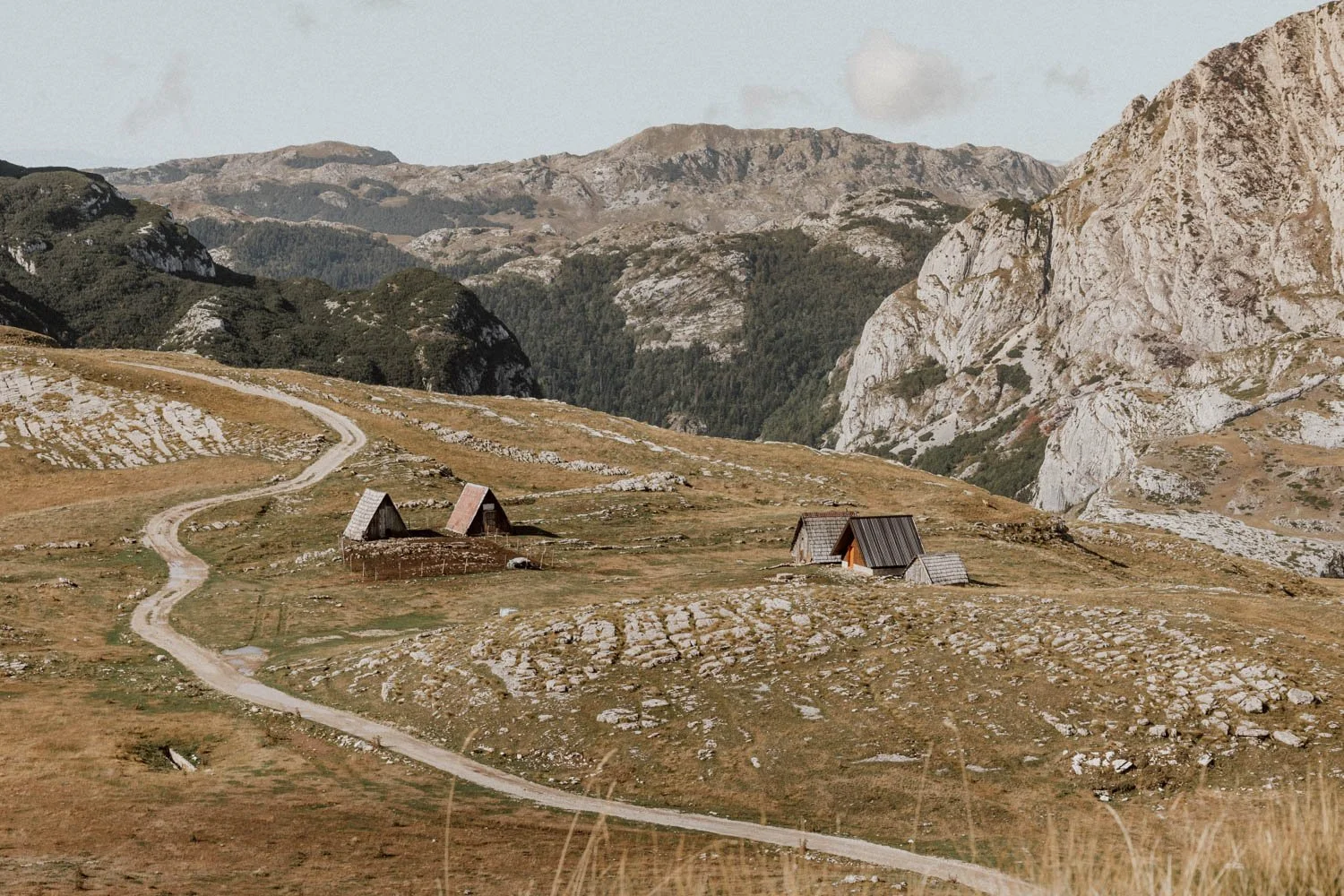
Katun: A traditional mountain hamlet or seasonal shepherd settlement in Montenegro, often tucked into remote valleys.
-
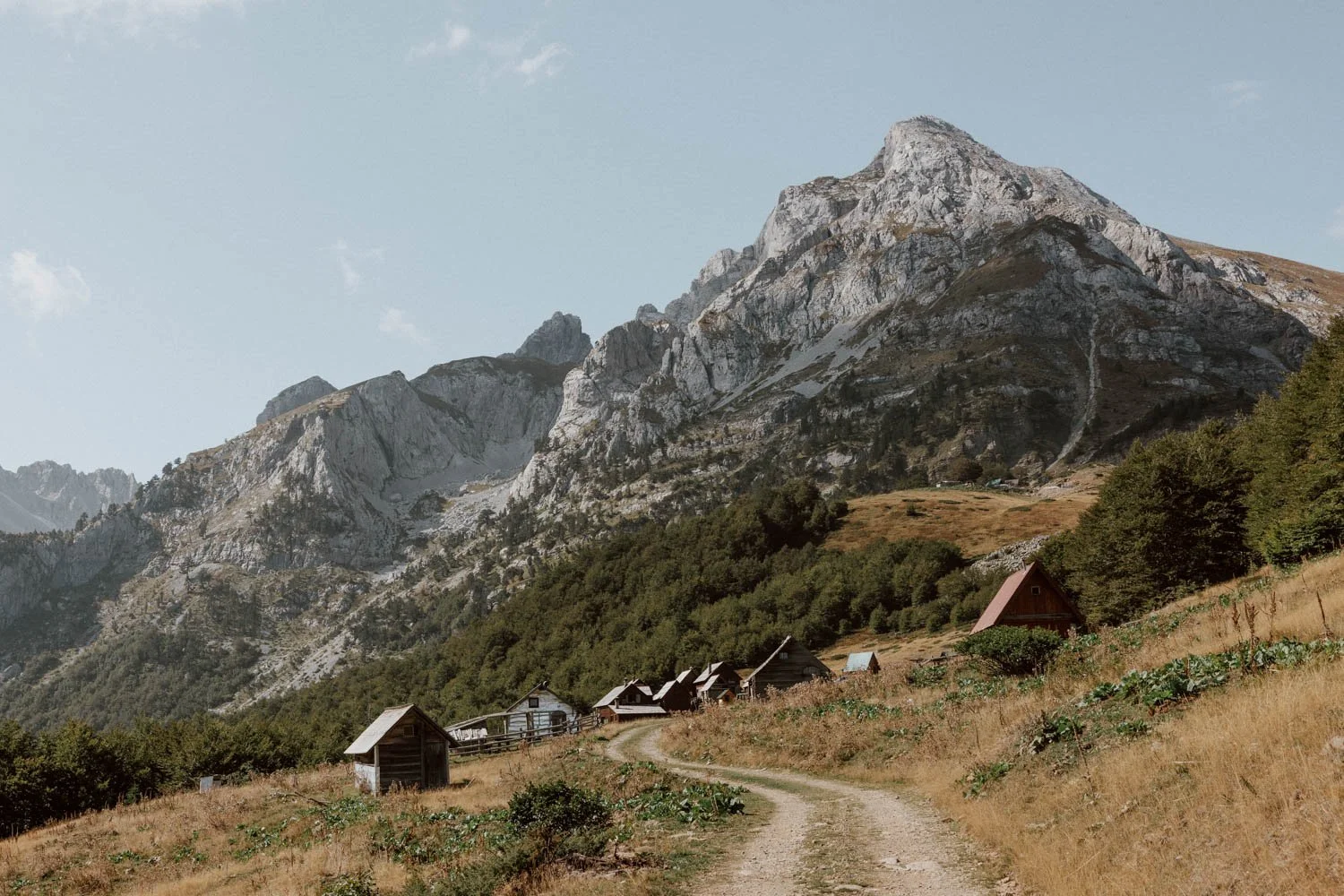
As mentioned, having your own wheels allows you to venture further and deeper into the rural heart and soul of Montenegro, and one of our favourite experiences of the whole road trip was staying at Katun Suvodo on the eastern fringes of Biogradska National Park.
It simply wouldn’t have been possible to make it there without a rental car though, with the road in being dusty, rough, and unsealed (just how we like it).
Compared to the 12km in and out of the Komovi katun where we spent our first night though, that road was a dream!
If you’re doing your Montenegro road trip right, then you should absolutely be trying to stay in at least one katun. But, due to the potential conditions of roads to these remote countryside accommodations, and the aforementioned propensity for Google Maps to send you down a cycle path, we highly recommend getting in touch with your hosts in advance to confirm if there’s a specific route to follow (or avoid) before setting off, and for when you depart.
Sometimes though, the only way in or out is going to be on a bad unsealed or unusual road.
Cautious or nervous drivers may also want to have a quick read of reviews on Booking or Airbnb to verify if the access roads are particularly fraught or challenging.
Given all of this, it's a very very good idea to avoid driving at night, and we recommend always setting off earlier to give yourself a window for diversions, issues, or unexpected bad roads along the way.
Read more about the katun and the gorgeous hike we did from the cabins in this post (published soon)
Travel Tip // A rough rule of thumb we have on all road trips is to never let our fuel drop below a third of a tank, but it’s always sensible to fill up before heading into any rural accommodation or remote section of the trip. That said, we were pleasantly surprised at how close we were to fuel stations in both Durmitor and Prokletije National Parks, as well as Lake Skadar. However, the Komovi area was very isolated.
Many petrol stations in Montenegro tend to be quite large and modern, with a shop, toilet, and cafe or bar attached that’s popular with local guys. They’re often going to be your best bet if you want a break, a poo, or need to pick up some snacks. We even went full Alan Partridge and unexpectedly stayed in this one near Podgorica airport TWICE.
And, to avoid embarrassing yourself when you pull into the station, take a quick look at the wee fuel pump icon on your dashboard: the tiny arrow on it shows which side your fuel cap is on!
Parking 101
We only had to pay for parking five times on our road trip, and one of those was a mistake.
However, that doesn’t mean it’s something you don’t have to consider when planning your day trips or accommodation.
Based on our experience, there are FOUR key points all road trippers should bear in mind when it comes to parking in Montenegro:
1. There are parking scams running in Perast and Virpazar (Lake Skadar) - read our guides for more.
2. In certain destinations, the parking situation is a bit of a clusterf*ck. You'll see old beer kegs, gallon water containers, yellow ‘no parking’ boards, or just a spray painted sign insisting that you do not park or block the space. Sometimes, the only proper car park is really expensive or reserved for hotel guests, and the unofficial ones are a bit of a walk away or just on the side of the road. It’s often going to be a lot less stressful if you or your navigator have a quick reccy for parking on Google Maps before you arrive.
However, if you’re staying in Perast, old Kotor, Herceg Novi, old Budva, or Sveti Stefan then you really need to double-check the parking situation with your accommodation. We booked a few places specifically because they had a free private parking spot, but it’s not a given in those places. Your accommodation should be able to advise on the next best alternative, but this isn’t always going to be free and the costs can potentially stack up if relying on a paid private lot during your stay.
In our destination-specific guides, we’ve got advice on where the free or best spots are.
3. As hinted at above, unless you know where to go or are willing to walk a bit, the only options available in convenient locations for tourist destinations will be paid parking. The Black Lake and the centre of Zabjlak (the main town) of Durmitor National Park have seen steep increases in charges and coverage, whilst we couldn’t find anywhere free in central Podgorica. You’ll have the choice between private parking lots that charge per hour or a day-rate or on-street parking. The former is straightforward, but the latter primarily uses a ticketless pay-by-app or SMS system and indicates prices with a colour-coded zone (green cheapest, red most expensive).
Annoyingly, it’s not a single app across the country, and you’ll also need a Montenegro-registered mobile number in order to send the SMS.
Enforcement is frequent and done via the app’s plate recognition system. Always check signs, as some zones require payment only during certain hours, and some areas remain free in the evenings or on weekends. There is also sometimes a place (usually a shop or newspaper kiosk) to pay in person, but this isn’t always clear to establish or find out.
We only tried once to pay by app (in Podgorica, literally three hours before we flew home), but the payment failed and a lovely local lady actually took car of everything and paid via her app. Let us know your tips/experience in the comments!
The Coast Is The Worst
Some of you may have got to this stage of the post and breathed a sigh of relief - and not just because this article’s almost bloody over!
You might be smugly thinking: “I’m only renting a car for a few days on the Bay of Kotor and the coast. No mountain passes, no remote dirt roads, no cows. Easy peasy.”
Wrong.
Whilst the coast generally has much better, quicker, and slicker roads, we found it to be the most infuriating and stressful part of the Montenegro driving experience.
If the mountains test your nerve and driving skills, it’s the coast that will test your sanity.
It’s not that the driving is technically any worse than in the interior - the same reckless overtakes, undertakes, and minimal-give mentality exists there too. The difference is volume. More cars, more congestion, more motorbikes darting between lanes, more impatient locals weaving in and out, more lack of indicators, and more belligerent wankers in fancy cars. All of this is happening way more often and in much closer proximity than in the mountains, which amplifies stress and makes negotiation feel more constant.
The only thing there was fewer of, were cows.
Throw in the fact that there are a lot more day trippers or tourists in rental cars that don’t know the rules, requirements, or how to deal with bottlenecks or these types of roads. We understand fully how annoying that must get for locals (especially the tight Bay of Kotor roads ), who are obviously quicker and much more comfortable on them, but it can become an exhausting non-stop squeeze or game of chicken.
Even main coastal roads, like those along the Budva Riviera, are a test of patience. Lanes can expand and contract unexpectedly and locals expect you to shift immediately, or they’ll squeeze past at high speed. Some days we had a constant sense that, if we weren’t paying full attention, we’d absolutely rear-end the car in front or the one behind would rear-end us.
Exhausting.
And, before we sound like total dickheads, we know we probably made loads of mistakes along the way that only contributed to all of this.
The key takeaway? The coast isn’t inherently more dangerous than the mountains. But the higher density of vehicles and drivers who play by their own rules means every bad habit is magnified. In the mountains, it’s easier to pick your moments. On the coast, there’s no room for negotiation, patience is tested, and fatigue sets in faster. Stay alert and don’t let the road rage monster takeover!
> Compare options & prices for your own rental via AutoEurope or RentalCars.